
2026 Kenworth Conventional Daycab Trucks For Sale
Shop 2026 Kenworth conventional daycab trucks with specs on T680 and T880 models, axle setups, wheelbases, engines, and vocational options.
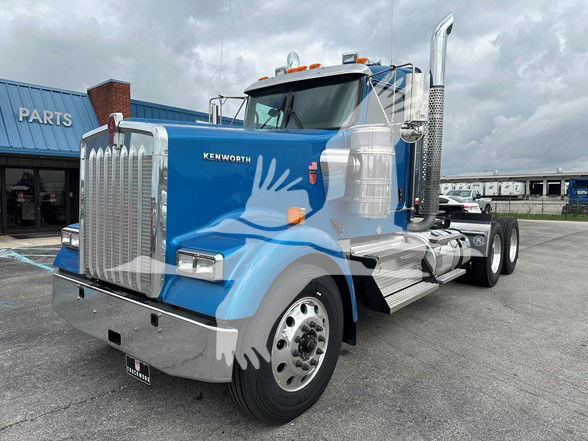
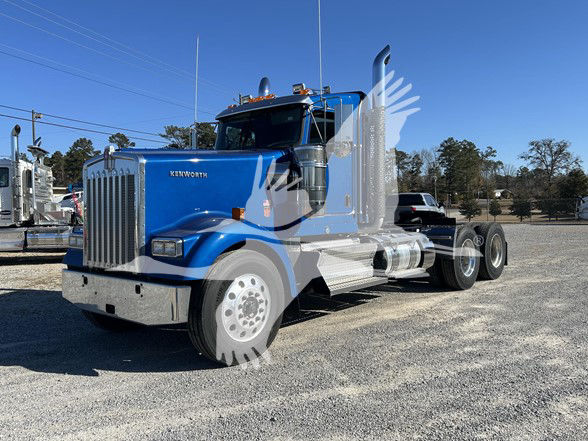
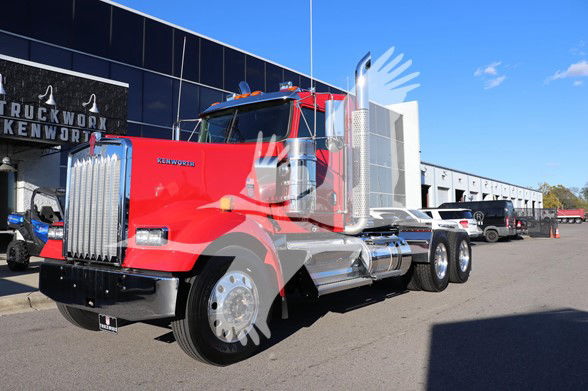
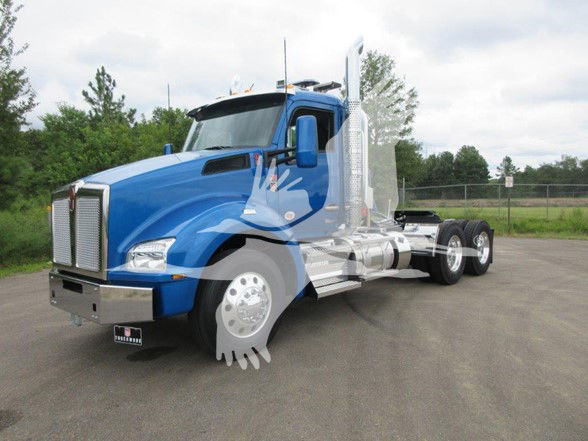
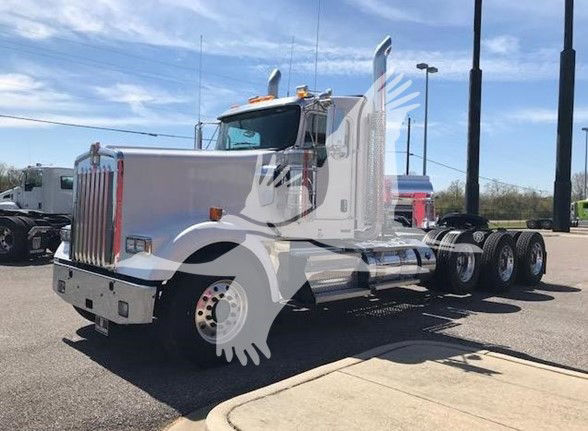
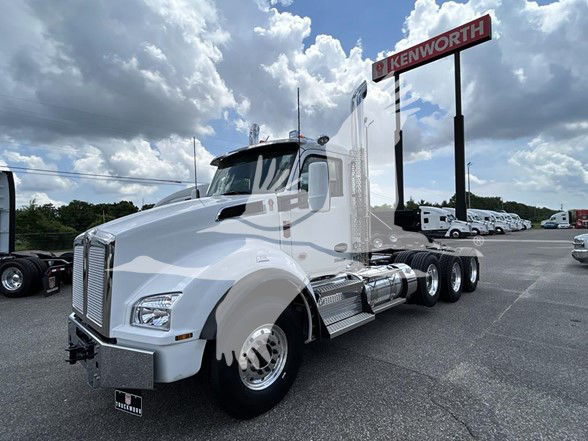
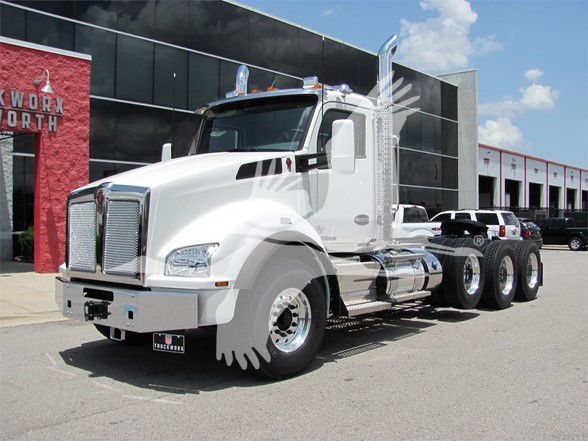
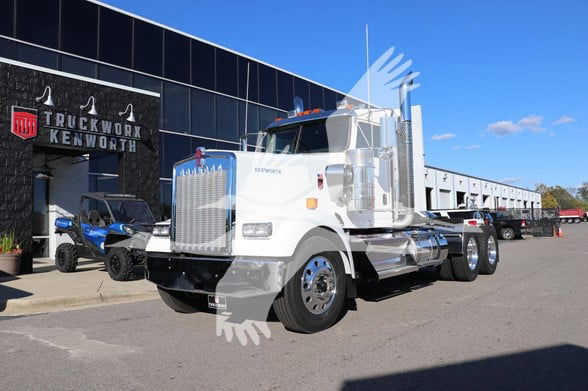
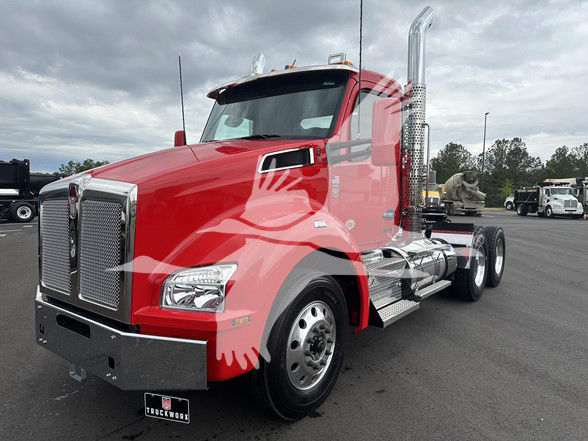
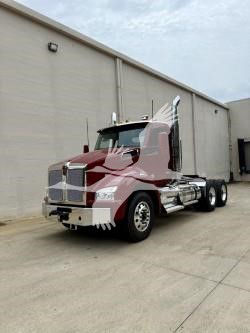
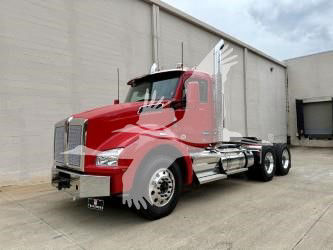
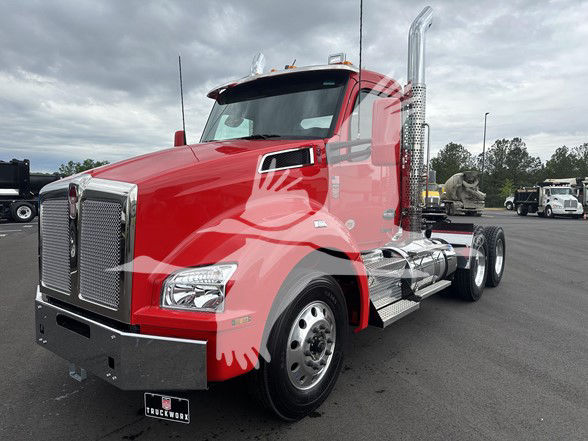
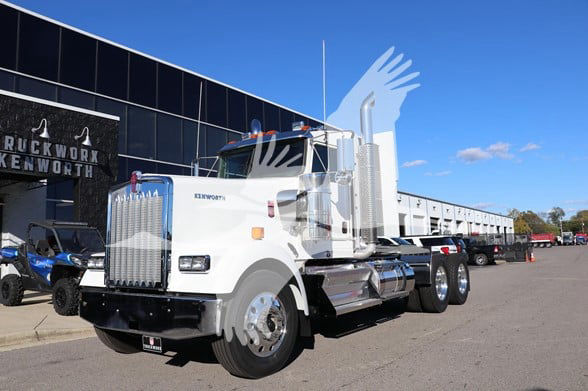
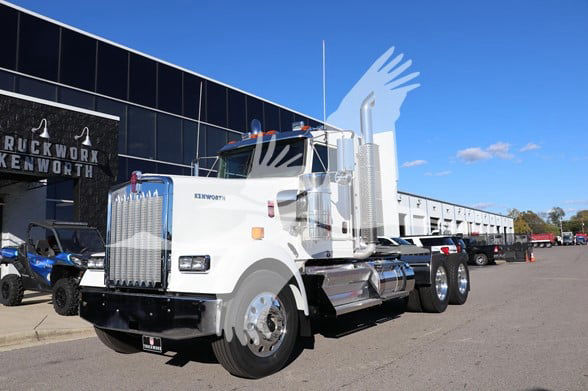
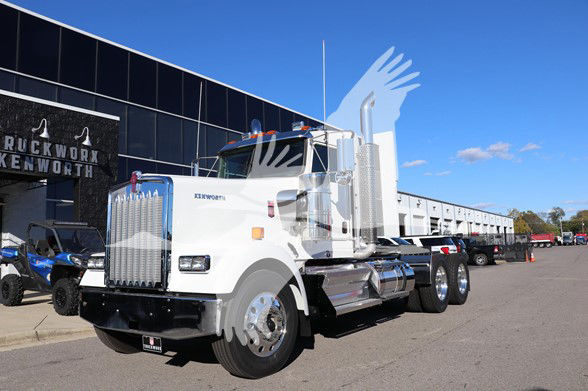
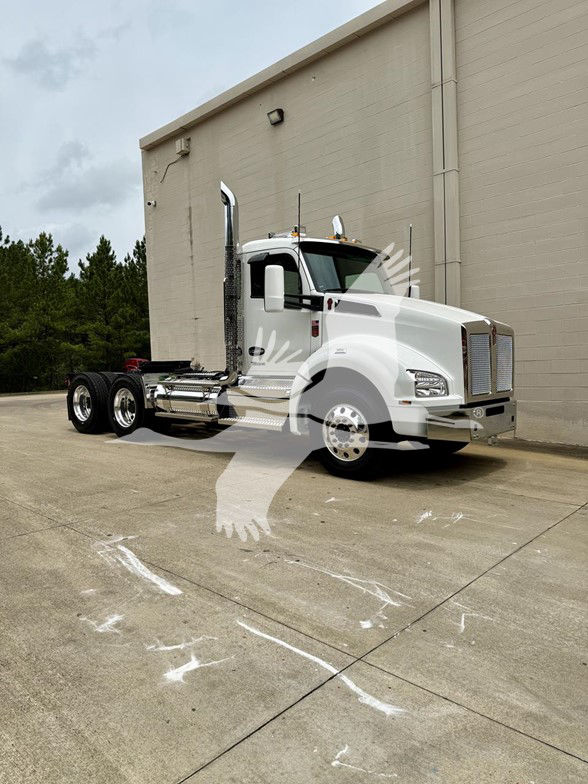
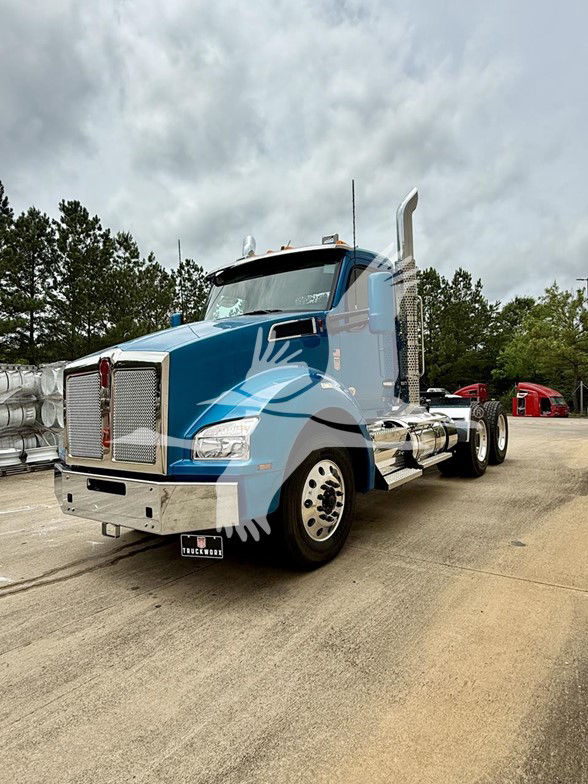
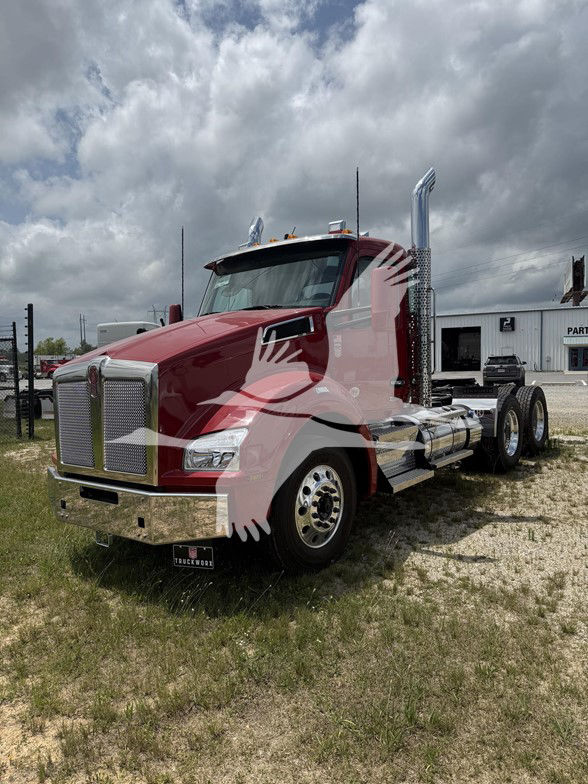
2026 Kenworth T880
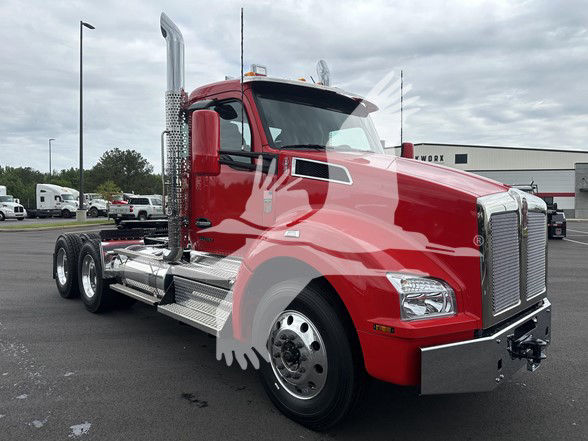
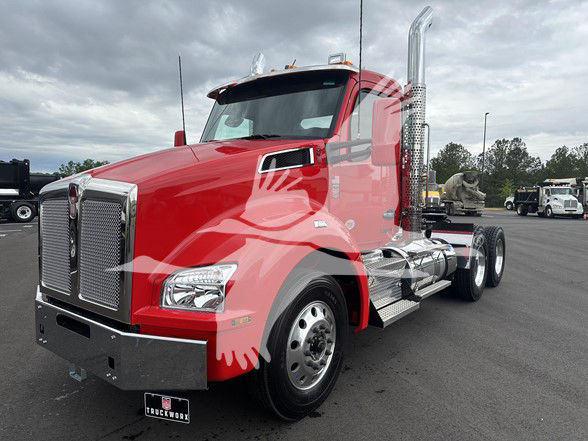
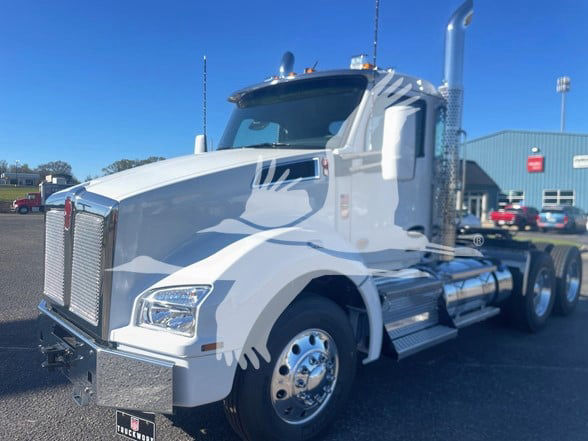
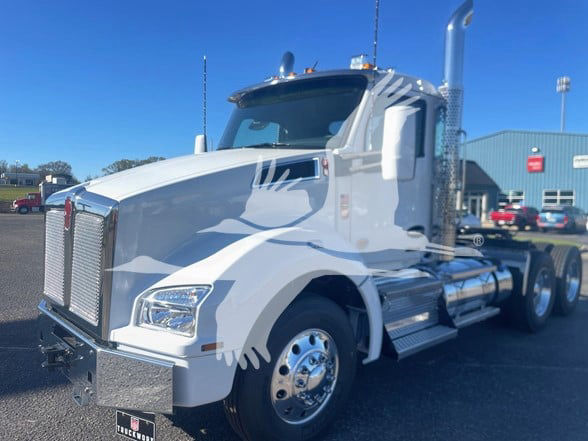
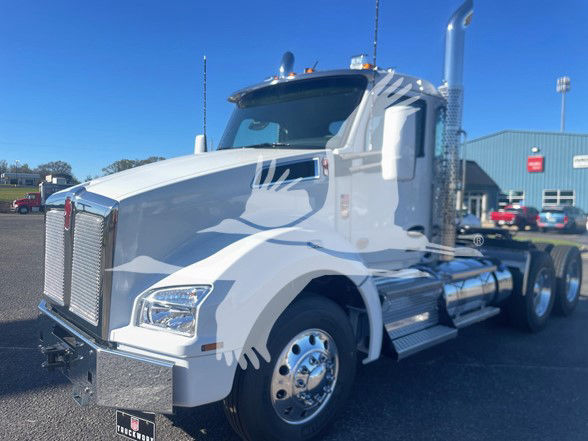
2026 Kenworth T880
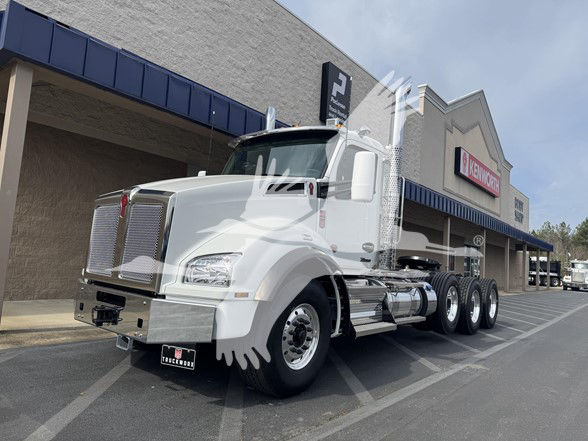
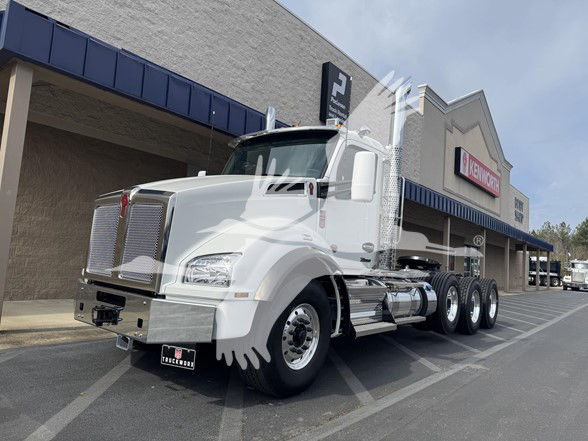
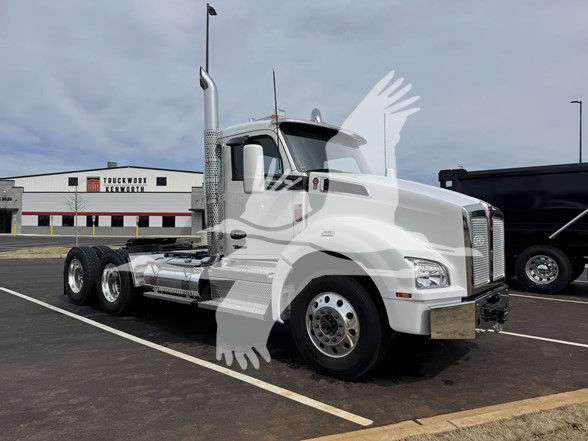
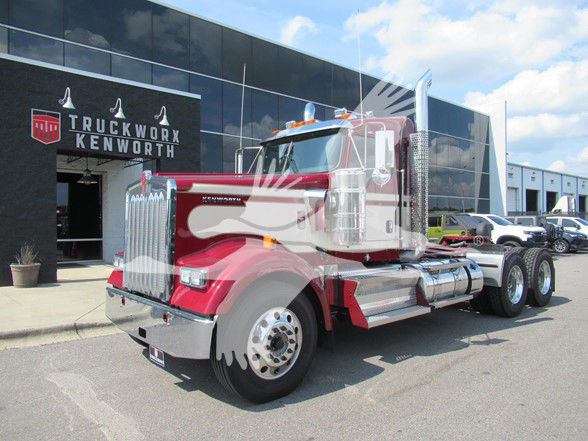
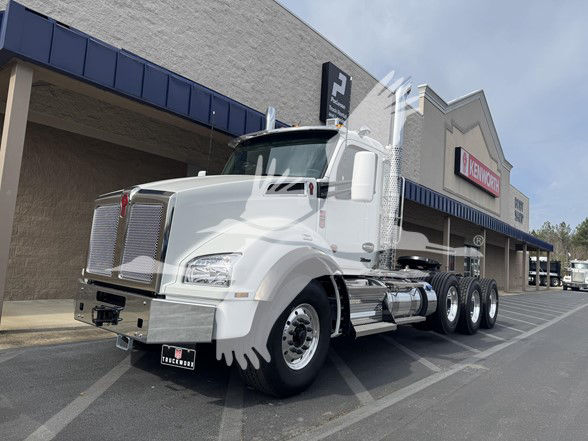
Selling a 2026 kenworth conventional daycab truck? List your 2026 kenworth conventional daycab truck for sale and reach thousands of commercial buyers.
2026 Kenworth Conventional Daycab Trucks
The main buying decision is usually application first, then wheelbase, axle rating, and drivetrain. A daycab set up for van or reefer work may carry a shorter wheelbase, air ride suspension, sliding fifth wheel, and faster rear axle ratios such as 2.64 for highway efficiency. A T880 daycab spec can look very different, with heavier front axles, tandem rears, vocational suspensions, higher horsepower ratings, and transmission choices built around startability and PTO use. Buyers comparing 2026 Kenworth daycabs should pay close attention to engine family, horsepower and torque ratings, automated versus fully automatic transmissions, rear axle ratio, and whether the truck is intended for 5th wheel service, straight truck upfit, or a vocational body installation.
Kenworth daycabs are also known for a driver-friendly cab layout. Common features in this class include air conditioning, tilt and telescoping steering, digital dash options, engine brakes, aluminum fuel tanks, air slide fifth wheels, disc brakes, and low-profile 22.5 tires. On highway-oriented trucks, roof fairings, cab extenders, and quarter fenders can improve airflow and help protect the chassis. On vocational specs, buyers should inspect frame rail dimensions, pusher or lift axle provisions, crossmember layout, and clearance for hydraulic tanks or wet kits. If the truck will spend its life in city service or tight yards, turning radius and bumper-to-back-of-cab measurement can matter just as much as horsepower.
A well-matched 2026 Kenworth conventional daycab should be evaluated as a complete operating package, not just by model badge. Look at gross axle weight ratings, suspension type, brake configuration, wheelbase, fuel capacity, and serviceability in your region. A T680 daycab can be the right fit when uptime, fuel economy, and driver comfort are priorities. A T880 daycab makes more sense when the job calls for rugged components, vocational adaptability, and heavier-spec driveline parts. Buyers who compare those details closely tend to end up with a truck that works better in the lane or jobsite it was actually built to serve.
Frequently Asked Questions about 2026 Kenworth Conventional Daycab Trucks
What is the difference between a Kenworth T680 daycab and a Kenworth T880 daycab?
The Kenworth T680 daycab is generally spec'd for highway and regional tractor work where aerodynamics, fuel economy, and driver comfort are major priorities. The Kenworth T880 daycab is more vocational in design, with broader severe-service applications, heavier front axle and suspension options, stronger frame configurations, and better adaptability for PTO, wet kit, dump, heavy haul, and equipment trailer work. The right choice depends on duty cycle more than appearance.
What engine and transmission options are common in a 2026 Kenworth conventional daycab?
Common engine choices in this category include PACCAR and Cummins platforms, with horsepower varying based on application. Highway daycabs are often paired with automated manual transmissions for fuel economy and driver consistency, while vocational specs may use automated or fully automatic transmissions depending on stop-and-go duty, PTO needs, and terrain. Buyers should match horsepower, torque, and transmission gearing to payload, route profile, and average operating speed rather than choosing by peak horsepower alone.
What wheelbase is best for a Kenworth daycab?
The best wheelbase depends on the body or trailer setup and the operating environment. Shorter wheelbases improve maneuverability in city service, tight docks, and port operations. Longer wheelbases may be needed for bridge law compliance, body installation, heavier components, larger fuel capacity, or axle placement requirements. On a fifth wheel tractor, wheelbase should be reviewed along with kingpin settings, trailer swing clearance, and desired weight distribution.
Is a 2026 Kenworth daycab a good choice for regional hauling?
Yes, a Kenworth daycab is a strong fit for regional hauling when the truck returns regularly and sleeper space is not needed. A daycab reduces weight, can improve maneuverability, and often lowers acquisition cost compared with a sleeper tractor. Regional buyers should focus on fuel tank capacity, ride quality, gearing, engine brake performance, and cab comfort features because those details have a direct effect on uptime and driver retention.
What should buyers inspect on a new-spec or late-model Kenworth daycab?
Key checkpoints include axle ratings, suspension type, rear ratio, brake spec, wheelbase, fuel capacity, and intended body or trailer use. Buyers should also confirm fifth wheel type and travel, frame layout, exhaust routing, PTO provisions, and any fairings or chassis equipment that could affect upfitting. For fleet standardization, it is also smart to verify engine family, software compatibility, and parts commonality with the rest of the operation.