
2026 Kenworth Conventional Daycab Trucks For Sale in Alabama
Shop 2026 Kenworth conventional daycab trucks for regional haul, vocational work, and heavy spec applications in Alabama.
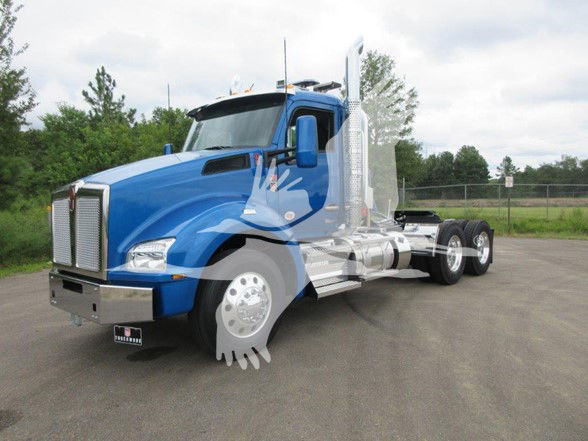
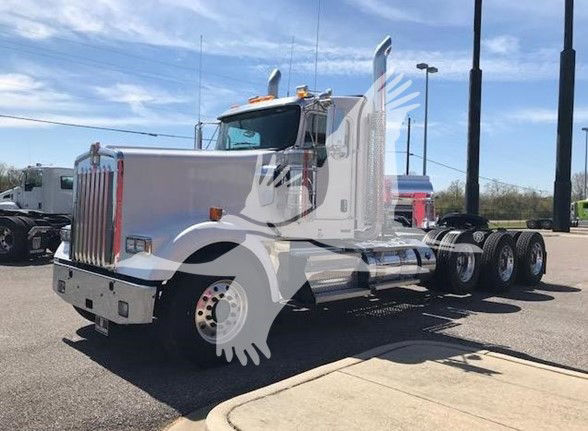
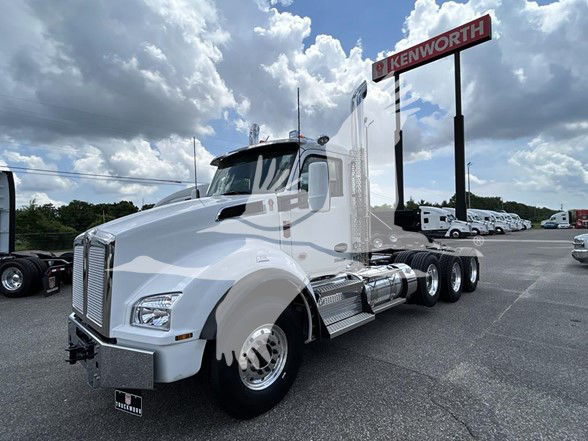
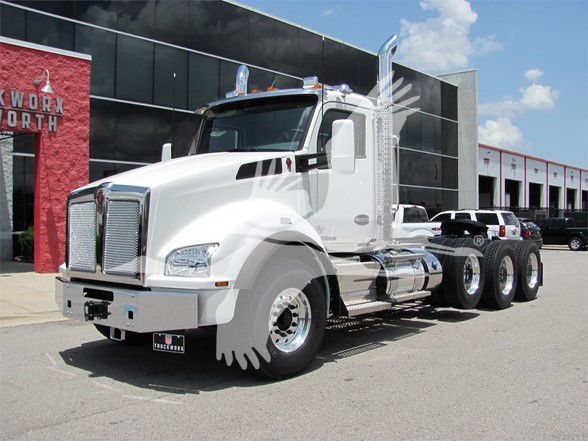
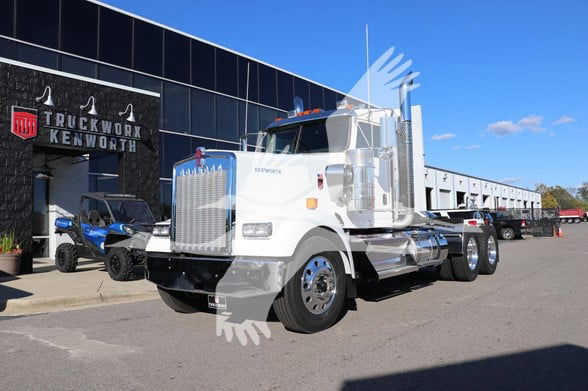
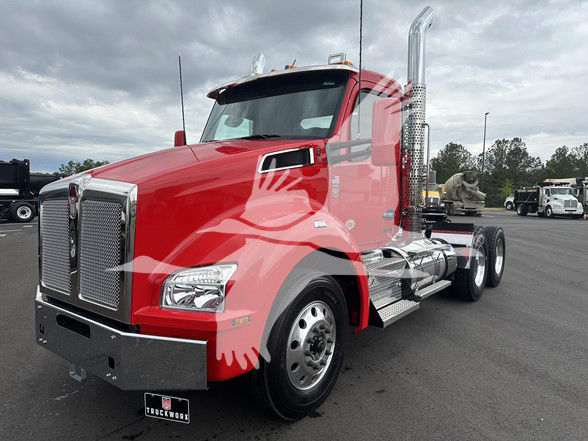
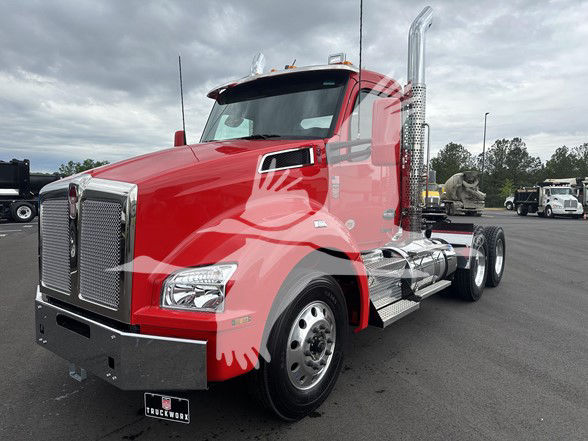
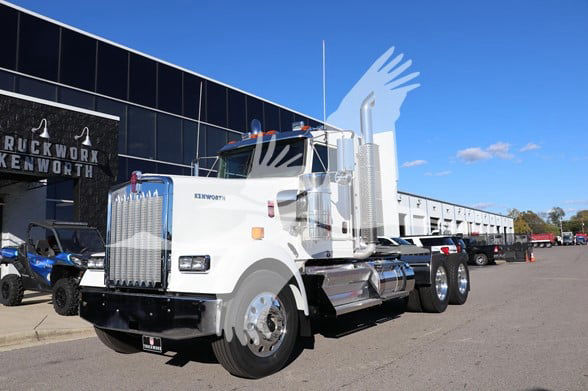
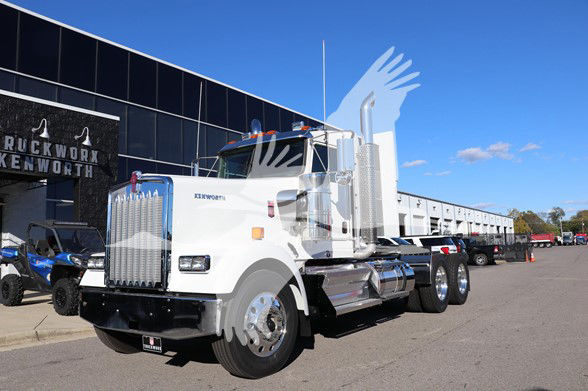
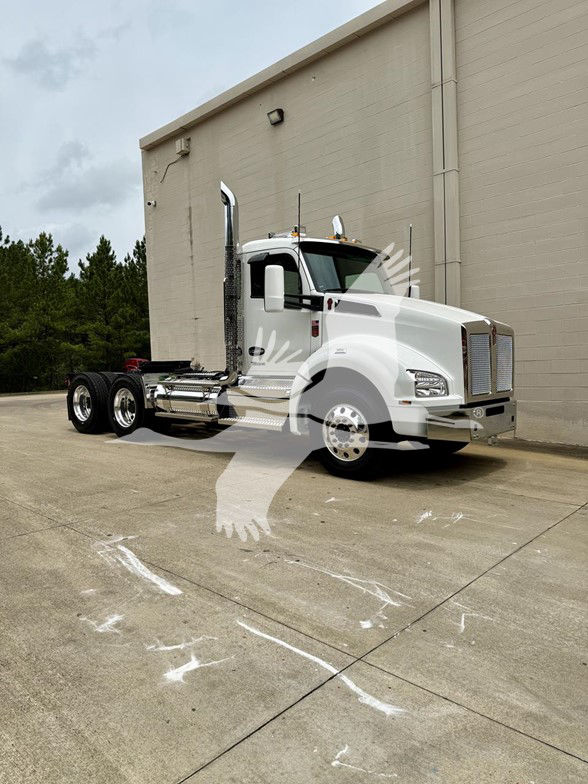
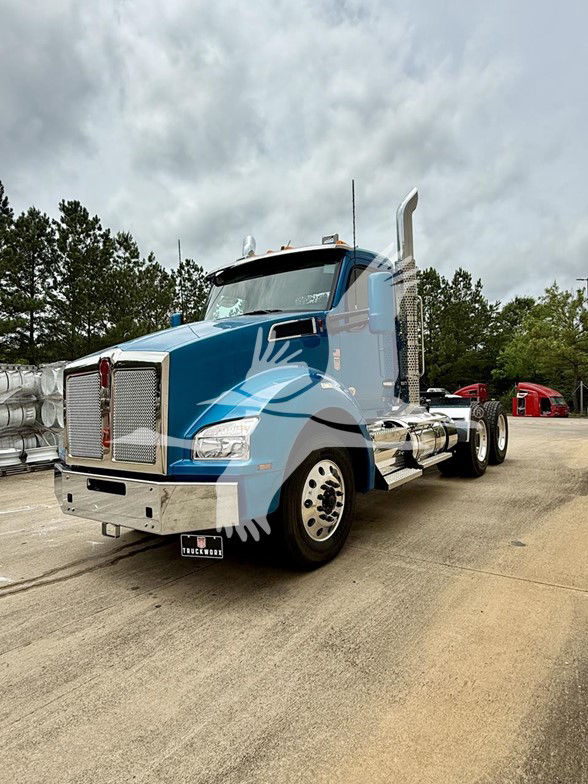
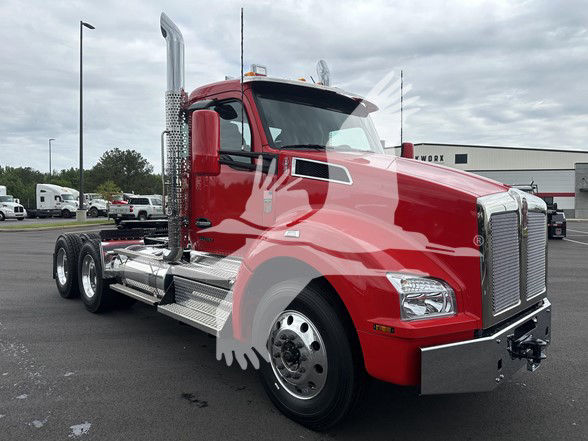
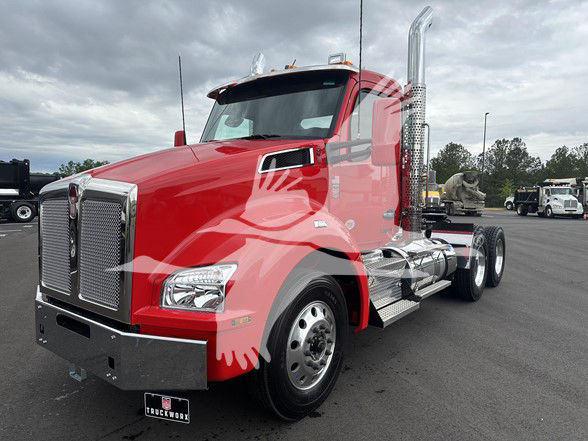
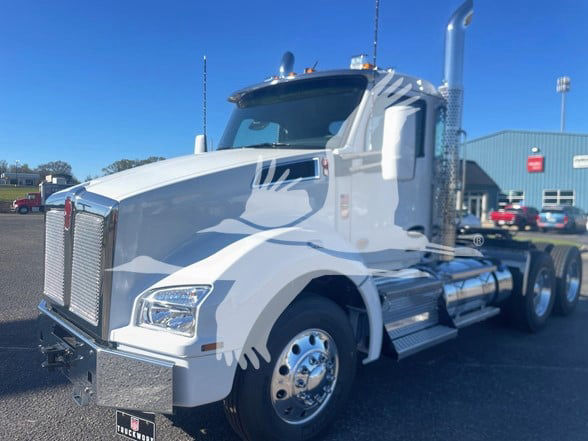
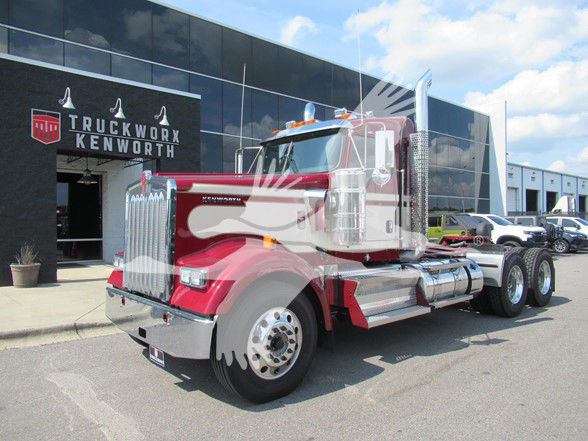
Selling a 2026 kenworth conventional daycab truck? List your 2026 kenworth conventional daycab truck for sale and reach thousands of commercial buyers.
2026 Kenworth Conventional Daycab Trucks in Alabama
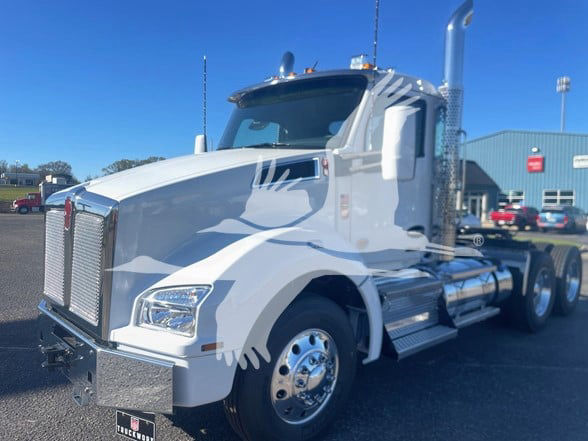
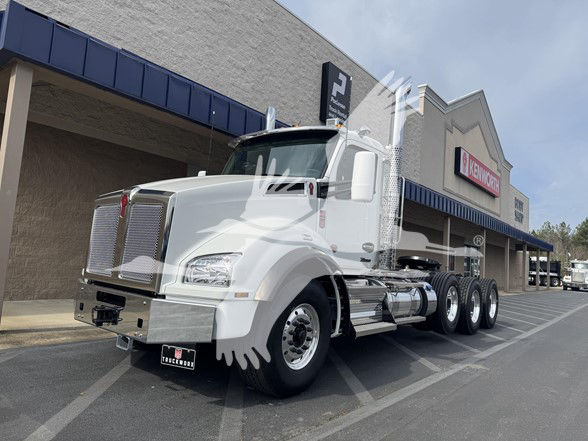
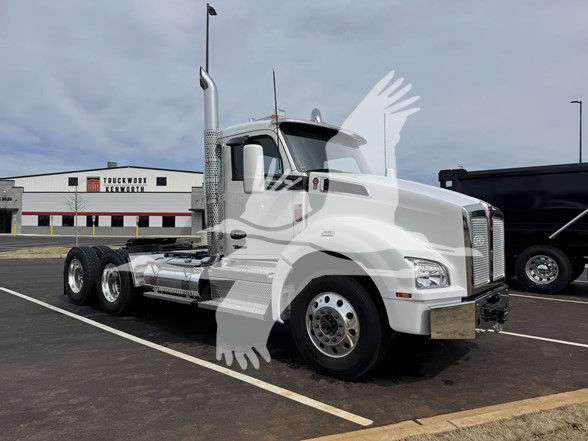
The first decision is usually application and wheelbase. A T880 daycab is a common choice when the truck will be worked hard in construction, municipal, or mixed on-highway and vocational service. Buyers often focus on axle ratings, frame strength, suspension spec, and PTO compatibility for wet kit or hydraulic trailer use. Wheelbases around 200 inches are common in this class, but the right setup depends on trailer length, bridge law, and how much back-of-cab clearance is needed. In Alabama, road routes, jobsite access, and regional haul lanes can make turning radius, front axle capacity, and suspension selection more important than raw horsepower alone.
Powertrain choices on 2026 Kenworth daycabs commonly center on the Cummins X15, paired with either a manual transmission or an automated manual such as the Endurant. Buyers comparing specs should look beyond horsepower and pay close attention to torque rating, rear axle ratio, GCWR, and intended cruising speed. A 10-speed manual can still make sense for certain heavy vocational or owner-operator preferences, while an AMT may improve consistency and reduce driver fatigue in stop-and-go operation. Suspension packages such as the AG460 are often selected for heavier loads and better durability under severe service. If the truck will run a wet line, pull end dumps, or handle equipment trailers, confirm PTO provisions, hydraulic plumbing space, and frame layout before making a final decision.
Cab layout and long-term operating cost matter just as much as badge and model. Kenworth daycabs are known for solid interior fit, good visibility, and a driver-focused dash layout that works well in high-cycle local service. Buyers should inspect brake spec, fuel capacity, fifth wheel position, tire size, and steer tire rating to be sure the tractor matches the trailers it will pull every day. For a new 2026 model, it also makes sense to compare emissions warranty coverage, telematics compatibility, and dealer service support across the region. The best conventional daycab is the one with the right vocational spec from the factory, because correcting wheelbase, axle, or hydraulic setup after purchase is usually far more expensive than ordering the truck correctly the first time.
Frequently Asked Questions about 2026 Kenworth Conventional Daycab Trucks in Alabama
What is a conventional daycab truck used for?
A conventional daycab truck is used for local and regional hauling where the driver returns home daily and does not need a sleeper. Common applications include flatbed, tanker, dump, lowboy, equipment transport, port drayage, and dedicated vocational work. The daycab design reduces weight and overall length, which can improve payload potential and maneuverability compared with a sleeper tractor.
What is the difference between a Kenworth T880 daycab and a W900L daycab?
The Kenworth T880 is typically chosen for vocational and heavy-service applications because it is engineered for versatile frame layouts, severe-duty options, and work-truck durability. The W900L daycab is often selected by buyers who want a long-hood conventional with classic styling, strong highway presence, and owner-operator appeal. The best choice depends on turning radius needs, axle and frame requirements, intended trailer, and whether the truck will spend more time on jobsites or on the highway.
What specs matter most when buying a 2026 Kenworth daycab?
The most important specs are engine rating, transmission type, wheelbase, axle ratings, rear axle ratio, suspension, frame configuration, and fifth wheel setup. Buyers should also verify PTO capability, wet kit compatibility, fuel capacity, and legal bridge compliance for the loads and trailers they plan to run. A daycab that looks similar on paper can perform very differently depending on how those components are matched.
Is an automated manual or a manual transmission better in a daycab truck?
An automated manual can improve driver consistency, reduce fatigue, and simplify operation in heavy traffic or frequent stop-and-go routes. A manual transmission may still be preferred in certain heavy haul or vocational applications, or by drivers who want direct control over shifting. The right choice depends on driver pool, terrain, payload, maintenance preferences, and how specialized the truck's work cycle will be.
Why does wheelbase matter on a conventional daycab?
Wheelbase affects turning radius, ride quality, bridge compliance, trailer gap, back-of-cab clearance, and how the truck carries weight across the axles. A shorter wheelbase is often easier to maneuver in tight jobsites or urban areas, while a longer wheelbase may be needed for equipment placement, hydraulic systems, or heavier front-to-rear load balance. It is one of the most important layout decisions because changing it later is expensive and can affect both drivability and resale value.