
2026 Kenworth Conventional Daycab Trucks For Sale in Mississippi
Shop 2026 Kenworth conventional daycab trucks in Mississippi. Compare T880 and W900L specs, wheelbases, engines, axles, and vocational setups.
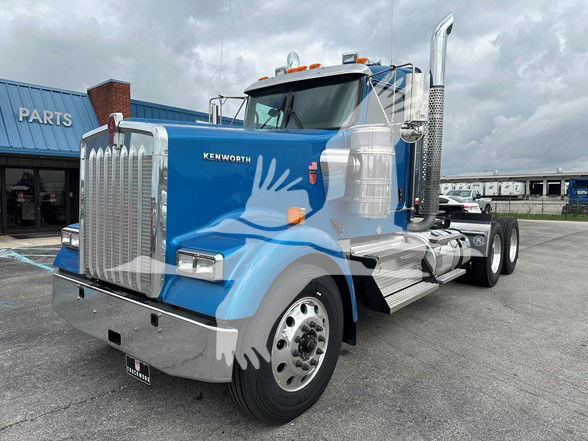
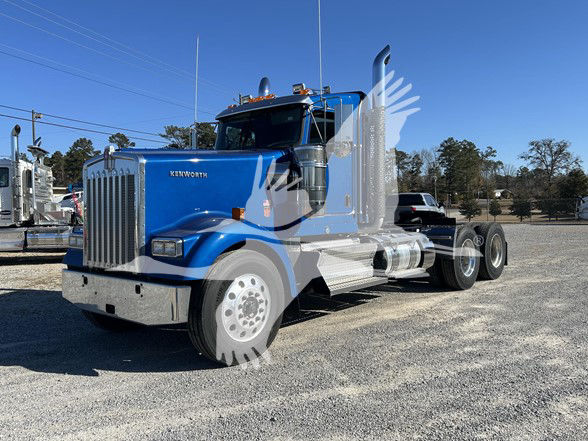
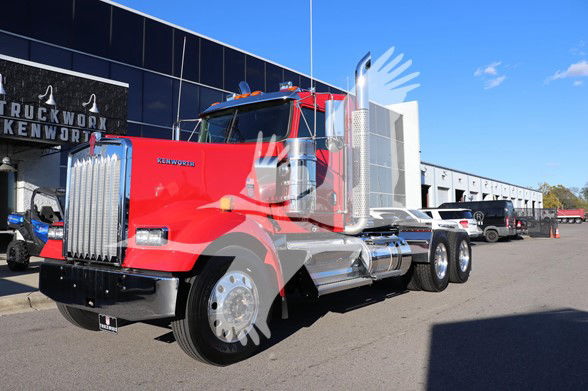
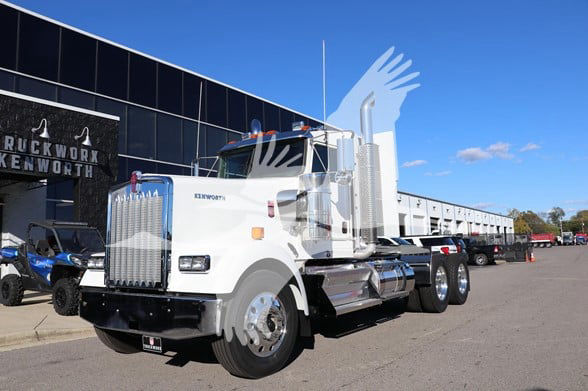
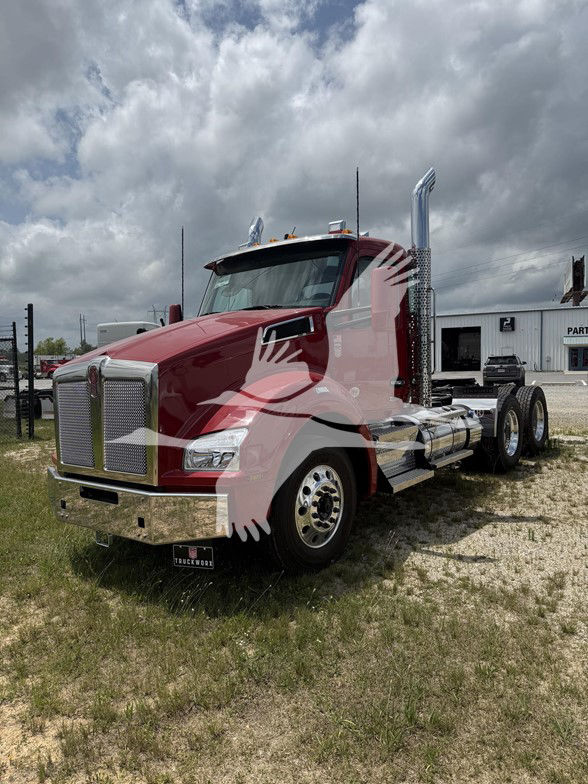
2026 Kenworth T880
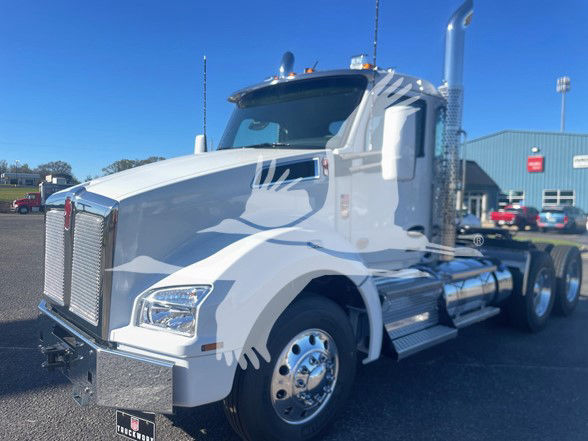
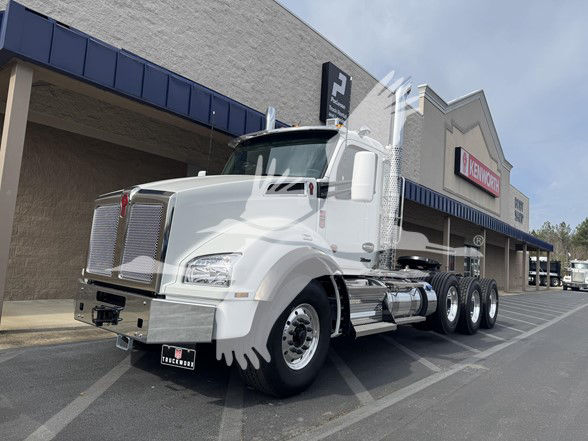
Selling a 2026 kenworth conventional daycab truck? List your 2026 kenworth conventional daycab truck for sale and reach thousands of commercial buyers.
2026 Kenworth Conventional Daycab Trucks in Mississippi
Two of the most common choices in this category are the Kenworth T880 and W900L. The T880 is widely used as a vocational platform because it can be spec'd for dump, mixer, heavy spec tractor, lowboy, or regional daycab work with a strong balance of visibility, set-forward or set-back front axle options, and durable chassis layouts. The W900L is a long-hood conventional that remains popular for specialized hauling and buyers who want a traditional platform with a longer hood, extended wheelbase options, and strong owner-operator appeal. Sample specs in this category include Cummins X15 power, 10-speed manual transmissions, wheelbases around 201 to 248 inches, and rear axle ratings such as AG460, all of which point to heavy-duty daycab applications rather than light regional fleet tractors.
Engine and driveline spec should be matched to the load and terrain. A Cummins X15 in the 450 to 500 horsepower range is a common fit for Mississippi operations that pull heavy equipment, construction trailers, or dense regional freight. Transmission choice still matters. A 10-speed manual can be a good fit for buyers who want direct control, lower complexity, and familiarity in vocational service, while automated manuals may appeal where driver turnover, stop-and-go routing, or fuel consistency are priorities. Pay close attention to rear axle ratio, suspension type, front axle capacity, and fifth wheel placement. On a conventional daycab, kingpin settings, frame length, and pusher or lift axle readiness can determine whether the truck works cleanly with a lowboy, hopper, flatbed, or dump trailer.
Cab layout, serviceability, and upfit readiness are just as important as headline horsepower. Kenworth daycabs are known for solid driver ergonomics, straightforward dash layouts, and chassis flexibility for PTO-driven equipment or heavy-duty hitch arrangements. Buyers should inspect frame spec, crossmember configuration, air and electrical routing, fuel capacity, and brake setup before comparing price alone. In Mississippi, cooling capacity, vocational tire selection, and suspension durability can matter more than cosmetic trim, especially on trucks running in heat, mud, and mixed on-road and jobsite conditions. A well-matched 2026 Kenworth conventional daycab should be evaluated as a work platform first, with the cab, hood style, and brand preference supporting the application instead of leading it.
Frequently Asked Questions about 2026 Kenworth Conventional Daycab Trucks in Mississippi
What is the difference between a Kenworth T880 daycab and a Kenworth W900L daycab?
The T880 is generally chosen for vocational and heavy-service work because it offers practical visibility, flexible chassis configurations, and broad compatibility with dump, lowboy, and equipment-hauling applications. The W900L is a long-hood conventional that is often favored for specialized hauling, owner-operator appeal, and traditional styling, with room for longer wheelbase setups. The better choice depends on turning requirements, axle placement, hood length preference, and how the truck will be used day to day.
What wheelbase is best for a conventional daycab truck?
The best wheelbase depends on trailer type, axle spread, and operating environment. A shorter wheelbase, such as a low-200-inch setup, usually improves maneuverability in tight yards, construction sites, and urban delivery points. A longer wheelbase can be beneficial for lowboy work, bridge compliance, ride quality, and fitting the truck correctly to the trailer and fifth wheel position. Buyers should match wheelbase to kingpin setting, frame length, and overall combination length rather than treating one number as universally better.
Is the Cummins X15 a good engine for a 2026 Kenworth daycab?
Yes. The Cummins X15 is a common engine choice for Class 8 Kenworth daycabs because it provides the torque and durability needed for regional hauling, vocational work, and heavy trailer applications. It is especially well suited to operations that need strong pulling power, broad service support, and a spec range that can cover everything from general freight to lowboy and equipment transport. The ideal horsepower and torque rating should still be matched to gross combination weight, terrain, and transmission choice.
Are manual transmissions still a good choice in new daycab trucks?
A manual transmission can still be a strong choice for buyers who want driver-controlled shifting, mechanical familiarity, and a simpler fit for certain vocational applications. They remain relevant in heavy haul, off-road, and specialized use where experienced drivers prefer direct gear selection. However, automated manual transmissions can reduce driver fatigue, improve shift consistency, and help fleets standardize operation. The right decision depends on driver pool, maintenance preference, terrain, and duty cycle.
What should buyers check on a conventional daycab besides engine horsepower?
Horsepower is only one part of the spec. Buyers should review front and rear axle ratings, suspension model, wheelbase, rear axle ratio, frame rail strength, fifth wheel placement, brake configuration, tire spec, and PTO or hydraulic readiness. For heavy or vocational work, details like kingpin-to-rear-axle measurement, crossmember layout, and lift axle compatibility can matter as much as the engine itself. A daycab that is correctly spec'd for the trailer and job will usually perform better and cost less to operate than a higher-horsepower truck with the wrong chassis setup.