
2026 Conventional Daycab Trucks For Sale in Alabama
Shop 2026 conventional daycab trucks in Alabama. Compare wheelbases, engines, axle ratings, and vocational or highway-ready specs.
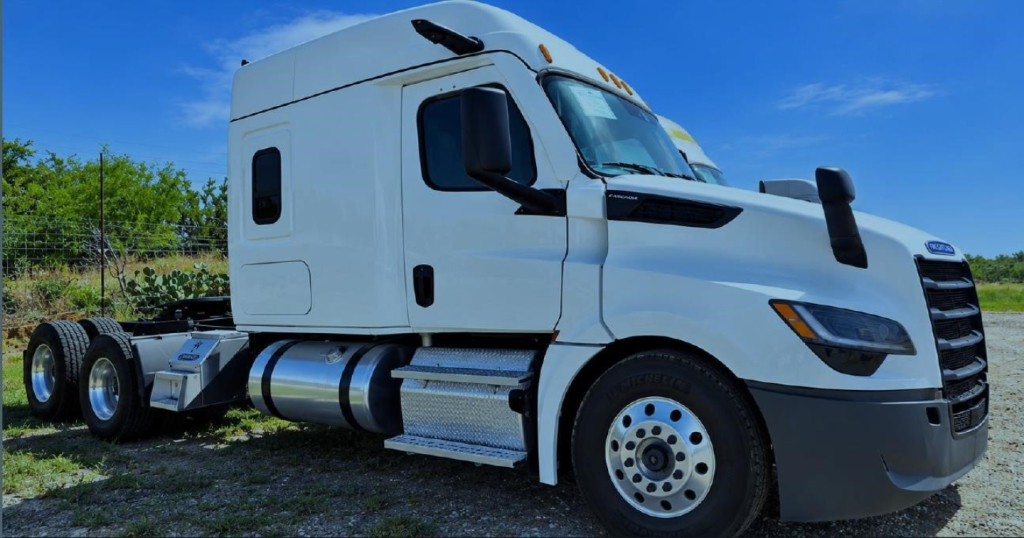
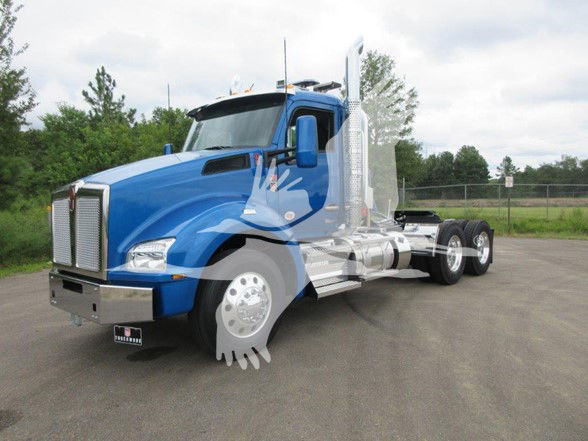
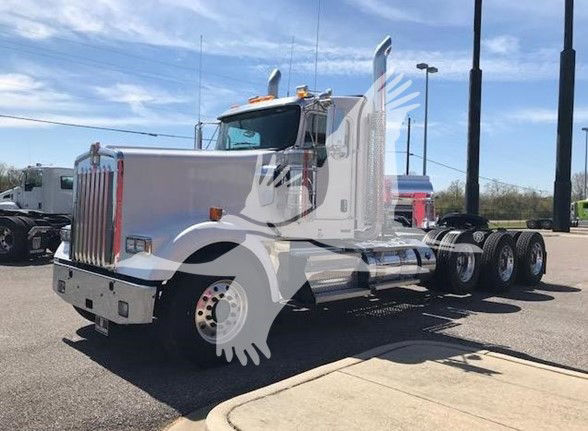
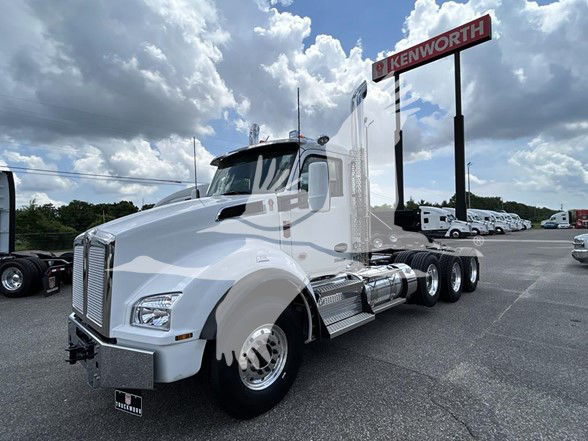
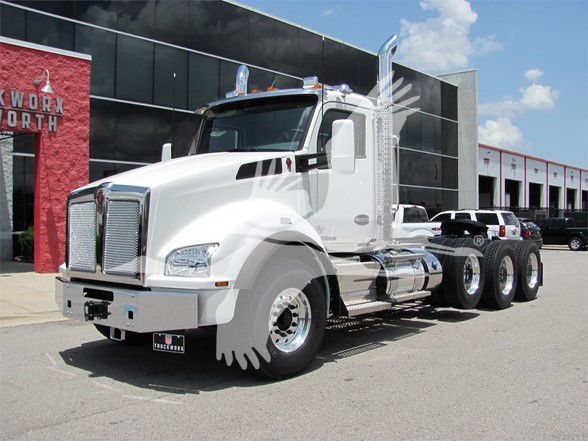
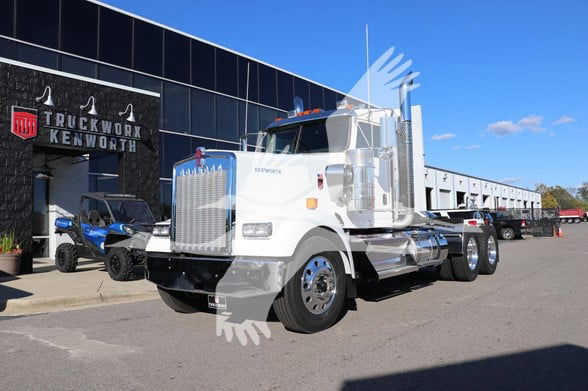
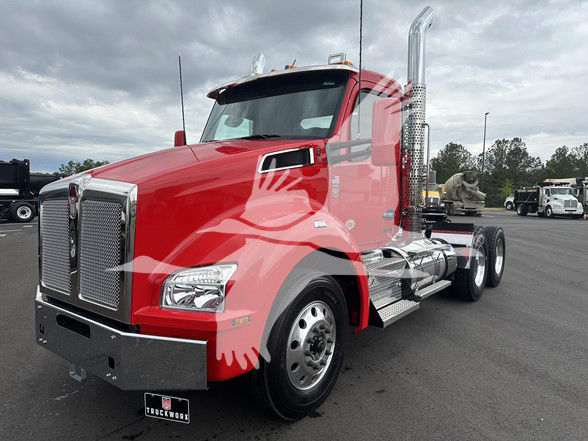
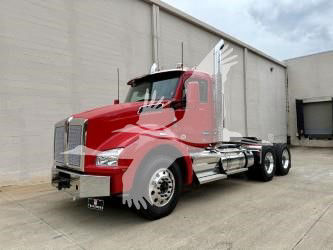
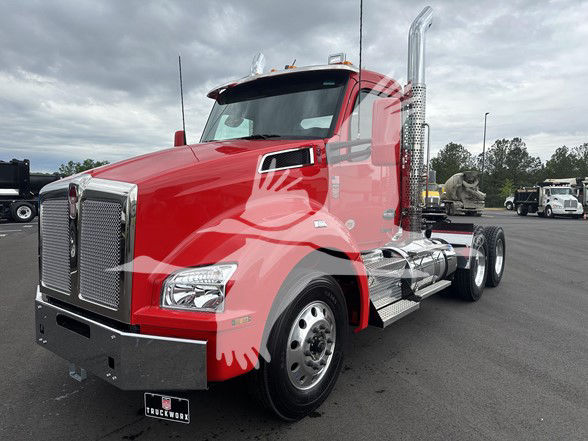
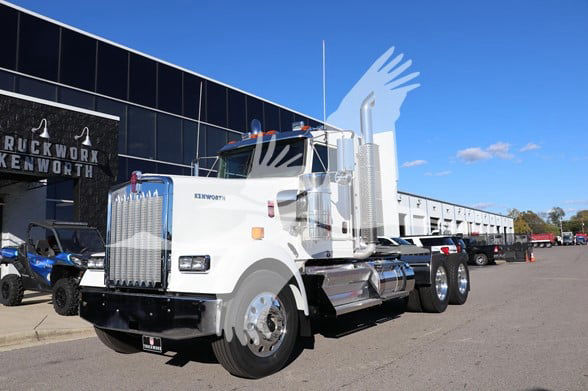
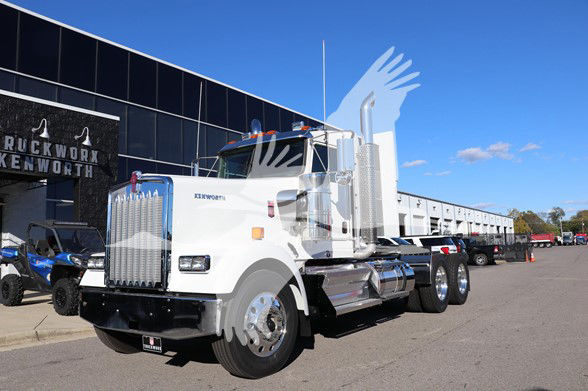
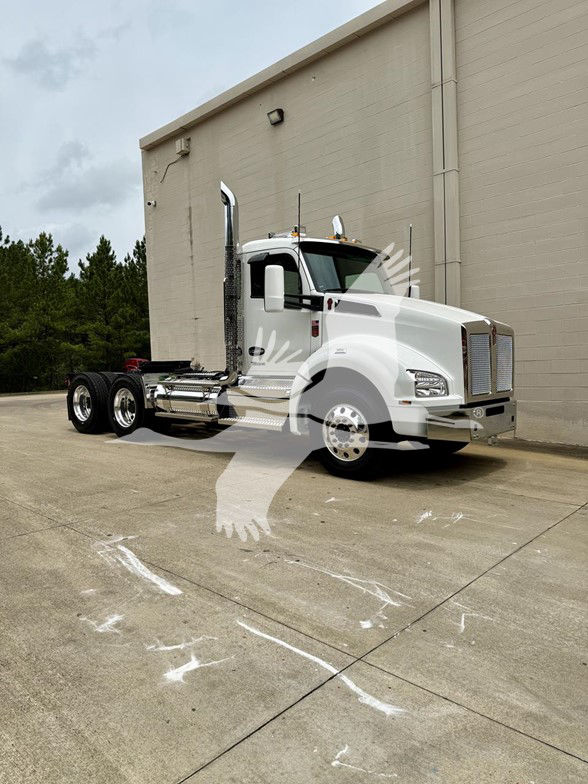
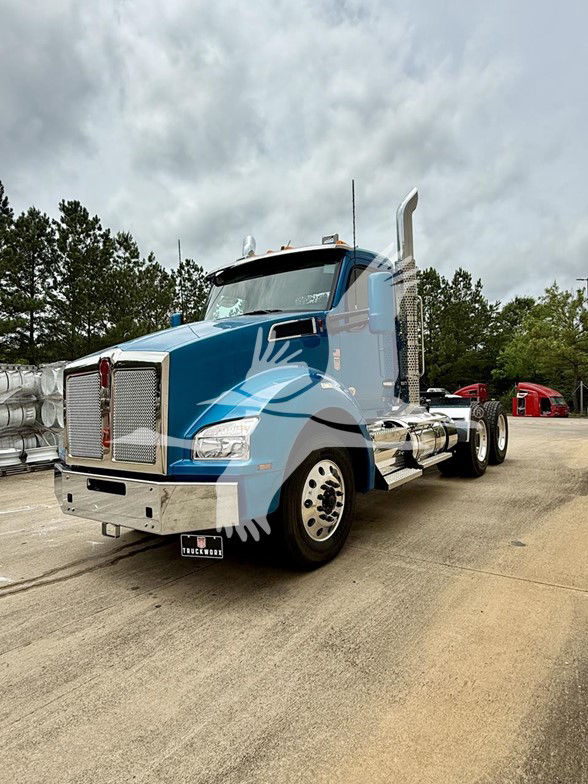
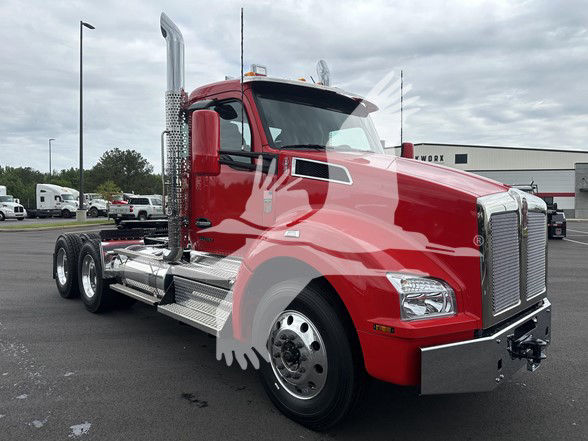
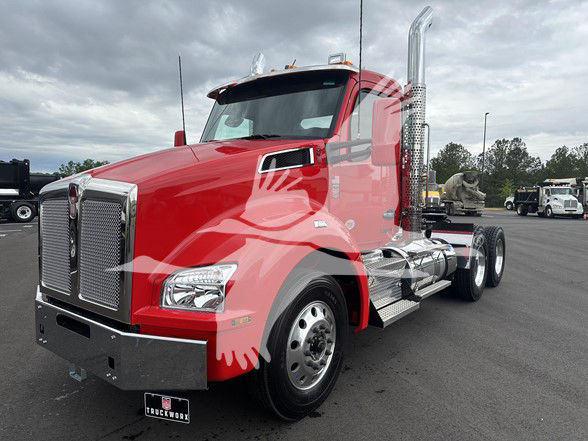
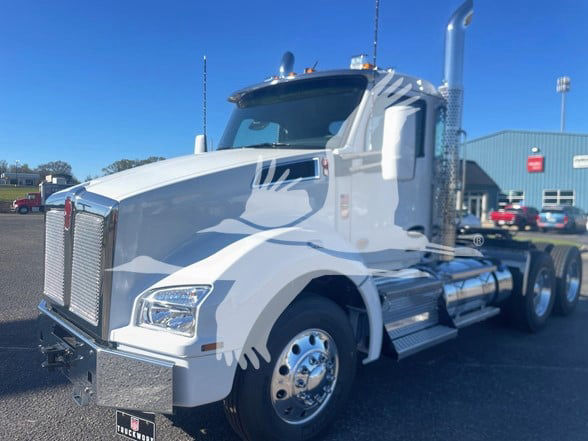
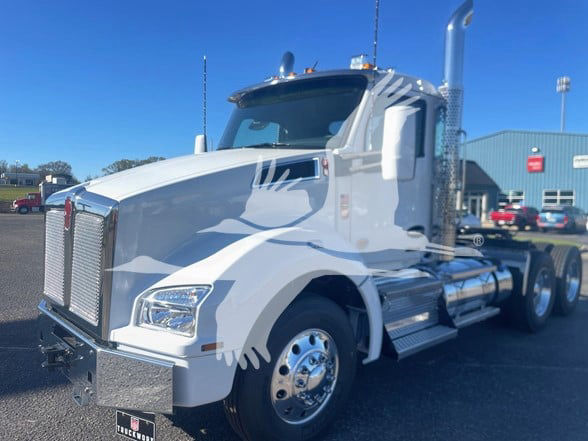
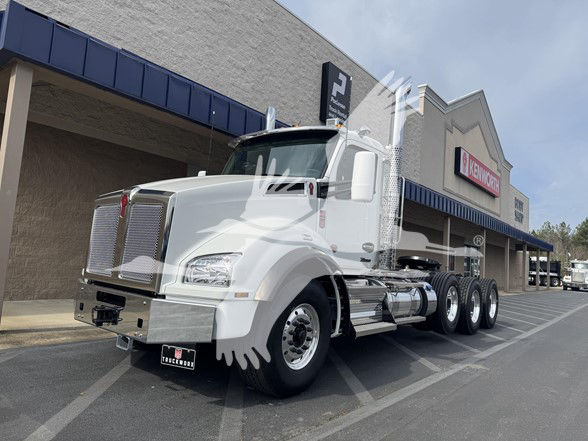
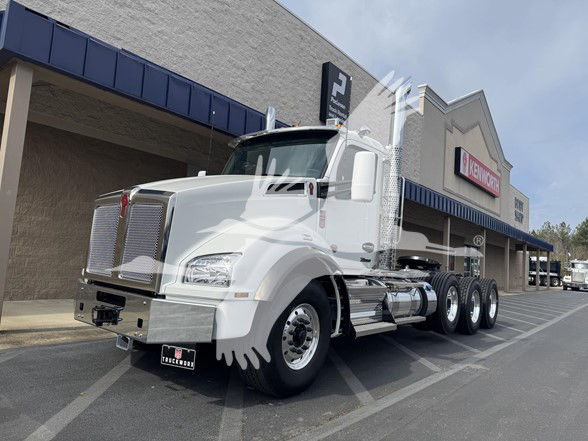
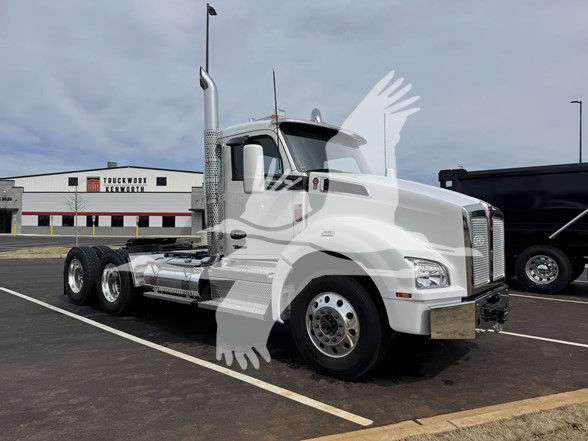
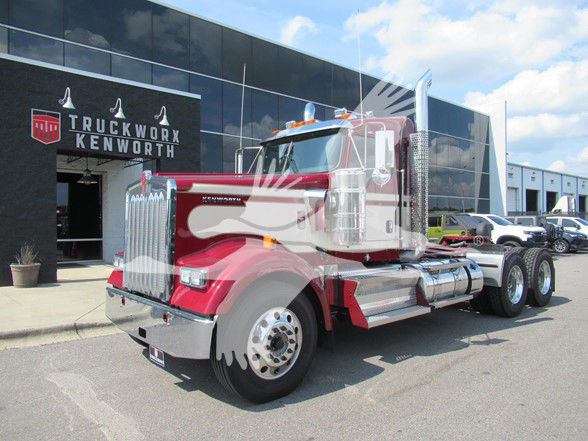
Selling a 2026 conventional daycab truck? List your 2026 conventional daycab truck for sale and reach thousands of commercial buyers.
2026 Conventional Daycab Trucks in Alabama
Wheelbase is one of the first numbers to check because it affects bridge compliance, trailer swing clearance, body fit, and turning radius. Listings in this class often fall around the 200-inch to 230-inch range, with longer wheelbases common on owner-operator style specs and heavy-haul setups. Powertrain choices matter just as much. Buyers will commonly see big-bore diesel engines such as the Cummins X15 paired with either manual transmissions or automated manuals like the Eaton Endurant. Rear suspension ratings such as AG460-style specs point to a truck intended for tougher vocational service, and they usually deserve a close look alongside front axle capacity, frame section, locking differentials, and PTO provisions.
For buyers comparing 2026 conventional daycab trucks, cab layout and chassis details are where long-term usability shows up. A set-back front axle truck generally offers a tighter turning radius and better maneuverability in urban or jobsite work. A long-hood conventional may offer a different ride feel, easier engine access, and the look many operators still prefer, but it can give up some maneuverability in tight yards. Check the frame length, fuel tank placement, fifth wheel slide, and back-of-cab clearance against the trailer or body you plan to run. If the truck will stay on Alabama highways with frequent heavy loads, cooling package size, engine brake spec, and transmission gearing deserve the same attention as horsepower.
The strongest value in this category comes from buying the spec that matches the work instead of chasing the highest engine rating on the page. A daycab built for regional freight needs different gearing, suspension, and wheelbase than one pulling construction trailers or working under severe service conditions. Buyers should compare GVWR and GCWR, axle ratings, wheelbase, transmission type, rear ratio, and intended application before narrowing down by make or styling. When those core numbers line up, a 2026 conventional daycab can be a very efficient platform for high-cycle local and regional work.
Frequently Asked Questions about 2026 Conventional Daycab Trucks in Alabama
What is a conventional daycab truck?
A conventional daycab truck is a Class 8 tractor with a hooded engine design and no sleeper compartment. It is built for local, regional, and vocational work where the driver returns daily or does not need overnight accommodations. Compared with a sleeper tractor, a daycab usually weighs less, costs less to maintain, and can offer better payload efficiency for short-haul operations.
What wheelbase is best for a conventional daycab?
The right wheelbase depends on the trailer, axle spacing requirements, and where the truck will work. Shorter wheelbases generally improve maneuverability for city, port, and jobsite use. Longer wheelbases can improve ride quality, allow different tank and toolbox layouts, and better suit certain heavy-haul or owner-operator style specs. Buyers should match wheelbase to bridge law needs, fifth wheel position, and the turning room available in their daily operation.
Are 2026 conventional daycabs better with a manual or automated manual transmission?
Neither is automatically better. A manual transmission can still appeal to buyers who want direct control in specialized applications or already run drivers comfortable with shifting. An automated manual such as an Endurant can reduce driver fatigue, help standardize operation across a fleet, and often works well in stop-and-go regional service. The better choice depends on driver pool, duty cycle, PTO needs, and maintenance support.
What specs matter most on a vocational conventional daycab?
On a vocational spec, axle ratings, suspension capacity, frame strength, PTO compatibility, and cooling capacity usually matter more than cosmetic options. Buyers should also verify differential locks, front axle set-up, brake configuration, and tire size. If the truck will pull heavy equipment trailers, dumps, or tank applications, rear ratio and transmission programming should be reviewed closely because they affect startability, grade performance, and driveline life.
Why do many buyers choose a daycab instead of a sleeper tractor?
Many buyers choose a daycab because it matches high-frequency local and regional routes without carrying the extra weight and cost of a sleeper. That can improve payload, simplify maintenance, and reduce initial purchase price. Daycabs are also easier to configure for certain vocational applications where back-of-cab space, PTO equipment, or shorter overall length is important.