
2026 Conventional Daycab Trucks For Sale in Mississippi
Shop 2026 conventional daycab trucks in Mississippi. Compare wheelbases, axles, engines, suspensions, and specs for vocational or regional hauling.
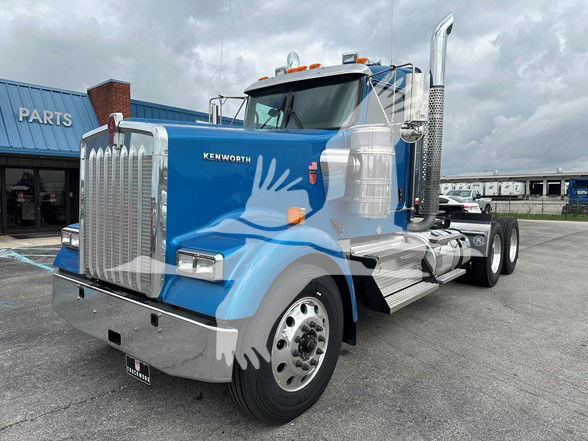
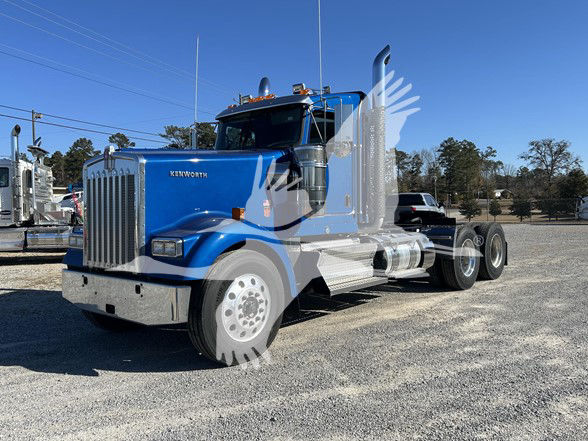
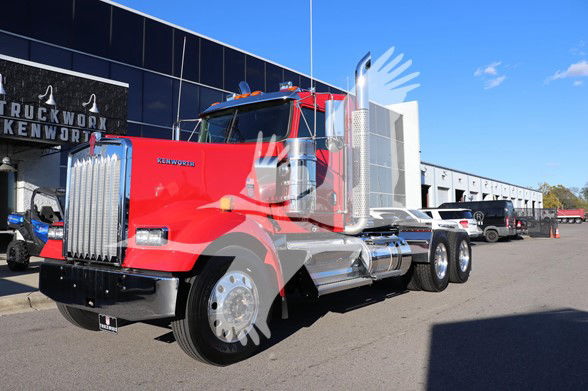
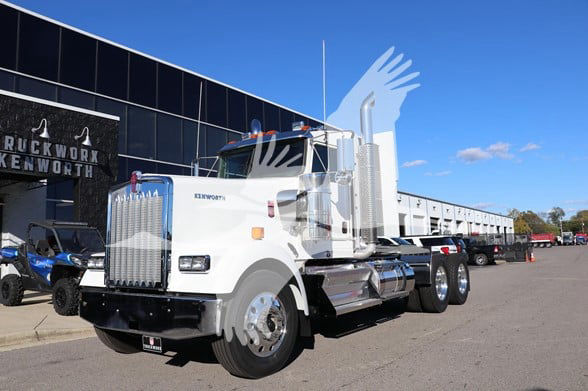
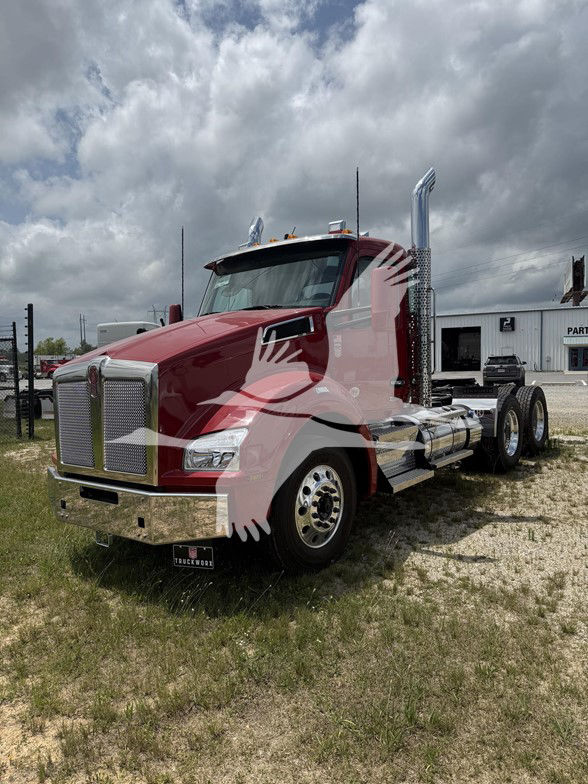
2026 Kenworth T880
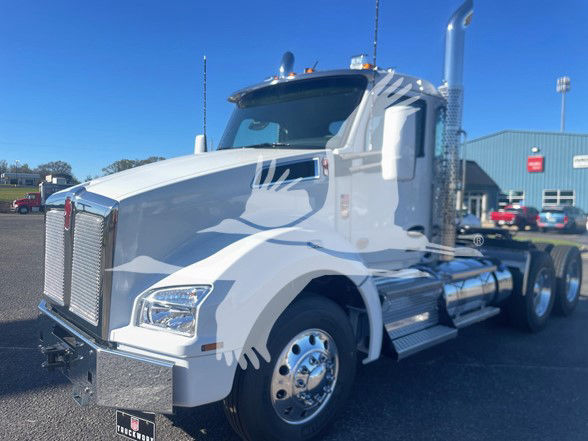
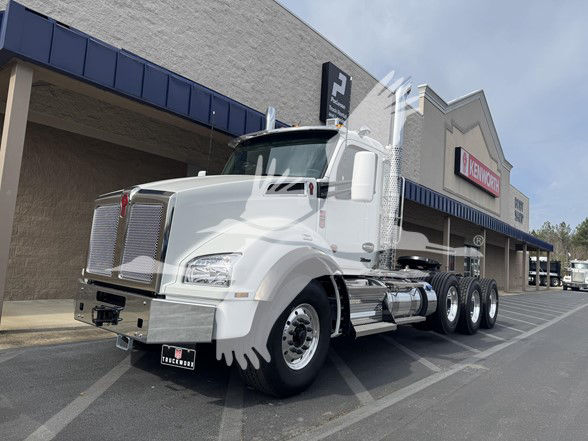
Selling a 2026 conventional daycab truck? List your 2026 conventional daycab truck for sale and reach thousands of commercial buyers.
2026 Conventional Daycab Trucks in Mississippi
The first buying decision is usually wheelbase and axle layout. Listings in this category often include long-hood models such as the Kenworth W900L and more vocationally oriented platforms such as the Kenworth T880. Wheelbase affects bridge compliance, trailer swing, deck height, ride quality, and how the truck carries a wet kit, headache rack, or lift axle. Buyers should also look closely at suspension ratings like AG460, front axle capacity, frame rail spec, and fifth wheel placement. For lowboy or heavy equipment work, a longer wheelbase and stronger suspension package can improve stability and load distribution. For tighter jobsite access or mixed on-road and off-road use, a shorter configuration may be the better fit.
Engine and transmission choices are just as important in a 2026 daycab. Cummins X15 power remains common in this class because it covers a wide range of horsepower and torque needs, from general freight to heavy vocational service. A 500 HP rating, manual 10-speed transmission, or automated manual setup can each make sense depending on the route profile and driver preference. Mississippi fleets that run mixed terrain, logging roads, oilfield access, or construction corridors often prioritize low-end torque, cooling capacity, and durability over fuel economy alone. It also pays to confirm PTO provisions, locking differentials, gear ratio, air ride versus vocational suspension, and whether the truck is set up for a lowboy, end dump, hopper, or standard van and flatbed work.
A good conventional daycab should match the trailer and the work before anything else. Hood length, turning radius, cab-to-axle measurement, and frame space all affect how easily the truck can be configured for specialized applications. Buyers comparing 2026 models should pay attention to emissions warranty coverage, driver-assist features, brake spec, and interior layout, but the core value still comes from proper chassis spec. When the wheelbase, powertrain, axle ratings, and suspension are aligned with the load, a conventional daycab delivers strong resale appeal, simpler maintenance access, and the versatility to handle demanding regional and vocational jobs.
Frequently Asked Questions about 2026 Conventional Daycab Trucks in Mississippi
What is a conventional daycab truck used for?
A conventional daycab truck is used for regional hauling and vocational work where the driver returns home or to a terminal instead of needing a sleeper. Common applications include lowboy hauling, dump and construction service, equipment transport, local flatbed work, tanker operations, and short to mid-range freight lanes. The conventional hood design gives better access to the engine and cooling system, which is one reason these trucks remain popular in demanding service.
What specs matter most when buying a 2026 conventional daycab?
The most important specs are wheelbase, front axle rating, rear suspension rating, engine torque, transmission type, rear axle ratio, and fifth wheel location. Those items determine how the truck handles trailer length, payload, bridge laws, PTO needs, and jobsite conditions. Buyers should also verify frame reinforcement, brake package, differential lock options, and cab-to-axle dimensions because those details often matter more than brand alone.
Is a long-hood daycab better than a shorter vocational-style daycab?
A long-hood daycab can be a strong choice for owner-operators and heavy haul applications because it often allows larger wheelbase configurations, more frame space, and a traditional ride and appearance many drivers prefer. A shorter vocational-style daycab is usually easier to maneuver in tight areas and is often better suited for construction, municipal, and mixed-surface work. The better truck is the one whose chassis layout matches the trailer, load, and route.
Are manual transmissions still common in conventional daycab trucks?
Manual transmissions are still found in this category, especially in heavy haul, vocational, and owner-operator specs where drivers want direct control over gear selection. Automated manual transmissions are also common because they reduce driver fatigue and can improve shift consistency. The right choice depends on the experience of the driver pool, start-and-stop frequency, terrain, and how much weight the truck is expected to pull.
Why are conventional daycab trucks popular in Mississippi?
Conventional daycab trucks fit Mississippi operations well because many fleets run regional routes tied to construction, agriculture, timber, equipment movement, and port-related freight. These jobs often require a durable chassis, strong cooling performance, and enough axle and suspension capacity for heavier trailers and rougher access roads. A daycab also avoids the extra weight and cost of a sleeper when overnight lodging is not part of the operation.