
2026 Conventional Daycab Trucks For Sale in Texas
Shop 2026 conventional daycab trucks in Texas. Compare specs, axle ratings, wheelbases, engines, PTO options, and regional hauling setups.
Selling a 2026 conventional daycab truck? List your 2026 conventional daycab truck for sale and reach thousands of commercial buyers.
2026 Conventional Daycab Trucks in Texas
The spec decisions that matter most start with engine rating, transmission, wheelbase, and rear axle ratio. Many buyers shop in the 400 to 455 horsepower range for general freight, while more demanding applications such as end dumps, tank, or heavier regional loads may call for bigger displacement engines, deeper ratios, and full locking differentials. Automated manual transmissions are now common in this class because they help with fuel economy, driver consistency, and clutch life, but some vocational or severe-service users still prefer a manual depending on terrain and duty cycle. Wheelbase affects trailer swing clearance, bridge law flexibility, and how the truck handles tight yards versus open highway miles. A short wheelbase improves maneuverability, while a longer wheelbase can help with ride quality, fuel capacity, and certain trailer setups.
Axle ratings and chassis details should match the work, not just the price tag. Typical specs in this category include front axles around 12,000 to 13,200 pounds and tandem rears around 40,000 pounds, though heavier vocational combinations are common. Buyers should pay close attention to frame section, suspension type, fifth wheel style, and PTO provision if hydraulic equipment is part of the plan. Air-slide fifth wheels add flexibility across trailer lengths and kingpin settings. Disc brakes, collision mitigation systems, adaptive cruise, and updated driver-assist features are increasingly common on newer daycabs and can improve both safety and driver retention. Fuel tank capacity also matters in Texas, where route lengths can vary widely between metro, oilfield, industrial, and border freight lanes.
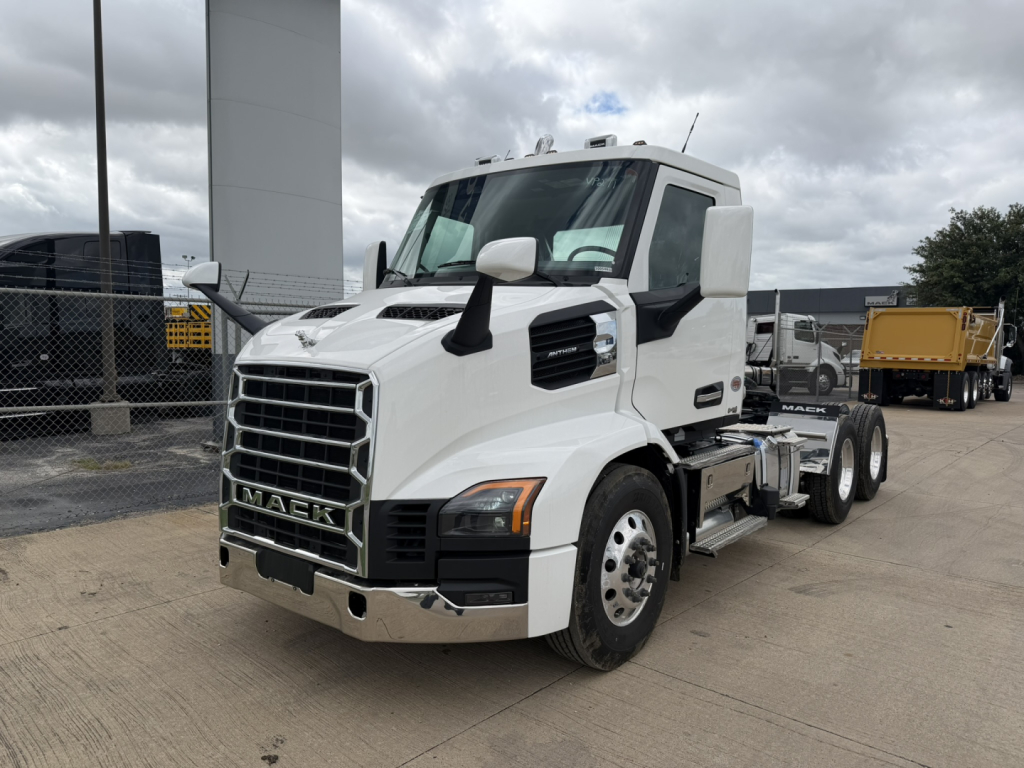
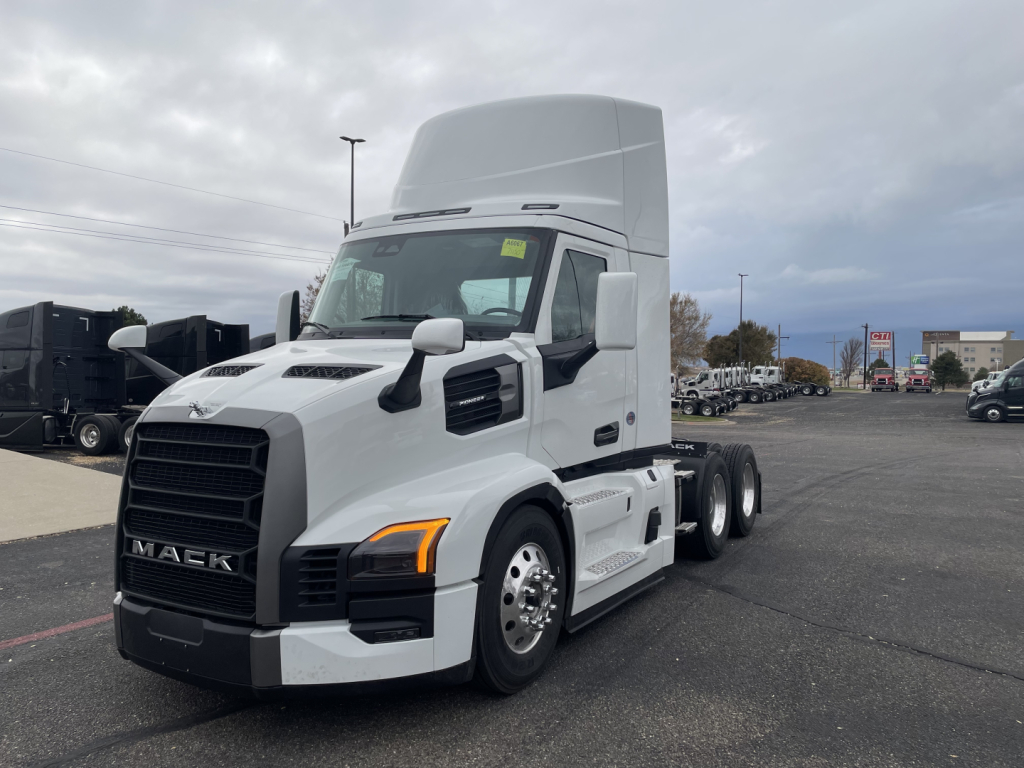
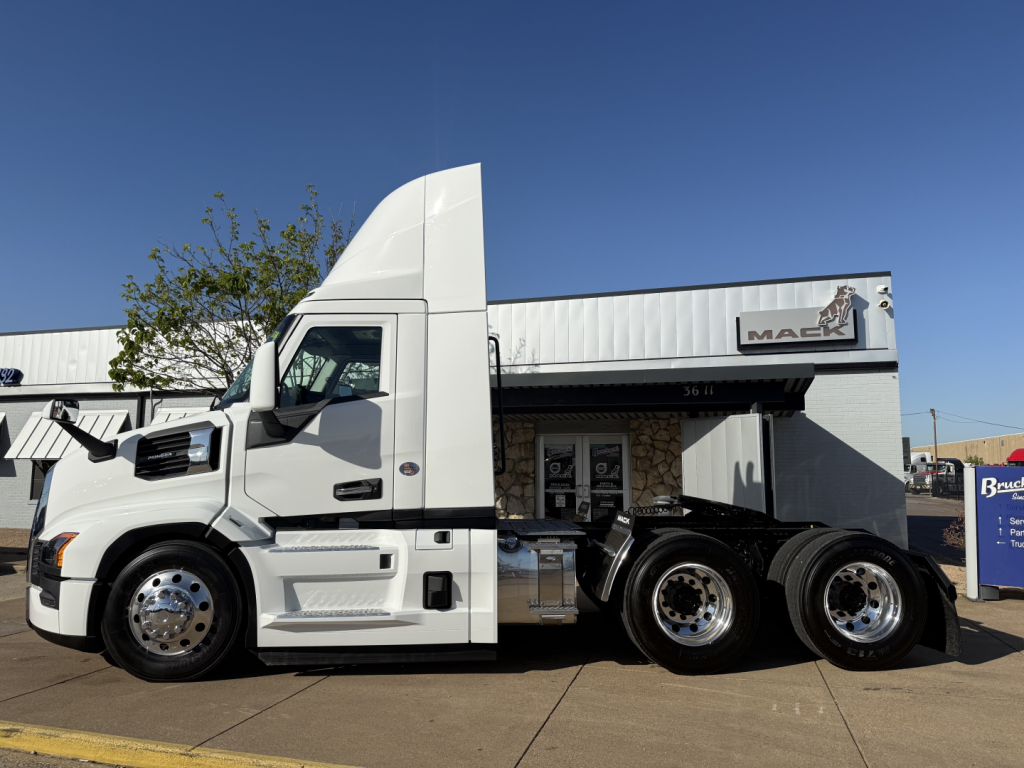
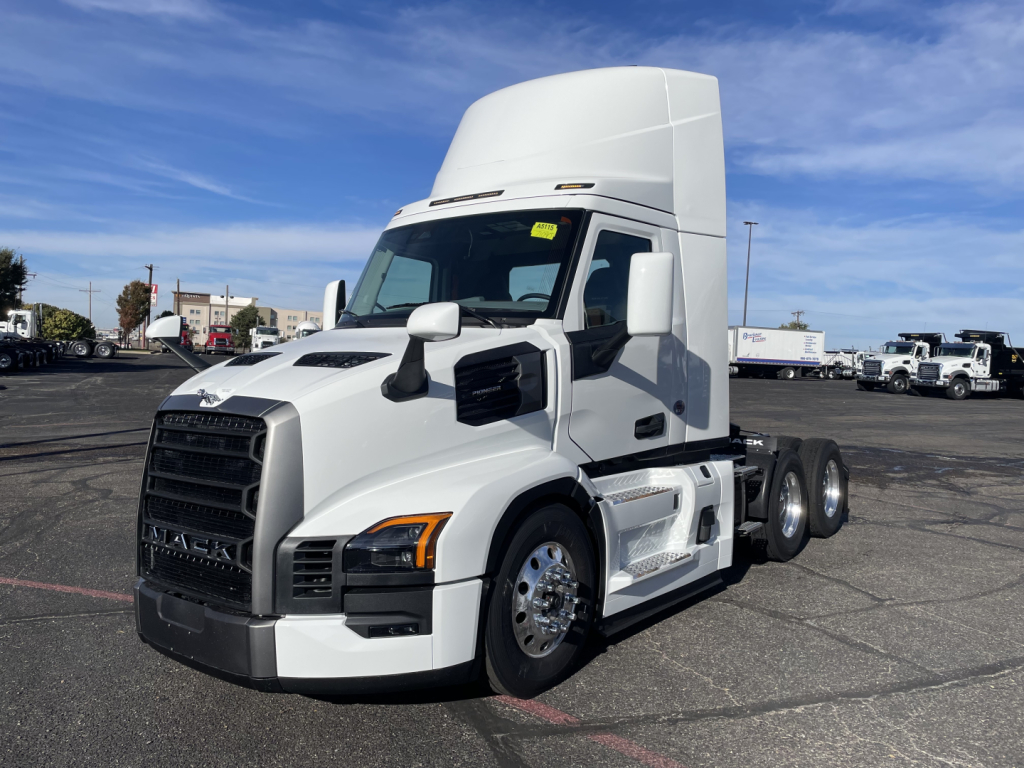
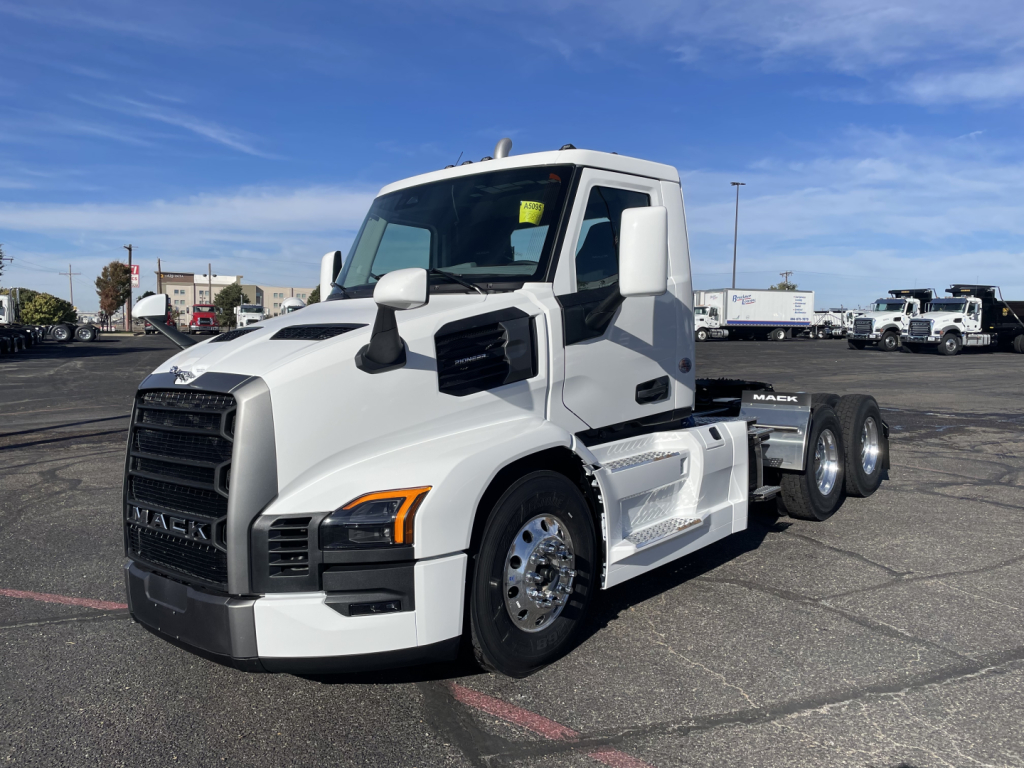
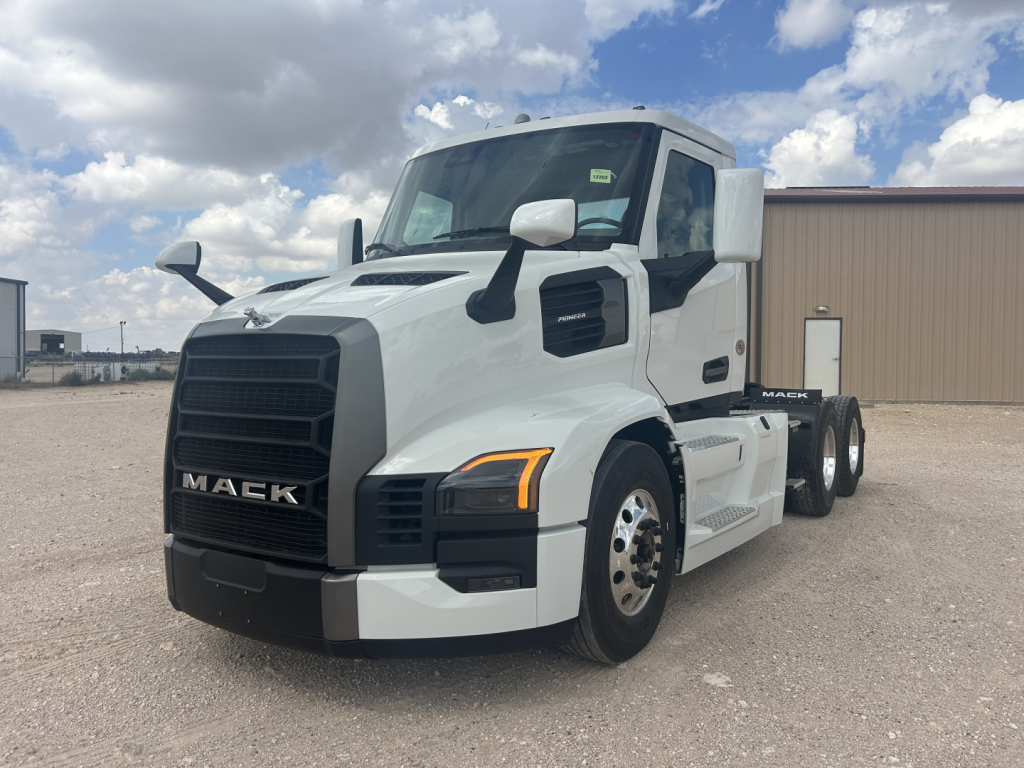
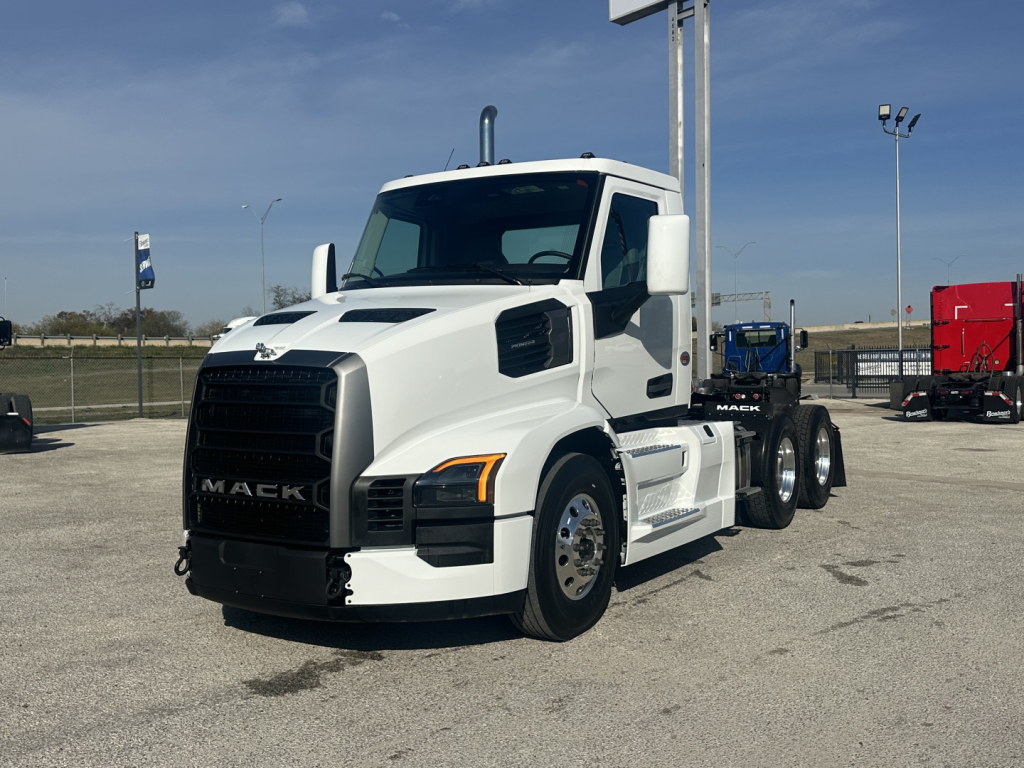
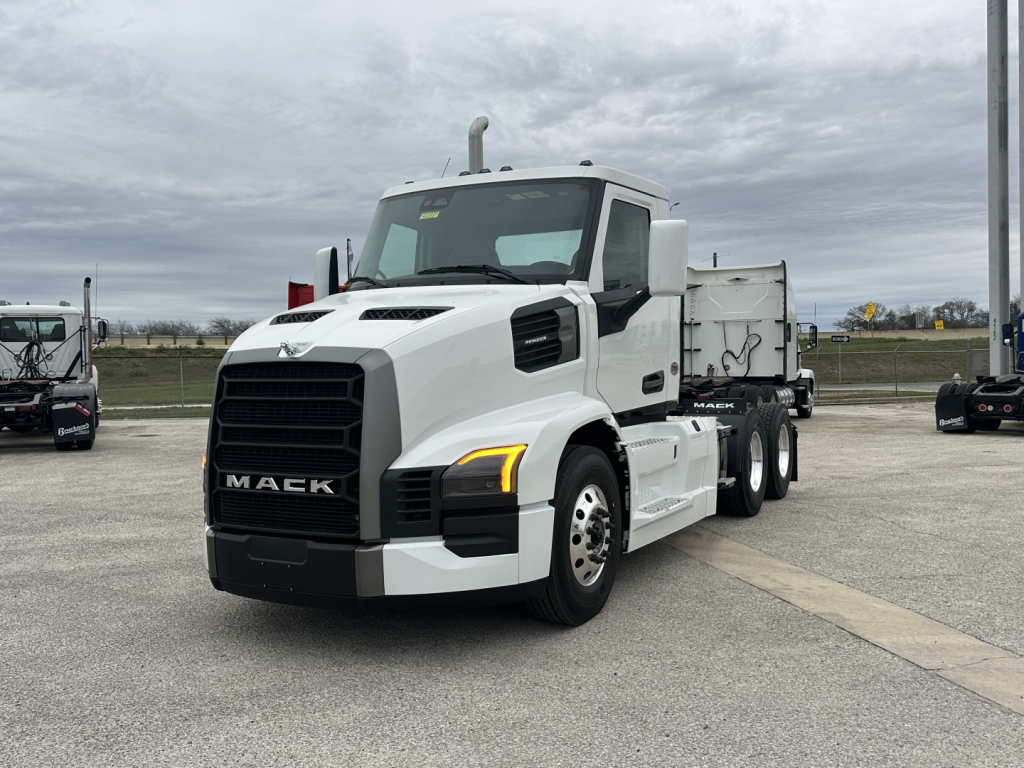
A good 2026 daycab should be evaluated as a total operating package: engine family, emissions coverage, transmission calibration, brake spec, tire size, and intended trailer type all need to work together. For fleets, standardization can simplify maintenance and training. For owner-operators, the priority is often a truck that can cover regional miles efficiently while still handling occasional heavier assignments. Mack Anthem and Mack Pinnacle daycab configurations are common examples in this class, but the same buying logic applies across the category. The right conventional daycab truck should fit the lane, the load, and the shop that will maintain it.
Frequently Asked Questions about 2026 Conventional Daycab Trucks in Texas
What is a conventional daycab truck used for?
A conventional daycab truck is used for freight operations that return the driver home daily or do not require sleeper space. Common applications include regional van and reefer hauling, drayage, tanker work, flatbed, bulk commodity hauling, dump and end dump service, and dedicated local routes. The daycab layout reduces weight and overall length compared with a sleeper tractor, which can improve maneuverability and payload potential in the right application.
What specs matter most when buying a 2026 conventional daycab in Texas?
The most important specs are engine horsepower and torque, transmission type, rear axle ratio, wheelbase, axle ratings, fuel capacity, and fifth wheel configuration. Texas buyers should also consider cooling performance for high heat, gearing for mixed highway and vocational use, and PTO readiness if hydraulic trailers or auxiliary equipment are involved. Matching the truck to trailer type and average payload is more important than simply choosing the highest horsepower available.
Is an automated manual transmission a good choice in a daycab truck?
For most fleets and many owner-operators, an automated manual transmission is a strong choice because it improves shift consistency, reduces driver fatigue, and can support better fuel economy. It also helps lower clutch-related wear in stop-and-go service. Manual transmissions still have a place in certain severe-duty or highly specialized operations, but AMTs now dominate many regional and local daycab specs because they perform well across a wide range of applications.
How do I choose the right wheelbase for a conventional daycab?
Wheelbase should be selected based on trailer length, kingpin setting, required bridge compliance, fuel tank size, and how tight the operating environment is. Shorter wheelbases are easier to maneuver in yards, cities, and job sites. Longer wheelbases can improve ride quality, allow larger fuel tanks, and better suit some trailer combinations. The correct setup is the one that gives enough clearance and legal flexibility without adding unnecessary length or weight.
Are newer safety features worth paying for on a daycab tractor?
In many operations, yes. Collision mitigation, adaptive cruise control, lane departure alerts, and disc brakes can reduce accident exposure and improve driver confidence. These features may also help with insurance, uptime, and driver retention, especially in high-mile regional service. The value depends on route profile and fleet policy, but on a newer conventional daycab they are increasingly part of a practical operating spec, not just a premium add-on.