
2026 Conventional Daycab Trucks For Sale in Arkansas
Shop 2026 conventional daycab trucks in Arkansas. Compare wheelbase, axle ratings, engine power, gearing, and lightweight spec options.
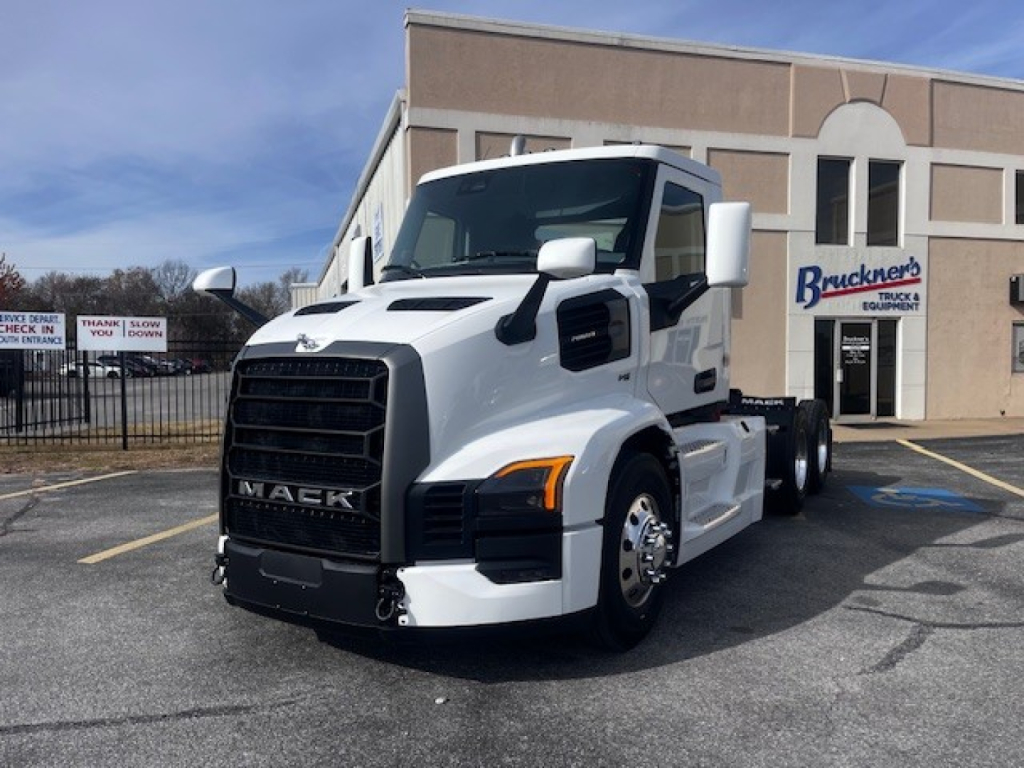
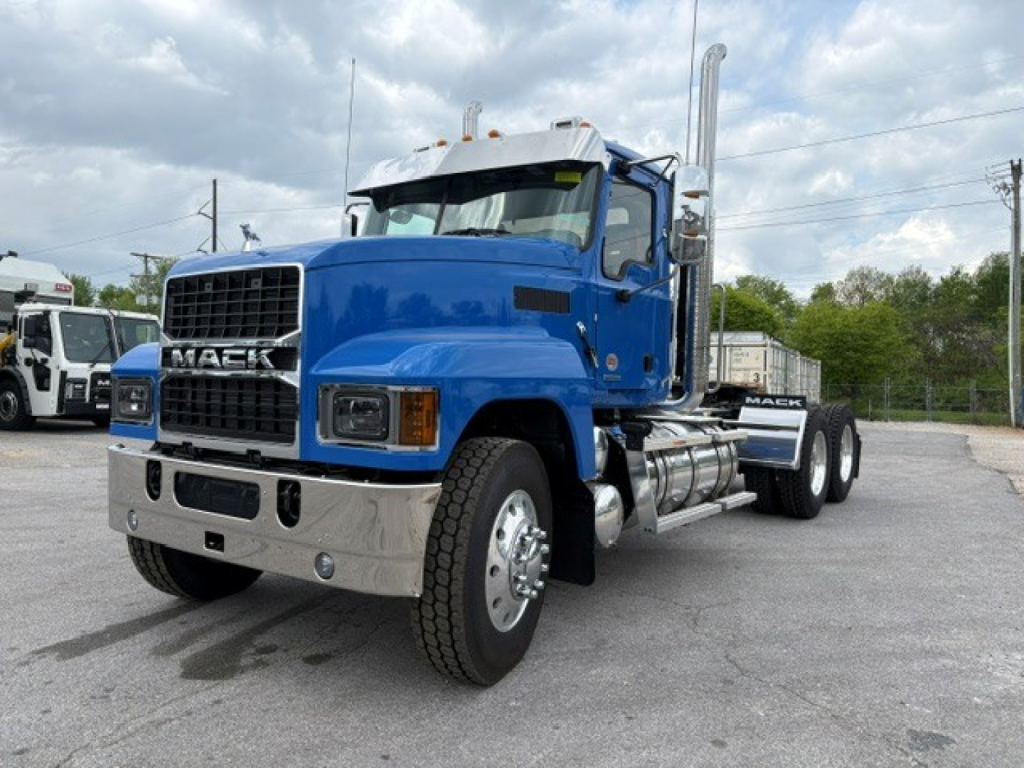
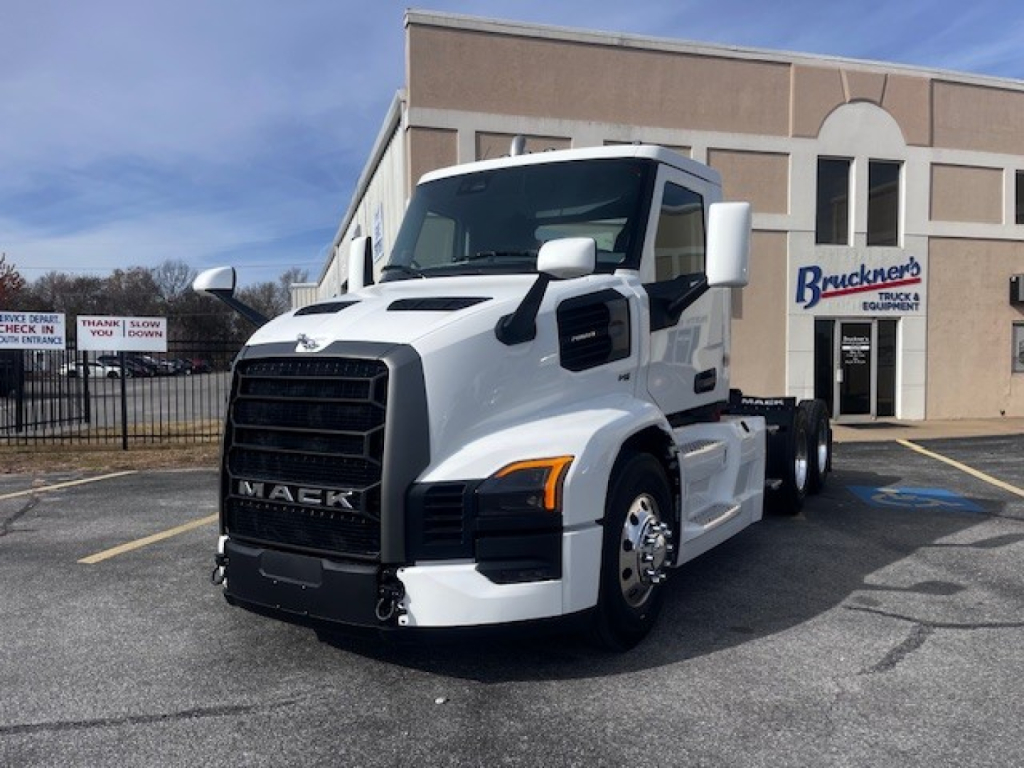
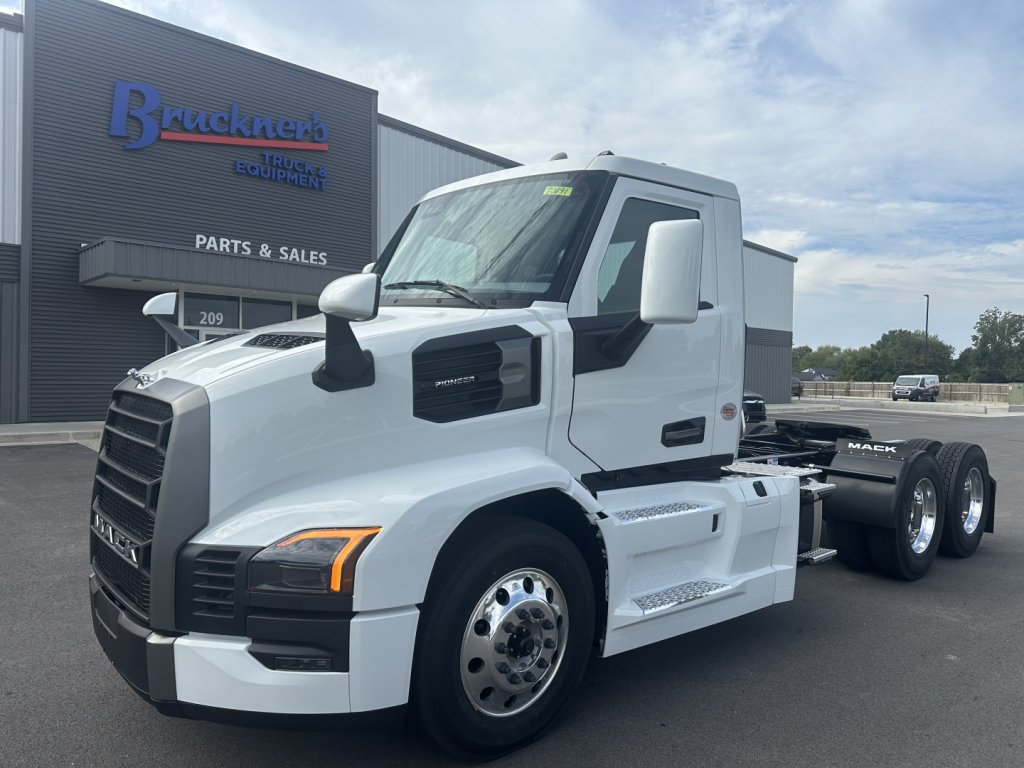
Selling a 2026 conventional daycab truck? List your 2026 conventional daycab truck for sale and reach thousands of commercial buyers.
2026 Conventional Daycab Trucks in Arkansas
Powertrain choice matters because daycabs are often expected to do more than one job. A lightweight fleet tractor may prioritize fuel mileage with a downsped engine, automated manual transmission, and taller rear ratio such as 3.08 or 3.25. A heavier regional or vocational daycab may lean toward more aggressive gearing, higher steer axle capacity, and frame space for PTO-driven equipment. Current conventional daycabs commonly use 12-speed automated manuals, air ride suspensions, and disc brakes, with horsepower ratings in the mid-400 range and torque around 1,850 lb-ft for linehaul and mixed-duty use. Buyers comparing listings should also pay attention to tare weight, fifth wheel type, tire size, and whether the truck is spec'd as a pure highway tractor or as a platform that can support hydraulic systems, bulk hauling, or specialized trailer work.
Cab configuration is simple, but the details still matter. A well-spec'd conventional daycab should give the driver enough interior room, visibility, and storage for repeated daily turns without carrying the extra weight and cost of a sleeper. In Arkansas, where routes can mix interstate miles with tighter customer yards, the balance between a short wheelbase and stable trailer tracking is important. A longer wheelbase can improve ride quality and allow more back-of-cab equipment, while a shorter setup usually helps in urban or plant environments. Air slide fifth wheels, aluminum components, dual exhaust, and all-disc brake setups are common features buyers look for when uptime, service access, and resale are part of the equation.
The best 2026 conventional daycab trucks are the ones matched closely to the work. For van and reefer lanes, fuel-efficient highway specs usually make the most sense. For dump, tank, pneumatic, or equipment-related service, buyers should verify frame layout, PTO readiness, and clearance for accessories before choosing on price alone. Looking at engine family, transmission type, rear ratio, wheelbase, suspension, and brake package together gives a clearer picture of how the truck will perform day after day than horsepower alone. Also known as a day cab tractor, this category remains one of the most versatile choices in the Class 8 market.
Frequently Asked Questions about 2026 Conventional Daycab Trucks in Arkansas
What is a conventional daycab truck used for?
A conventional daycab truck is typically used for regional freight, local and dedicated routes, drayage, shuttle work, and vocational tractor applications that return the driver home daily. It uses a standard hooded tractor layout without a sleeper, which reduces overall weight and keeps the chassis simpler for operations that do not need overnight accommodations.
What specs matter most when buying a 2026 day cab tractor?
The most important specs are usually wheelbase, front and rear axle ratings, engine horsepower and torque, transmission type, rear axle ratio, suspension, and brake package. Those items determine payload capability, trailer compatibility, maneuverability, fuel economy, and how well the truck fits the intended route. Buyers should also review tare weight, fifth wheel setup, and available frame space if the truck may need hydraulics or other mounted equipment.
Is an automated manual transmission a good choice in a conventional daycab?
For many fleets, an automated manual is a strong choice because it can improve driver consistency, reduce clutch wear, and help with fuel economy on regional and highway routes. It is especially common in newer daycab specs. The best fit still depends on duty cycle, terrain, and driver preference, so buyers should compare transmission programming, PTO requirements, and service support before deciding.
How do I choose the right wheelbase for a daycab truck?
A shorter wheelbase generally helps with maneuverability in tight yards, city streets, and customer docks. A longer wheelbase can improve ride quality, trailer tracking, and provide room for accessories such as wet kits, pumps, or headache racks. The correct choice depends on trailer length, kingpin setting, axle spacing requirements, and whether the truck will stay in highway service or handle more specialized work.
Are daycab trucks a good fit for Arkansas operations?
Daycab trucks are a practical fit for many Arkansas fleets because they work well on a mix of interstate lanes, regional routes, plant traffic, and local delivery patterns. They are especially useful when freight moves in daily turns and sleeper space adds unnecessary cost and weight. Buyers running mixed routes should pay close attention to gearing, axle ratings, and wheelbase so the truck can handle both highway miles and tighter customer locations.