
2027 Conventional Daycab Trucks For Sale
Shop 2027 conventional daycab trucks with modern powertrains, axle specs, and wheelbase options for regional haul, port, and local fleet work.
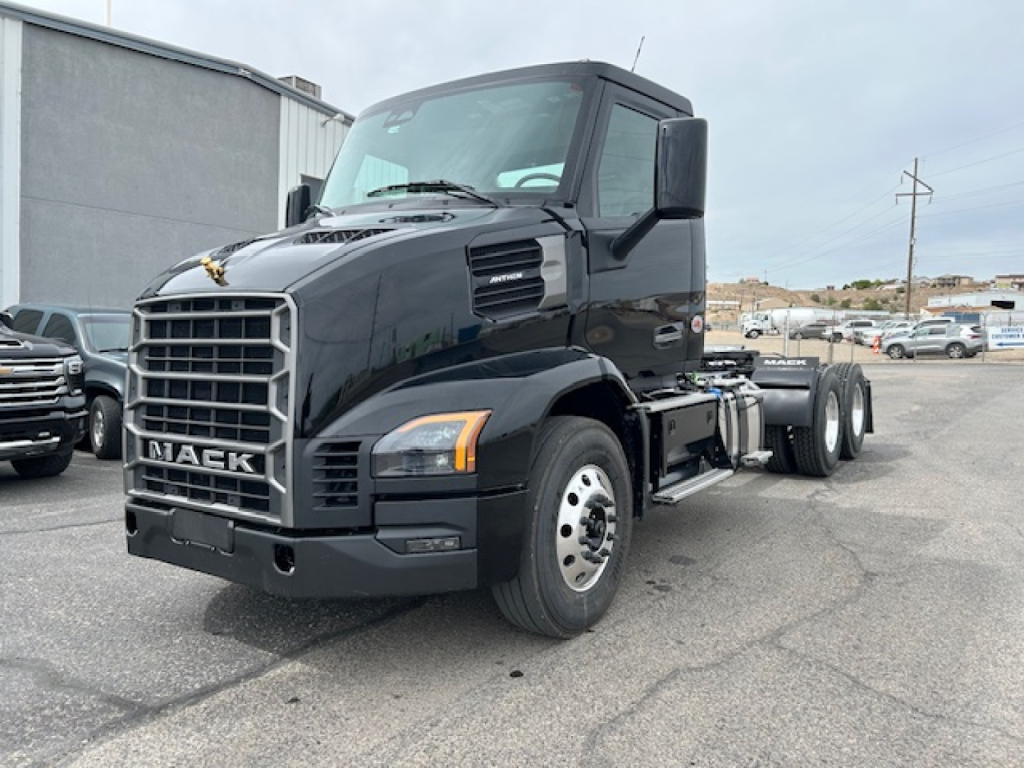
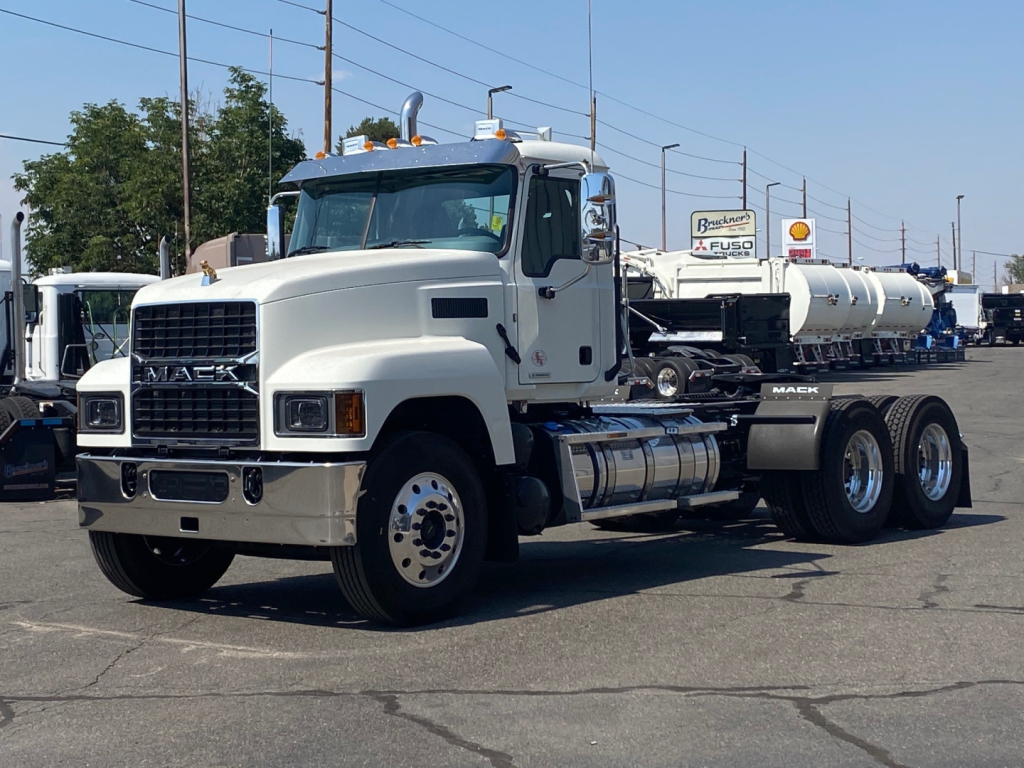
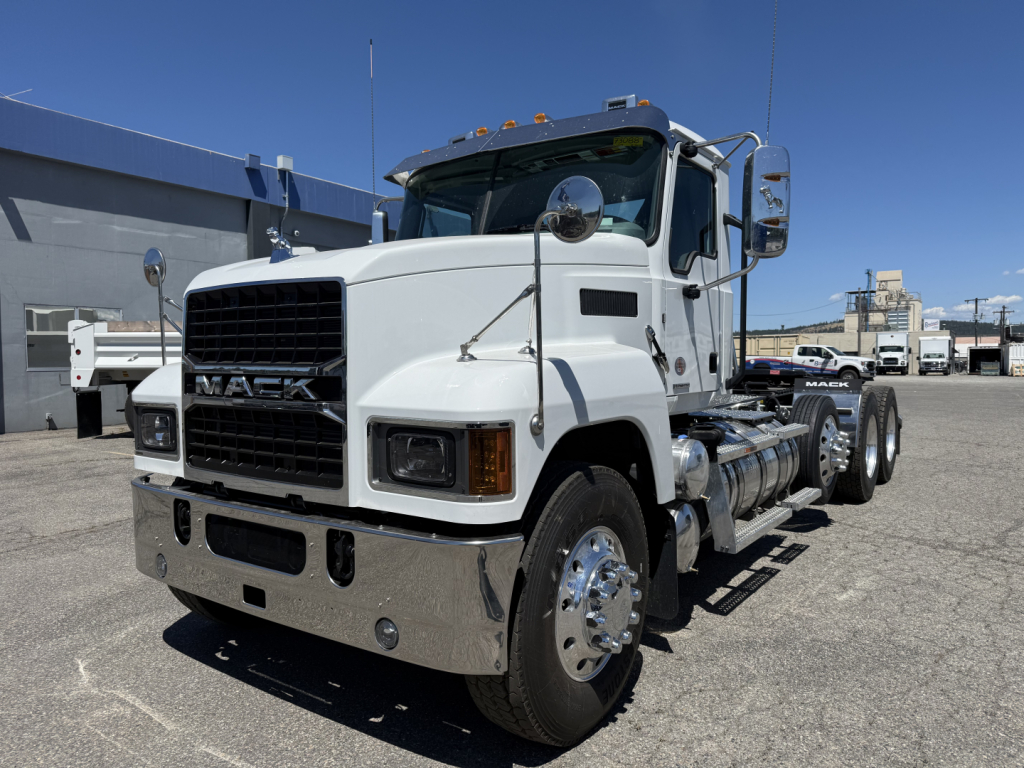
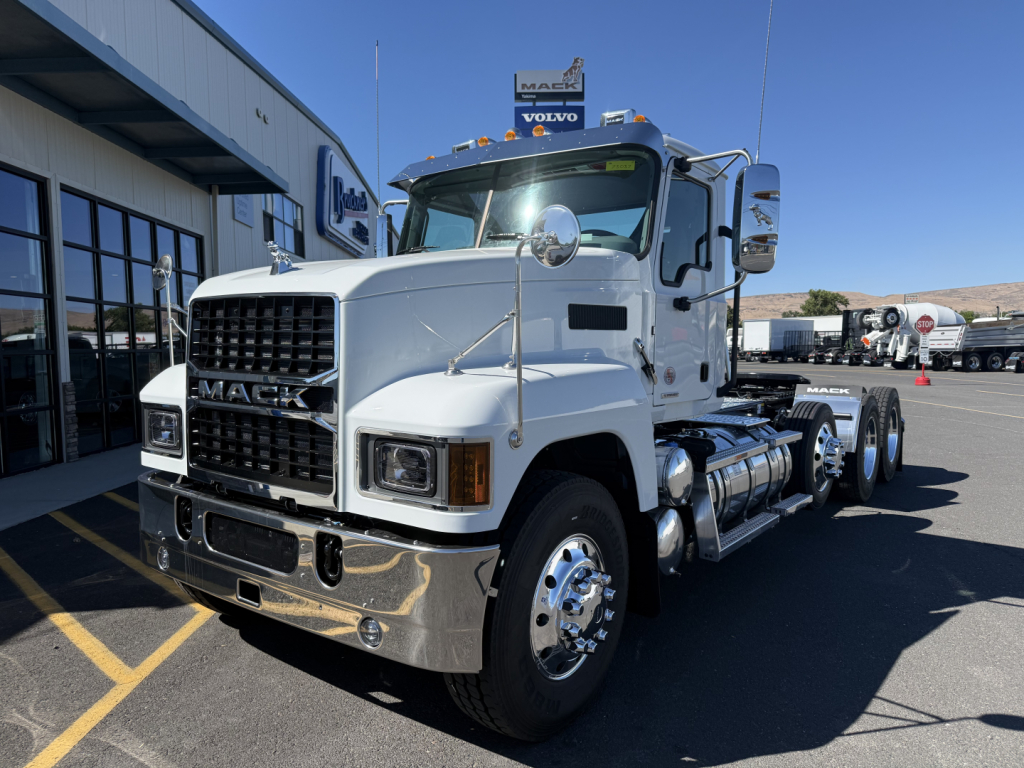
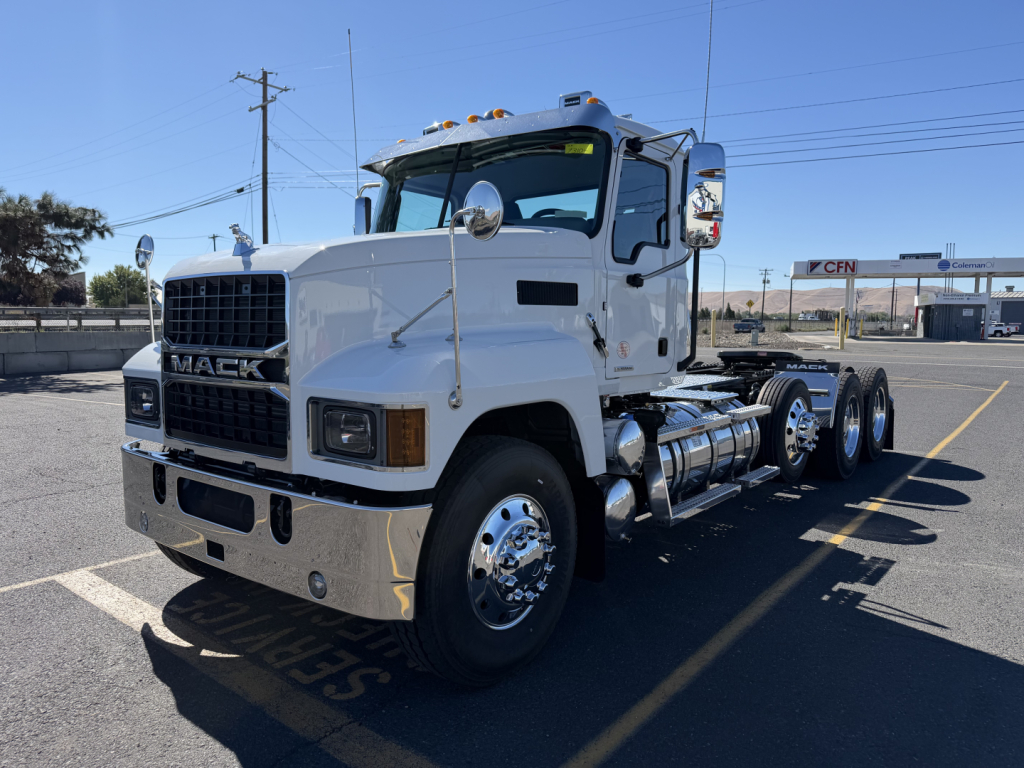
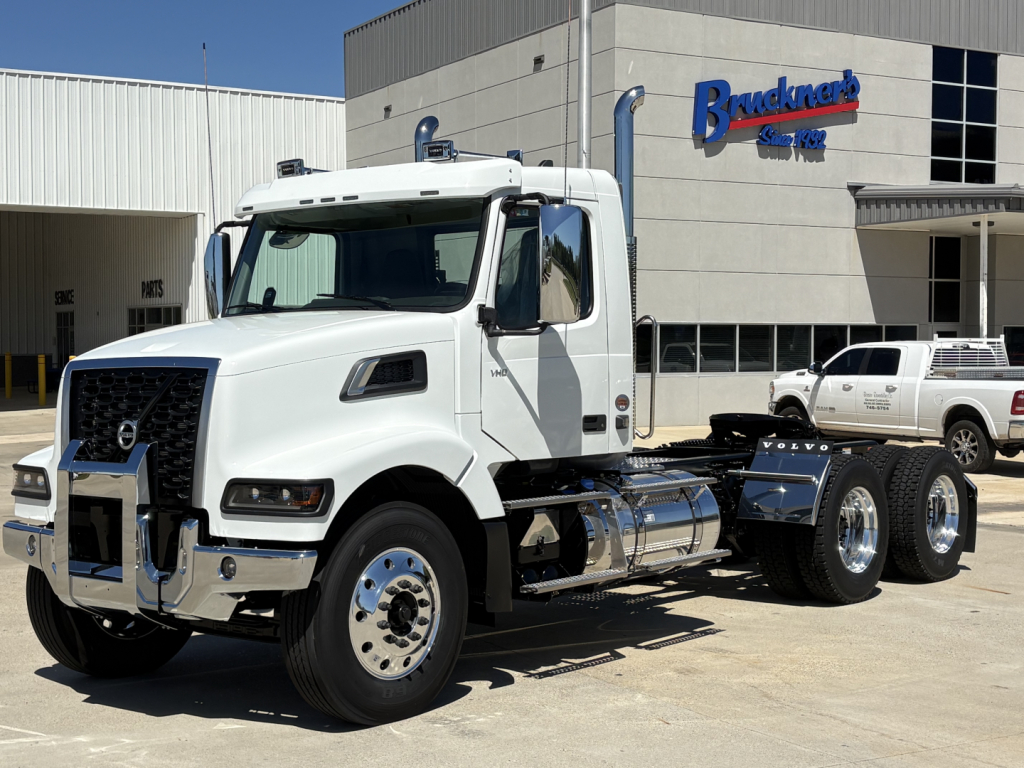
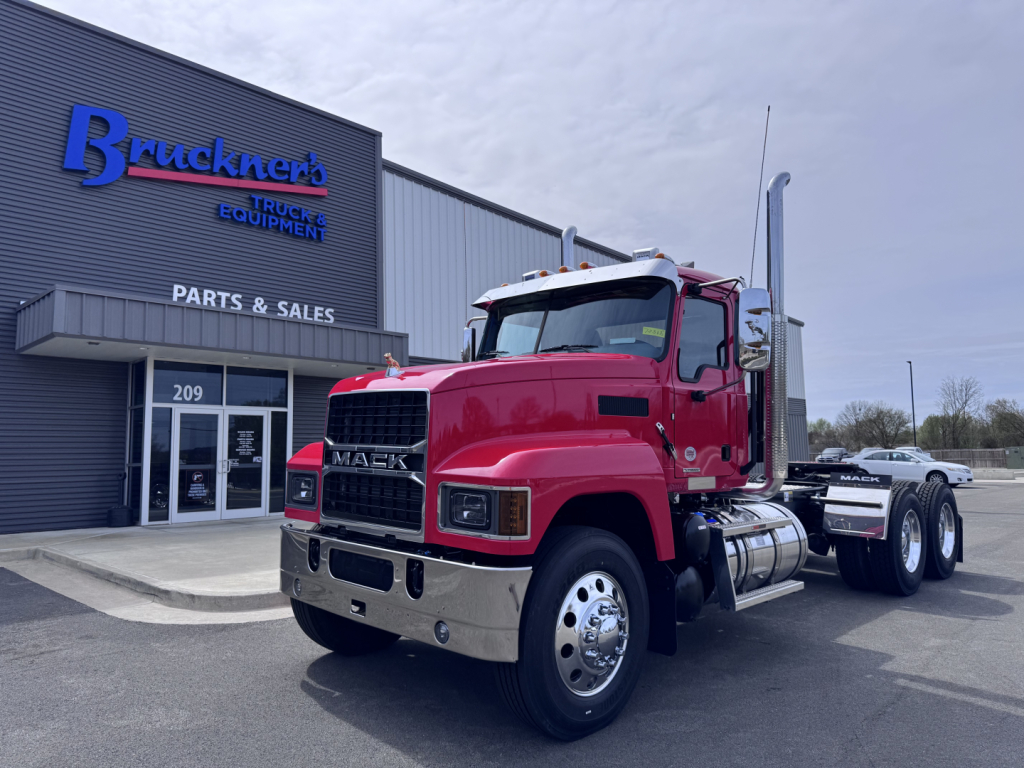
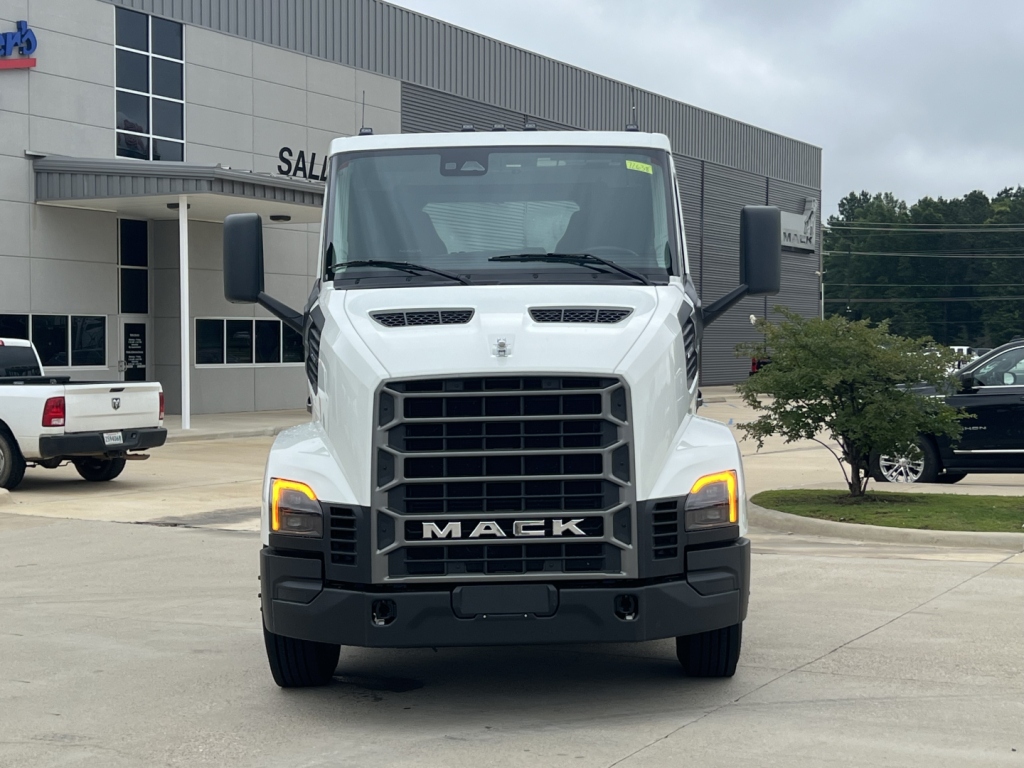
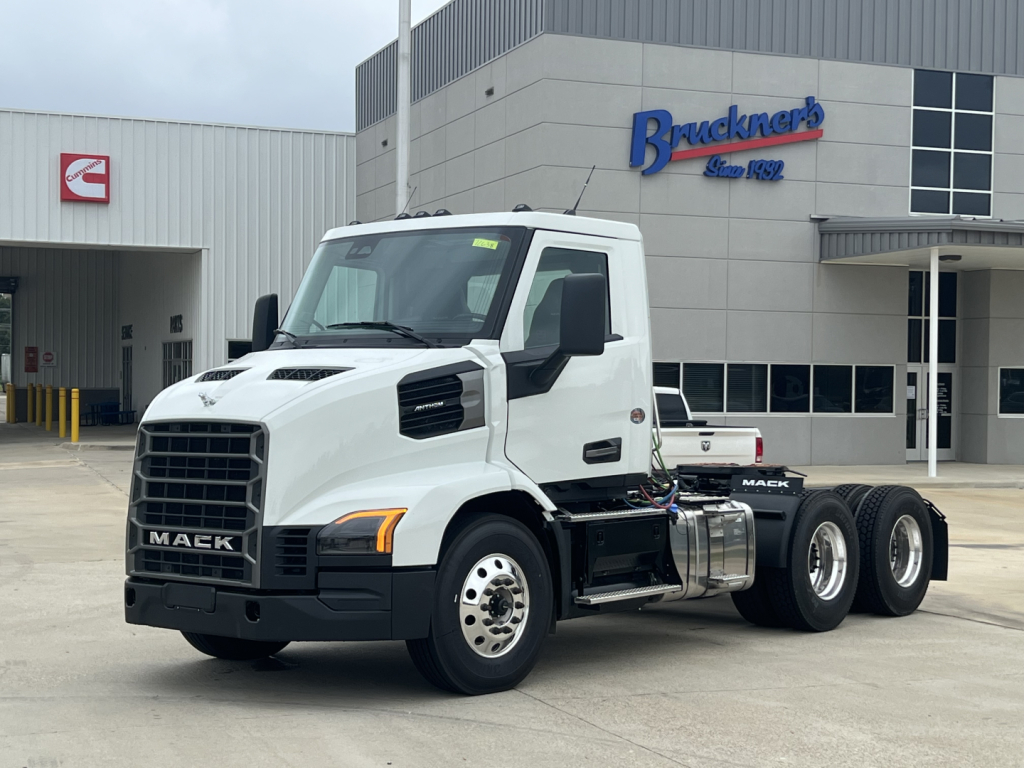
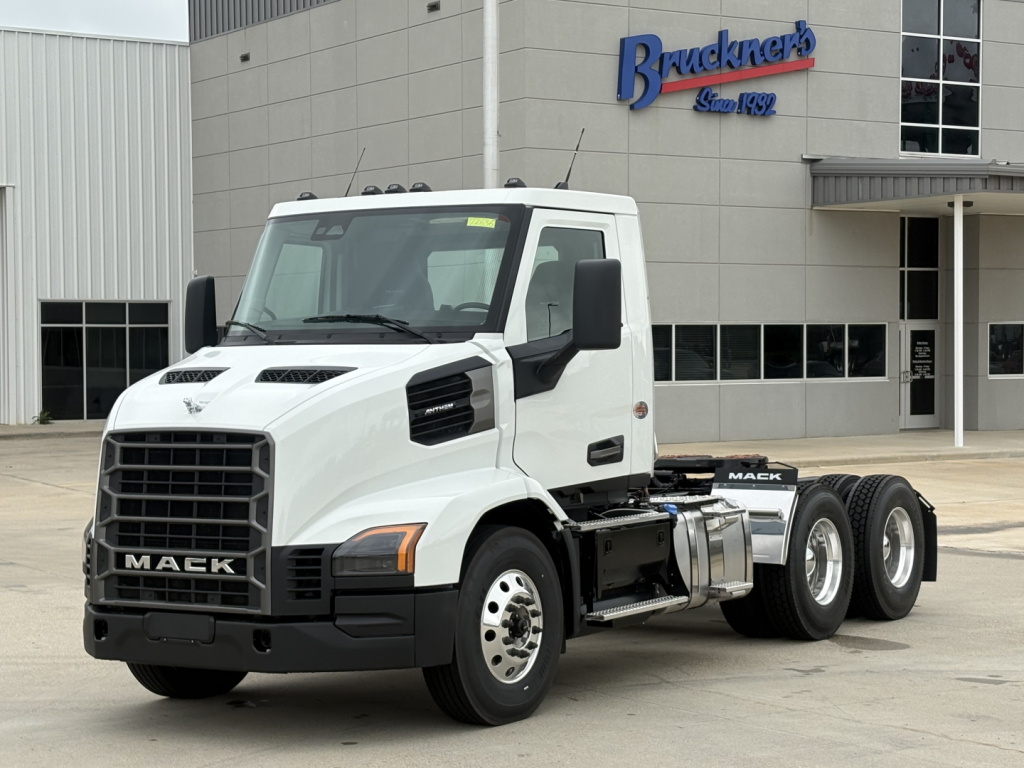
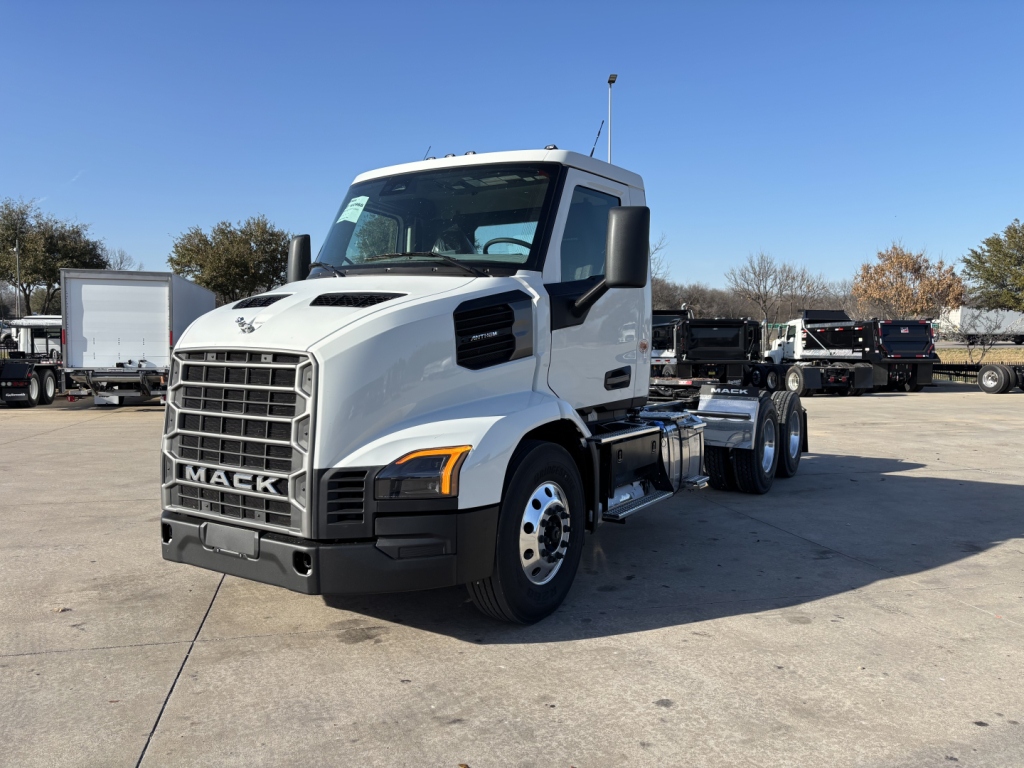
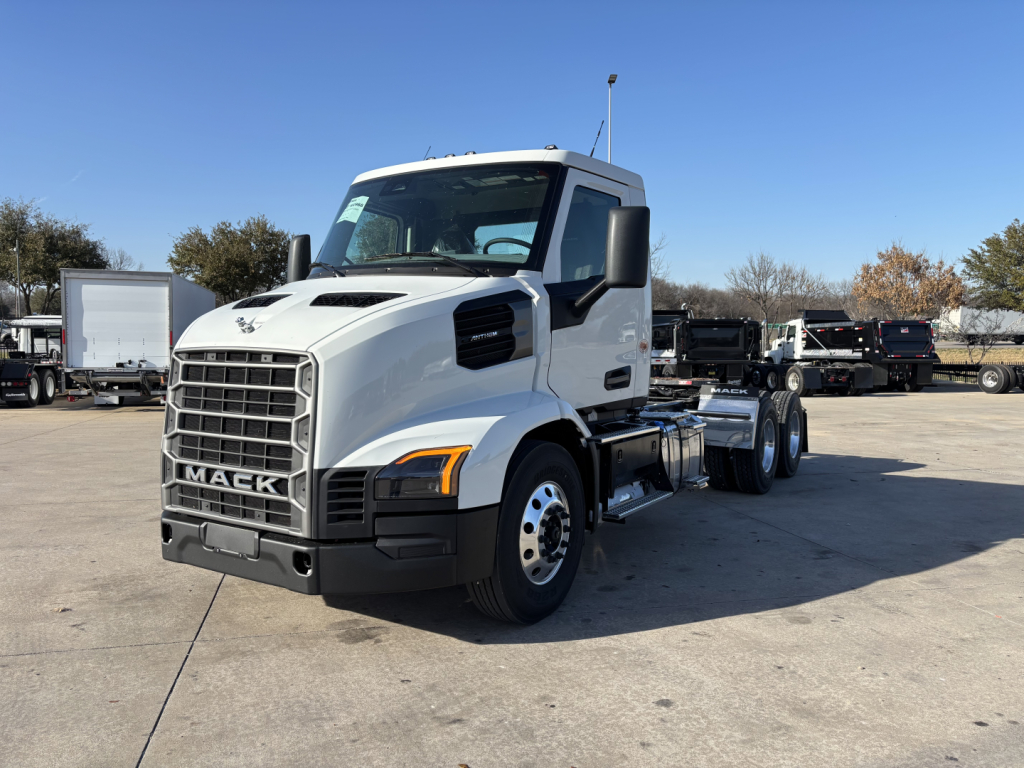
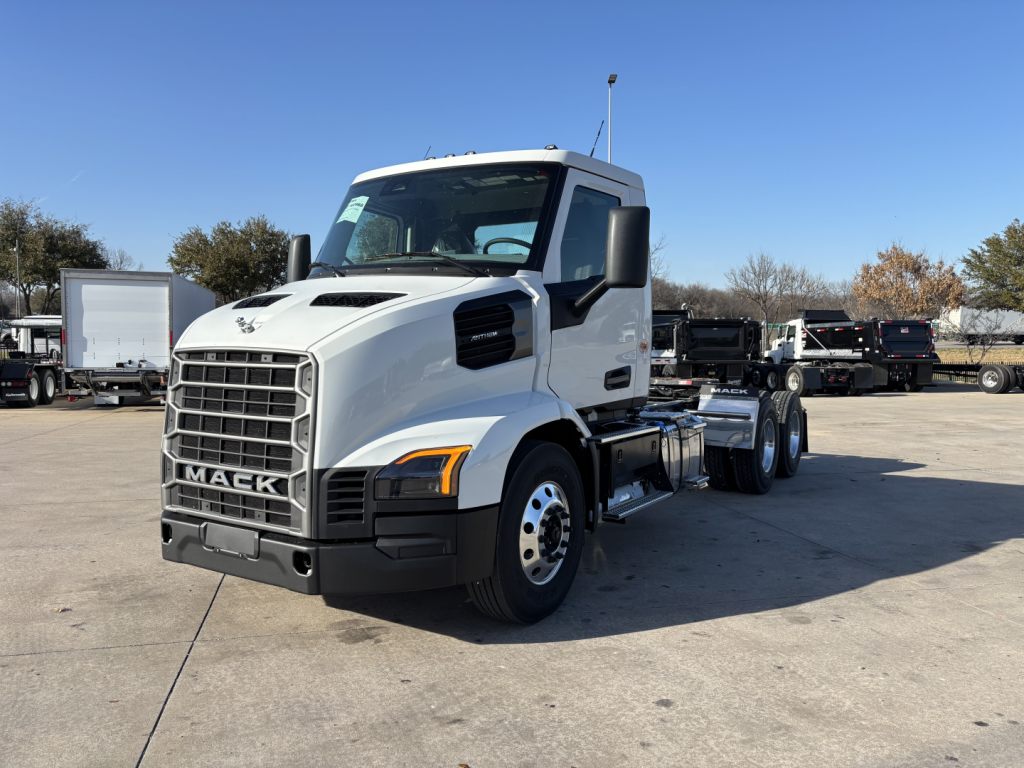
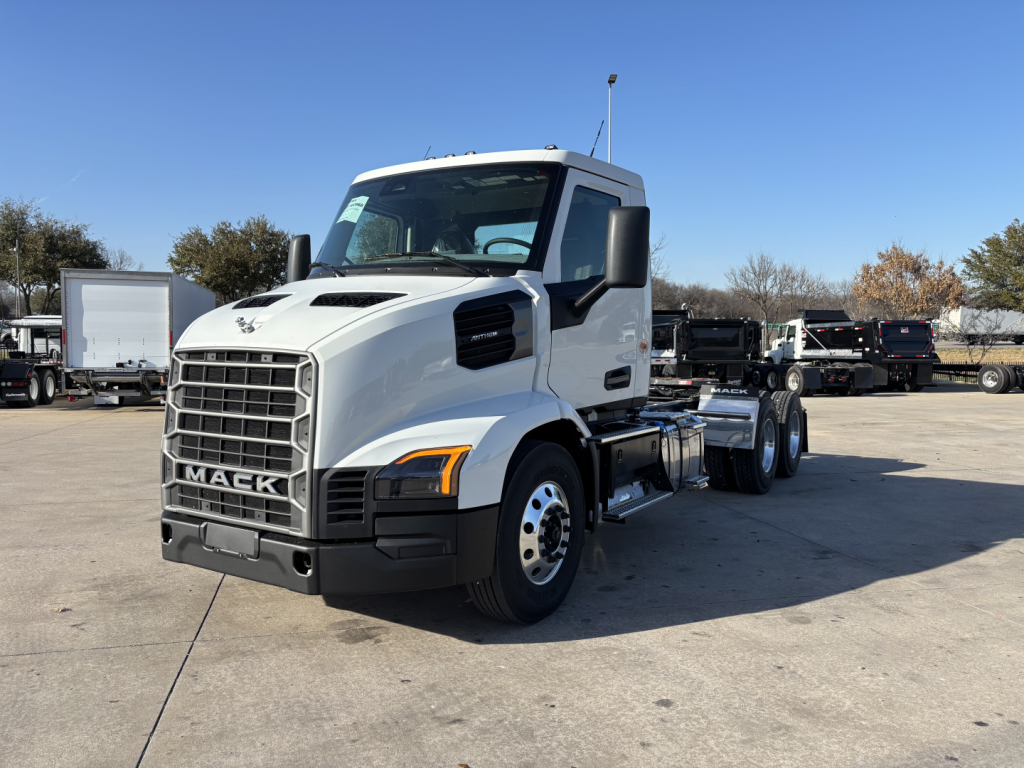
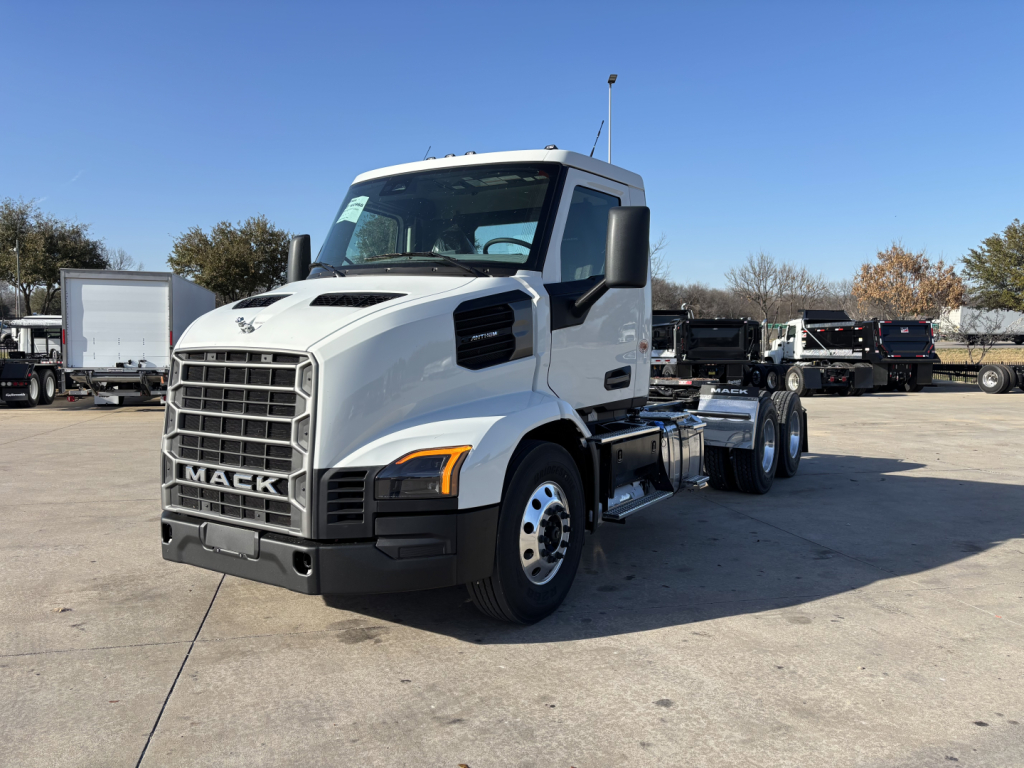
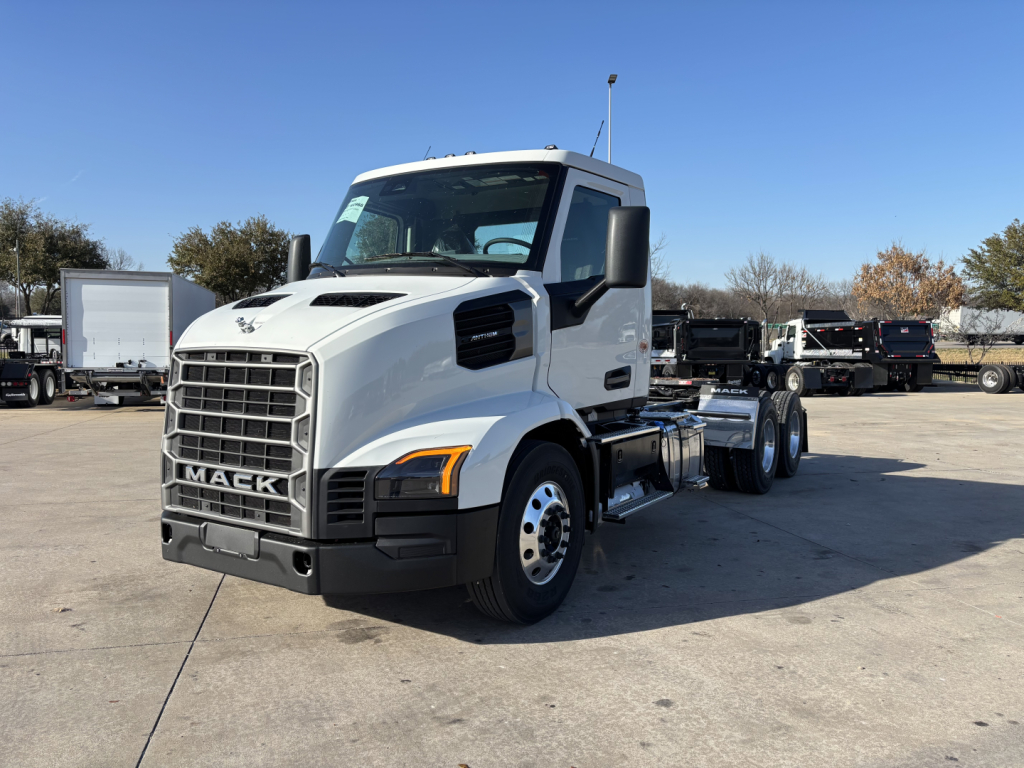
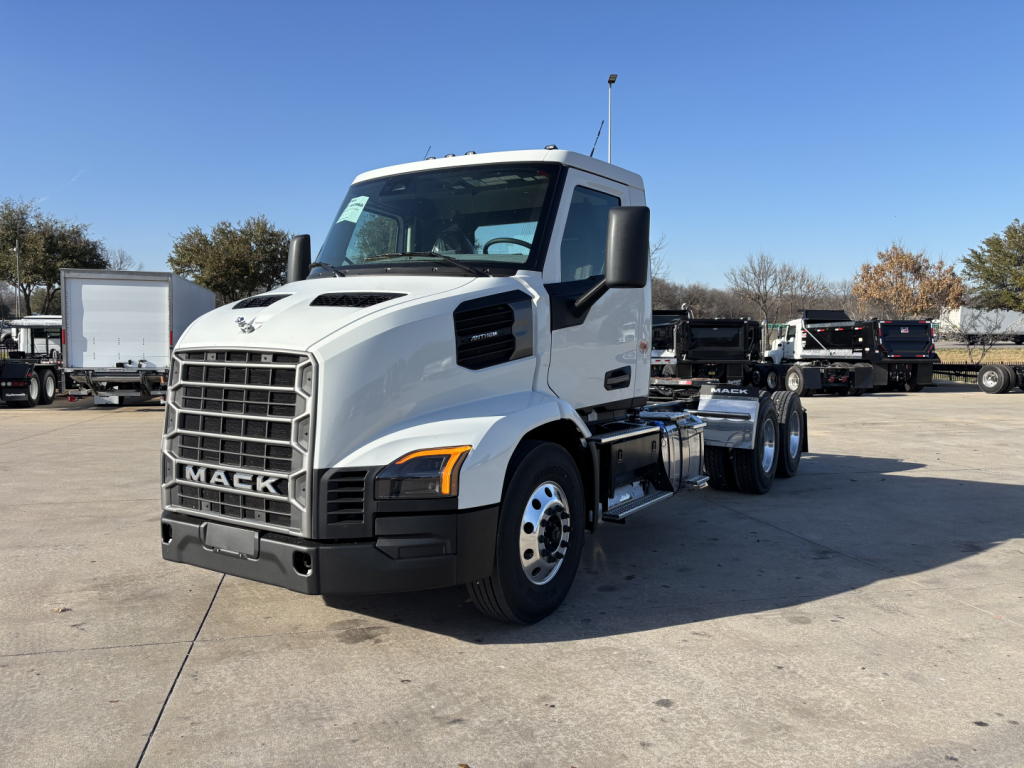
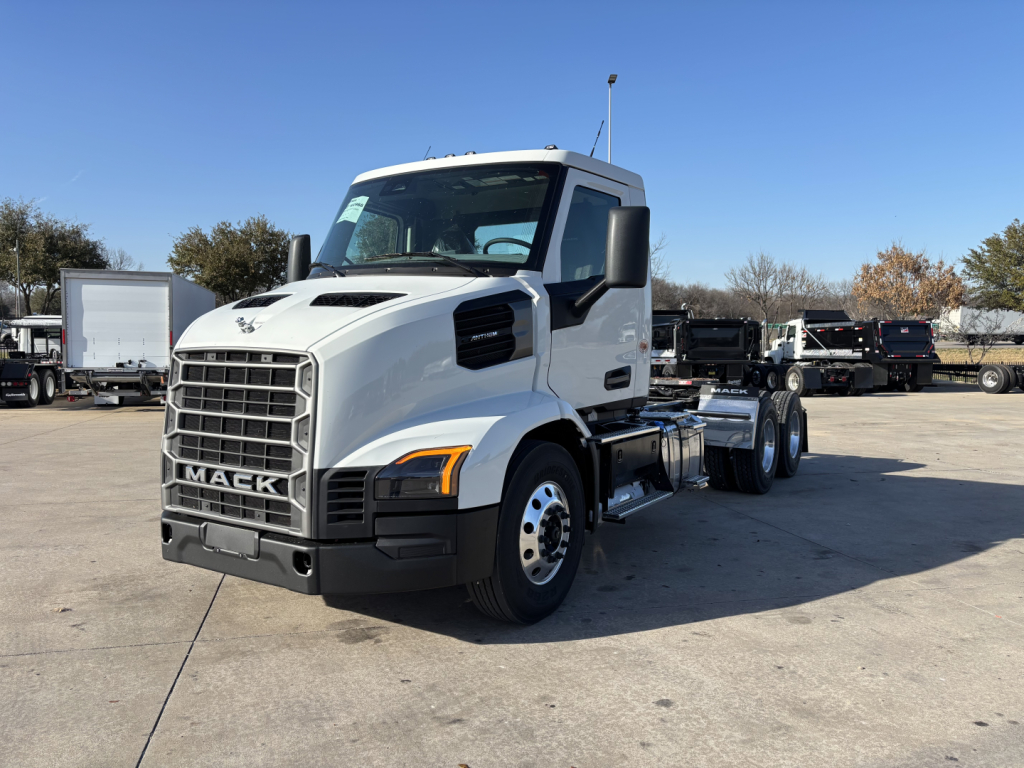
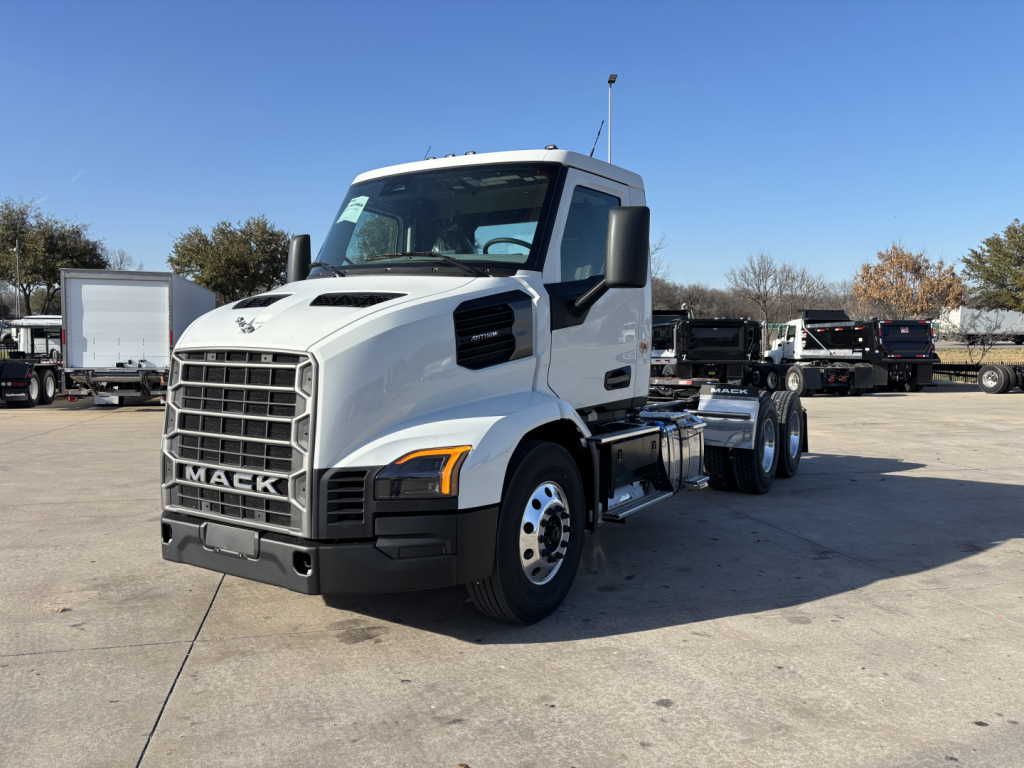
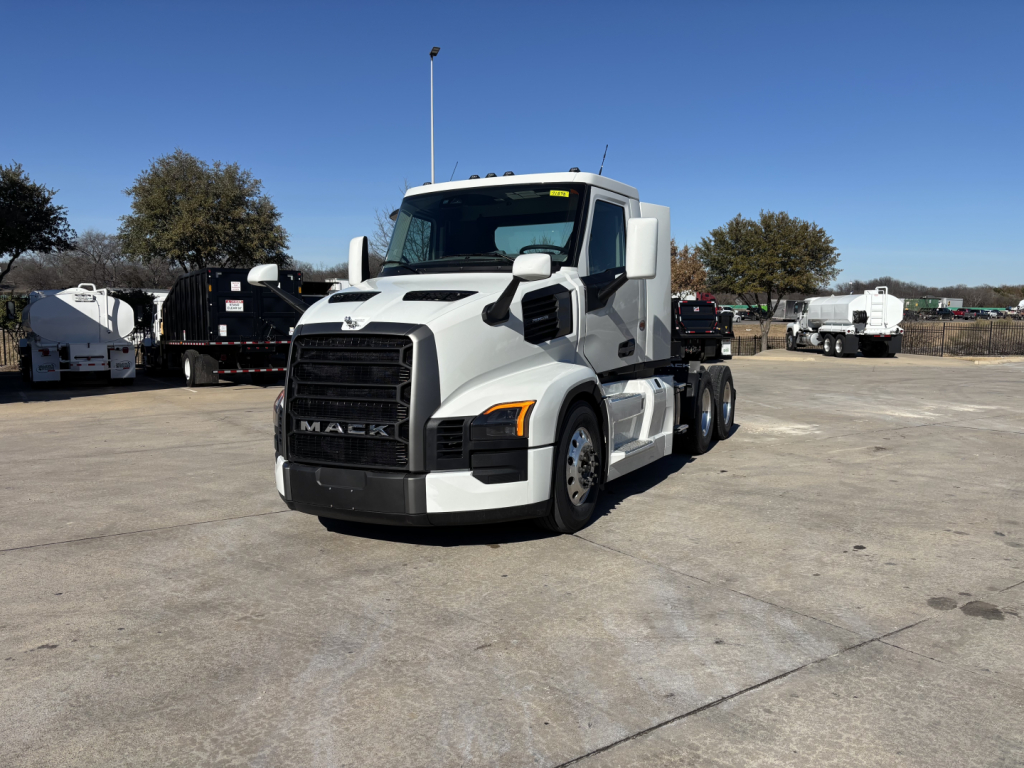
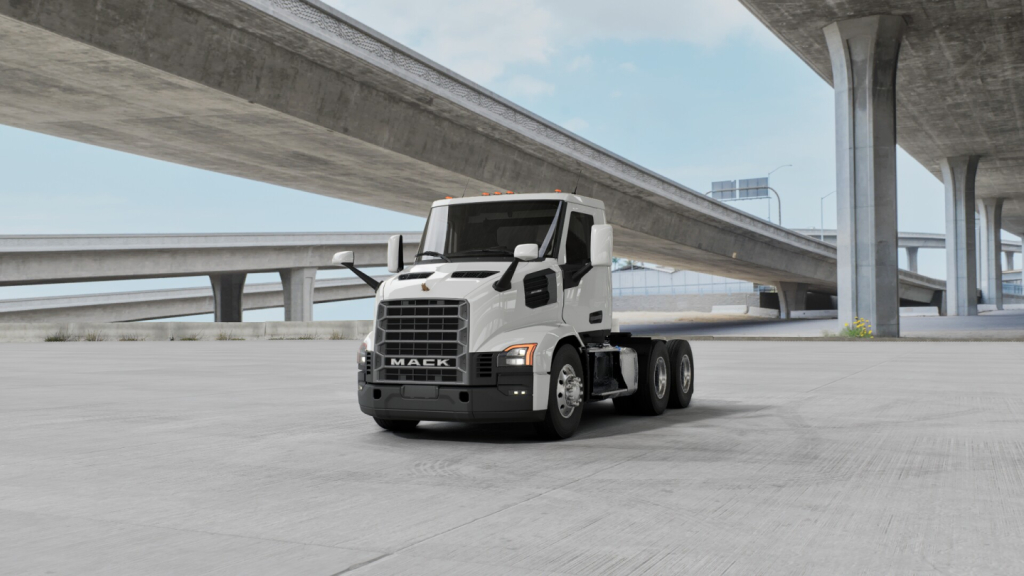
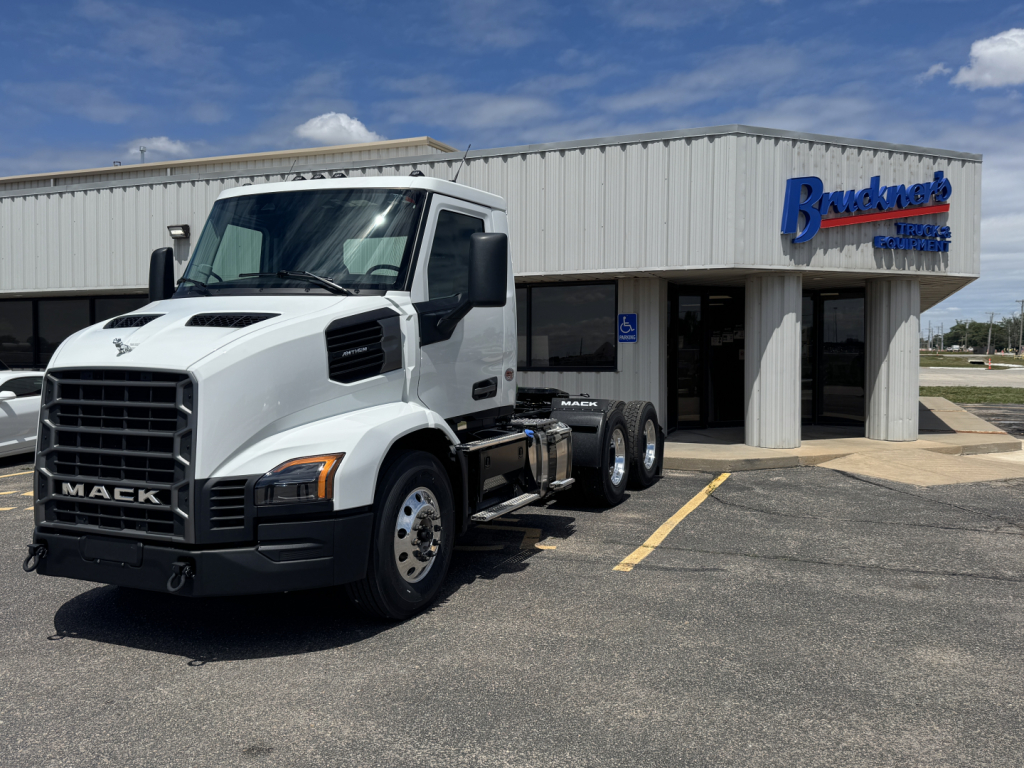
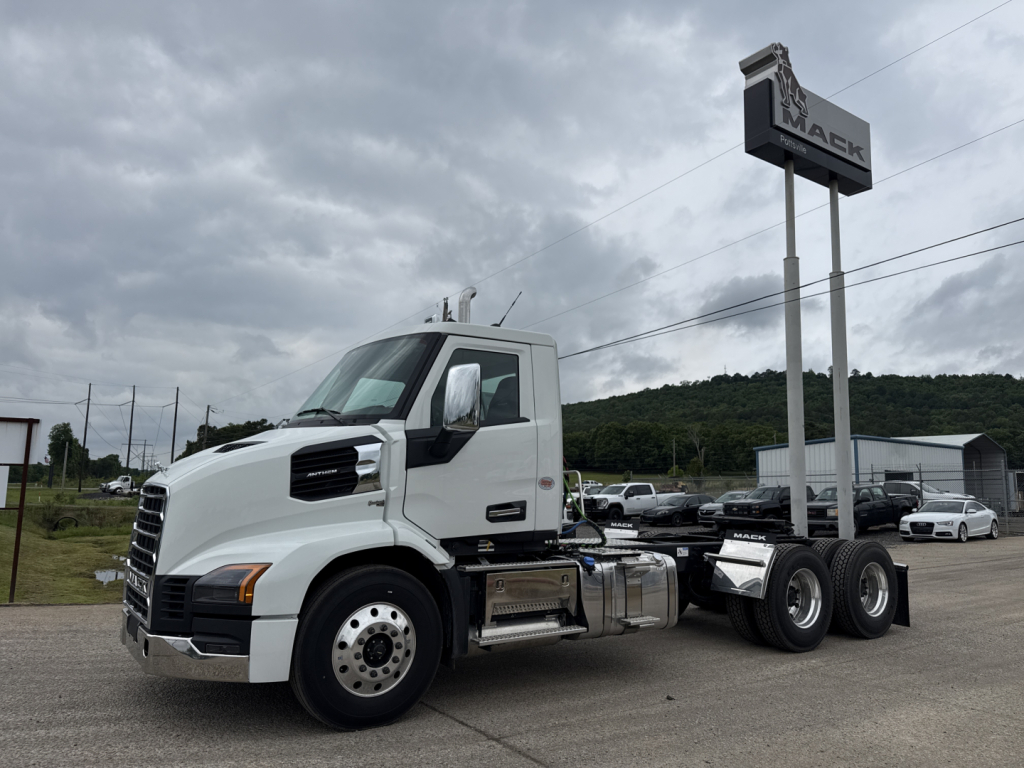
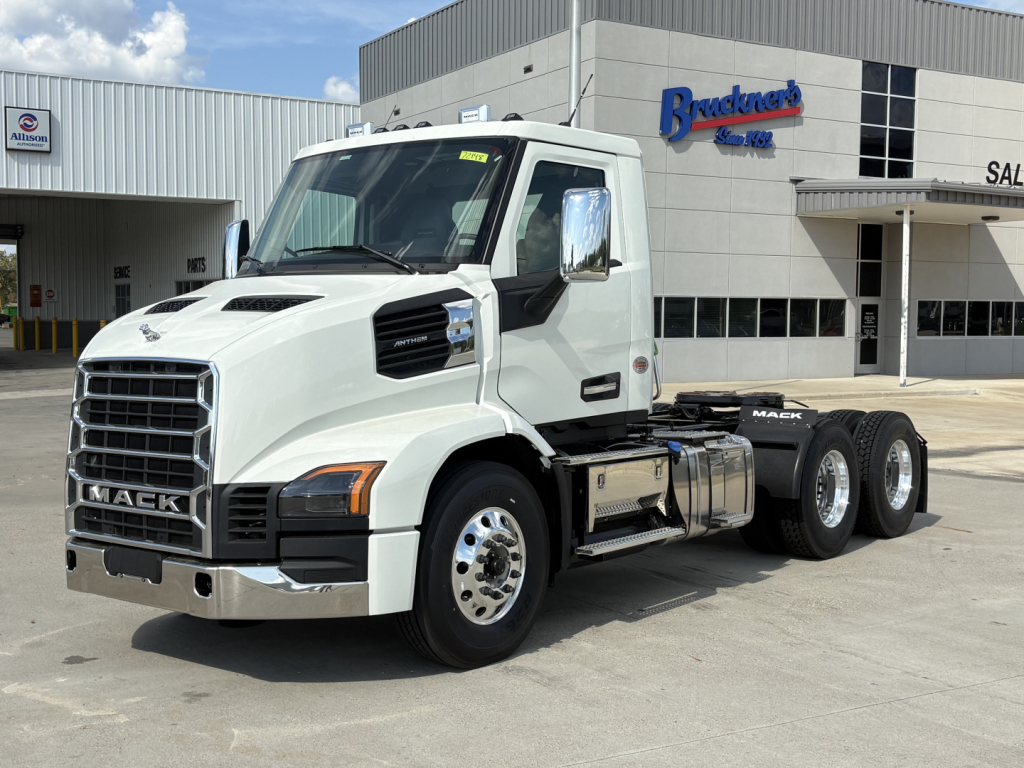

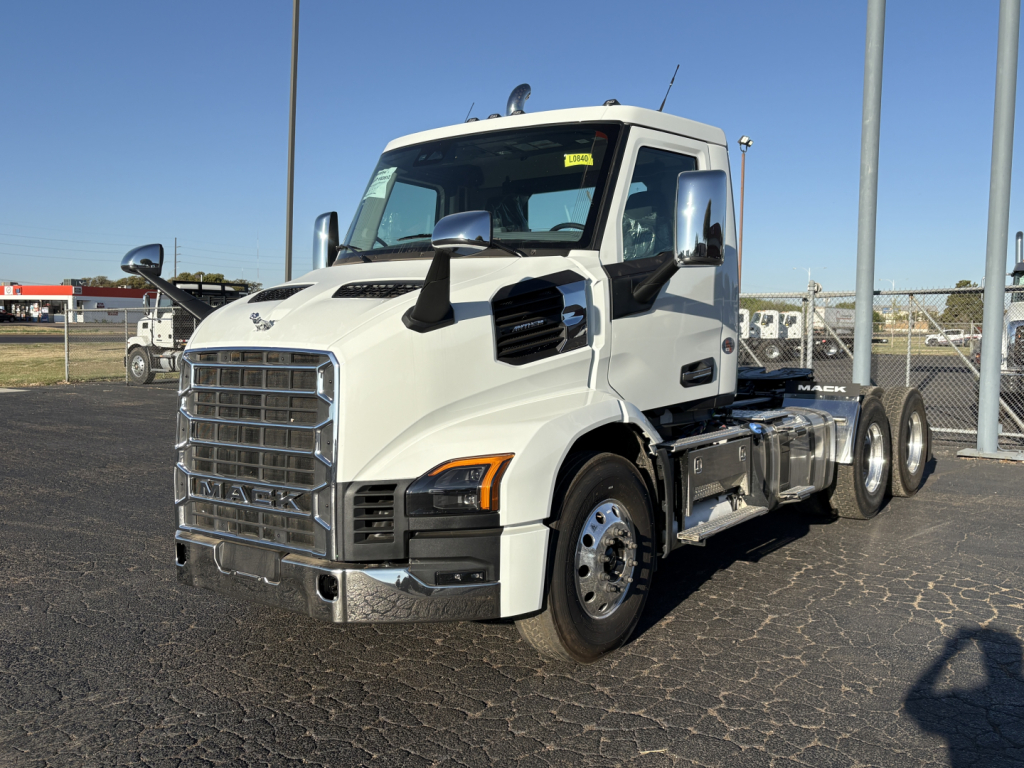
Showing 1 to 28 of 65 results
Selling a 2027 conventional daycab truck? List your 2027 conventional daycab truck for sale and reach thousands of commercial buyers.
2027 Conventional Daycab Trucks
The spec decisions that matter most are wheelbase, rear axle ratio, transmission, and suspension. Many conventional daycab trucks are set up as 6x4 tandem axle tractors, though 6x2 and specialty vocational configurations also show up depending on the application. Common engines in this class run from the mid-300 HP range into the 500 HP range, with torque selected around gross combination weight and terrain. Automated manual transmissions are now common because they reduce driver fatigue and help with fuel economy consistency, but some buyers still prefer manual gearboxes for severe-duty or mixed-driver operations. Wheelbase affects turning radius, bridge law flexibility, and trailer gap, so it needs to match the trailer type and the freight lane, not just the look of the truck.
For buyers comparing 2027 models, the real question is duty cycle. A highway-focused daycab for regional van or reefer work will usually prioritize aero trim, efficient power ratings, and a ratio that keeps engine speed down at cruise. A heavier local or vocational daycab may need a stouter front axle, heavier suspension, frame reinforcement, dual PTO provisions, and gearing that favors startability over top-end fuel economy. Interior layout still matters even without a sleeper. Air ride seats, visibility, dash ergonomics, and room for driver movement make a difference in multi-stop or port service where the driver gets in and out of the cab all day.
Buyers should also look closely at fifth wheel position, frame length, brake package, and tire specification. Sliding fifth wheels add flexibility across trailer lengths and kingpin settings, while fixed setups can save weight in dedicated service. Disc brakes, collision mitigation systems, lane support features, and telematics are increasingly relevant in newer daycab specs because uptime and driver retention now depend as much on safety tech and diagnostics as on engine durability. A well-matched conventional daycab should be easy to service, stable under load, efficient at highway speed, and compact enough to work comfortably in tight yards and customer facilities.
Frequently Asked Questions about 2027 Conventional Daycab Trucks
What is a conventional daycab truck used for?
A conventional daycab truck is used for freight operations that do not require the driver to sleep in the truck. Common applications include regional haul, local pickup and delivery, port drayage, tanker work, dedicated contract freight, and vocational tractor service. The daycab layout eliminates the sleeper, which reduces weight and shortens overall length, making the truck better suited for routes with frequent stops, terminal traffic, and tighter turning environments.
What specs matter most when buying a 2027 conventional daycab?
The most important specs are engine horsepower and torque, transmission type, rear axle ratio, wheelbase, suspension, front and rear axle ratings, and fifth wheel setup. These determine how the truck starts under load, cruises at highway speed, turns in confined areas, and matches with specific trailer lengths and kingpin settings. Buyers should also review fuel tank capacity, brake configuration, tire size, and any PTO or vocational provisions if the truck will handle specialized work.
Is a daycab better than a sleeper tractor for regional hauling?
A daycab is often the better choice when the route keeps the driver home daily and does not require overnight rest in the truck. It usually weighs less than a sleeper tractor, which can improve payload potential and simplify maneuvering in cities, yards, and docks. A sleeper still makes sense if the route occasionally turns into overnight work, but for dedicated regional or local operations, a daycab is typically the more efficient and cost-effective spec.
Are automated manual transmissions common in modern daycab trucks?
Yes, automated manual transmissions are now very common in conventional daycab trucks, especially in regional and fleet service. They help standardize shift performance, reduce driver fatigue, and often improve fuel economy consistency across multiple operators. Manual transmissions still have a place in some severe-duty or driver-preference applications, but AMTs are now the mainstream choice for many new-spec highway daycabs.
How does wheelbase affect a conventional daycab truck?
Wheelbase affects turning radius, ride quality, trailer gap, bridge compliance, and how the truck carries weight across the axles. A shorter wheelbase can improve maneuverability in urban or port work, while a longer wheelbase may better support certain trailer combinations, fuel capacity needs, or ride preferences. The right wheelbase depends on the trailer type, the lane, axle spacing requirements, and how often the truck operates in tight customer locations.