
2027 Conventional Daycab Trucks For Sale in Washington
Shop 2027 conventional daycab trucks in Washington. Compare specs, axle ratings, wheelbases, engines, and vocational-ready tractor options.
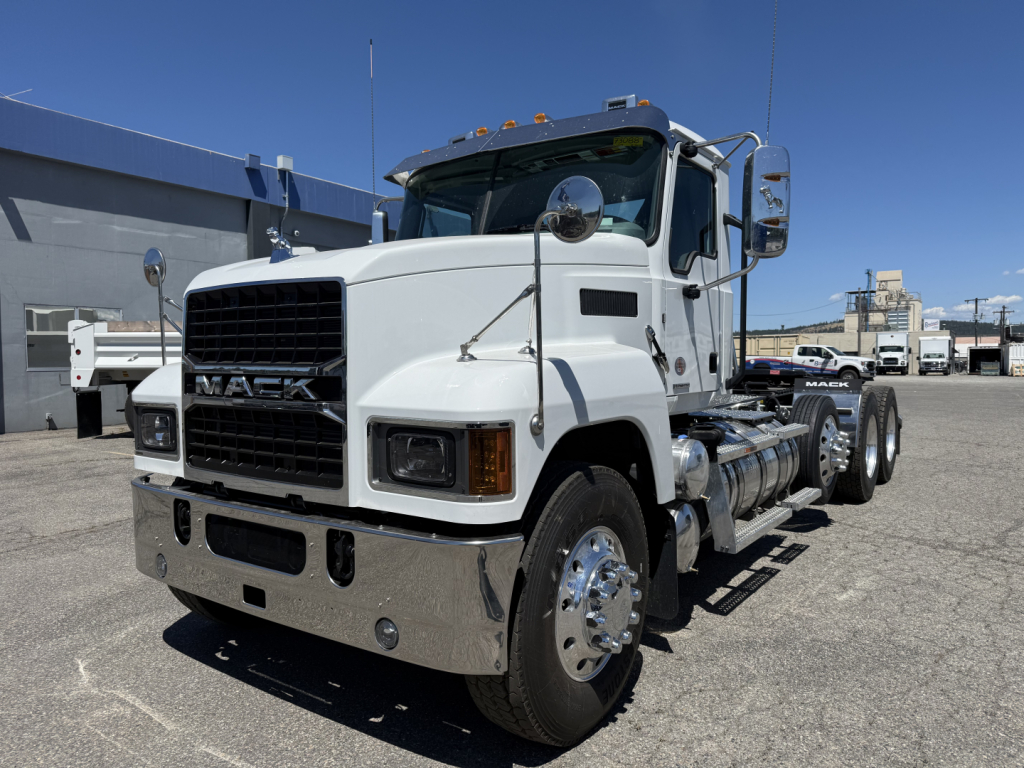
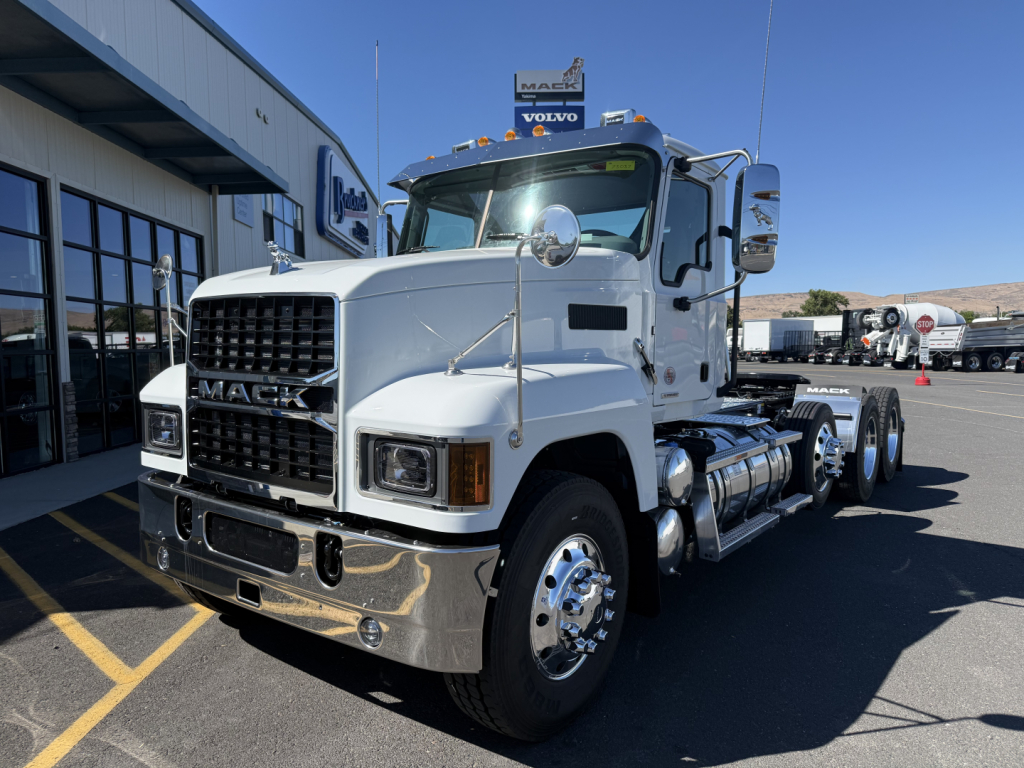
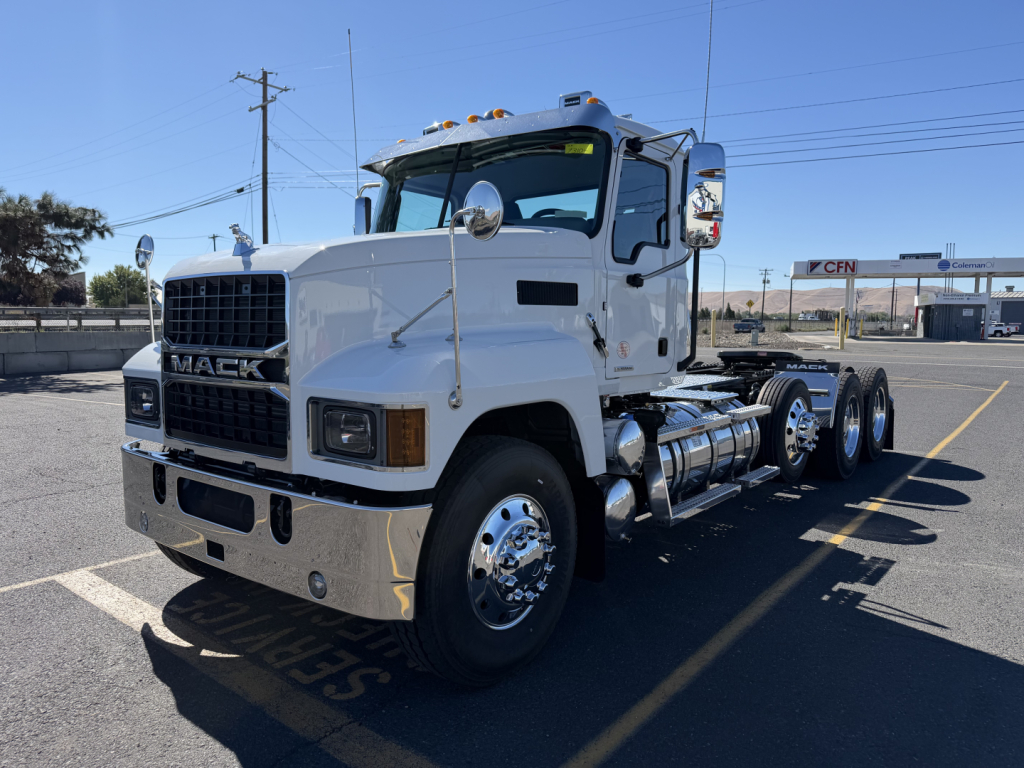
Selling a 2027 conventional daycab truck? List your 2027 conventional daycab truck for sale and reach thousands of commercial buyers.
2027 Conventional Daycab Trucks in Washington
Most conventional daycab tractors in this class are spec'd as 6x4 tandem-axle units, though lift axles and vocational options are common for weight-sensitive applications. Expect diesel engines commonly rated from the mid-400 HP range up past 500 HP, paired with automated manual transmissions or traditional manual gearboxes depending on fleet preference and duty cycle. Rear axle ratings around 40,000 lbs are typical, with steer axles often stepping up into the 13,000 to 14,600 lb range on heavier specs. Air ride suspension is common for freight applications, while severe-duty or vocational buyers may prioritize heavier frames, PTO prep, disc brakes, locking differentials, and transmission programming that supports low-speed control and startability on grades.
For Washington buyers, the right daycab spec often comes down to route profile and terminal environment. A shorter wheelbase helps in tight yards, urban delivery points, and crowded port areas, while a longer wheelbase can improve ride quality, fuel capacity, and frame space for accessories. Aerodynamic packages matter more on repeated freeway runs across I-5 or east-west corridors, especially when the truck spends most of its time at highway speed. Fuel tank size, fifth wheel type, and kingpin setting also deserve close attention. A sliding fifth wheel adds flexibility across different trailer lengths and axle spreads, while a fixed setup can save weight and reduce maintenance if the operation is standardized.
Newer conventional daycab trucks also bring more factory technology than many buyers expect from a local-haul tractor. Common features now include collision mitigation, blind spot monitoring, lane support systems, tire pressure monitoring, backup cameras, and integrated telematics. Driver comfort remains important even without a sleeper, so seat quality, cab insulation, HVAC performance, and dash layout still affect retention and productivity. When comparing listings, look beyond horsepower and focus on the complete operating package: engine family, transmission type, rear ratio, suspension, wheelbase, brake spec, and any PTO or vocational prep. A well-matched daycab will outperform a higher-horsepower truck that is wrong for the route, trailer set, or payload target.
Frequently Asked Questions about 2027 Conventional Daycab Trucks in Washington
What is a conventional daycab truck used for?
A conventional daycab truck is a road tractor with no sleeper compartment, designed for runs where the driver returns home or to the terminal the same day. Common uses include regional freight, drayage, tanker work, local flatbed, dump transfer, and dedicated shuttle routes. The layout reduces weight compared with a sleeper tractor and usually improves maneuverability, which makes it a strong fit for terminal-heavy or stop-and-go operations.
What specs matter most when buying a conventional daycab?
The most important specs are wheelbase, axle ratings, suspension type, engine horsepower and torque, transmission, rear axle ratio, and fifth wheel configuration. These choices affect turning radius, payload capability, startability, fuel economy, and trailer compatibility. Buyers should also check fuel capacity, brake type, PTO prep, and frame strength if the truck will handle vocational or heavier regional work.
Are automated manual transmissions common in 2027 daycab trucks?
Yes. Automated manual transmissions are now common in conventional daycab trucks because they improve driver consistency, reduce clutch wear, and help fleets manage fuel economy and training. They also work well in regional haul and city-duty cycles when properly matched to the engine and rear ratio. Some operations still prefer manual transmissions, but most late-model fleet daycabs are ordered with AMTs.
How do I choose the right wheelbase for a daycab tractor?
Choose wheelbase based on trailer length, axle spread requirements, yard space, fuel capacity needs, and any frame-mounted equipment. A shorter wheelbase usually improves maneuverability and is helpful in ports, city routes, and tight docks. A longer wheelbase can provide a better ride, additional tank capacity, and more flexibility for PTO equipment or specialty installations, but it may be less practical in confined areas.
What should Washington buyers consider with a conventional daycab?
Washington buyers should pay close attention to terrain, weather exposure, and the mix of urban and highway operation. Trucks running mountain grades or heavier regional loads may need stronger torque ratings, appropriate rear axle ratios, and reliable brake performance. Fleets working western urban corridors often prioritize maneuverability and visibility, while longer interstate runs may justify more aerodynamic packages, larger fuel tanks, and driver-assistance technology.