
2027 Conventional Daycab Trucks For Sale in Alaska
Shop 2027 conventional daycab trucks in Alaska. Compare specs, axle ratings, engine options, wheelbases, and vocational or regional haul setups.
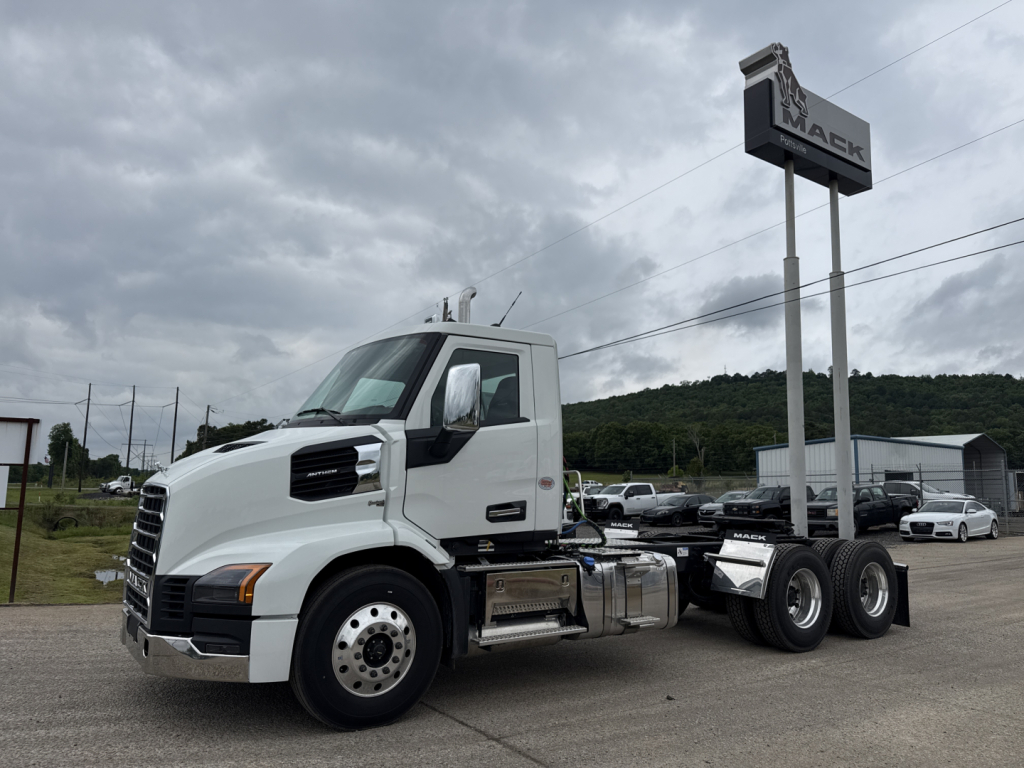

Selling a 2027 conventional daycab truck? List your 2027 conventional daycab truck for sale and reach thousands of commercial buyers.
2027 Conventional Daycab Trucks in Alaska
Spec decisions matter more than model year alone. Most conventional daycabs in this class are ordered with diesel engines in the 400 to 505 horsepower range, automated manual or automatic transmissions, and rear axle ratios matched to either low-speed vocational work or highway-oriented regional runs. Wheelbase, fifth wheel placement, and front axle rating all affect bridge compliance, trailer swing clearance, and how the truck carries weight on local roads. Buyers in Alaska also tend to pay attention to block heaters, battery capacity, heated mirrors, winter front options, full locking differentials, and tire selection for mixed pavement, gravel, and snow conditions.
The cab itself is a major part of long-term operating cost. A well-configured daycab should give the driver easy entry and exit, clear hood and mirror sightlines, practical switch placement, and enough storage for chains, PPE, paperwork, and electronics. Air ride suspensions, premium seats, collision mitigation systems, adaptive cruise, and integrated telematics have become common on newer conventional daycab trucks, especially in fleet-oriented specs. Aluminum wheels, fairings, and fuel-efficient powertrain packages can help on longer regional routes, while heavier suspensions, double-frame options, PTO provisions, and vocational bumper setups make more sense for severe-service use.
For many buyers, the right 2027 conventional daycab comes down to matching the truck to the trailer and duty cycle. A tractor pulling 48- or 53-foot vans on established highways needs a different setup than a unit handling end dumps, tankers, lowboys, or short-haul freight in and out of terminals and jobsites. Looking at GCWR, axle ratings, frame strength, brake configuration, and cold-climate features will tell you more than the badge on the hood. Also known simply as a day cab tractor, this category remains one of the most versatile choices for fleets and owner-operators who need a durable highway truck without the extra weight and length of a sleeper.
Frequently Asked Questions about 2027 Conventional Daycab Trucks in Alaska
What is a conventional daycab truck used for in Alaska?
A conventional daycab truck is commonly used for local delivery, regional hauling, tanker work, construction support, port and terminal moves, and other operations where the driver does not need overnight sleeper space. In Alaska, these trucks are often spec'd for mixed conditions that include pavement, gravel, snow, and long stretches between service points, so cold-weather equipment and traction features can be just as important as horsepower.
What specs matter most when buying a 2027 conventional daycab?
The most important specs are engine horsepower and torque, transmission type, axle configuration, wheelbase, front and rear axle ratings, rear axle ratio, suspension, and GCWR. Buyers should also check fifth wheel location, frame strength, brake setup, fuel capacity, and whether the truck is intended for highway, regional, or vocational service. In colder markets, battery reserve, engine heating provisions, and winter-oriented options deserve extra attention.
Is a daycab better than a sleeper tractor for regional work?
A daycab is usually the better choice when the route keeps the truck close to base and the operation benefits from lower tare weight, a shorter overall length, and easier maneuvering. A sleeper tractor makes more sense if drivers regularly stay out overnight or need onboard living space. For regional work with same-day returns, a conventional daycab often delivers better efficiency and simpler operation.
What axle setup is most common on a conventional daycab?
The most common setup is a 6x4 tandem-drive configuration because it balances traction, legal payload capability, and versatility across highway and vocational applications. A 4x2 may work for lighter regional operations where weight savings is a priority, but many buyers in Alaska favor 6x4 trucks for better control in snow, loose surfaces, and variable jobsite conditions.
Are new daycab trucks available with driver-assistance and fleet technology?
Yes. Newer conventional daycab trucks are commonly equipped with safety and productivity technology such as collision mitigation, lane departure warning, adaptive cruise control, tire pressure monitoring, telematics, and integrated diagnostics. These systems can help reduce downtime, improve driver awareness, and support maintenance planning, especially in fleets that run hard year-round.