
2027 Mack Conventional Daycab Trucks For Sale in Alaska
Browse 2027 Mack conventional daycab trucks in Alaska. Compare specs, axle setups, power options, and daycab features for regional work.
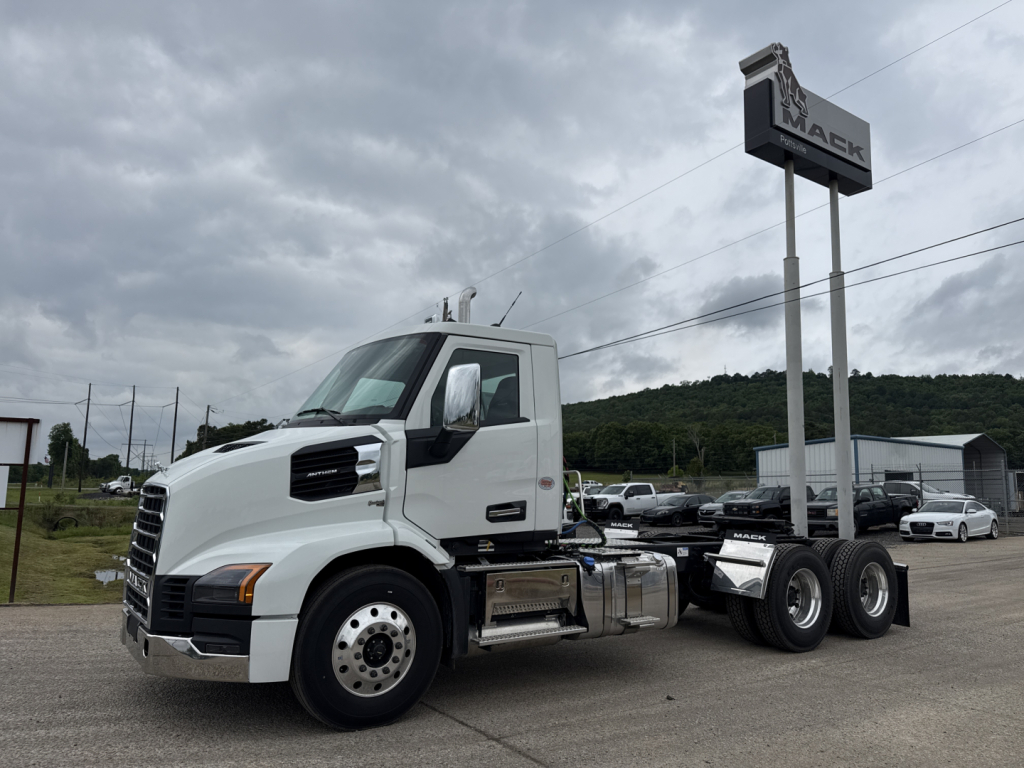

Selling a 2027 mack conventional daycab truck? List your 2027 mack conventional daycab truck for sale and reach thousands of commercial buyers.
2027 Mack Conventional Daycab Trucks in Alaska
Powertrain choice matters more than appearance on a daycab. Buyers typically compare engine ratings, automated manual versus manual transmissions, rear axle ratios, and gross combination weight targets before anything else. Mack conventional daycabs are often spec'd for strong low-end torque, which helps in stop-and-go hauling, heavy starts, and hilly terrain. For Alaska operations, cold-start performance, block heater provisions, battery capacity, fuel tank placement, and traction-oriented axle specs deserve close attention. A truck spec'd for linehaul van service will look different from one intended for lowboy work, end-dump hauling, or tanker service, even if both are conventional daycabs.
Cab and chassis details separate a good fit from an expensive compromise. Look closely at frame rating, suspension type, fifth wheel height, sliding versus fixed fifth wheel, PTO capability, and front axle capacity. Drivers and maintenance teams also pay attention to visibility, entry height, dash layout, insulation, and service access under the hood. Mack daycabs are commonly chosen by buyers who want a straightforward tractor with modern safety systems and a reputation for vocational toughness. Features like collision mitigation, lane departure warning, heated mirrors, air ride seats, and telematics support can make a meaningful difference for fleet safety, driver retention, and operating cost.
For a conventional daycab working in Alaska, corrosion protection and winter readiness should be part of the buying decision, not an afterthought. Aluminum wheels, proper fender and mudflap setup, lockable battery boxes, full lockers or driver-controlled traction aids, and tire spec matched to seasonal use can all affect year-round performance. If the truck will pull multiple trailer types, verify kingpin settings, fifth wheel travel, and brake and electrical connections for compatibility. The best Mack daycab spec is the one matched tightly to route length, payload, terrain, and service interval requirements, because that is what determines fuel economy, uptime, and resale value over the life of the truck.
Frequently Asked Questions about 2027 Mack Conventional Daycab Trucks in Alaska
What is a Mack conventional daycab used for?
A Mack conventional daycab is typically used for local and regional hauling where a sleeper is not necessary. Common applications include dry van, flatbed, tanker, construction support, container drayage, dump trailer work, and dedicated route freight. The conventional hood design allows easier engine access and often supports heavier vocational-style specs than lighter highway daycabs.
What should buyers in Alaska look for on a 2027 Mack daycab?
Buyers in Alaska should focus on cold-weather starting equipment, battery and charging capacity, cab insulation, heated components, traction aids, and corrosion resistance. Axle ratios, suspension choice, and tire spec should match the terrain and seasonal road conditions. Fuel capacity, block heater provisions, and serviceability also matter because long distances and harsh weather can quickly expose a marginal spec.
How do I choose the right axle and wheelbase setup for a conventional daycab?
The right axle and wheelbase setup depends on trailer type, payload, turning radius requirements, and bridge law considerations. A tandem drive 6x4 is common for heavier regional and vocational work, while wheelbase must balance maneuverability with ride quality and trailer clearance. Front axle rating, fifth wheel position, and kingpin setting should all be checked together so the tractor carries weight legally and handles predictably.
Are Mack daycabs good for regional hauling compared with sleeper tractors?
Mack daycabs are often a strong choice for regional hauling when drivers return daily or operate on shorter lanes. They generally weigh less than sleeper tractors, reduce acquisition cost, and simplify maintenance while still offering highway-capable drivetrains. The tradeoff is reduced onboard storage and no sleeper berth, so they are best suited for operations that do not require overnight accommodations.
What specs have the biggest impact on operating cost in a Mack conventional daycab?
The biggest cost drivers are engine and transmission spec, rear axle ratio, vehicle weight, idle strategy, and maintenance access. A poorly matched drivetrain can hurt fuel economy and increase clutch, driveline, or brake wear. Safety technology, telematics, and proper vocational or highway spec alignment also affect insurance, downtime, and long-term resale value.