
2027 Conventional Daycab Trucks For Sale in New Mexico
Shop 2027 conventional daycab trucks in New Mexico. Compare specs, wheelbases, axle ratings, horsepower, and drivetrain options for regional hauling.
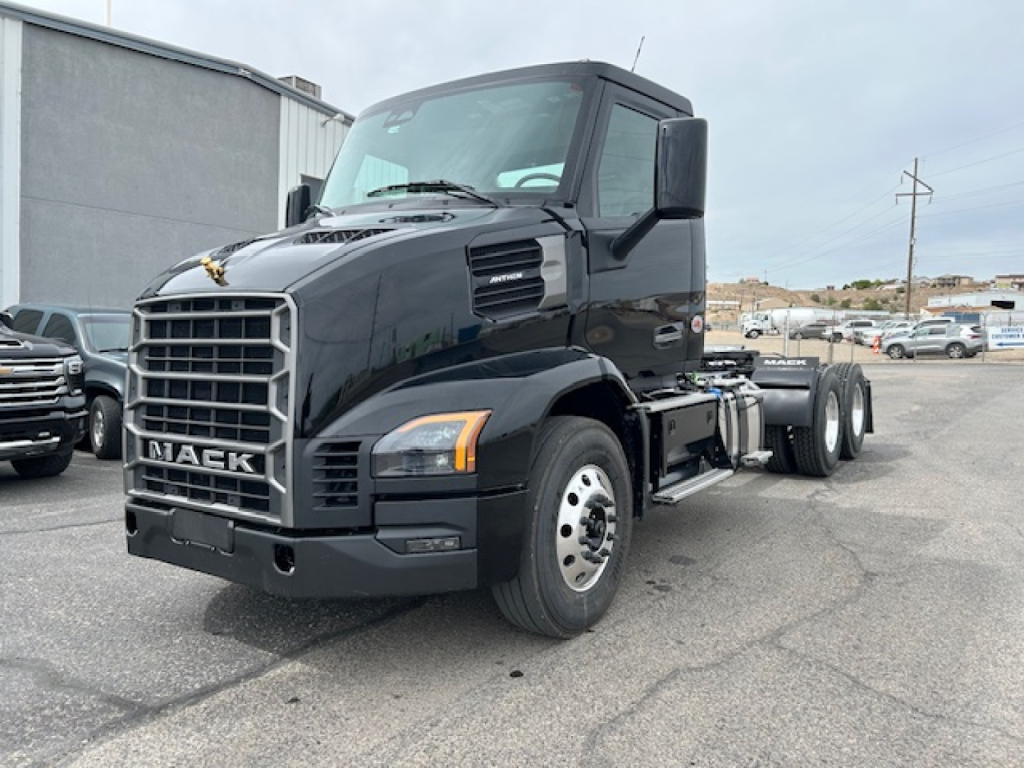
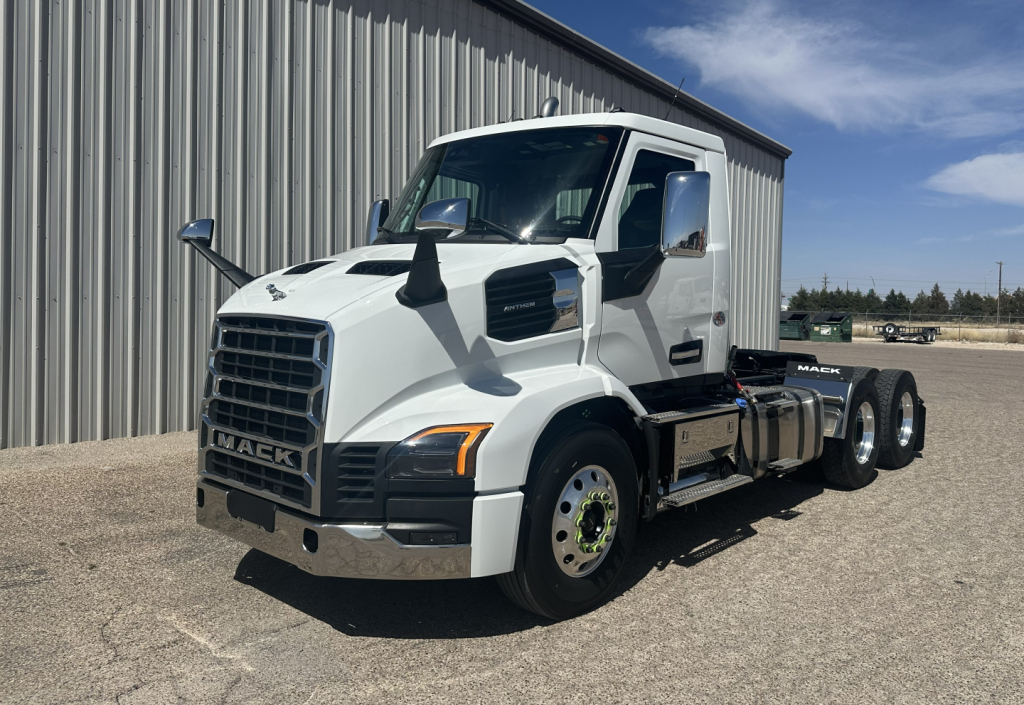

Selling a 2027 conventional daycab truck? List your 2027 conventional daycab truck for sale and reach thousands of commercial buyers.
2027 Conventional Daycab Trucks in New Mexico
The core spec decisions usually start with axle ratings, wheelbase, engine output, and rear ratio. Tandem axle daycabs commonly land in the 12,000 to 14,600 lb front axle range with 40,000 lb rears, though severe-service setups can go heavier. Wheelbases around the mid-170s to low-220s are common depending on fuel capacity, frame layout, and fifth wheel placement. Horsepower can range from the low-400s into the 500 hp class, paired with automated manual or fully automated transmissions that reduce driver fatigue and help standardize fuel economy. Rear axle ratios such as 3.25 or 3.40 are typical choices for balancing startability, cruising rpm, and route speed.
Buyers should pay close attention to suspension type, frame strength, and fifth wheel configuration. Air ride suspensions are common for highway and regional service, while heavier vocational daycabs may use more robust suspensions and thicker frame rails for demanding trailers or rougher surfaces. A fixed fifth wheel can make sense for dedicated trailer lengths and repeatable kingpin settings, while an air sliding fifth wheel adds flexibility across mixed trailer fleets. Fuel tank capacity, battery box placement, fairing package, and dual stack versus single exhaust can also affect service access and upfit compatibility. Interior trim matters too, especially in a daycab that may run multiple shifts. High-back air seats, good mirror packages, collision mitigation, and straightforward dash layouts all contribute to driver retention and uptime.
For 2027 model year buyers, the real comparison is not just brand or horsepower. It is how the truck is spec'd for the lane. A short wheelbase daycab with a modest rear ratio fits urban and terminal work differently than a 500 hp tandem with a longer wheelbase, dual tanks, and heavier front axle for regional freight or specialized hauling. Check GCWR, PTO readiness if auxiliary equipment is planned, tire size, brake package, and service network support before narrowing the field. A well-matched conventional daycab can lower operating cost, improve trailer utilization, and stay productive in high-cycle duty where sleeper tractors add weight and expense without adding value.
Frequently Asked Questions about 2027 Conventional Daycab Trucks in New Mexico
What is a conventional daycab truck used for?
A conventional daycab truck is a highway-style tractor without a sleeper compartment, designed for runs where the driver returns home or to the terminal the same day. Common uses include regional freight, drayage, LTL, tanker, flatbed, bulk hauling, construction support, and dedicated local routes. The shorter cab configuration improves maneuverability and reduces empty weight compared with many sleeper tractors.
What specs matter most when buying a 2027 conventional daycab?
The most important specs are engine horsepower and torque, transmission type, front and rear axle ratings, wheelbase, rear axle ratio, suspension, and fifth wheel setup. Those choices determine how the truck starts under load, cruises at highway speed, handles trailer swing, and fits your trailer fleet. Fuel capacity, cab options, safety systems, and frame rail thickness also matter because they affect range, driver comfort, serviceability, and vocational durability.
Is an automated transmission a good choice in a daycab?
For many fleets, yes. Automated manual and fully automated transmissions are common in modern daycabs because they reduce driver fatigue in traffic, help protect the driveline, and make it easier to hire across a wider driver pool. They are especially useful in regional and urban service with frequent stops, though some buyers still prefer manual transmissions for specific vocational applications or driver preference.
How do I choose the right wheelbase for a conventional daycab?
Wheelbase should match the trailer lengths you pull, the fifth wheel travel you need, and the environments where the truck operates. A shorter wheelbase generally improves turning and yard maneuverability, while a longer wheelbase may be needed for fuel capacity, bridge law considerations, heavier front axle loading, or stable placement with certain trailer combinations. The correct choice depends on kingpin settings, axle spread, and how tightly your routes are constrained.
Are conventional daycabs a good fit for New Mexico operations?
They are often a strong fit because many New Mexico routes combine open highway miles with terminal work, energy-sector traffic, construction access, and urban deliveries. Buyers in this market typically benefit from strong cooling systems, durable air filtration, practical gearing, and enough fuel capacity for longer regional legs. If the truck will see rough lease roads or severe-service work, axle ratings, suspension design, and frame specification become even more important.