
2027 Mack Conventional Daycab Trucks For Sale in New Mexico
Shop 2027 Mack conventional daycab trucks in New Mexico. Compare Pinnacle, Anthem, and Granite specs for regional haul, vocational, and fleet use.
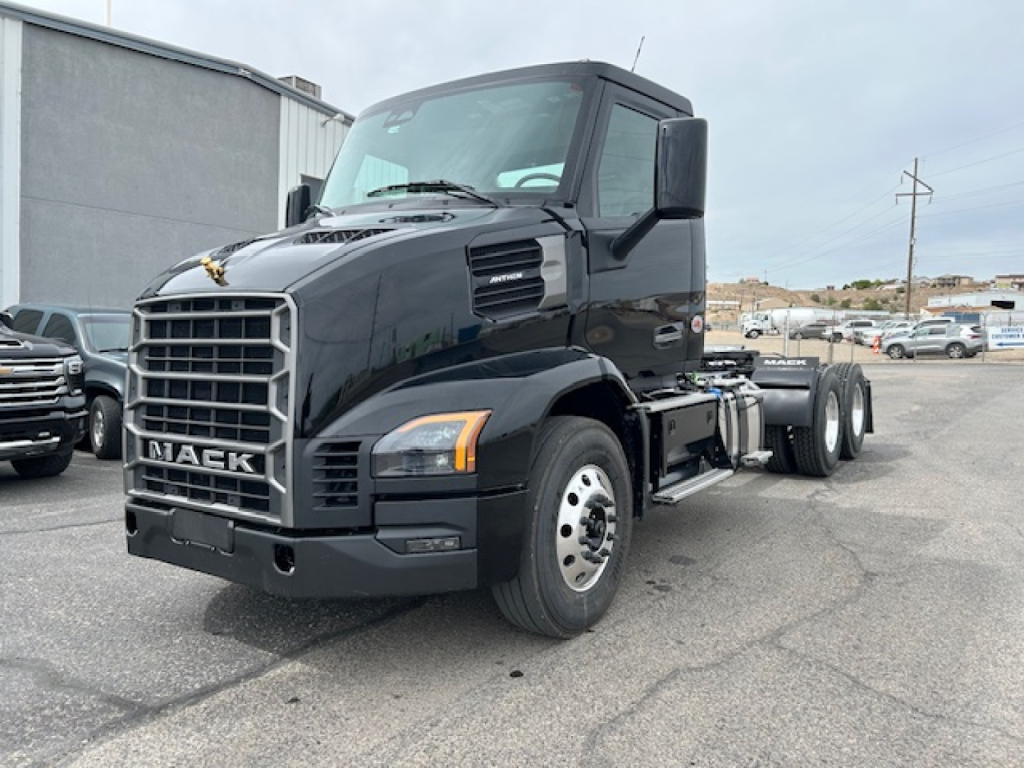
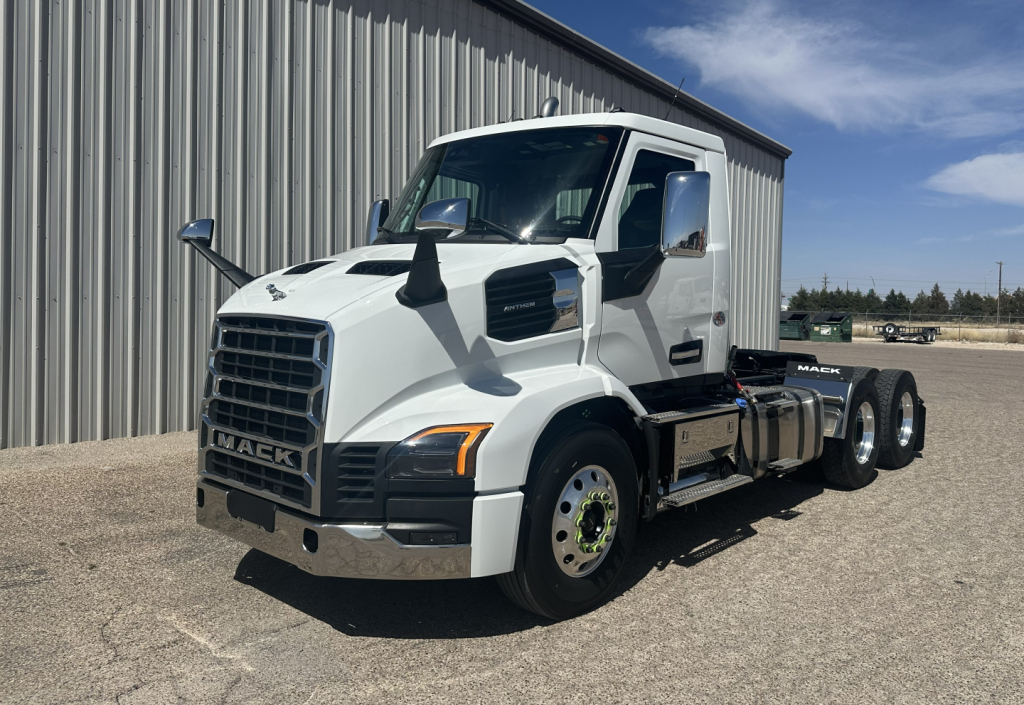

Selling a 2027 mack conventional daycab truck? List your 2027 mack conventional daycab truck for sale and reach thousands of commercial buyers.
2027 Mack Conventional Daycab Trucks in New Mexico
The main spec decisions start with engine rating, axle package, and transmission. Mack daycabs are commonly ordered with MP-series diesel power, and higher-horsepower MP8 ratings are a frequent fit for heavy regional freight, bulk haul, and applications that spend time on grades or at higher gross weights. Buyers should match horsepower and torque to terrain and trailer type, not just peak numbers. A 6x4 setup remains the standard choice for most conventional daycab trucks, with front axle ratings and rear axle capacities varying widely by intended use. On-road tractors may prioritize fuel economy, lighter tare weight, and overdrive gearing, while vocational configurations often lean toward heavier axles, tougher suspensions, and driveline specs meant for low-speed load starts and mixed-surface work.
Transmission and suspension choice can change how the truck performs every day. Mack mDRIVE automated manual transmissions are popular because they simplify driver training, improve shift consistency, and usually help with fuel economy in stop-and-go or regional service. Buyers hauling heavier loads or operating off pavement should still pay attention to ratio selection, PTO compatibility, and low-speed maneuverability. Air ride suspension is common on highway-oriented daycabs for ride quality and freight protection, while vocational users may prefer more robust suspension setups depending on body or trailer demands. Wheelbase, fifth wheel position, and frame layout also deserve close review if the truck will pull different trailer lengths, work with fixed loads, or need room for wet kits, headache racks, or other upfit equipment.
For New Mexico operations, cooling performance, gradeability, and duty cycle are practical buying points. Long interstate stretches, hot weather, wind exposure, and elevation changes can make an underspecified truck feel weak fast. A well-matched Mack conventional daycab should balance power, emissions-system service access, brake spec, and cab comfort for long regional days without carrying the extra length and weight of a sleeper. The best buy is usually the truck with a spec that matches the route, trailer, and payload profile from day one, not simply the highest horsepower or axle rating on the page.
Frequently Asked Questions about 2027 Mack Conventional Daycab Trucks in New Mexico
What is a Mack conventional daycab truck best suited for?
A Mack conventional daycab is best suited for regional and local work where a sleeper is not needed. Common uses include dry van, flatbed, tanker, dump, bulk commodity hauling, drayage, and dedicated route service. The daycab layout reduces overall length and weight compared with a sleeper tractor, which improves maneuverability and can help payload, especially in operations with frequent stops, tight yards, or urban delivery points.
What is the difference between Mack Pinnacle, Anthem, and Granite daycab models?
The Mack Pinnacle is typically associated with highway and regional tractor applications, offering a practical balance of durability and road-going efficiency. The Anthem is Mack’s more aerodynamic highway-focused platform and is often chosen when fuel economy and driver comfort are priorities in linehaul or regional service. The Granite is the vocational-heavy option, commonly spec'd for construction, severe duty, dump, and heavier mixed-service work where axle ratings, frame strength, and ruggedness matter more than aerodynamic efficiency.
Is the Mack mDRIVE transmission a good choice in a daycab?
For many fleets and owner-operators, the Mack mDRIVE is a strong fit in a daycab because it delivers consistent shifting, reduces driver fatigue, and usually supports better fuel economy than a poorly matched manual setup. It is especially useful in regional and stop-and-go service where shift quality affects drivability all day long. The key is to verify the exact transmission model, gearing, PTO needs, and startability performance so the spec fits the truck’s load profile and terrain.
What specs matter most when buying a 2027 Mack daycab in New Mexico?
In New Mexico, buyers should pay close attention to horsepower, torque, cooling capacity, axle ratings, gearing, and brake specification. Long grades, higher elevation, summer heat, and highway wind can expose weak specs quickly. A truck that looks adequate on paper may feel underpowered or overworked if it is matched to the wrong trailer or gross weight. Cab comfort, fuel tank capacity, and emissions-system service access also matter for regional operations that cover long distances between stops.
How do I choose the right axle and suspension setup on a conventional daycab?
The right axle and suspension setup depends on gross vehicle weight, trailer type, terrain, and how much time the truck spends on pavement versus rough surfaces. Highway tractors often use lighter, fuel-conscious configurations with air ride suspension for ride quality and freight protection. Heavier vocational daycabs may need stronger front axle ratings, higher-capacity rears, and suspension components designed for load starts, uneven terrain, or body equipment. Buyers should evaluate legal weight targets, bridge considerations, and planned upfits before deciding on the final axle package.