
2027 Conventional Daycab Trucks For Sale in Oklahoma
Shop 2027 conventional daycab trucks in Oklahoma. Compare specs, axle ratings, wheelbases, engines, transmissions, and fleet-ready configurations.
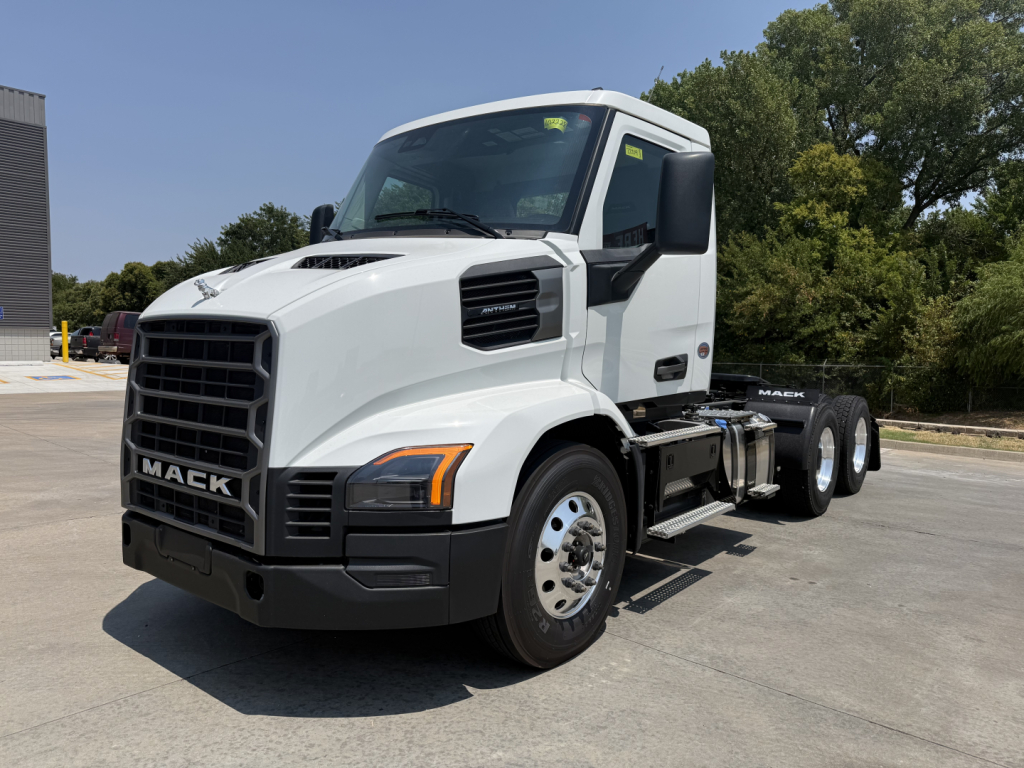
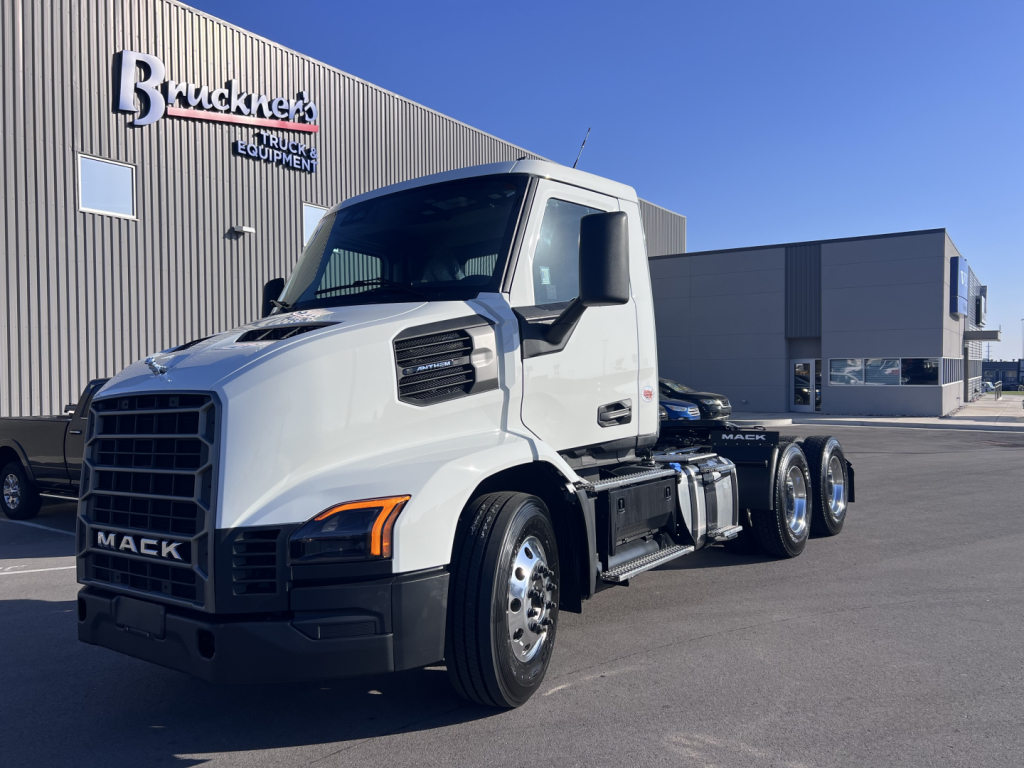
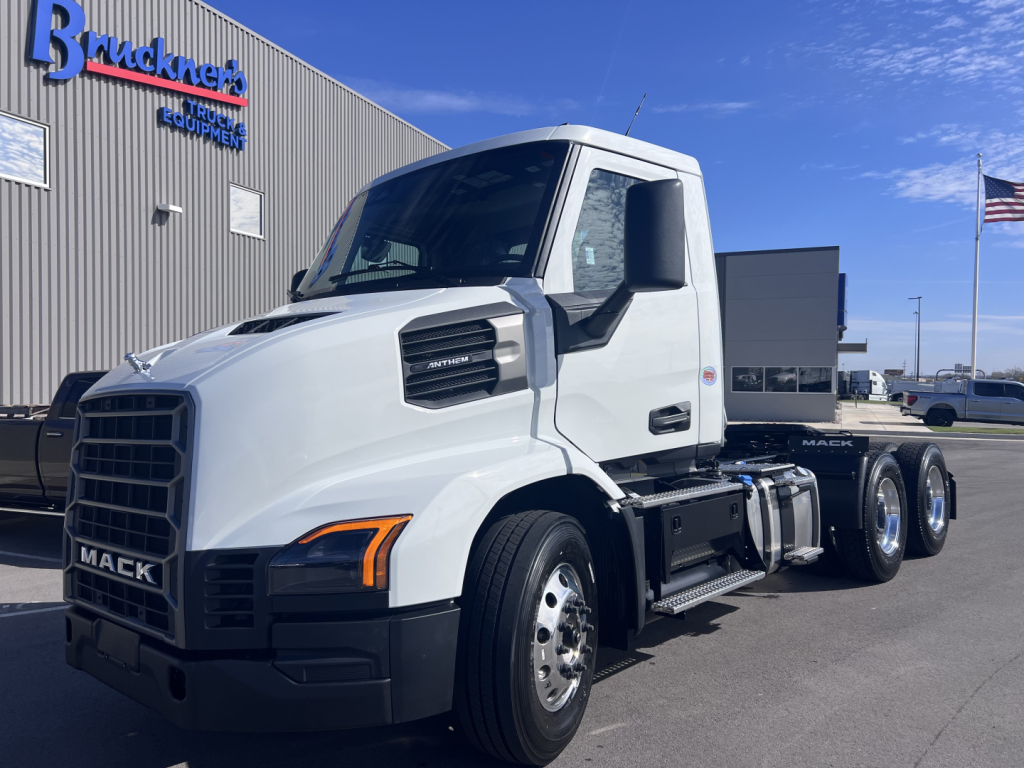

Selling a 2027 conventional daycab truck? List your 2027 conventional daycab truck for sale and reach thousands of commercial buyers.
2027 Conventional Daycab Trucks in Oklahoma
For Oklahoma operations, axle ratio, tire size, and wheelbase matter more than many buyers expect. A truck spec’d for I-35 and turnpike running with van or reefer freight may favor a taller rear ratio for lower cruise rpm and fuel economy, while a daycab pulling heavy bulk, oilfield-related loads, or frequent stop-and-go city freight may benefit from a shorter ratio and a more aggressive launch. Wheelbases commonly run from about 200 to 230 inches depending on trailer gap, bridge law needs, frame space, and whether the truck carries extras like headache racks, wet kits, or large fuel capacity. Many buyers also look for 11R24.5 rubber, aluminum wheels, air slide fifth wheels, and dual exhaust depending on appearance, weight targets, and serviceability.
Cab and chassis details separate a basic fleet tractor from a long-term keeper. Galvanized steel cab construction, heavy frame rails, clean back-of-cab packaging, and easy access to aftertreatment components all affect uptime. Interior choices such as premium seating, driver display layout, navigation, and switch placement matter on high-frequency route work where drivers are in and out of the truck all day. Safety and control technology have also become a bigger part of the buying decision in newer conventional daycabs, including collision mitigation, lane departure warning, adaptive cruise control, electronic stability systems, and integrated telematics. If the truck will be assigned to multiple drivers, simple controls and predictable shifting behavior can make as much difference as peak horsepower.
The best 2027 conventional daycab is the one spec’d to the freight, not the one with the biggest engine on paper. Look closely at GCWR, fifth wheel position, frame rail thickness, pusher or lift axle requirements, PTO readiness, fuel tank layout, and service network support for the brand you choose. A well-matched daycab should deliver tight maneuverability, strong visibility over the hood, easy trailer hookups, and low operating cost per mile. For buyers comparing multiple listings, the important differences are usually in axle ratings, gearing, transmission calibration, wheelbase, and application equipment, not just model year and mileage.
Frequently Asked Questions about 2027 Conventional Daycab Trucks in Oklahoma
What is a conventional daycab truck used for?
A conventional daycab truck is a road tractor with a standard hood and no sleeper compartment. It is commonly used for local delivery, regional haul, dedicated route work, tanker service, flatbed, dry van, port drayage, and vocational tractor applications. The layout reduces overall weight and length compared with a sleeper tractor, which helps when the truck returns to base daily and does not need overnight accommodations.
What specs matter most when buying a 2027 conventional daycab?
The most important specs are engine horsepower and torque, transmission type, front and rear axle ratings, axle ratio, wheelbase, suspension, and tire size. Buyers should also verify GCWR, fifth wheel type, fuel capacity, PTO or wet kit readiness, and any added equipment such as a headache rack or hydraulic setup. These details determine starting power, cruise rpm, turning radius, bridge compliance, and total operating cost far more than appearance alone.
Is an automated manual transmission a good choice in a daycab?
For most fleet and regional applications, an automated manual transmission is a strong fit in a conventional daycab. It improves driver consistency, reduces clutch wear, helps with training and recruiting, and can support fuel economy when paired with the right axle ratio. The key is making sure the transmission calibration matches the load profile, terrain, and startability needs of the operation.
What wheelbase is best for a conventional daycab?
The best wheelbase depends on trailer type, weight distribution, and how tight the operating environment is. Shorter wheelbases generally improve maneuverability in city work, yards, and customer docks. Longer wheelbases can provide better ride quality, more room for fuel tanks and back-of-cab equipment, and easier trailer gap management. Buyers should match wheelbase to bridge law requirements, fifth wheel placement, and any need for racks, toolboxes, or hydraulic equipment.
Are daycab trucks good for Oklahoma freight operations?
Yes. Conventional daycabs are a practical fit for many Oklahoma operations because they handle a mix of interstate cruising, regional freight, energy-related work, agriculture, and urban delivery. A buyer should spec the truck for the actual route profile. That usually means balancing fuel economy for highway miles against gearing and axle capacity for heavier loads, wind exposure, and frequent starts in local or vocational service.