
2027 Conventional Daycab Trucks For Sale in Arkansas
Shop 2027 conventional daycab trucks in Arkansas. Compare specs, axle ratings, wheelbases, and powertrain options for regional and vocational work.
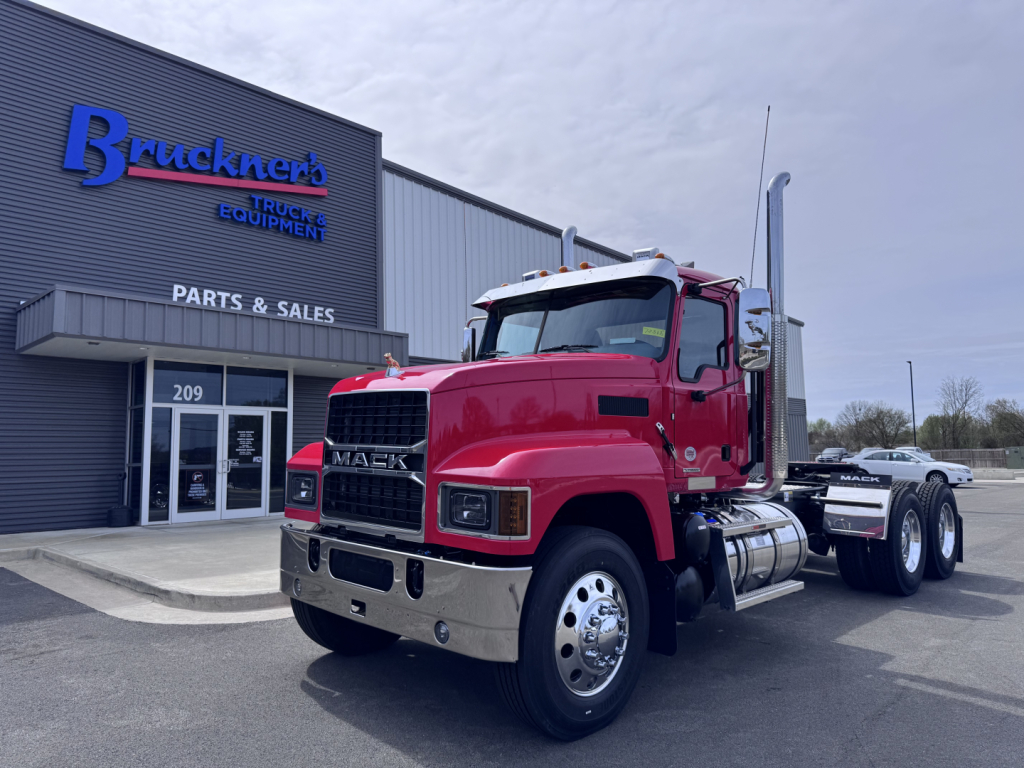
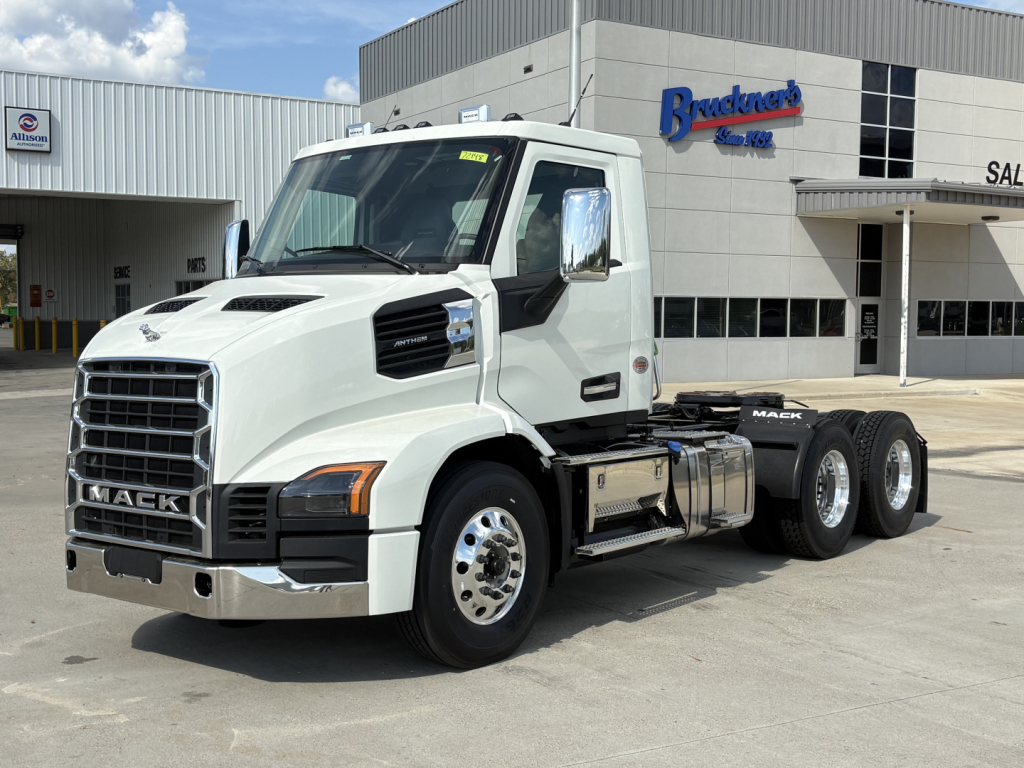

Selling a 2027 conventional daycab truck? List your 2027 conventional daycab truck for sale and reach thousands of commercial buyers.
2027 Conventional Daycab Trucks in Arkansas
The most important buying decisions usually start with axle ratings, wheelbase, and powertrain. Many conventional daycab trucks are spec'd as 6x4 tractors with steer axles in the 12,000 to 14,600 pound range and tandem rears around 40,000 pounds, though heavier vocational setups are common. Wheelbase matters more than many buyers expect. A shorter wheelbase helps in tight urban turns and jobsite access, while a longer wheelbase can leave room for wet kits, side-mounted hydraulic tanks, frame-mounted equipment, headache racks, or other vocational upfits. Engine ratings in this class commonly land in the mid-400 horsepower range with torque matched to application, and automated manual transmissions remain popular for fleets that want driver consistency, lower training friction, and reduced clutch wear.
Buyers comparing 2027 models should also look closely at suspension type, rear axle ratio, and braking and traction equipment. Air ride rear suspension is common for regional hauling and ride quality, while more severe-duty applications may call for stiffer vocational suspensions and locking differentials. Rear axle ratios should match your operating speed and startability needs, especially if the truck will spend time on rolling terrain, soft jobsites, or under heavier gross combination weights. Practical spec items such as fuel capacity, PTO readiness, fairing configuration, frame rail strength, and tire setup can matter just as much as horsepower. Inside the cab, the details that affect uptime are good visibility, durable interior materials, switch layout, and service access for daily checks.
A conventional daycab can also be referred to as a day cab tractor or a daycab semi truck. The best choice depends on the trailer, route density, and duty cycle. A regional dry van tractor may prioritize fuel economy and driver comfort, while a dump, lowboy, or tanker application may need heavier front axle capacity, full locking rears, dual exhaust, and space for hydraulic components. For Arkansas operations, it makes sense to think through interstate cruising, secondary-road durability, and turning room at customers before settling on a spec. A well-matched daycab should deliver the balance of durability, visibility, wheel cut, and drivetrain efficiency that fits the work without carrying the extra length and weight of a sleeper.
Frequently Asked Questions about 2027 Conventional Daycab Trucks in Arkansas
What is a conventional daycab truck best used for?
A conventional daycab truck is best suited for local and regional hauling where the driver returns home daily and does not need a sleeper berth. Common uses include container drayage, warehouse transfers, tanker routes, dump and equipment hauling, dedicated regional freight, and other operations that require frequent stops, tight turning, and quick cab entry and exit.
What specs matter most when buying a 2027 conventional daycab?
The most important specs are axle ratings, wheelbase, engine horsepower and torque, transmission type, rear axle ratio, and suspension. Those choices determine how the truck will handle trailer weight, jobsite conditions, cruising speed, and any needed upfits such as hydraulics or frame-mounted equipment. Buyers should also confirm PTO capability, brake configuration, and front axle capacity if the truck will carry heavy accessories or operate in vocational service.
Is an automated transmission a good choice in a daycab tractor?
For many fleets, an automated transmission is a strong fit because it improves driver consistency, reduces clutch wear, and can help with fuel economy when paired correctly with the engine and rear ratio. It is especially useful in stop-and-go regional work and in operations with multiple drivers. A manual transmission may still appeal in specialized heavy-haul or off-road applications where the fleet wants direct control and has drivers trained for it.
How do I choose the right wheelbase for a conventional daycab?
Choose wheelbase based on trailer swing clearance, turning environment, and any equipment you need to mount on the frame. Shorter wheelbases improve maneuverability in city streets, terminals, and crowded yards. Longer wheelbases can provide better packaging for wet kits, hydraulic tanks, headache racks, and other vocational components, but they may reduce agility in tight spaces. The right answer depends on both the trailer and the work site.
Are conventional daycab trucks in Arkansas usually spec'd differently than long-haul tractors?
Yes. Arkansas daycab specs often lean toward regional and vocational duty rather than over-the-road sleeper comfort. That can mean heavier steer axles, tandem rears with locking differentials, air ride or severe-duty suspensions, practical wheelbase choices, and drivetrain setups tuned for mixed interstate and secondary-road use. The goal is usually durability, payload flexibility, and maneuverability instead of maximum sleeper amenities and long-range fuel capacity.