
2027 Volvo Conventional Daycab Trucks For Sale
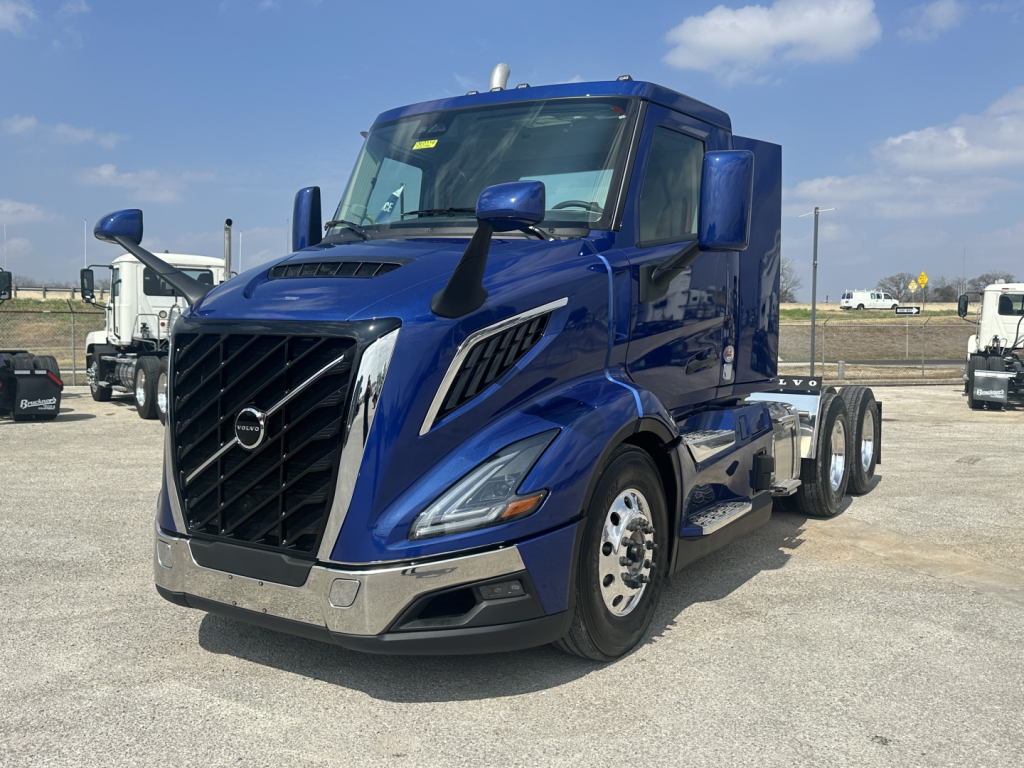
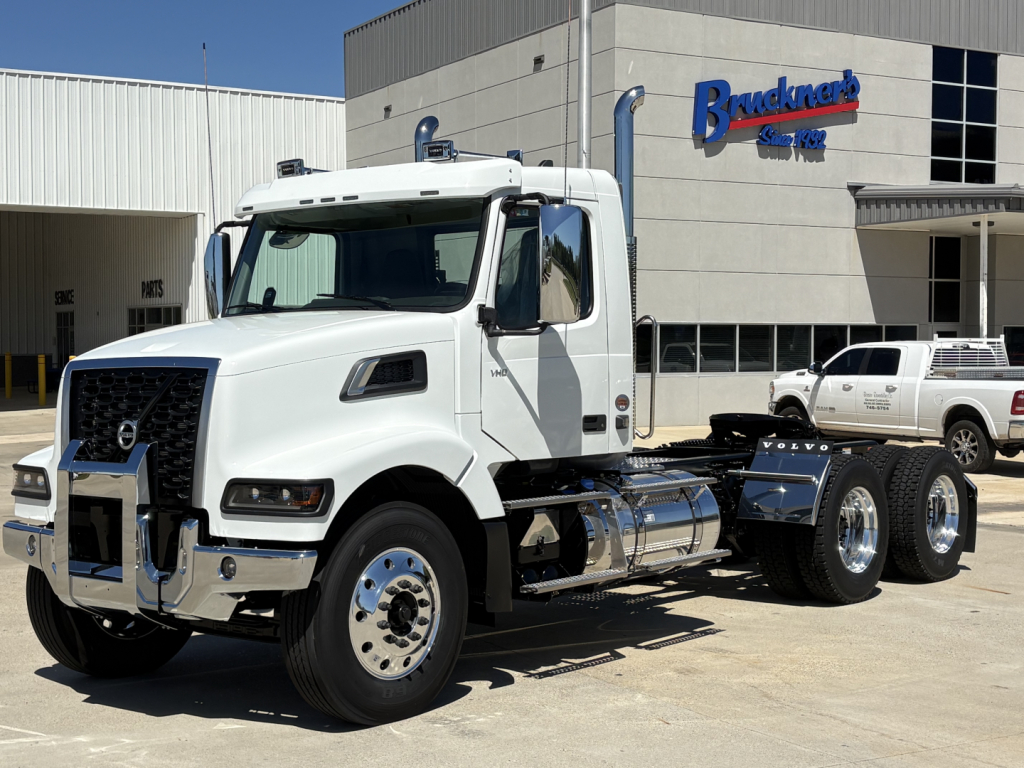
Have 2027 volvo conventional daycab truck to sell? List it here to reach thousands of buyers.
2027 Volvo Conventional Daycab Trucks
Powertrain selection drives operating cost more than almost any other spec. Volvo daycabs are commonly spec'd with D11 or D13 diesel engines, often paired with the I-Shift automated manual transmission. The D11 is a strong fit for weight-conscious regional fleets that want good fuel economy and adequate horsepower for van, reefer, and lighter bulk applications. The D13 is the better match for higher GCWR, tougher grades, frequent interstate pulling, or operations that need stronger low-rpm torque. Rear axle ratios, engine brake performance, and cruise-speed targets should be considered together. A tall ratio may improve fuel economy on steady highway routes, while a more aggressive ratio can help launch performance in stop-and-go or vocational-style service.
Chassis details matter on a daycab because these trucks are often assigned to precise trailer and body requirements. Wheelbase, cab-to-axle, and fifth wheel position affect bridge compliance, trailer gap, and turning radius. Suspension choice also changes the truck’s personality. Air ride remains the preferred setup for ride quality and freight protection, while vocational or heavier-haul applications may call for a more robust rear suspension and higher rears. Common buyer checkpoints include front axle rating, tandem capacity, frame configuration, brake type, and tire size. Air disc brakes, disc-compatible wheel ends, and integrated safety systems are increasingly important for fleets prioritizing stopping performance, driver acceptance, and maintenance consistency.
Inside the cab, Volvo daycabs are known for an ergonomic driving position, strong sightlines, and driver-friendly controls that suit multi-stop regional work. For a 2027 model, many buyers will focus on collision mitigation technology, adaptive cruise, lane support features, telematics integration, and emissions warranty coverage alongside the traditional hard specs. The best 2027 Volvo conventional daycab for the job is usually the one with the right wheelbase, axle ratings, and engine-transmission combination for the freight, not simply the highest horsepower rating. Matching the truck to route length, trailer type, average payload, and loading environment will usually produce better uptime and lower cost per mile over the long run.
Frequently Asked Questions about 2027 Volvo Conventional Daycab Trucks
What is a Volvo conventional daycab truck best suited for?
A Volvo conventional daycab is best suited for regional hauling, local and short-haul freight, drayage, dedicated fleet routes, LTL-style operations, and any application where the truck returns to base without needing a sleeper. The shorter cab and generally tighter overall dimensions improve maneuverability in terminals, urban areas, and customer yards. Daycabs also tend to weigh less than comparable sleeper tractors, which can help payload and fuel economy depending on the spec.
Should I choose a Volvo D11 or D13 in a conventional daycab?
The D11 is typically the better choice for regional van, reefer, and lighter-weight applications where fuel economy and lower curb weight are priorities. The D13 is usually the stronger option for heavier trailers, steeper terrain, higher gross combination weights, and fleets that want more torque in reserve. The right answer depends on payload, route profile, cruise speed, and expected annual miles. Engine selection should be matched with transmission programming and rear axle ratio, not chosen in isolation.
Is a 4x2 or 6x4 better for a Volvo daycab?
A 4x2 daycab can work well for lighter regional service, lower tare weight, and applications where axle laws and traction demands allow it. A 6x4 is more common because it offers better traction, broader trailer compatibility, and higher usable capacity for general freight and mixed operating conditions. For many buyers, a 6x4 also provides stronger versatility and resale value. The decision should be based on legal payload needs, road conditions, and the type of trailer being pulled.
What specs matter most when comparing conventional daycab trucks?
The most important specs are axle configuration, engine family, horsepower and torque rating, transmission type, rear axle ratio, suspension rating, wheelbase, fifth wheel setup, and brake package. Cab-to-axle and overall wheelbase are especially important when the truck must match a trailer length, body installation, or tight turning requirement. Buyers should also verify front axle capacity, tire size, fuel capacity, and any driver-assist or telematics equipment that affects fleet standardization and operating cost.
Are Volvo daycabs a good fit for fleet operations?
Volvo daycabs are a strong fit for fleet operations because they are commonly spec'd for fuel efficiency, driver comfort, safety technology, and automated manual transmissions that help reduce driver variability. The cab layout is practical for frequent entry and exit, and the platform is widely used in regional applications where uptime and predictable operating cost matter. For fleet buyers, the real advantage comes from consistent spec'ing across routes, drivers, and trailer types so maintenance, training, and parts support stay streamlined.