
Conventional Daycab Trucks For Sale in New Mexico
Shop conventional daycab trucks in New Mexico with tandem axles, diesel power, and specs built for regional haul, port, and local fleet work.
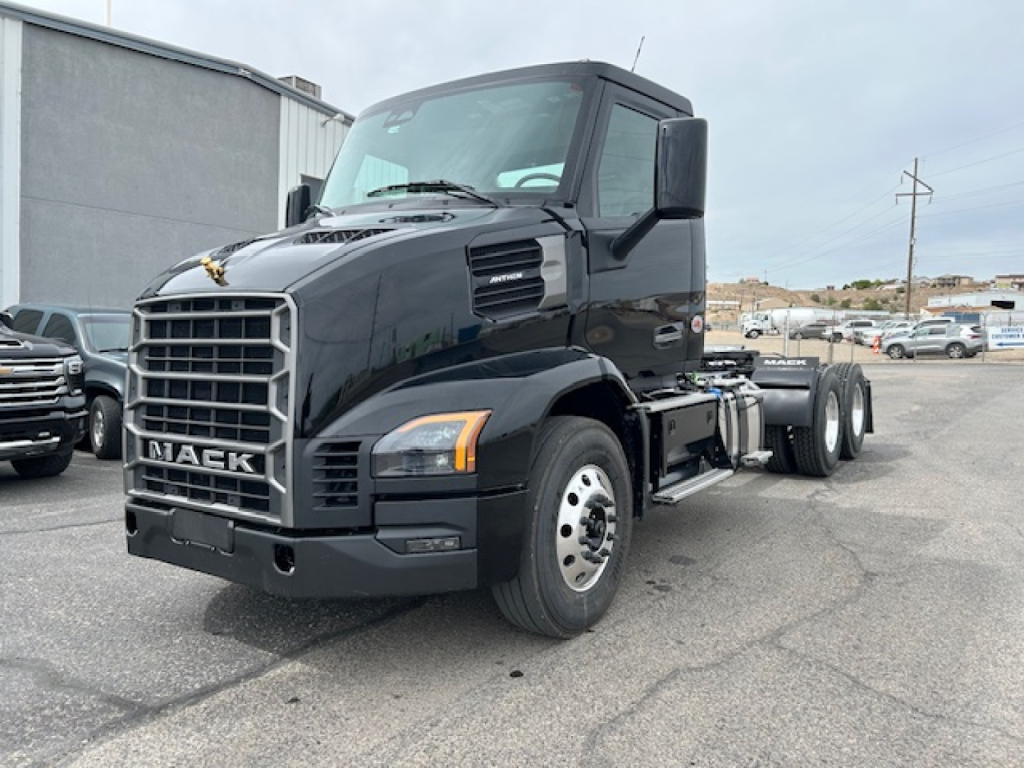
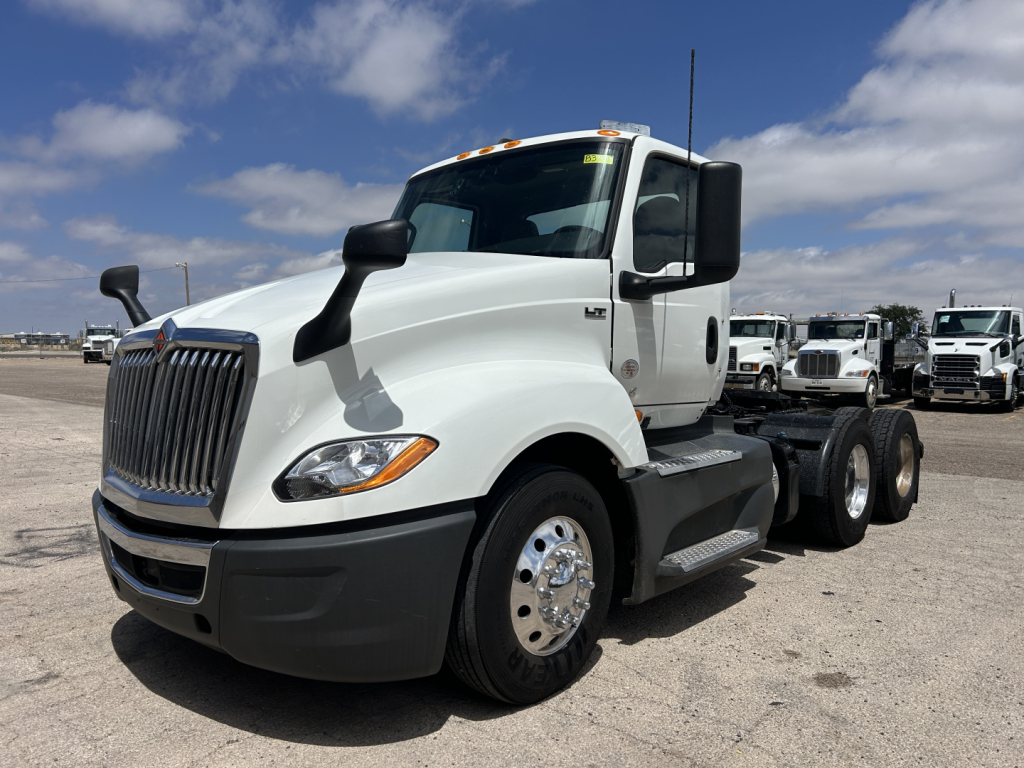
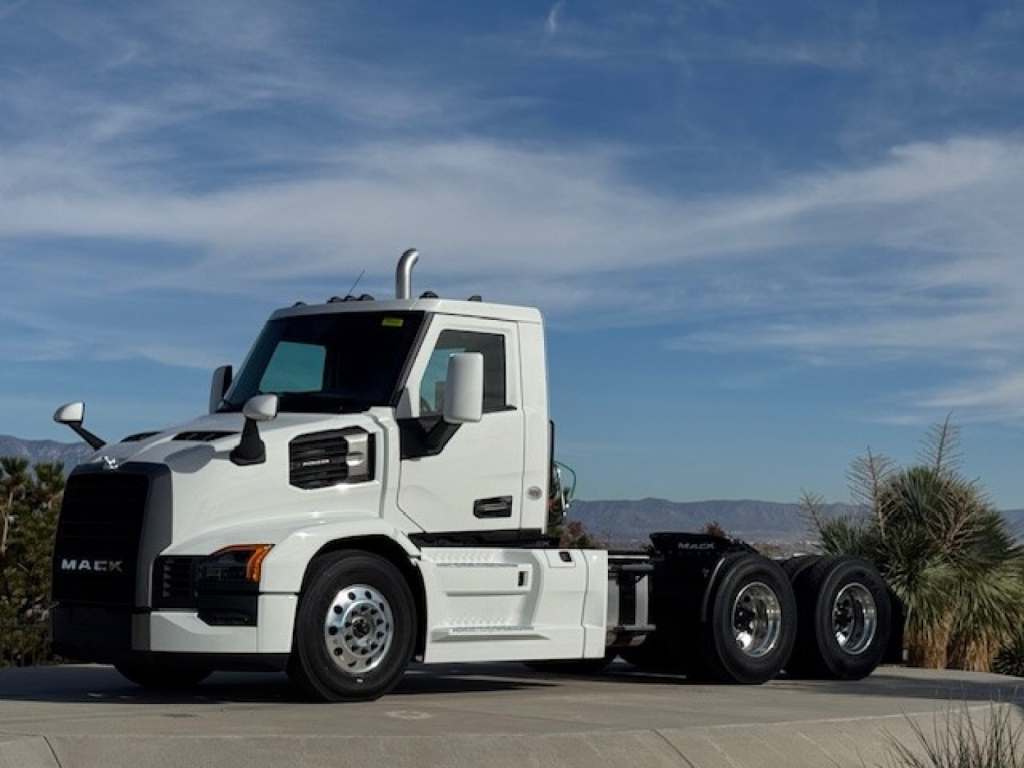
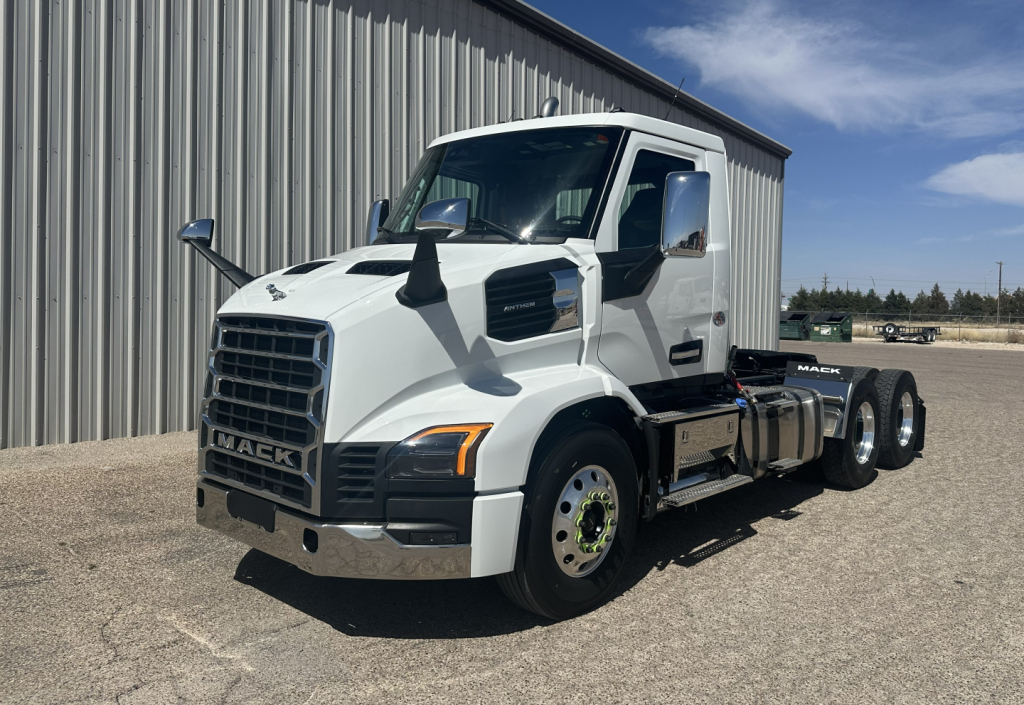

Selling a conventional daycab truck? List your conventional daycab truck for sale and reach thousands of commercial buyers.
Conventional Daycab Trucks in New Mexico
The most important buying decisions usually come down to powertrain, axle spec, and wheelbase. In this category, buyers commonly see 12-speed automated manual transmissions such as Mack mDRIVE or Eaton Endurant paired with diesel engines in the 400 to 515 horsepower range. Tandem rear axles with 40,000-pound ratings are standard on many highway and vocational crossover daycabs, and front axles often fall in the 12,000 to 13,200-pound range. Rear axle ratios can vary widely. A faster ratio like 2.79 favors fuel economy on steady highway runs, while ratios in the low 3s to mid 3s better support gradeability, heavier starts, and mixed regional work. Wheelbases around 180 to 197 inches are common because they balance trailer clearance, bridge law considerations, and turning radius.
Suspension and chassis details deserve close attention because they affect both driver comfort and application fit. Air ride rear suspension is common on conventional daycab trucks used for van, reefer, and many tanker or bulk applications because it helps with ride quality and freight protection. Buyers hauling dense commodities or operating on rougher surfaces should compare suspension ratings, frame spec, and overall GVWR rather than focusing on horsepower alone. Fifth wheel setup, sliding travel, and frame length should match the trailer mix in the fleet. If the truck will spend time on uneven yard entrances, energy routes, or construction-adjacent roads common in parts of New Mexico, ground clearance, bumper set-back, and tire selection can matter as much as engine rating.
For used conventional daycab trucks, miles and service history are only the starting point. Look at idle hours, clutch life on AMTs, DPF and aftertreatment maintenance, suspension wear, and signs of frame or fifth wheel stress from repeated heavy pulls. For newer specs, emissions package, cruise and safety tech, and downspeeding strategy should line up with the route profile. A well-matched conventional daycab should be easy to hook to multiple trailer types, efficient at highway speed, and durable enough for daily stop-and-go work without carrying the extra weight and cost of a sleeper.
Frequently Asked Questions about Conventional Daycab Trucks in New Mexico
What is a conventional daycab truck used for?
A conventional daycab truck is a highway tractor without a sleeper, designed for runs where the driver does not need overnight accommodations. It is commonly used for regional freight, local shuttle work, container drayage, tanker service, dedicated lanes, and private fleet distribution. The conventional hood gives easier engine access and strong cooling capacity, while the daycab layout reduces weight and overall length compared with a sleeper tractor.
What horsepower is typical for a conventional daycab?
Many conventional daycab trucks are spec'd in the 400 to 515 horsepower range, depending on trailer weight, terrain, and desired cruise speed. Lower horsepower settings can work well for lighter regional van or reefer service, especially when matched with efficient axle ratios. Higher horsepower is more common for heavy tanker, mountain grades, bulk haul, or fleets that want stronger acceleration and better performance at higher gross weights.
What rear axle ratio is best for a daycab truck?
The best rear axle ratio depends on the route and load profile. Ratios such as 2.79 or 3.08 are often chosen for fuel economy and lower engine rpm on highway runs. Ratios like 3.25 or 3.42 can be a better fit for heavier starts, frequent stops, or routes with more grades. Buyers should evaluate axle ratio together with tire size, transmission overdrive, engine torque curve, and average gross combination weight rather than choosing by ratio alone.
Are tandem axle daycab trucks standard?
Tandem axle daycab trucks are the most common setup for over-the-road and regional tractor applications because they provide the traction and payload support needed for loaded semitrailers. A typical tandem daycab may carry a 40,000-pound rear axle rating with a 12,000 to 13,200-pound front axle, but exact ratings vary by chassis spec. Single-axle daycabs are available for lighter applications, though they are less common in heavier freight operations.
What should I inspect on a used conventional daycab truck?
On a used conventional daycab, inspect engine service records, aftertreatment history, transmission operation, suspension condition, and signs of frame or fifth wheel wear. Check tire wear patterns for alignment or suspension issues, review fault codes if available, and compare engine hours with odometer miles to understand idle time. It is also smart to verify axle ratings, wheelbase, and fifth wheel placement so the truck matches the trailers and legal weight distribution required in the operation.