
2019 Conventional Daycab Trucks For Sale
Shop 2019 conventional daycab trucks with specs for regional haul, local delivery, port work, and vocational tractor applications.
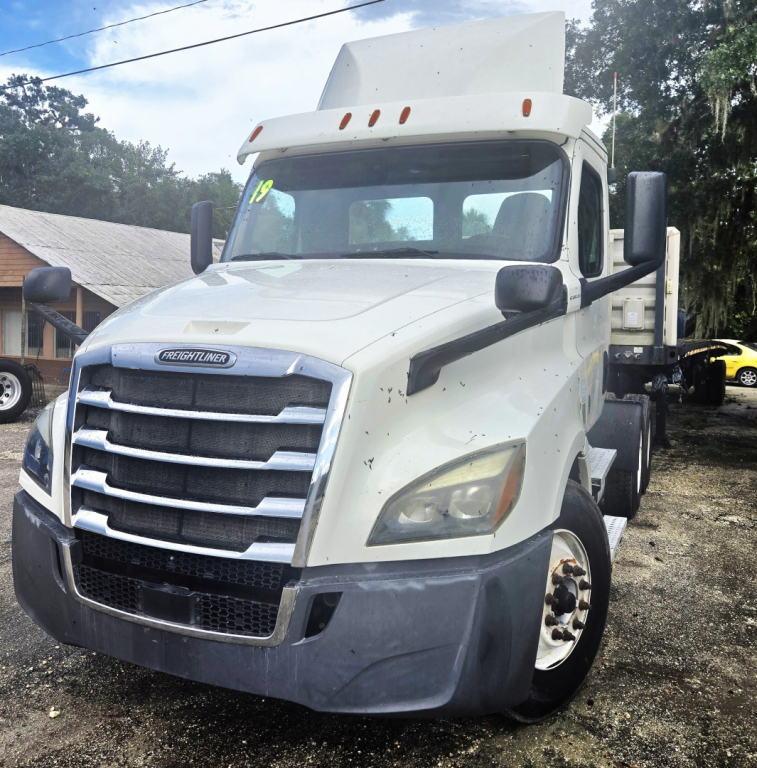
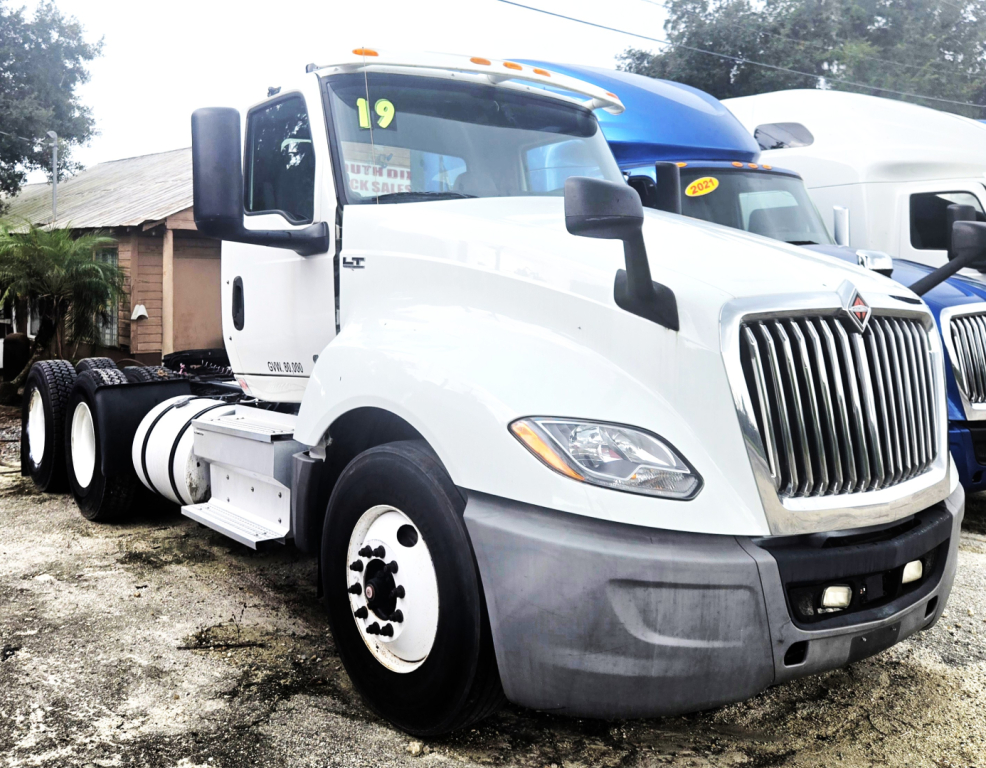
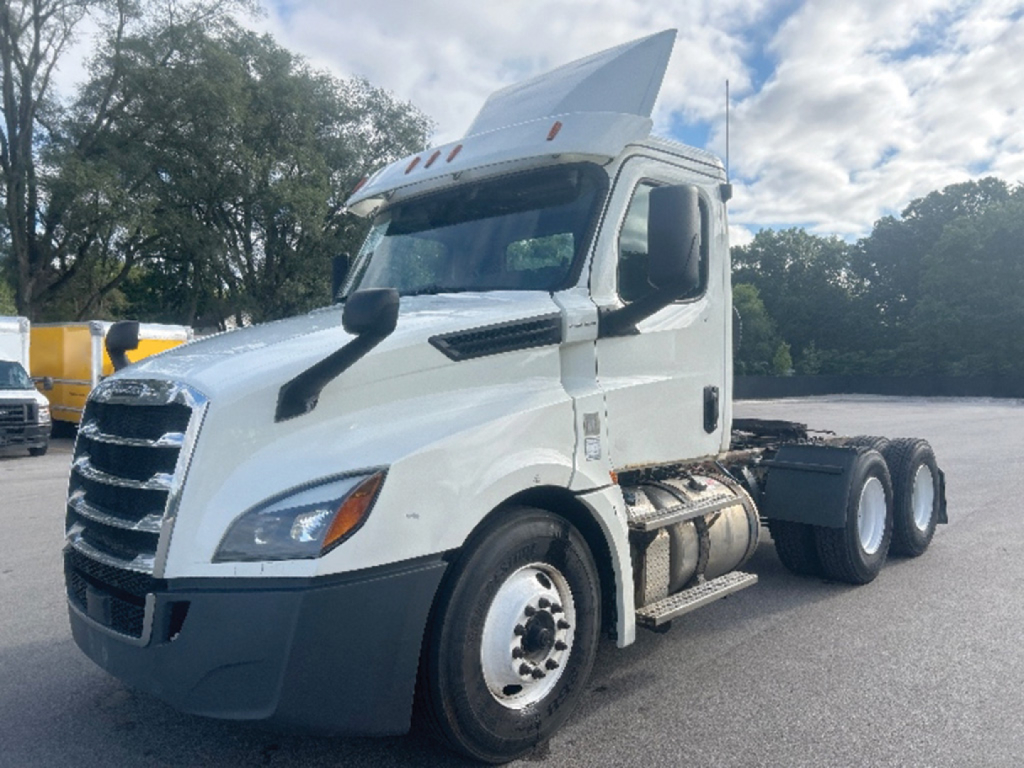
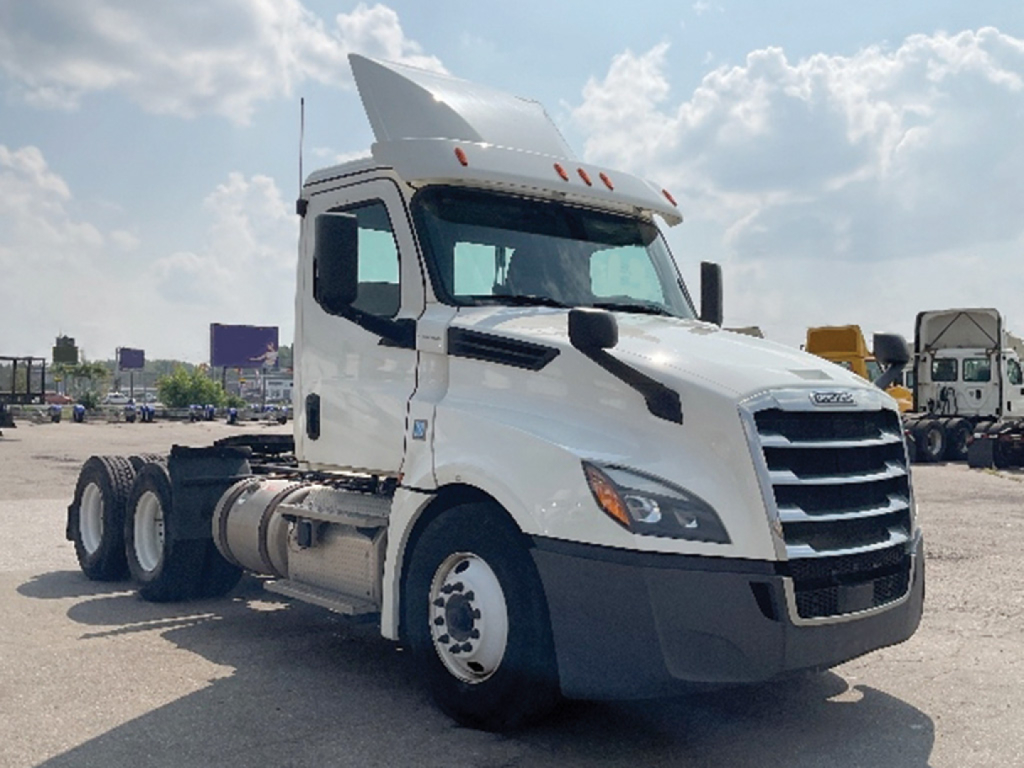
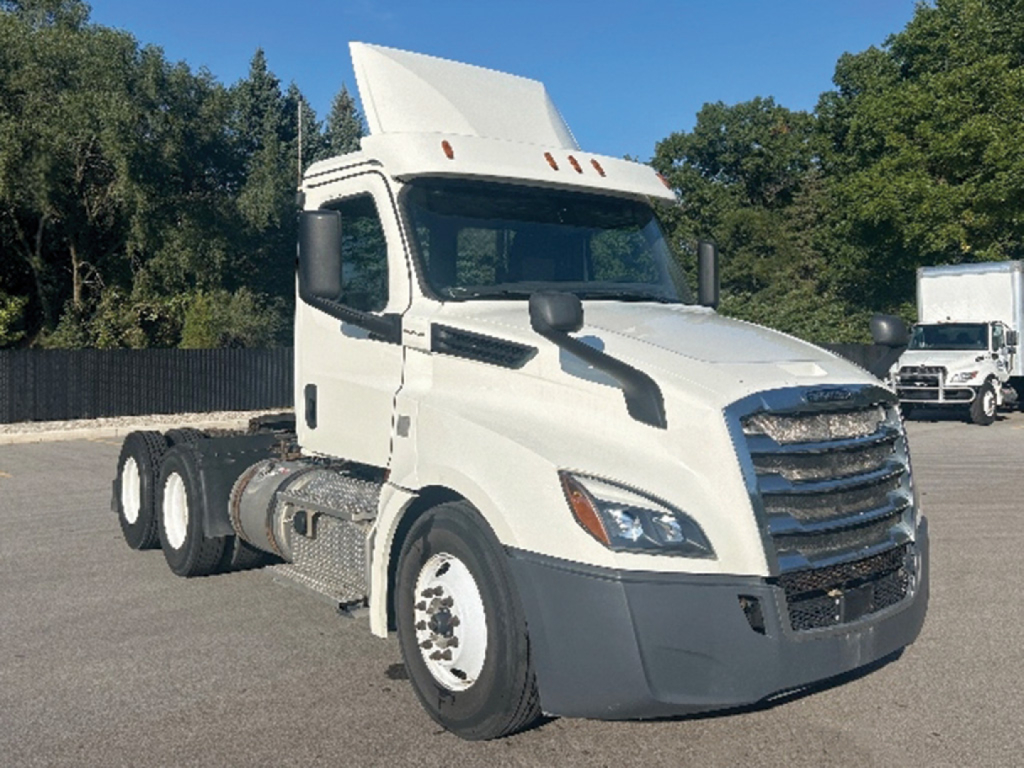
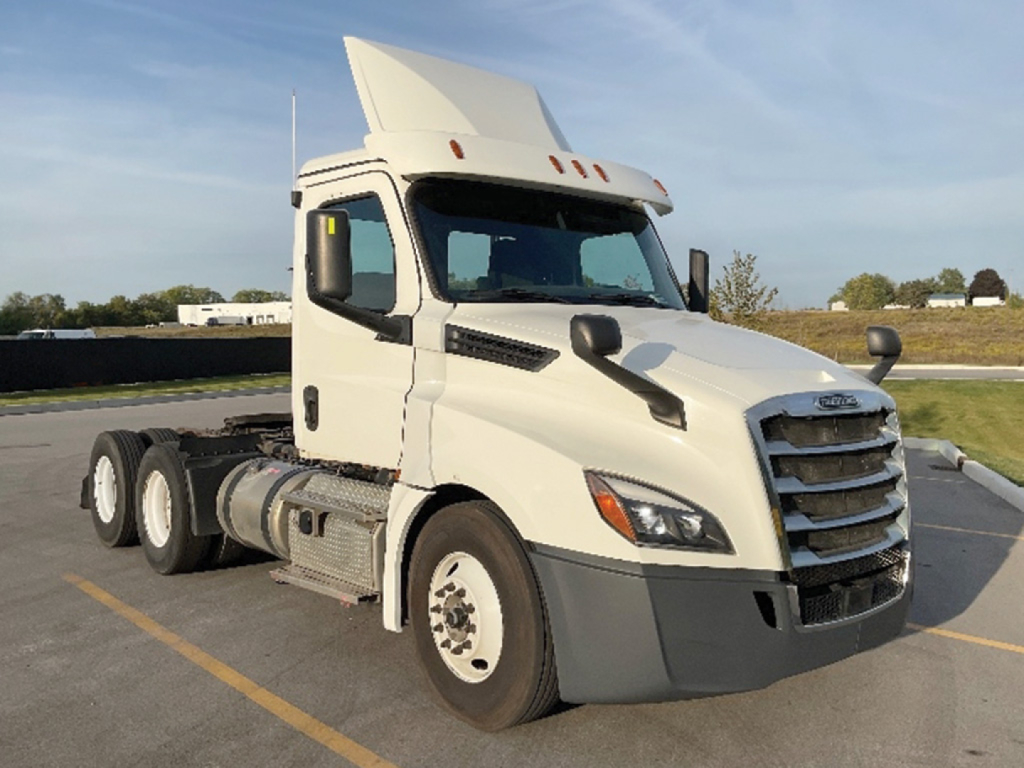
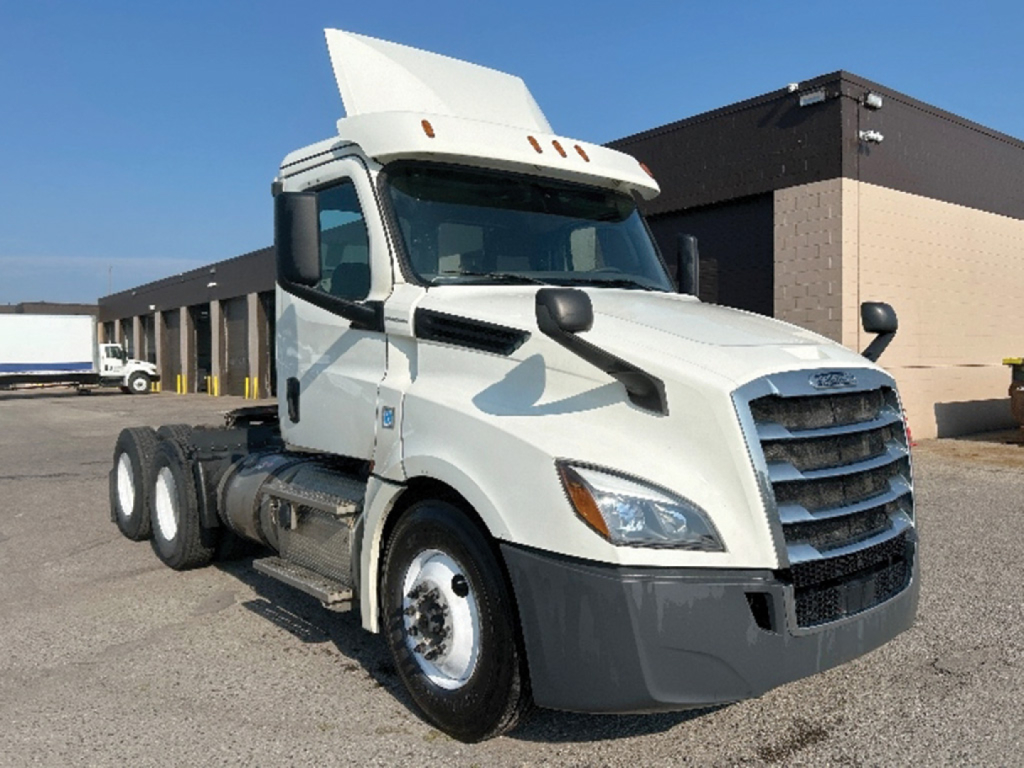
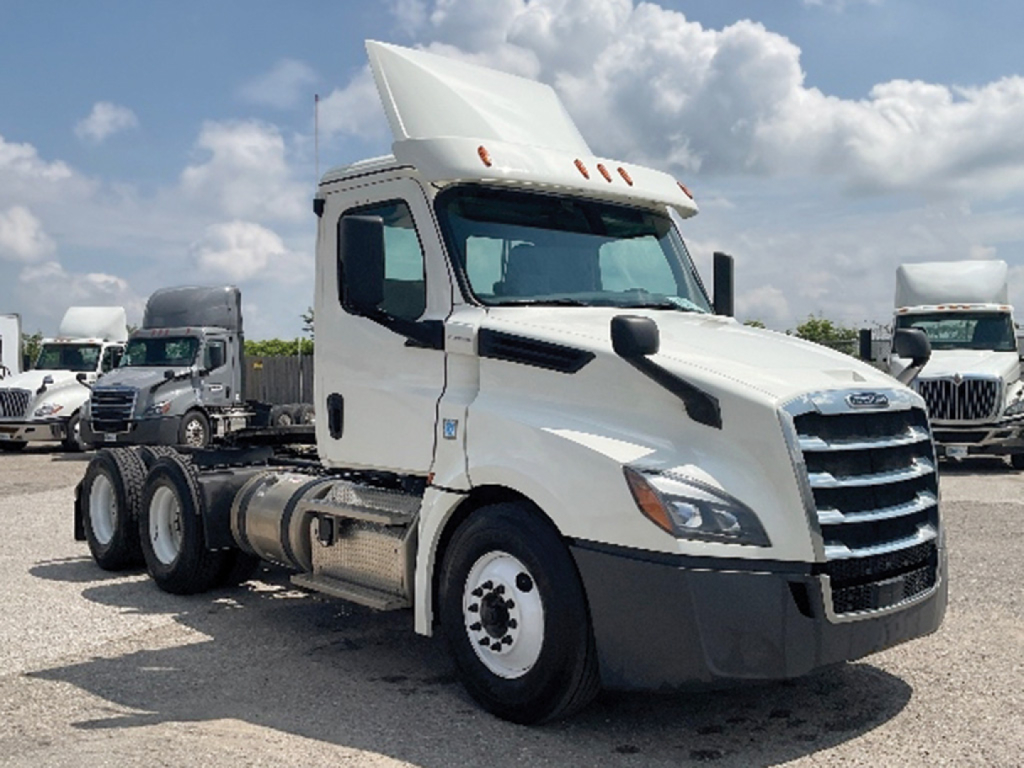
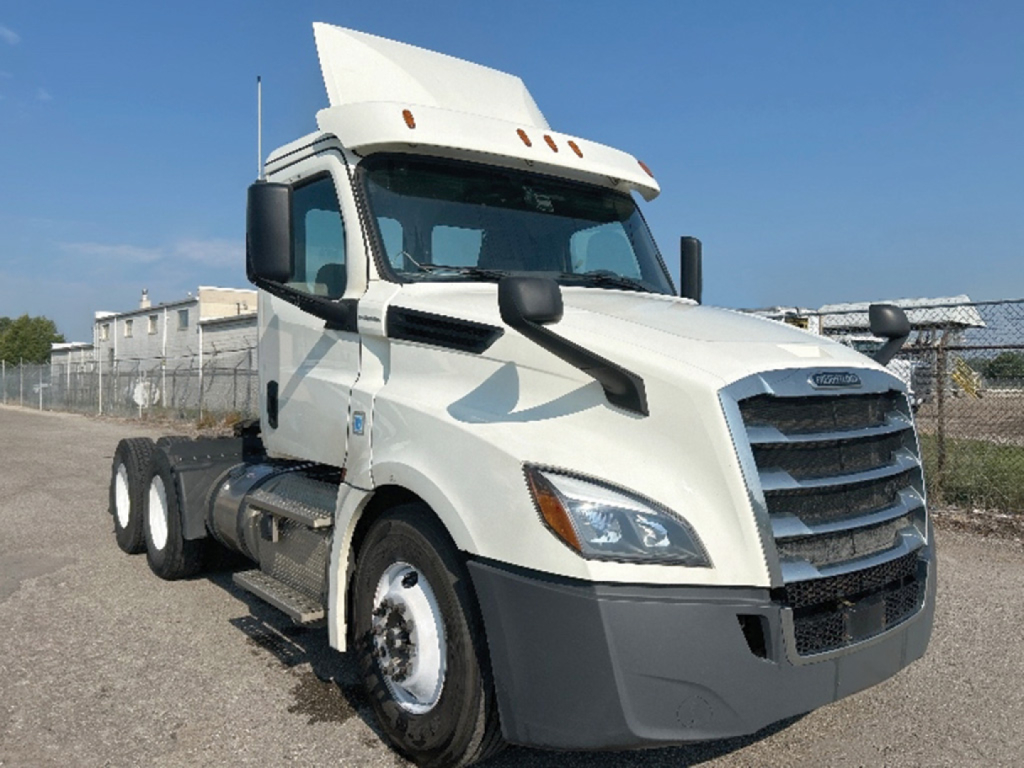
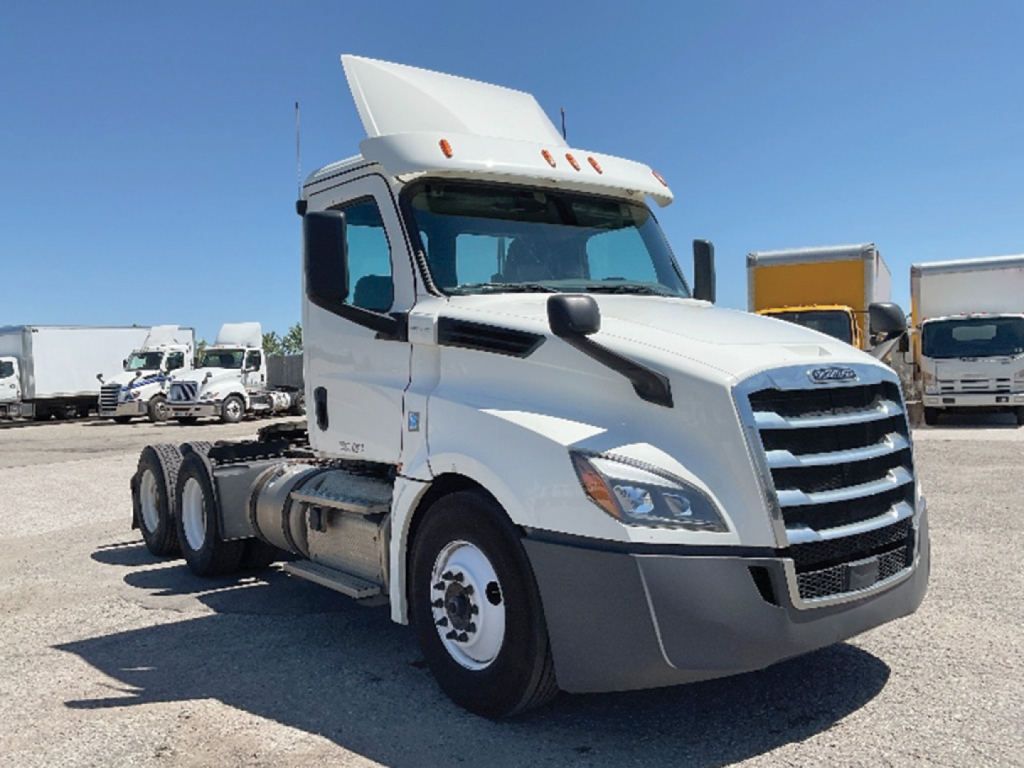
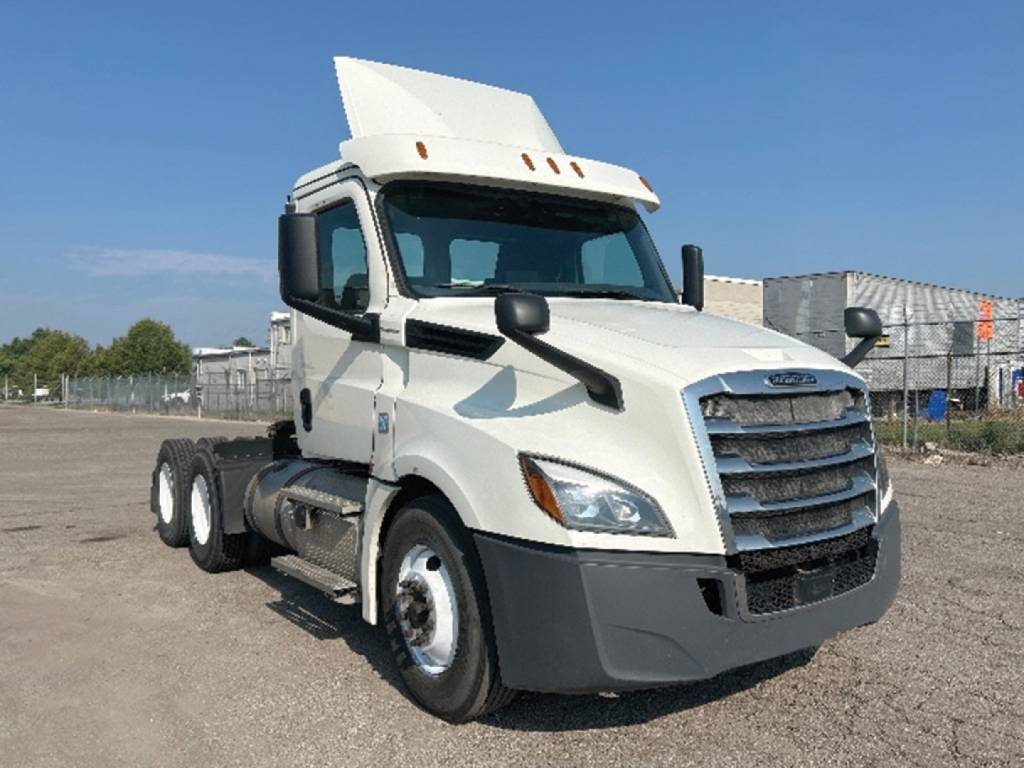
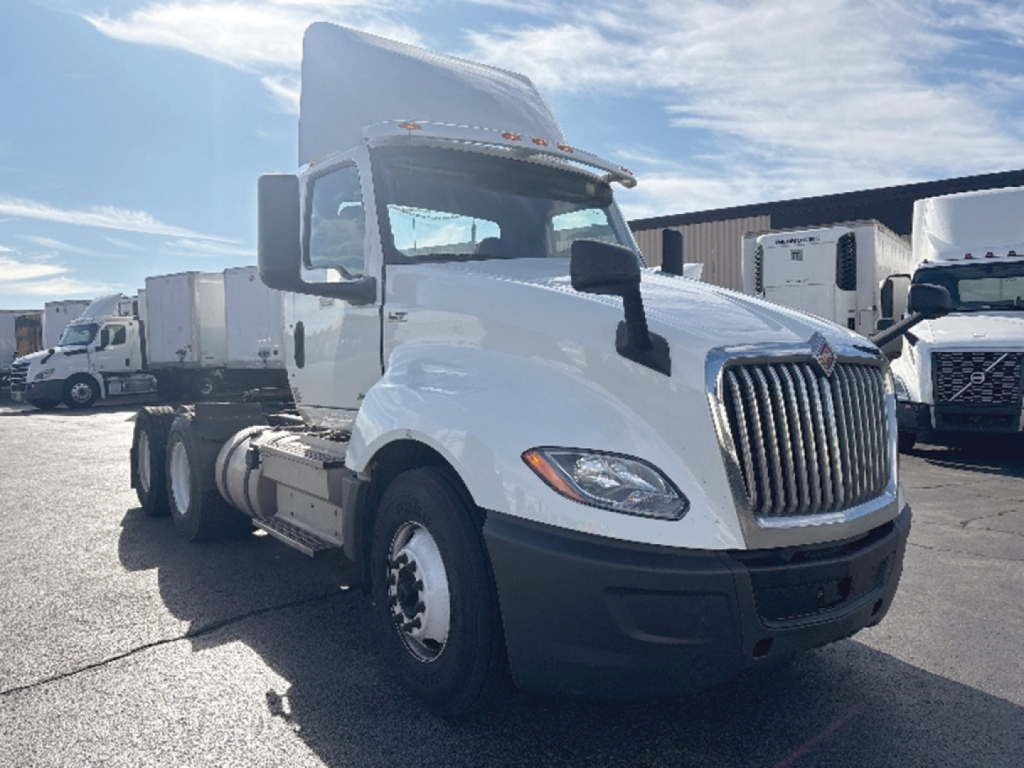
2019 International LT625
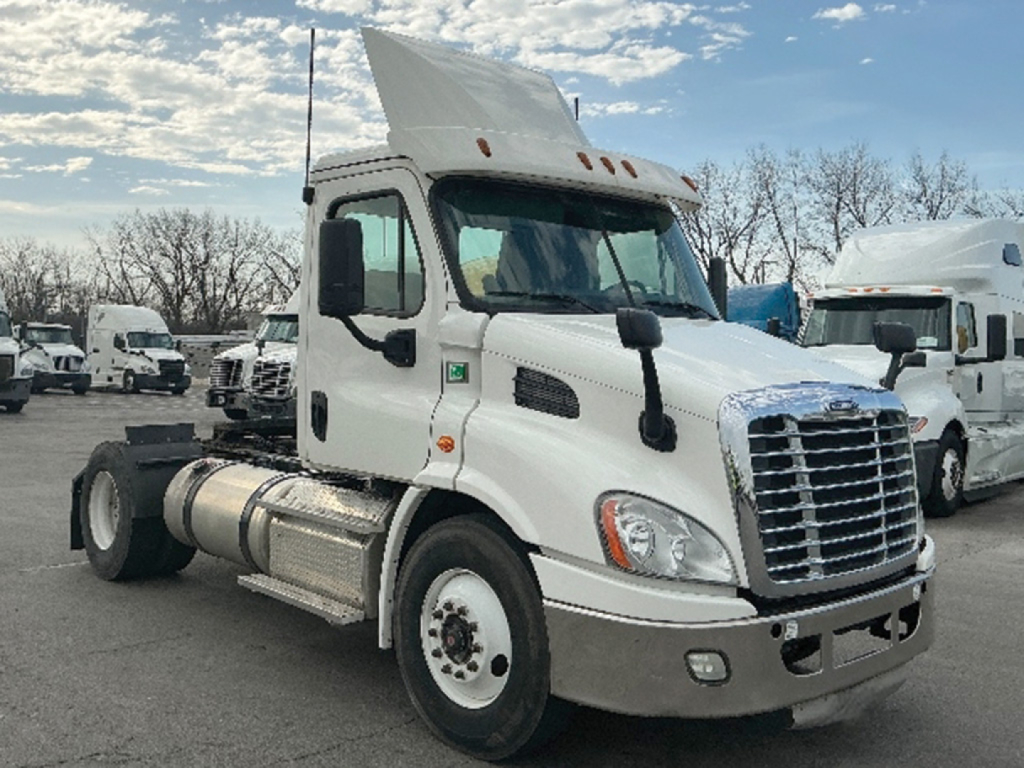
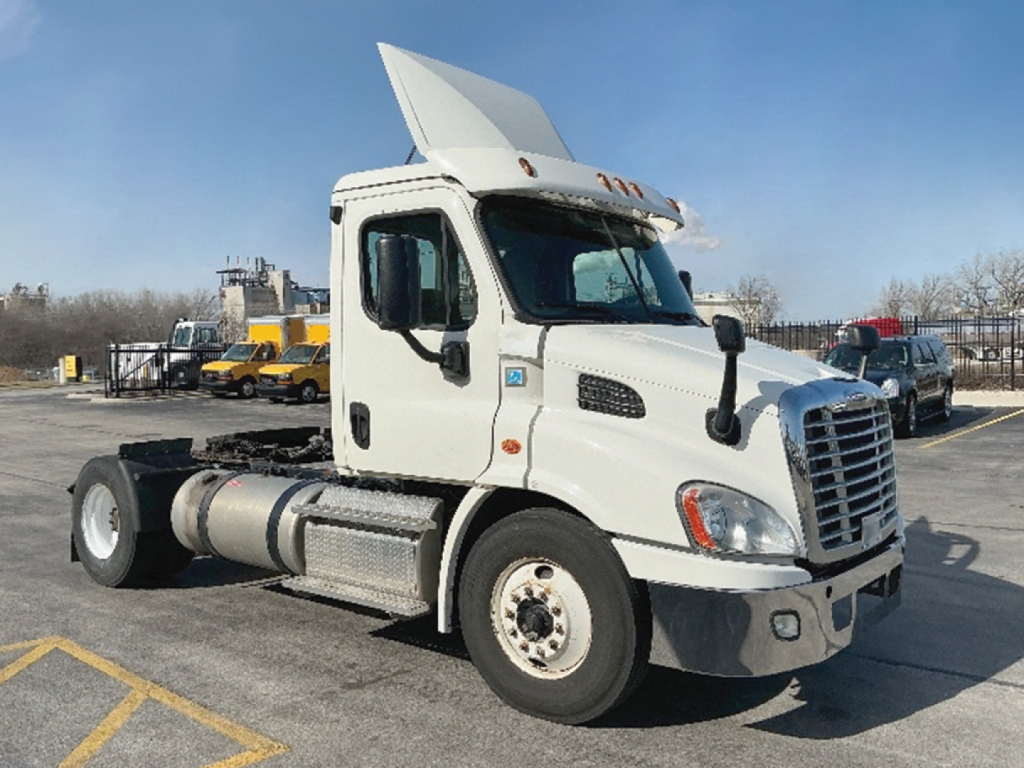
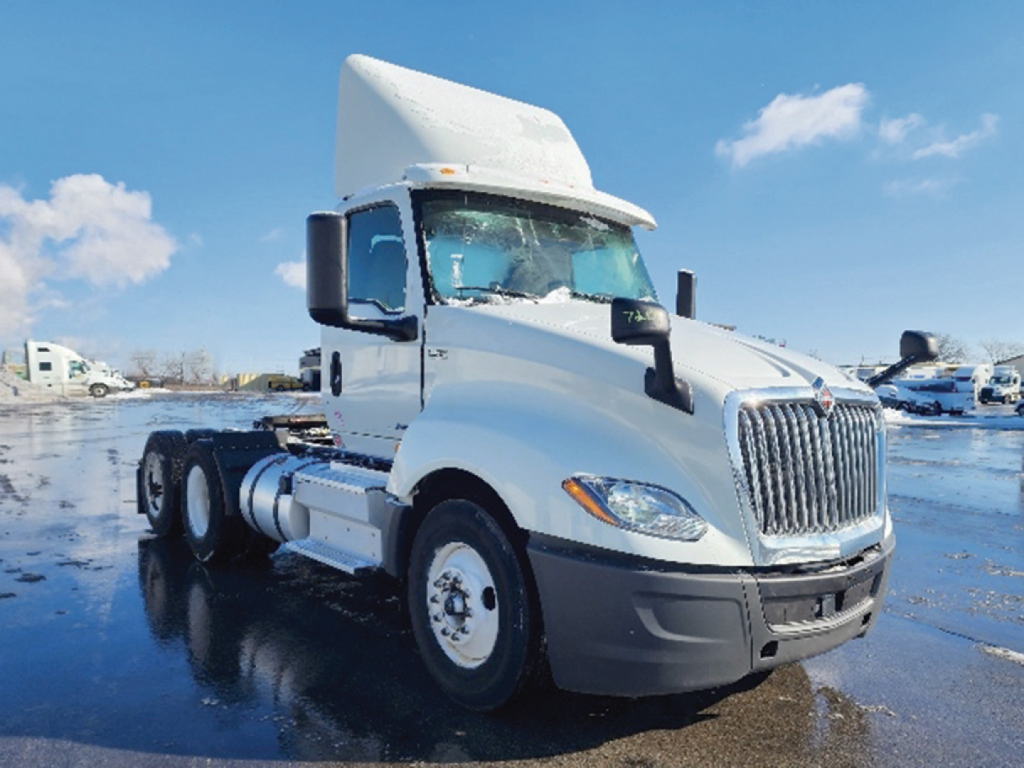
2019 International LT625
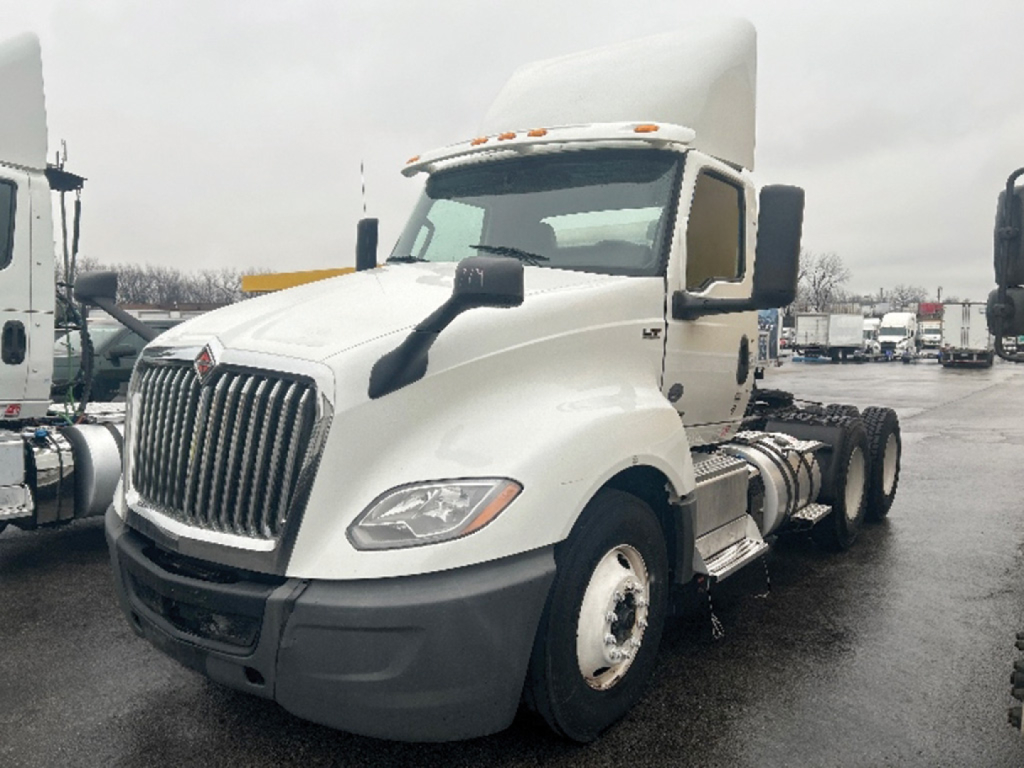
2019 International LT625
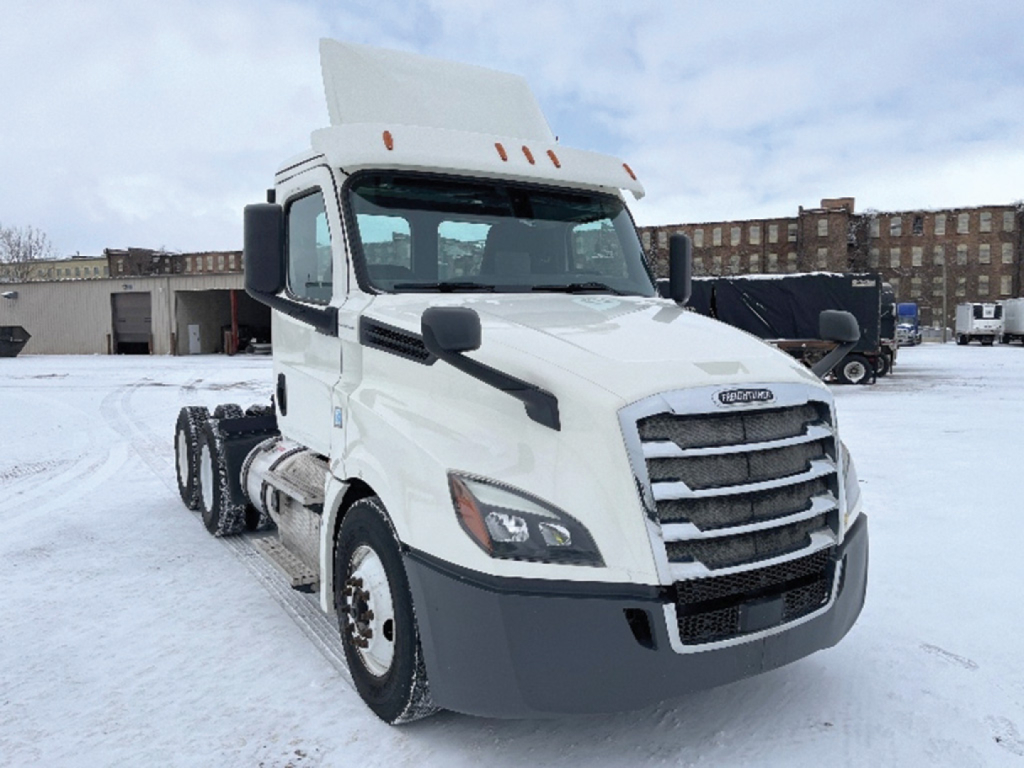
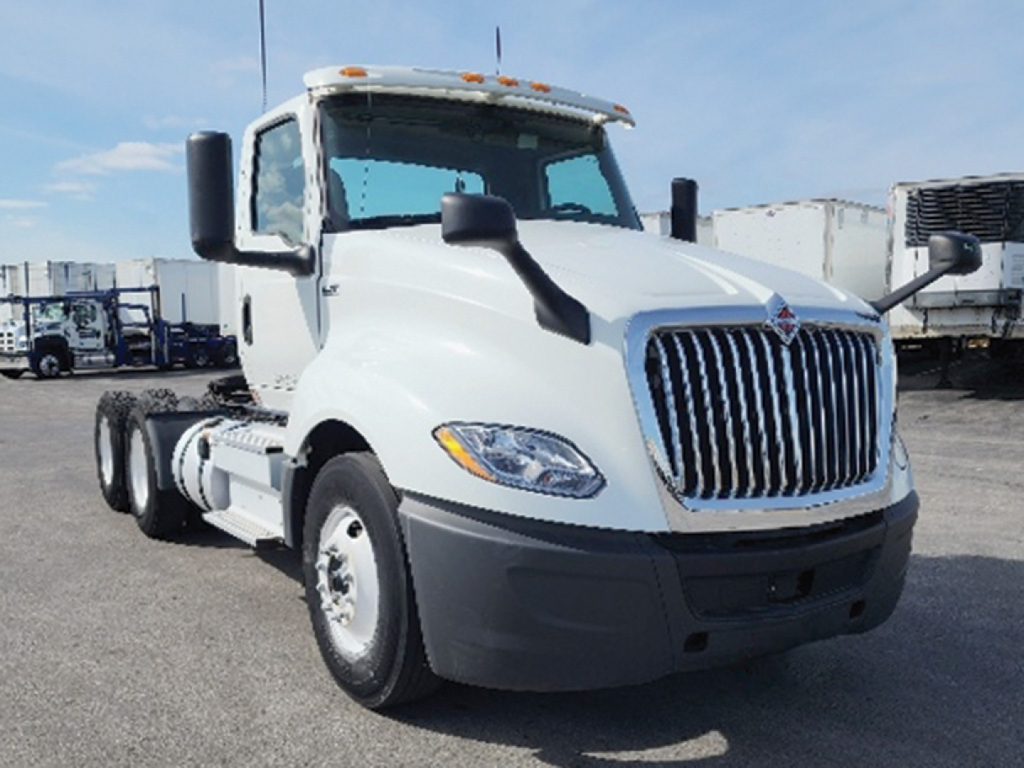
2019 International LT625
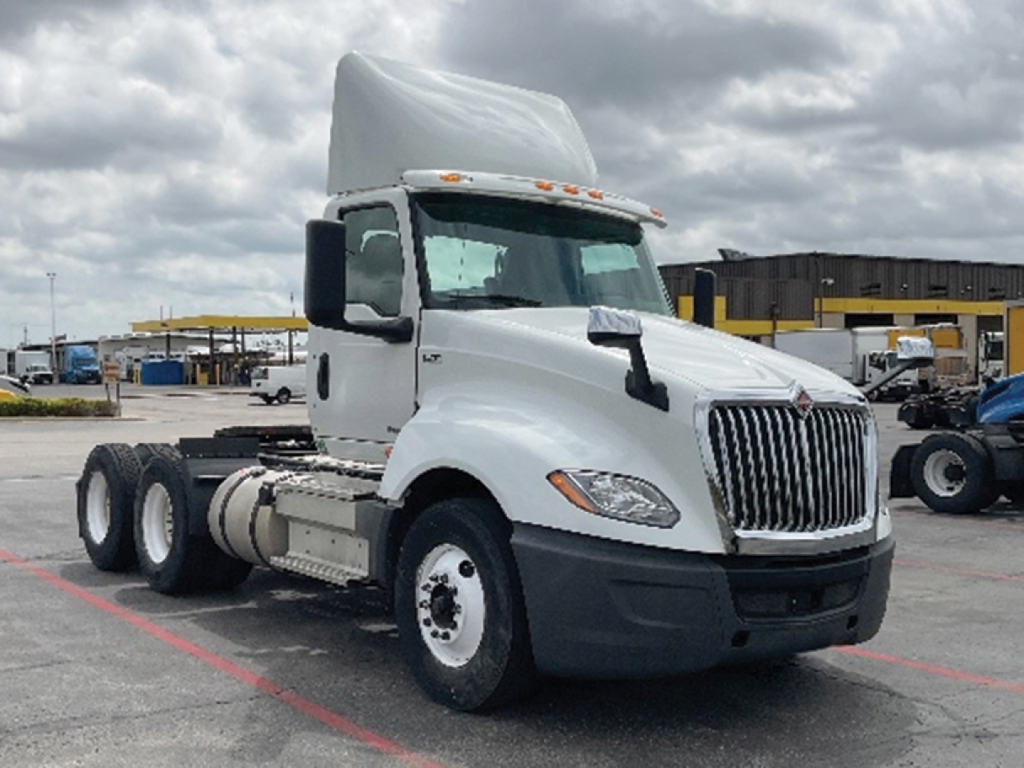
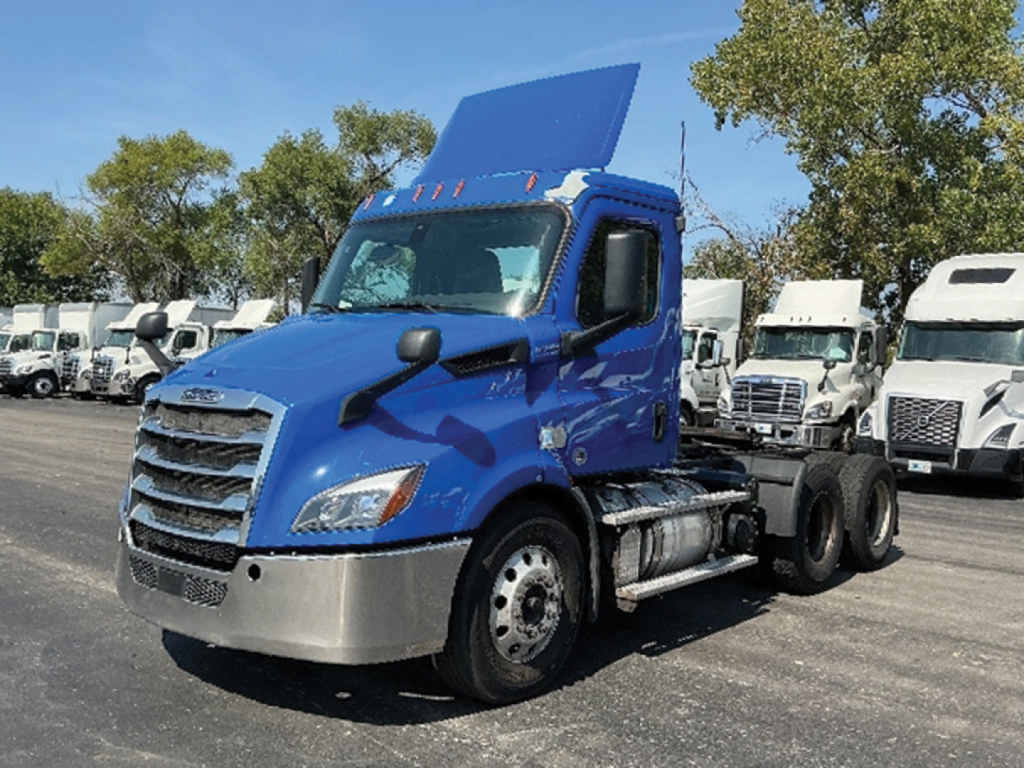
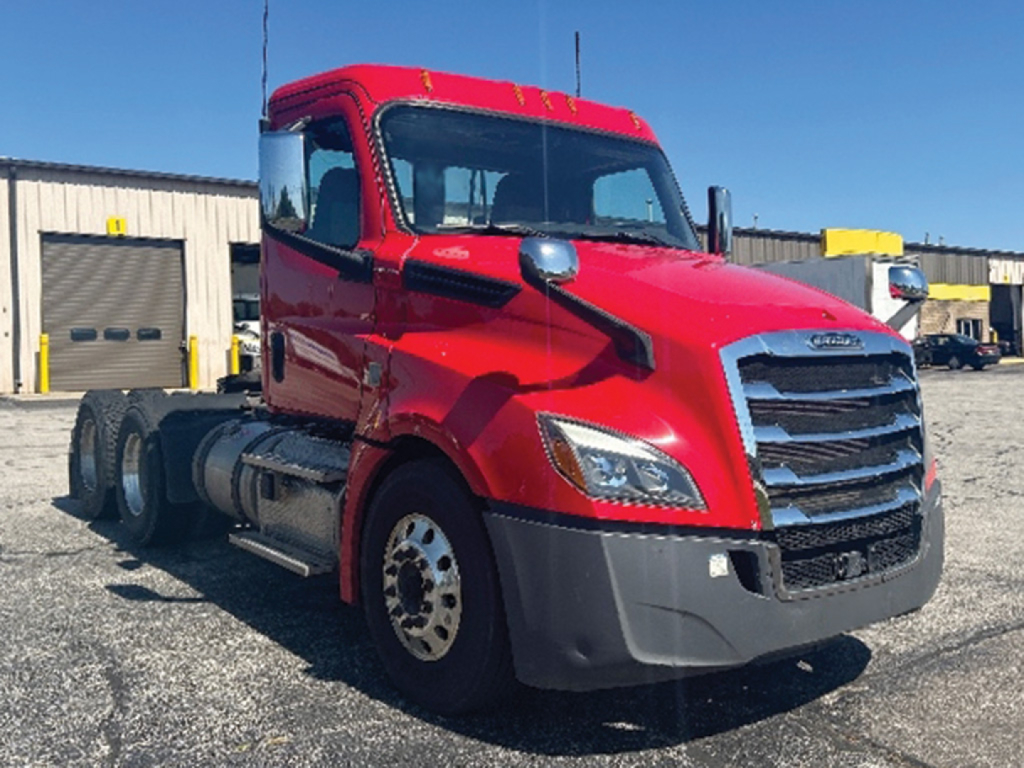
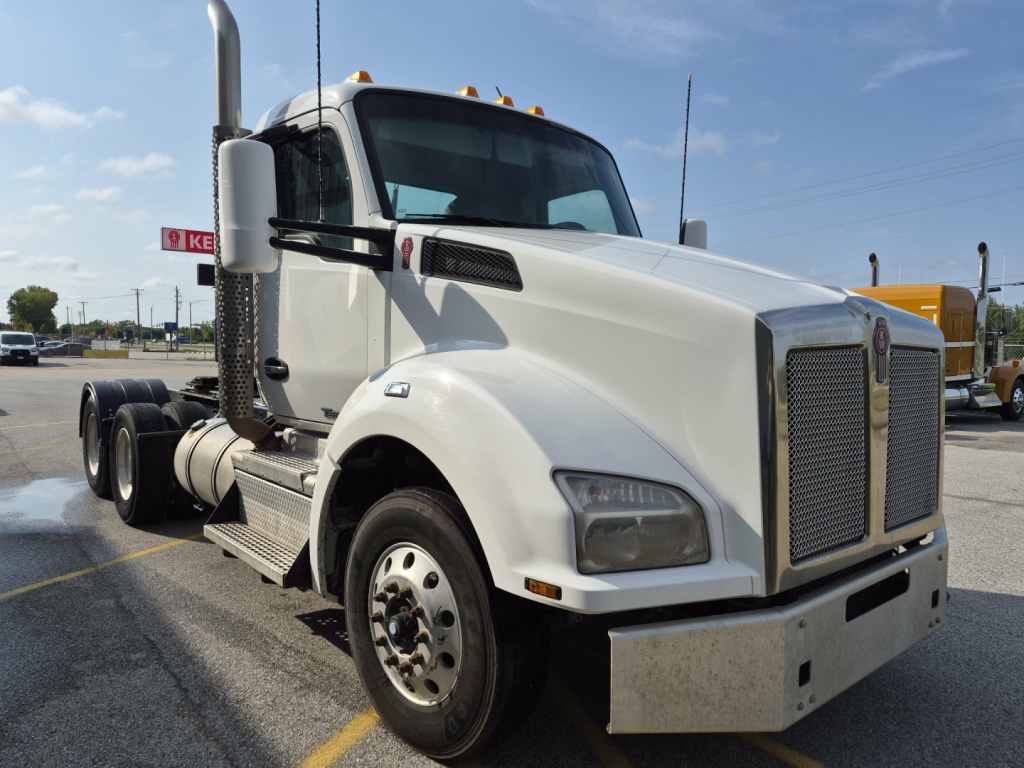
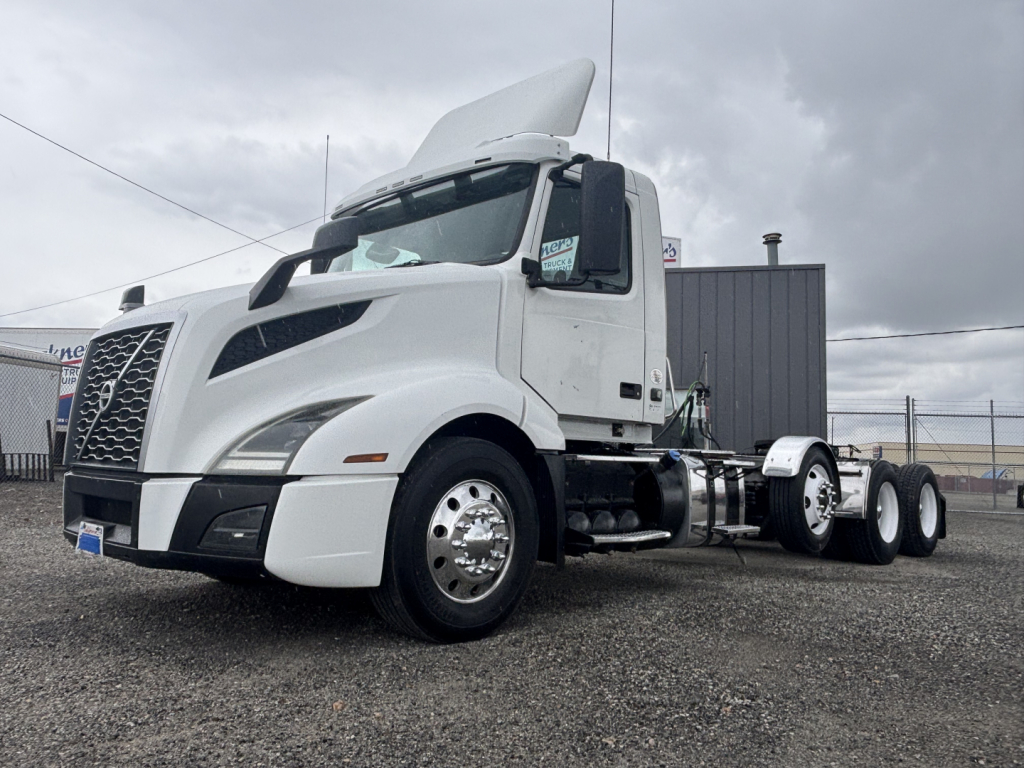
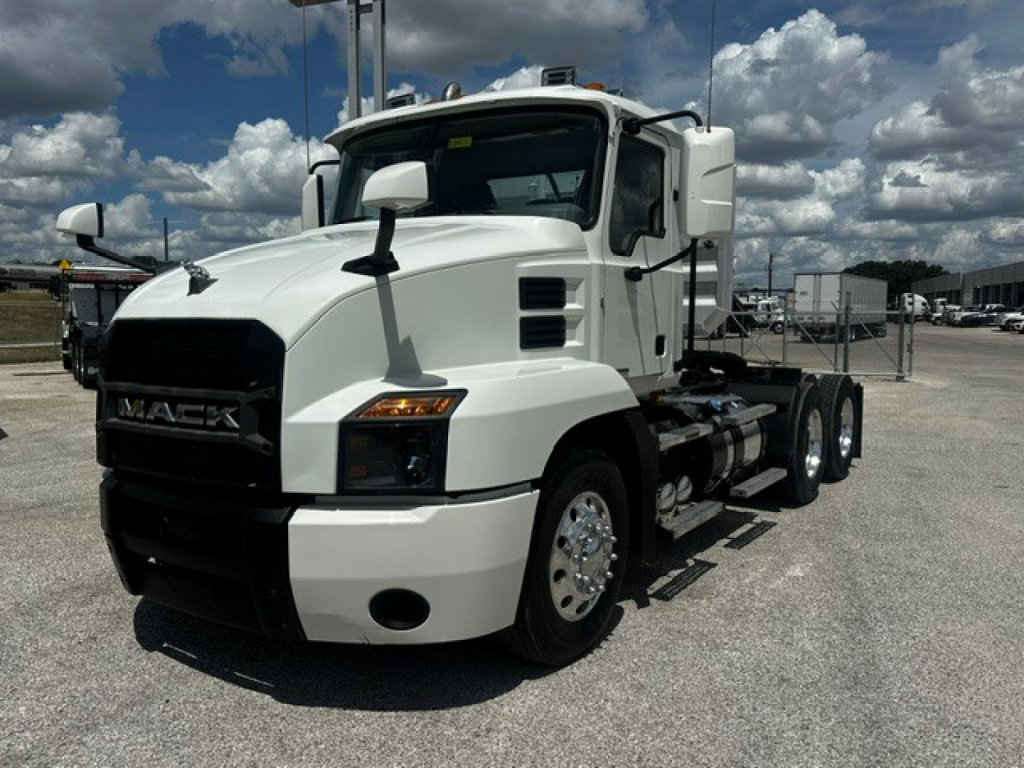
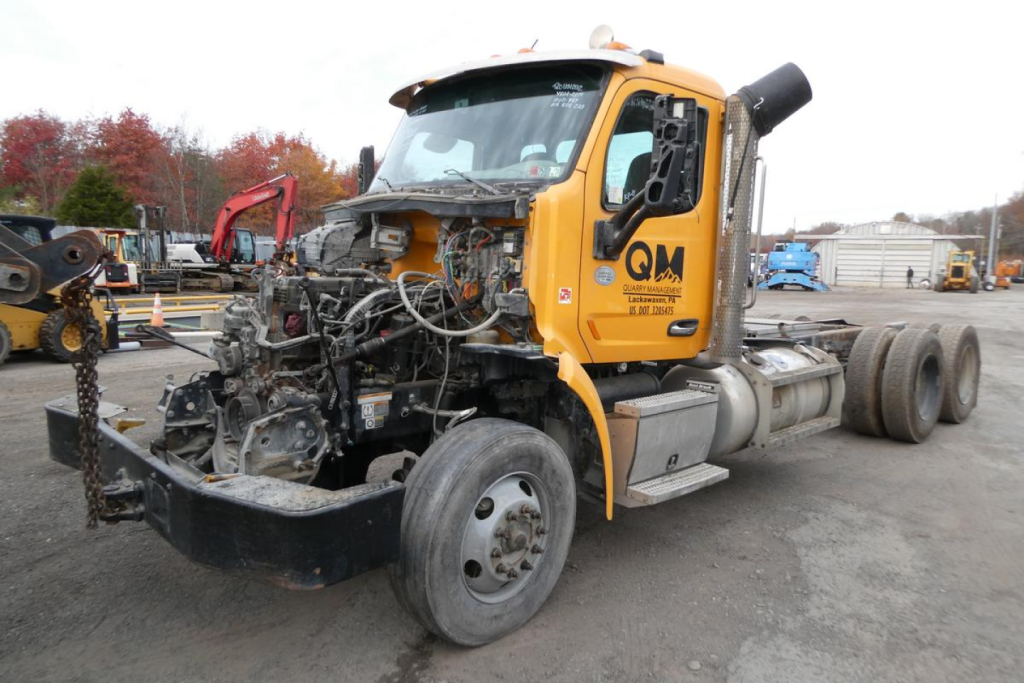
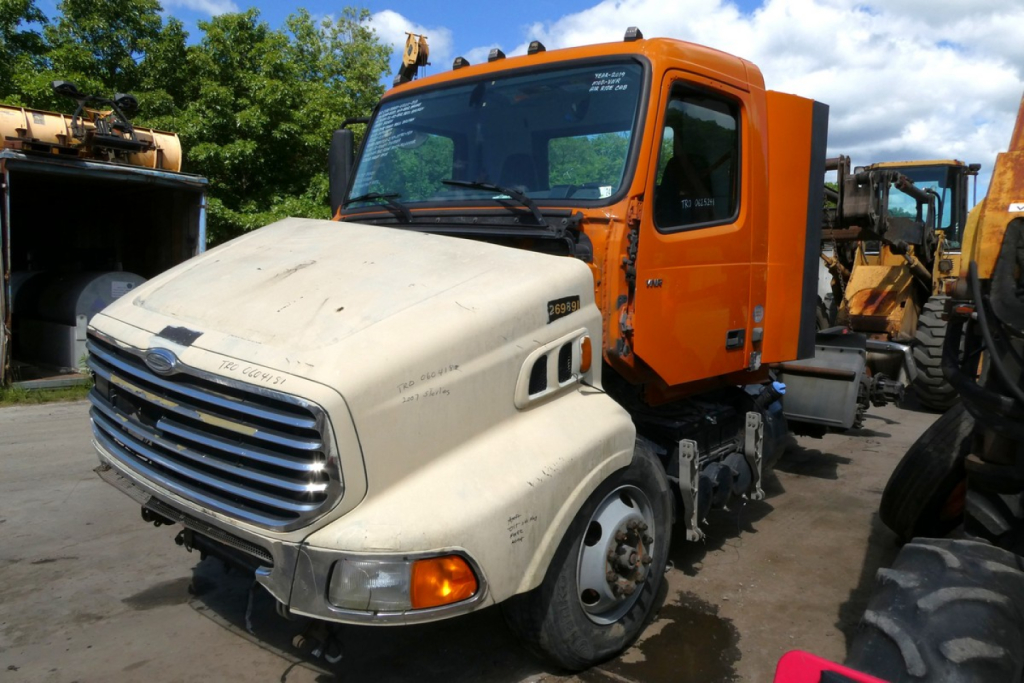
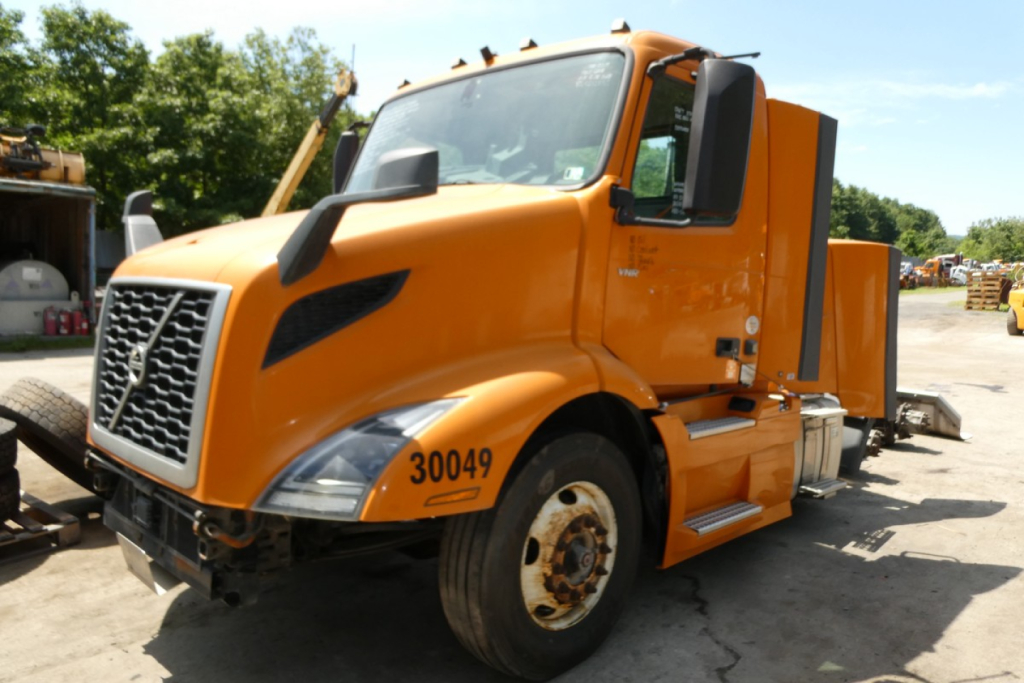
Showing 1 to 28 of 33 results
Selling a 2019 conventional daycab truck? List your 2019 conventional daycab truck for sale and reach thousands of commercial buyers.
2019 Conventional Daycab Trucks
The most important buying decision is matching the chassis and drivetrain to the duty cycle. Many 2019 daycabs were spec'd with 11 to 15 liter diesel engines from Cummins, Detroit, PACCAR, Mack, or Volvo, often in the 400 to 500 horsepower range with torque ratings from roughly 1,450 to 1,850 lb-ft. Automated manual transmissions were common by 2019, but 10-speed and 13-speed manuals still appear in vocational or owner-operator specifications. Pay close attention to wheelbase, rear axle ratio, suspension type, and front axle capacity. A 180-inch wheelbase with a sliding fifth wheel and 2.64 to 2.85 rears can suit van and reefer lanes, while a heavier front axle, double frame, lift axle, or fixed fifth wheel may point to more specialized work.
This model year also sits in a useful technology window for many buyers. A 2019 conventional daycab may include disc brakes, collision mitigation, adaptive cruise, lane departure warnings, tire pressure monitoring, and more refined automated shifting logic than older trucks. Interior updates in this era often improved driver comfort with better seat suspension, quieter cabs, integrated telematics, and more usable dash layouts for multi-stop operations. On the emissions side, 2019 trucks are modern enough to offer efficiency gains, but buyers should still review maintenance history on the DPF, SCR, EGR system, and aftertreatment sensors, especially on higher-mileage units.
For fleet buyers and owner-operators alike, the smartest comparison points are application-specific. Look at GCWR, axle ratings, kingpin setting compatibility, fuel capacity, fairings, and PTO provisions before focusing only on price or mileage. A highway daycab built for dry van and dedicated regional freight will differ substantially from a severe-service conventional set up for dump, pneumatic, or municipal tractor duty. The best 2019 conventional daycab truck is the one with the right engine-transmission pairing, axle spec, and frame layout for the freight it will pull every day.
Frequently Asked Questions about 2019 Conventional Daycab Trucks
What is a conventional daycab truck best used for?
A conventional daycab truck is best used for local delivery, regional haul, drayage, dedicated fleet routes, and vocational tractor applications where the driver returns home daily. Because it does not have a sleeper, it typically offers lower weight, a shorter overall package, and easier maneuvering in yards, city routes, and terminals. The ideal application depends on how the truck was spec'd, since some are built for aerodynamic highway freight while others are configured for heavy-duty or severe-service work.
What engine and transmission specs are common in a 2019 conventional daycab?
Common 2019 conventional daycab specs include diesel engines in the 11 to 15 liter range with horsepower commonly between 400 and 500. Torque ratings often fall between 1,450 and 1,850 lb-ft depending on the intended use. Automated manual transmissions were widely adopted by 2019 for fuel economy and driver consistency, but manual transmissions still appear in certain vocational and heavy-haul configurations. Rear axle ratios, suspension ratings, and wheelbase are just as important as horsepower when evaluating how a truck will perform.
Is a 2019 daycab a good choice for regional freight?
A 2019 daycab can be an excellent choice for regional freight because it blends modern safety and efficiency features with lower acquisition cost than newer equipment. Many trucks from this year have aerodynamic bodywork, automated transmissions, collision mitigation systems, and efficient powertrain packages that fit van, reefer, and dedicated lane operations well. The main consideration is confirming the truck's actual spec, because a highway-oriented regional tractor will be very different from a vocational daycab that happens to share the same cab style.
What should buyers inspect on a used 2019 conventional daycab truck?
Buyers should inspect aftertreatment service history, engine hours, idle time, transmission calibration and clutch data where available, suspension wear, brake type and condition, tire wear patterns, and signs of frame or fifth wheel stress. It is also important to verify axle ratings, wheelbase, and PTO or hydraulic provisions against the intended application. On 2019 emissions trucks, DPF cleaning intervals, SCR performance, DEF system repairs, and fault code history can tell you as much about long-term value as the odometer reading.
How do I choose between an aerodynamic daycab and a vocational daycab?
Choose an aerodynamic daycab if the truck will spend most of its time pulling van or reefer trailers at highway speed, where fuel economy, lighter weight, and fairing design matter. Choose a vocational daycab if the job requires higher axle capacities, tougher suspension, heavier frame rails, lift axles, PTO capability, or operation on rough surfaces and in stop-start duty cycles. The cab may look similar, but the chassis, drivetrain, and durability features are often very different.