
2019 Volvo Conventional Daycab Trucks For Sale
Shop 2019 Volvo conventional daycab trucks with D13 power, I-Shift options, and specs suited for regional, local, and vocational hauling.
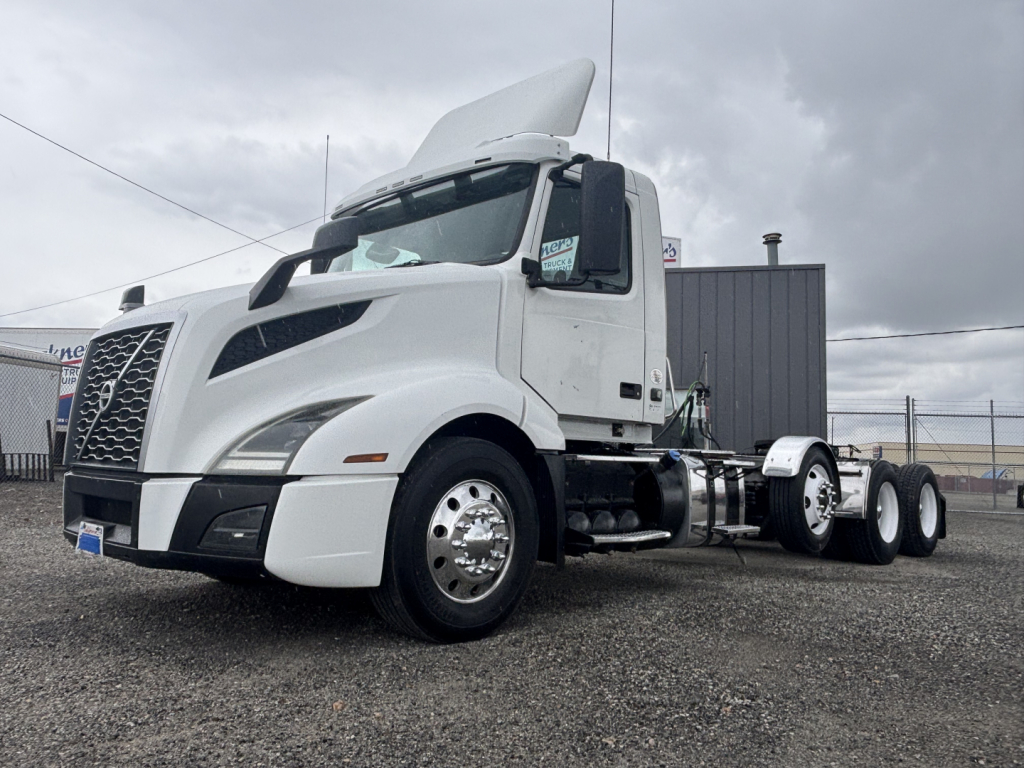
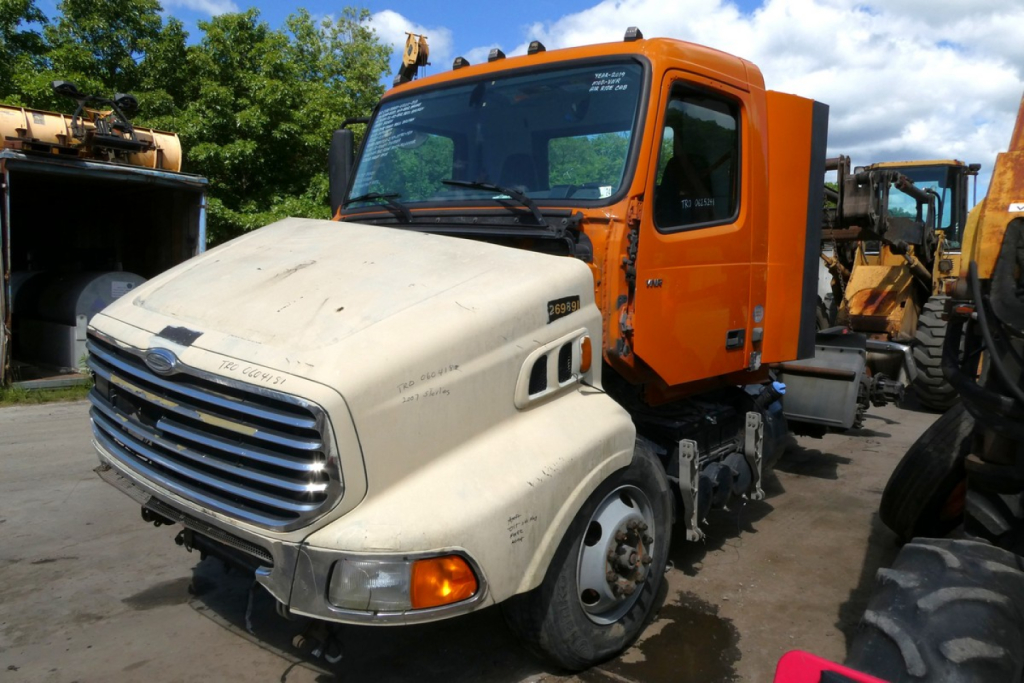
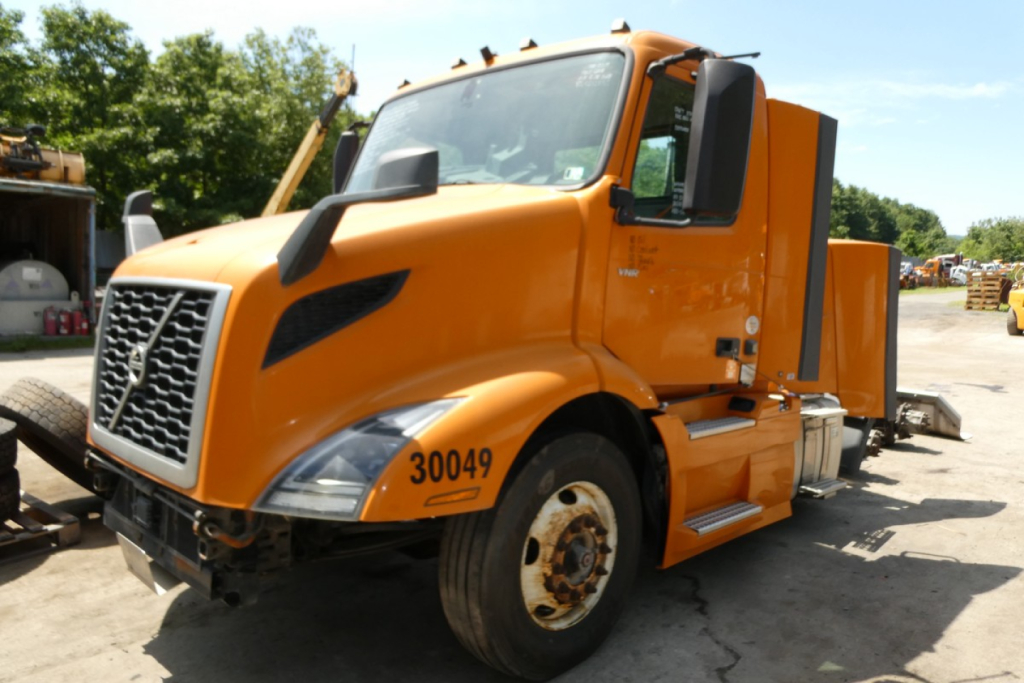
Selling a 2019 volvo conventional daycab truck? List your 2019 volvo conventional daycab truck for sale and reach thousands of commercial buyers.
2019 Volvo Conventional Daycab Trucks
The main spec decisions usually come down to horsepower, rear axle ratio, wheelbase, and axle setup. A 2019 Volvo daycab may be found with ratings around 425 to 455 hp, tandem rears in the upper 30,000 to 40,000 lb range, and wheelbases that support either tighter urban maneuvering or more stable highway and trailer-handling performance. Ratios such as 2.64 or 3.42 can change the truck’s personality quite a bit. A taller ratio can help on fuel-sensitive highway applications, while a deeper ratio may make more sense for heavier starts, mixed terrain, or vocational use. Some units also include lift axles, air slide fifth wheels, or roof fairings that can be removed depending on trailer height and application.
Buyers comparing 2019 Volvo conventional daycab trucks should pay close attention to suspension type, brake spec, and frame configuration. Air ride suspension is common and usually preferred for ride quality and freight protection, while front axle ratings and tandem capacities need to match the intended trailer and commodity. Air disc brakes show up on some Volvo daycabs and can be a meaningful advantage for stopping performance, maintenance consistency, and driver confidence. Tire size, hub-piloted steel or aluminum wheels, and fifth wheel placement also matter because they affect service cost, turning clearance, and kingpin setting flexibility across different trailer fleets.
On used 2019 Volvo daycabs, the condition side of the purchase is just as important as the published spec sheet. Review engine hours against odometer miles to understand idle time, confirm aftertreatment health on SCR and DEF-equipped trucks, and verify transmission behavior under load if the truck has I-Shift. A maintenance history that shows injector, EGR, DPF, and cooling-system attention can tell you more than appearance alone. If the truck will stay in regional service, a clean drivetrain spec, proper wheelbase, and documented upkeep usually matter more than cosmetic extras. For buyers who want a modern aerodynamic daycab with broad parts support and strong appeal in fleet service, a 2019 Volvo conventional daycab remains a practical and widely accepted choice.
Frequently Asked Questions about 2019 Volvo Conventional Daycab Trucks
What engine and transmission are common in a 2019 Volvo conventional daycab?
The most common setup is a Volvo D13 engine paired with the Volvo I-Shift automated manual transmission. Many 2019 daycabs are rated in the 425 to 455 hp range, which fits regional and short-haul freight well. This powertrain is popular because it balances fuel economy, drivability, and broad service familiarity in fleet operations.
Is a 2019 Volvo daycab better suited for local or regional hauling?
It can do both, but the best fit depends on wheelbase, axle ratio, and rear axle capacity. Shorter wheelbase trucks are easier to place in city and terminal work, while longer wheelbase trucks tend to feel better on regional highway lanes and with certain trailer combinations. Most 2019 Volvo daycabs are spec'd to cover regional freight, port work, dedicated routes, and other return-to-base operations.
What should I check first on a used 2019 Volvo daycab?
Start with engine hours, fault history, aftertreatment performance, and transmission operation. On a 2019 emissions truck, DEF system condition, DPF service records, and cooling-system maintenance are key checkpoints. It also helps to confirm axle ratings, suspension type, brake spec, and fifth wheel setup so the truck matches the trailer and payload you plan to run.
Are Volvo I-Shift transmissions reliable in daycab service?
The I-Shift has a strong reputation in fleet daycab service when it has been maintained properly and operated with the right software calibration for the application. It is especially effective in urban and regional work because it reduces driver fatigue and keeps shifting consistent. A buyer should still road test the truck, review clutch and actuator history where applicable, and verify smooth engagement in low-speed and loaded conditions.
What axle ratio works best in a 2019 Volvo conventional daycab?
There is no single best ratio because it depends on speed, terrain, and gross combination weight. A taller ratio such as 2.64 is often chosen for fuel-efficient highway and regional operation, while a deeper ratio like 3.42 can be more appropriate for heavier starts, tighter route profiles, or mixed vocational duty. The right choice should match the transmission, tire size, and the average load the truck will pull.