
2019 Conventional Daycab Trucks For Sale in Texas
Browse 2019 conventional daycab trucks in Texas. Compare specs, axle setups, engines, wheelbases, and vocational or regional haul fit.
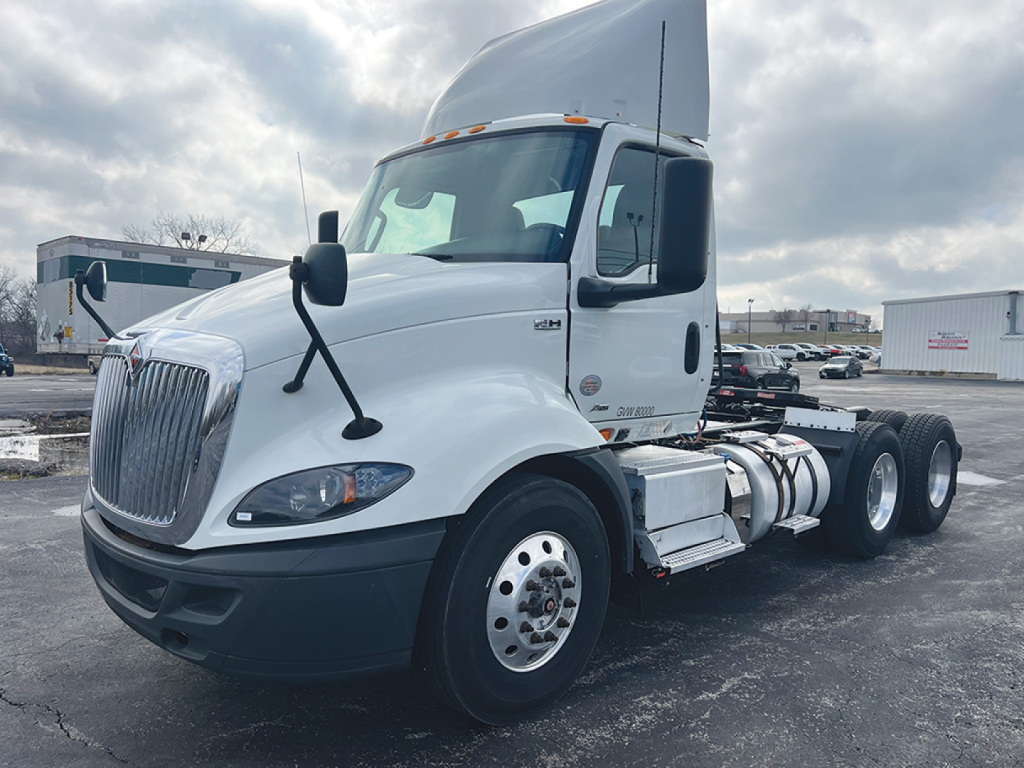
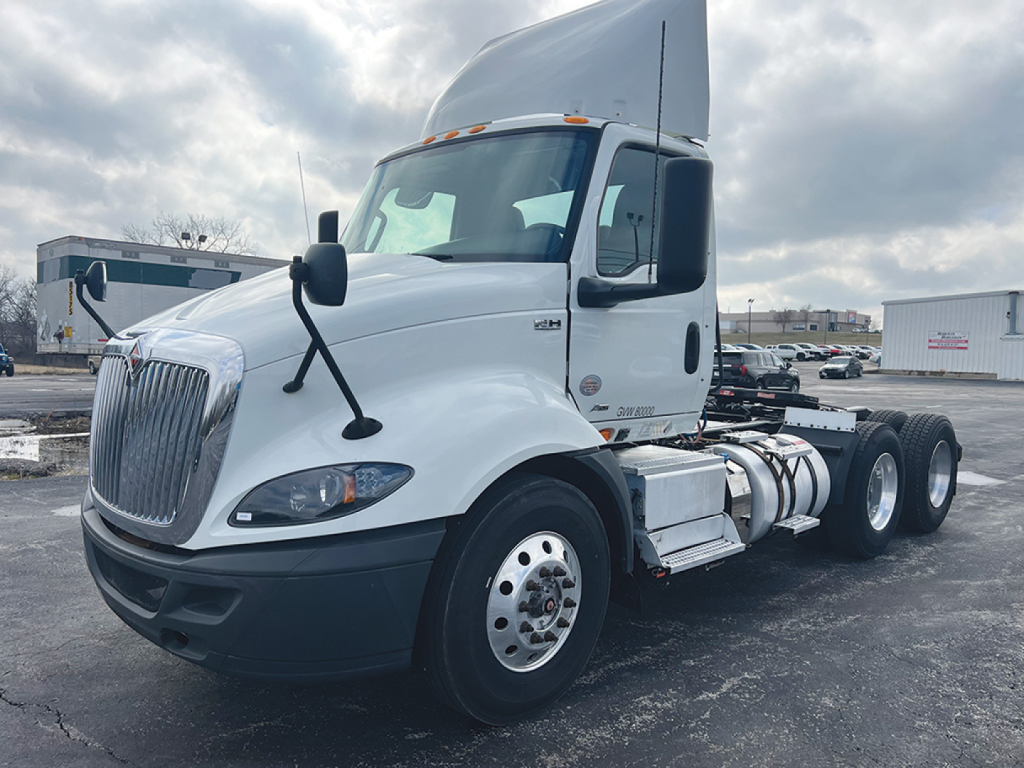
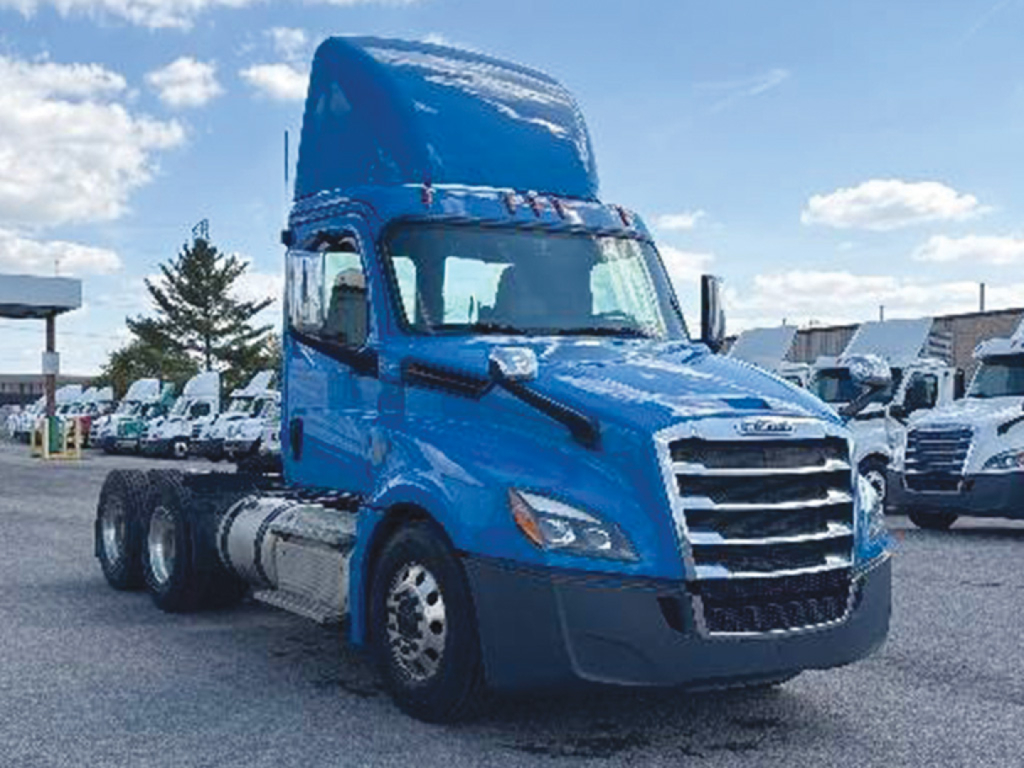
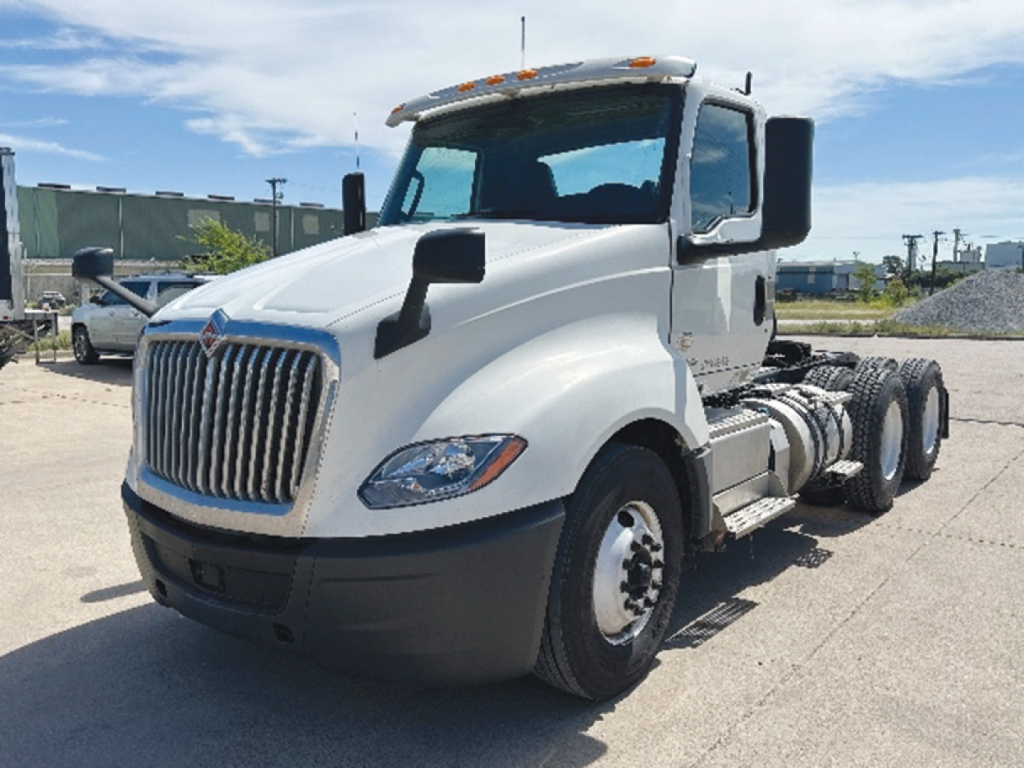
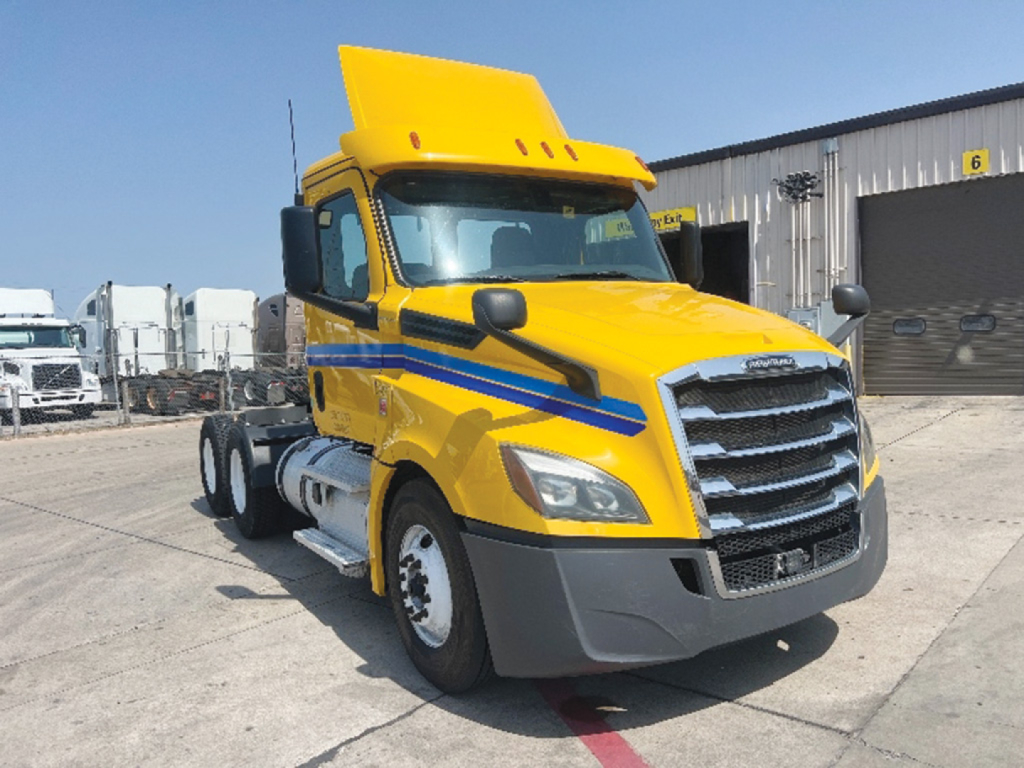
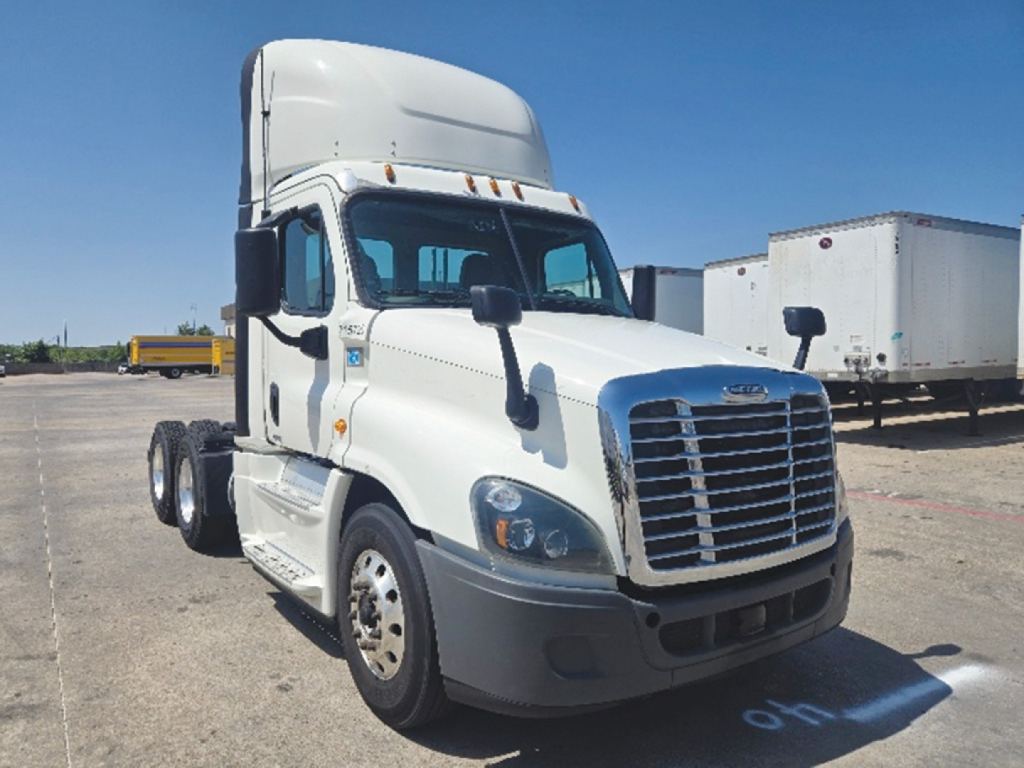
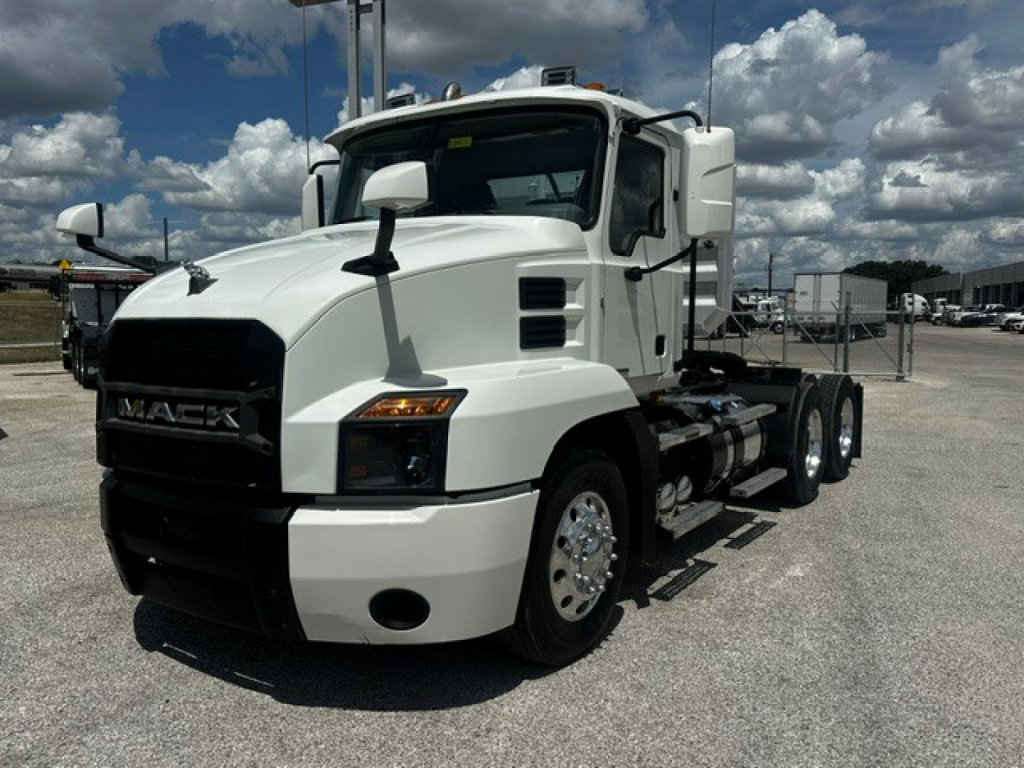

Have 2019 conventional daycab truck to sell? List it here to reach thousands of buyers.
2019 Conventional Daycab Trucks in Texas
The biggest buying decision in this class is matching drivetrain spec to the work. A 2019 daycab may be equipped with a Detroit, Cummins, Paccar, Volvo, or Mack engine, typically paired with an automated manual transmission, though some fleets still prefer a manual or full automatic for specialized duty cycles. Horsepower and torque need to fit the trailer weight and terrain, not just the badge on the hood. For regional freight, many buyers focus on fuel economy, rear axle ratio, and cruise-friendly gearing. For heavy local work, durability items matter more, including suspension type, frame rating, PTO capability, locking differentials, and front axle capacity.
Cab layout and chassis dimensions also affect day-to-day productivity. Daycabs are built for frequent entry and exit, tighter turning, and lower overall weight than a comparable sleeper tractor. That can improve maneuverability in urban terminals, customer yards, and distribution centers. Buyers should compare wheelbase, fifth wheel placement, kingpin setting compatibility, and fairing package to make sure the truck matches the trailers it will pull. Interior condition matters on used 2019 models too, especially driver seat wear, HVAC output, dash electronics, and the condition of emissions-related controls and aftertreatment displays.
On a 2019 conventional daycab, maintenance history is often as important as headline mileage. Texas operators should pay close attention to DPF and SCR service records, coolant system condition, tire wear patterns, brake life, and signs of idle-heavy operation. If the truck came out of a fleet, review whether it was maintained on a strict PM schedule and whether software updates, emissions repairs, and transmission calibrations were documented. A well-spec'd 2019 daycab can still be a strong value if the chassis, powertrain, and axle ratings line up with the intended freight and operating radius.
Frequently Asked Questions about 2019 Conventional Daycab Trucks in Texas
What is a conventional daycab truck used for?
A conventional daycab truck is typically used for local and regional hauling where the driver returns home daily and does not need a sleeper. Common applications include drayage, dedicated freight, LTL operations, tanker work, dump and transfer service, flatbed delivery, and terminal-to-terminal runs. The conventional hood design also allows easier engine access than many cabover layouts, which is one reason these trucks remain common in fleet service.
What should I check first on a used 2019 daycab?
Start with the engine hours, maintenance records, and emissions system history. A 2019 truck may have manageable mileage but still show heavy wear if it spent long periods idling or operating in severe stop-and-go service. Review DPF cleanings, SCR and DEF system repairs, transmission service, coolant records, brake measurements, tire condition, and any fault code history. It is also smart to inspect the frame, suspension bushings, driveline, fifth wheel, and signs of previous collision or corrosion repair.
Is a 6x4 or 6x2 better for a 2019 conventional daycab?
A 6x4 is generally preferred for heavier freight, rough yards, and applications that need stronger traction and broader resale appeal. A 6x2 can reduce weight and sometimes improve fuel economy, which may make sense for regional highway lanes with consistent trailer loads and good road conditions. The right choice depends on payload, terrain, weather exposure, and the fleet's maintenance preferences. In Texas, many buyers still favor 6x4 configurations because they fit a wider range of work.
Why does wheelbase matter on a daycab tractor?
Wheelbase affects turning radius, trailer gap, ride quality, axle loading, and how the truck fits a specific trailer set. A shorter wheelbase is useful in tight urban and yard environments, while a longer wheelbase can improve ride and component packaging. Buyers should compare wheelbase with fifth wheel position, sliding fifth wheel travel, and the kingpin setting of the trailers they plan to pull. A mismatch can create clearance problems or poor weight distribution.
Are 2019 daycab trucks good for Texas operations?
Yes, if the truck is spec'd for heat, weight, and route conditions. Texas service often puts extra demand on the cooling system, air conditioning, tires, and aftertreatment performance because of high ambient temperatures, long highway stretches, and congestion around major freight corridors. A 2019 daycab with strong HVAC output, a healthy radiator and charge air cooler, proper axle ratings, and documented preventive maintenance can be a very effective truck for regional and vocational work in the state.