
2016 Conventional Daycab Trucks For Sale
Shop 2016 conventional daycab trucks with specs that fit regional haul, local delivery, port work, and vocational tractor applications.
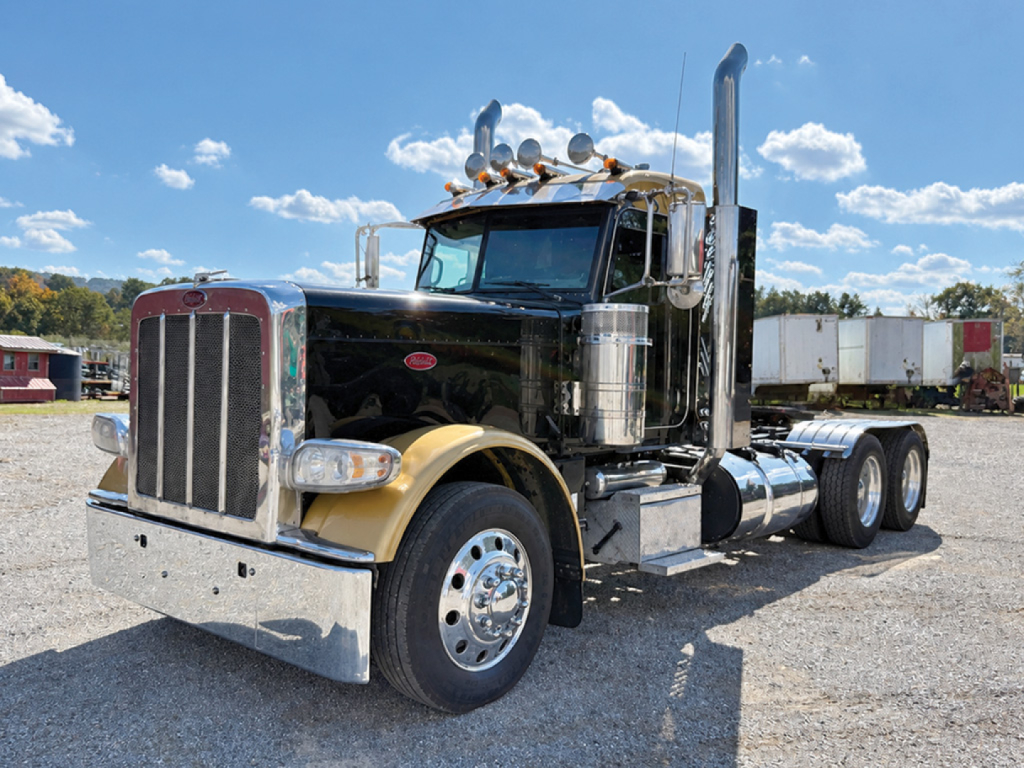
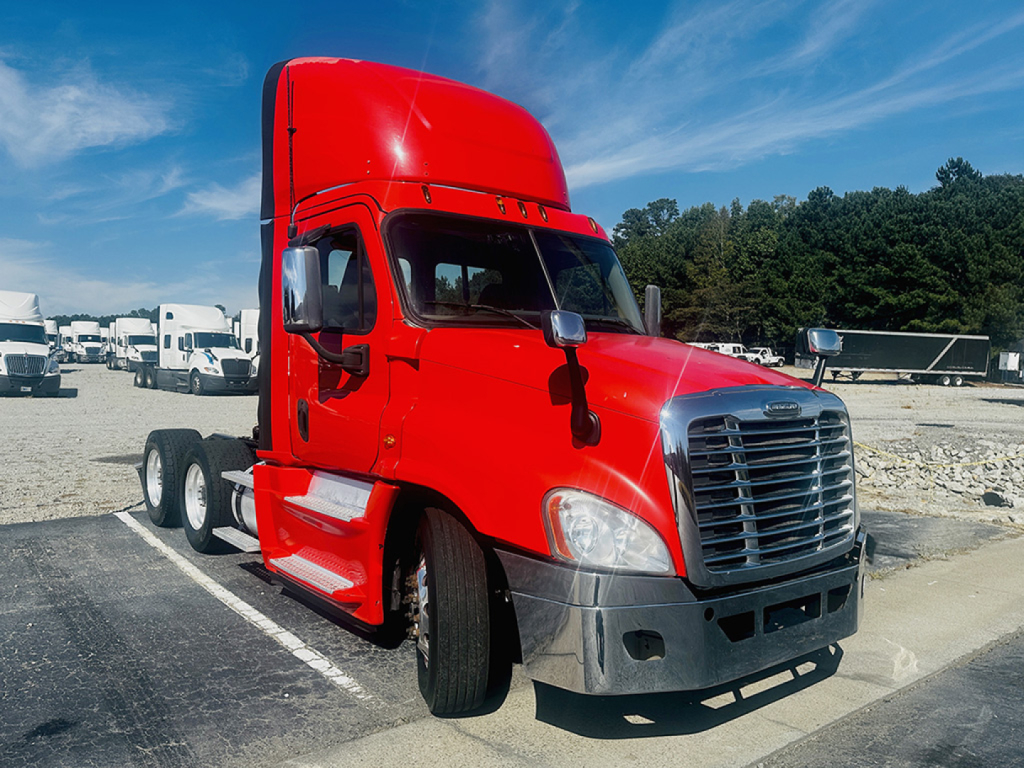
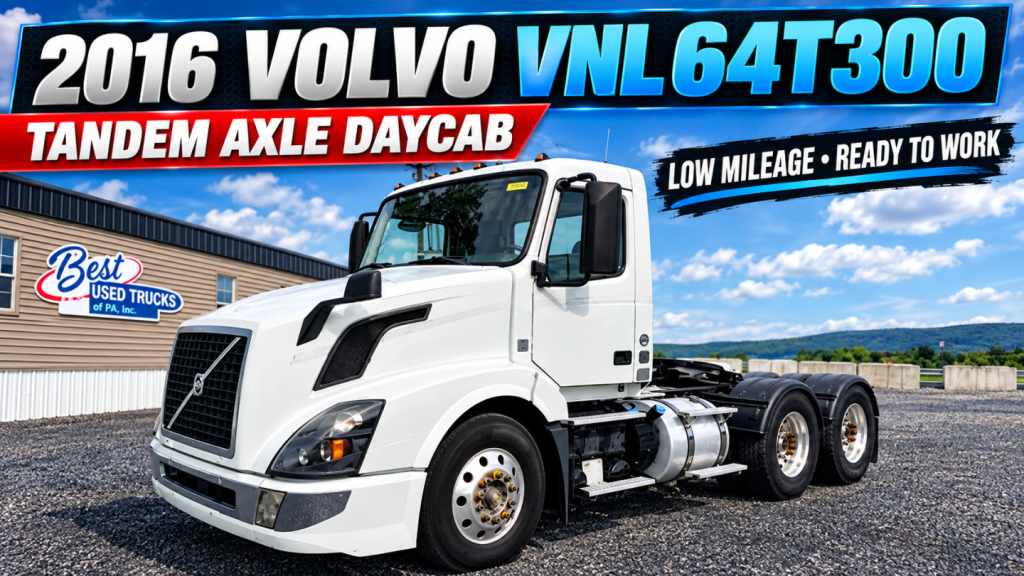
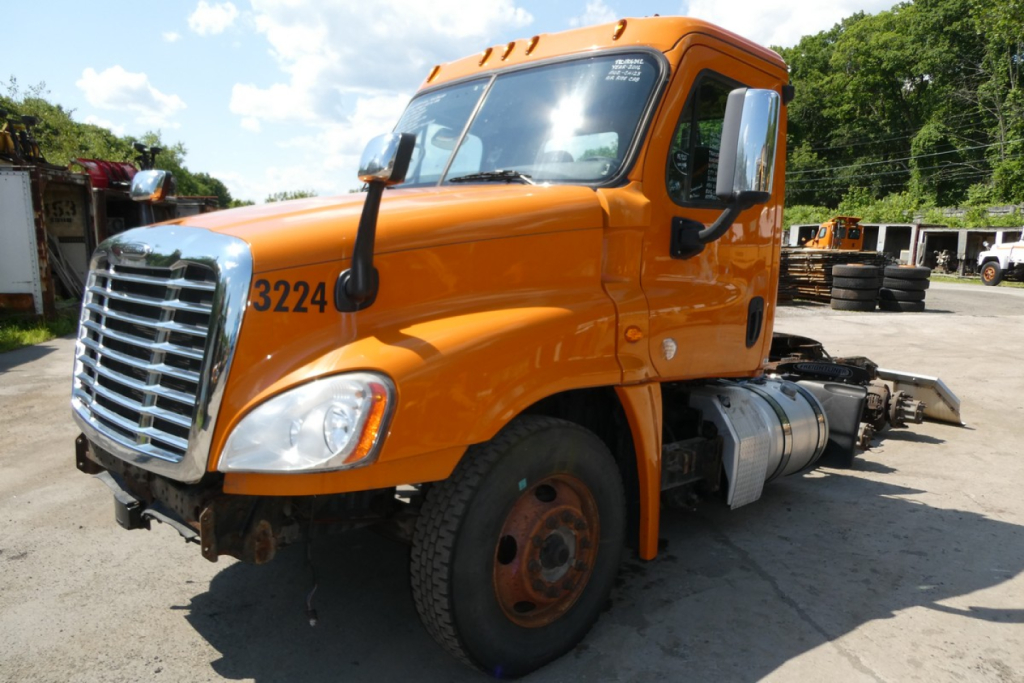
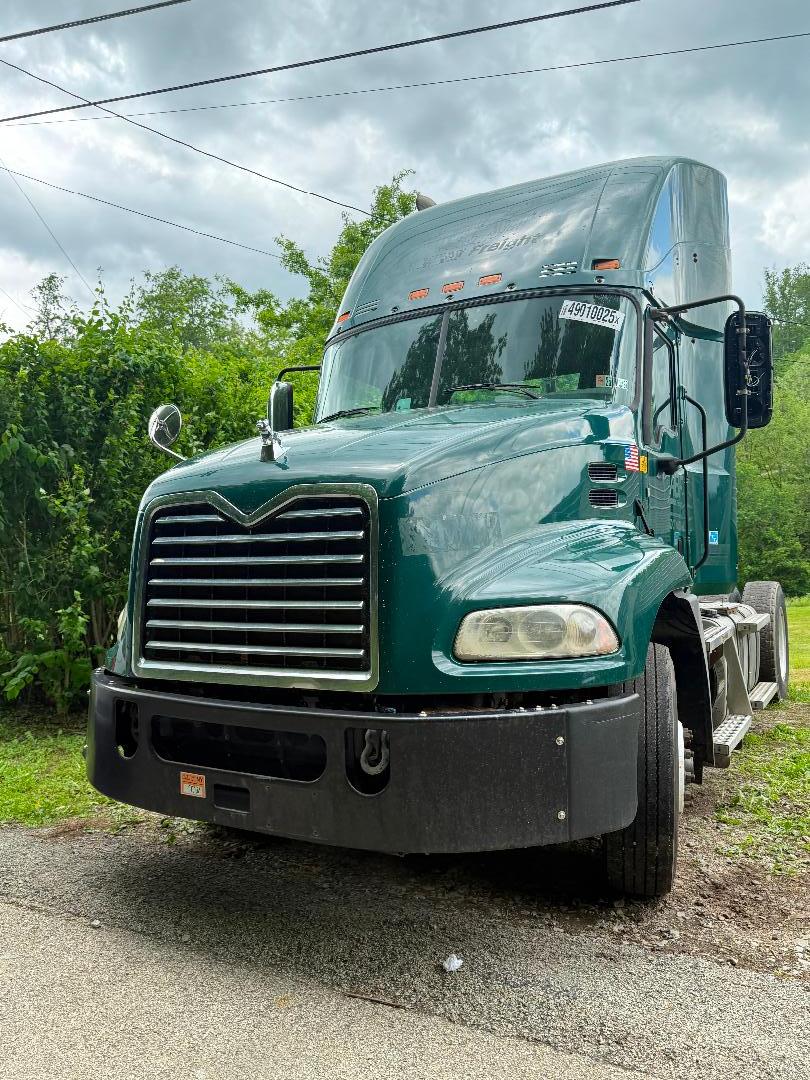
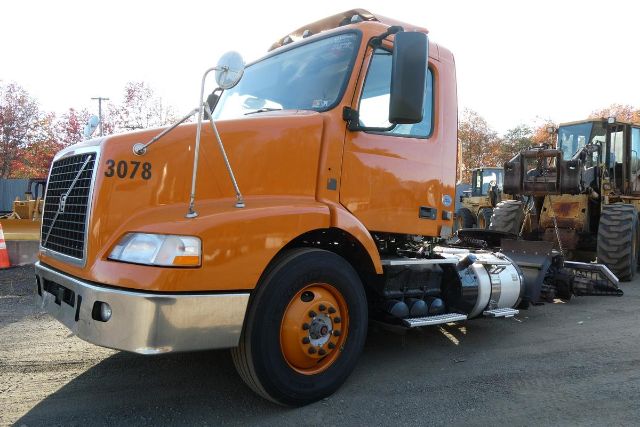
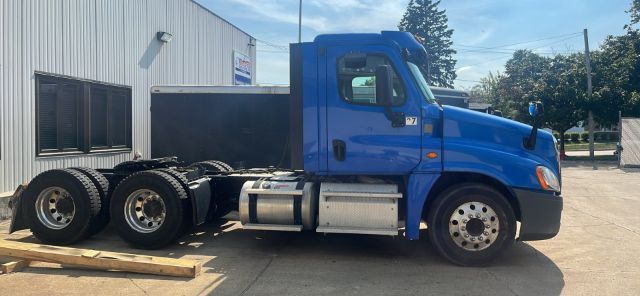
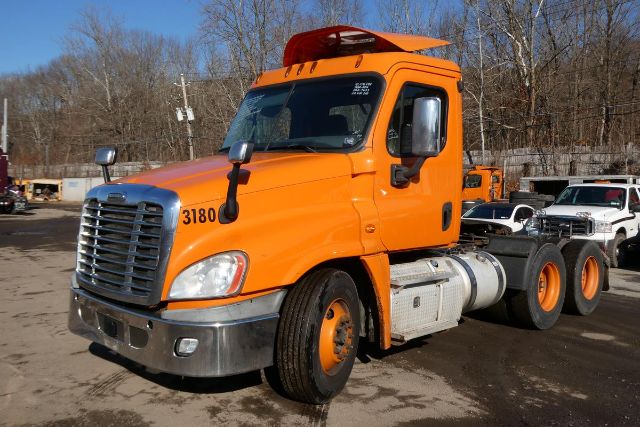
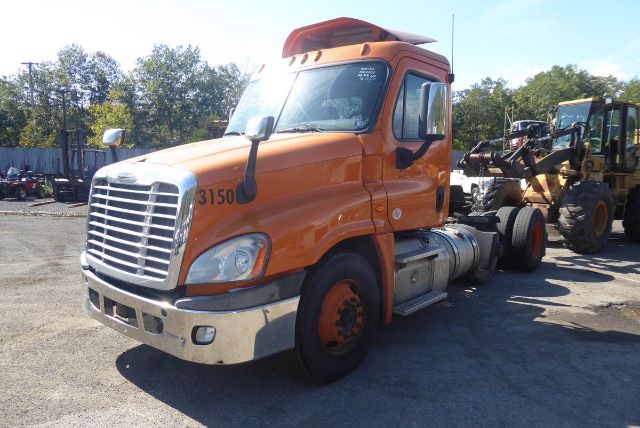
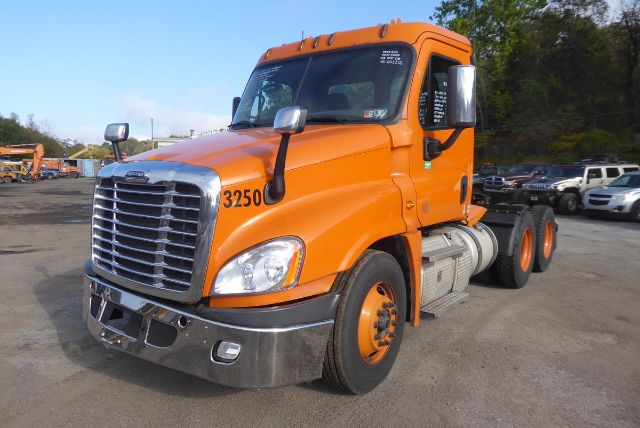
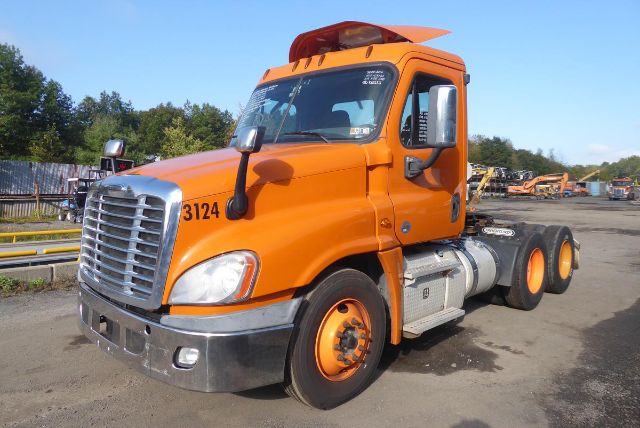
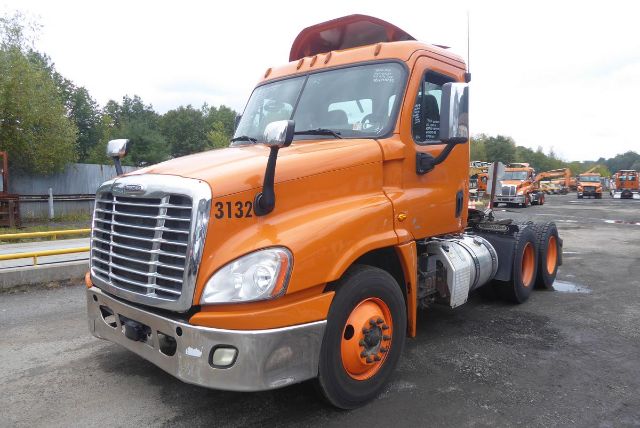
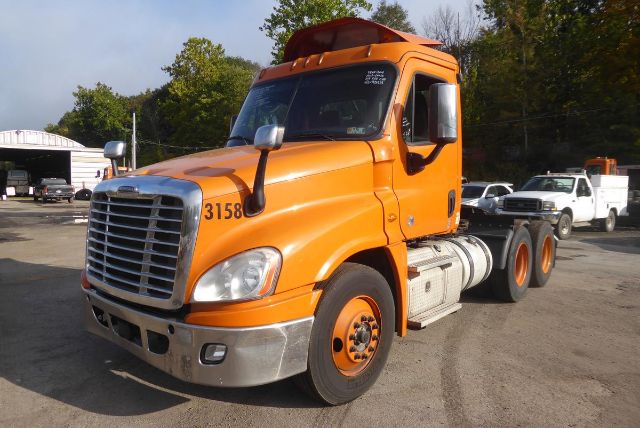
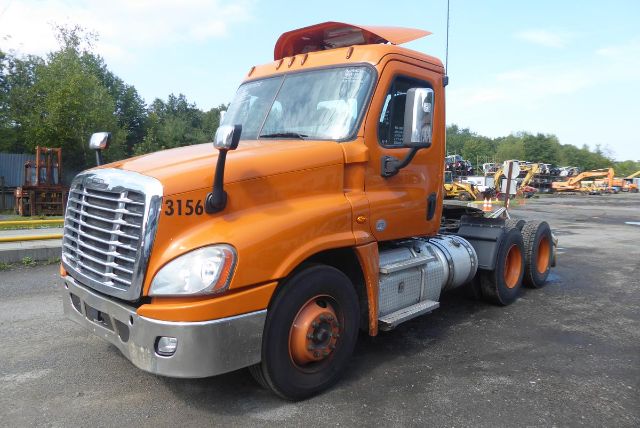
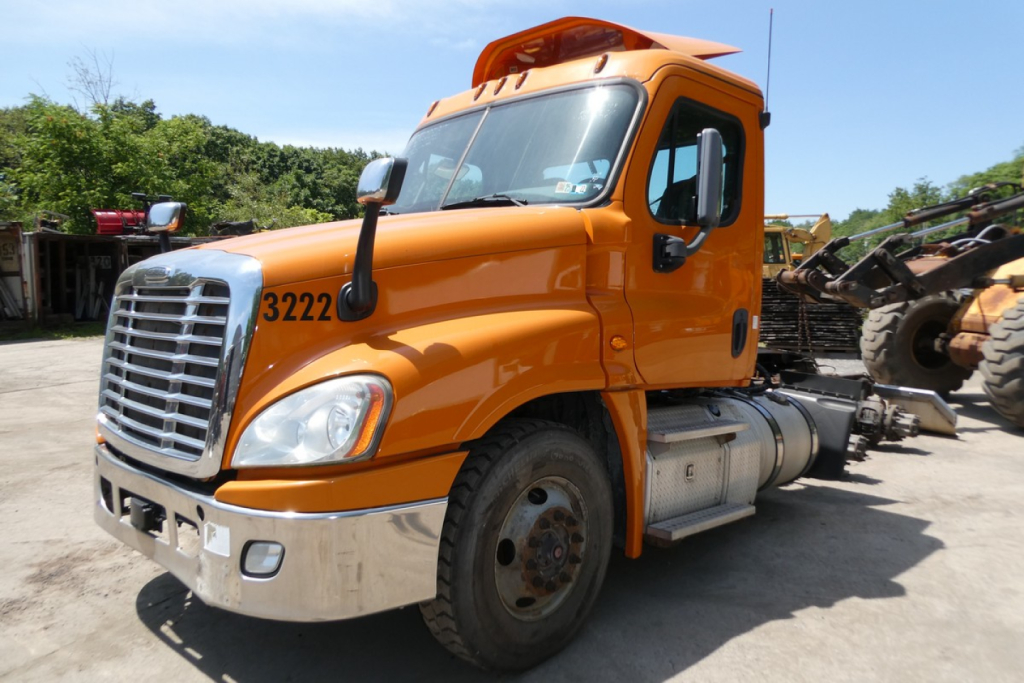

Selling a 2016 conventional daycab truck? List your 2016 conventional daycab truck for sale and reach thousands of commercial buyers.
2016 Conventional Daycab Trucks
The biggest buying decision is usually application before brand. For regional highway work, pay close attention to engine family, horsepower, torque rating, transmission type, rear axle ratio, and wheelbase. Many 2016 conventional daycab trucks were spec'd with automated manual transmissions for fuel economy and driver consistency, while others carried 10-speed or 13-speed manuals for more direct control. Common engines in this year range include Detroit DD13 and DD15, Cummins ISX and ISL or L9, PACCAR MX series, Volvo D11 and D13, and Navistar N13 depending on GVWR and intended duty cycle. Single-axle daycabs are often used for lighter regional lanes and municipal or specialty applications, while tandem-axle units are more common in heavier freight and higher mileage operations.
Chassis details matter more than many buyers expect. Check front axle and rear axle ratings, suspension type, fifth wheel setup, frame layout, and fuel capacity against the lanes the truck will actually run. A short wheelbase daycab is easier around docks and city corners, but a longer wheelbase may ride better and carry larger tanks or PTO equipment. Air ride suspension is common on linehaul and regional tractors, while spring suspension may appear in more vocational specs. Braking components, tire size, fairings, DEF system condition, and emissions history are especially important on a 2016 truck because uptime often depends on how well aftertreatment components and transmission controls were maintained.
Cab condition and driver ergonomics still deserve close attention, especially in a truck intended for daily stop-and-go work. Look at seat wear, steering wheel controls, HVAC performance, visibility, and ingress-egress if the truck will be used on multi-stop routes. Service records, engine hours, idle time, and any history of clutch, DPF, SCR, injector, or turbo work can tell you more than odometer miles alone. A well-matched 2016 conventional daycab can be a cost-effective tractor for fleets and owner-operators who need a dependable truck for same-day routes, terminal-to-terminal freight, container hauling, or body-builder applications.
Frequently Asked Questions about 2016 Conventional Daycab Trucks
What is a conventional daycab truck used for?
A conventional daycab truck is primarily used for operations that return the driver home at the end of the shift. Common uses include regional freight, local pickup and delivery, port drayage, terminal shuttles, municipal hauling, and vocational tractor applications. Because there is no sleeper compartment, the cab is shorter and lighter, which helps with maneuverability, payload efficiency, and overall cost control.
What should I check first on a 2016 conventional daycab?
Start with the powertrain and emissions system. Review engine make, horsepower, torque, transmission type, axle ratio, and maintenance records, then verify the condition of the DPF, SCR, DEF components, and any recent fault history. After that, confirm axle ratings, suspension, wheelbase, and fifth wheel position match the trailer type and route profile. Engine hours and idle hours are also important because many daycabs spend time in stop-and-go service.
Is a single-axle or tandem-axle daycab better?
The better choice depends on the load and operating environment. A single-axle daycab is typically lighter, easier to maneuver, and often less expensive to operate, which makes it a good fit for lighter regional loads and specialized local work. A tandem-axle daycab is usually the better option for heavier freight, higher GCWR requirements, and more demanding highway applications where traction, stability, and legal payload flexibility matter more.
Are 2016 daycab trucks commonly equipped with automatic transmissions?
Yes. Many 2016 conventional daycab trucks were spec'd with automated manual transmissions or full automatics, especially in fleet service focused on fuel economy, reduced driver fatigue, and easier onboarding. Manual transmissions are still common in some applications, particularly where operators prefer direct control or where vocational use demands a specific gearing setup. The right transmission depends on route density, traffic conditions, driver pool, and maintenance preference.
Why does wheelbase matter on a daycab truck?
Wheelbase affects maneuverability, ride quality, tank capacity, frame space, and how the tractor handles with different trailer lengths and kingpin settings. A shorter wheelbase is usually better for city docks, tight terminals, and frequent turns. A longer wheelbase can improve ride comfort and allow for larger fuel tanks, battery boxes, or PTO-related equipment. The best setup is the one that fits the trailer swing clearance and operating lane requirements without adding unnecessary length.