
2016 Freightliner Conventional Daycab Trucks For Sale
Shop 2016 Freightliner conventional daycab trucks. Compare Cascadia specs, DD13 power, axle ratings, wheelbase, and transmission options.
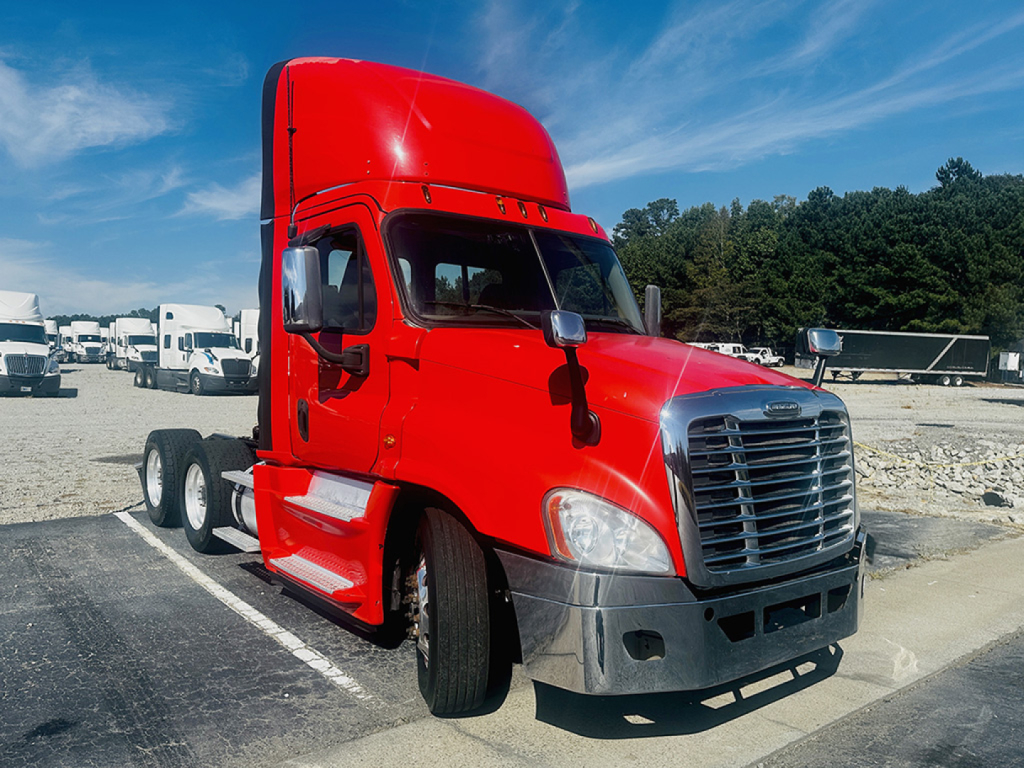
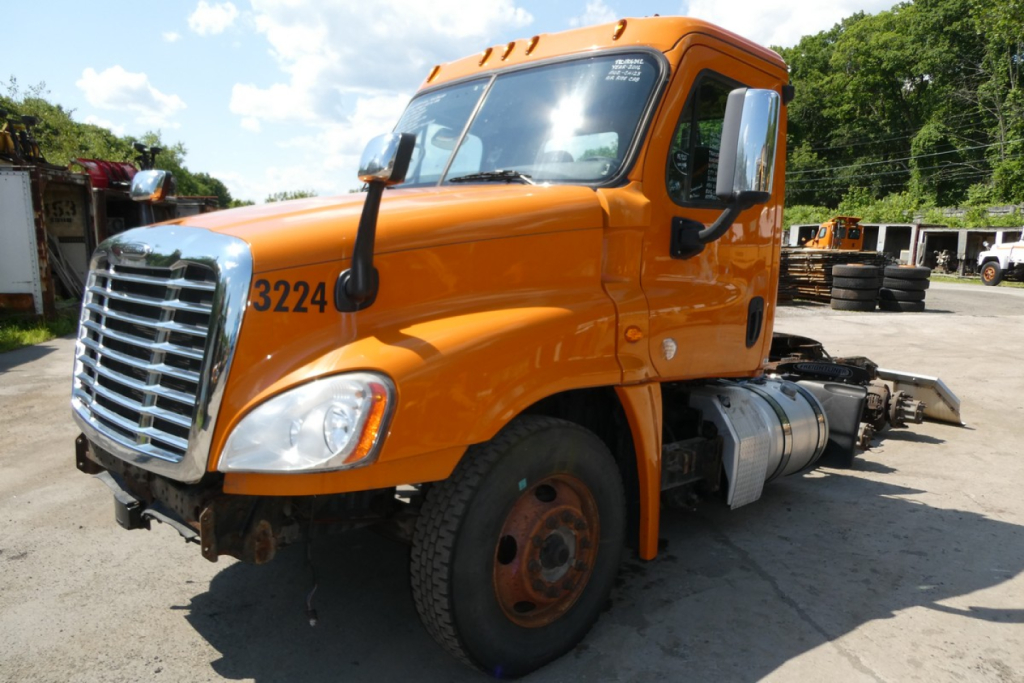
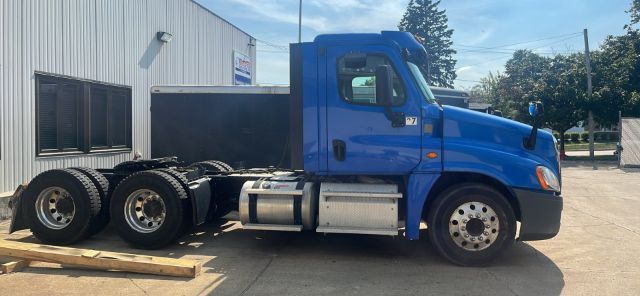
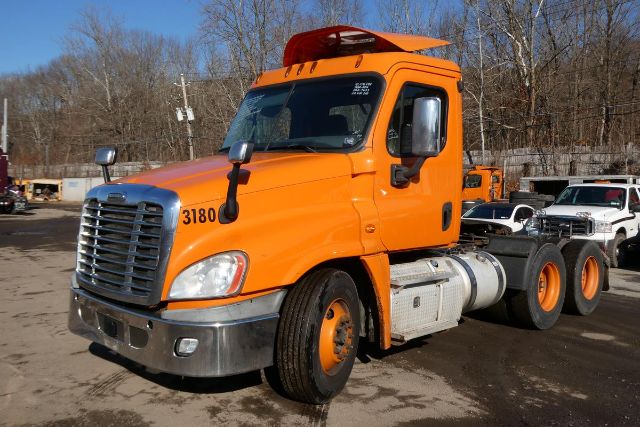
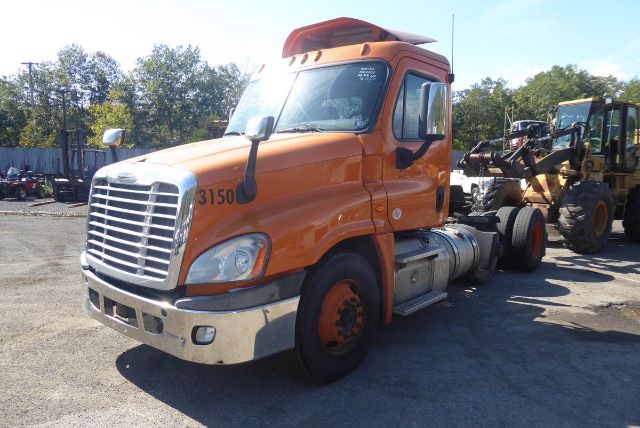
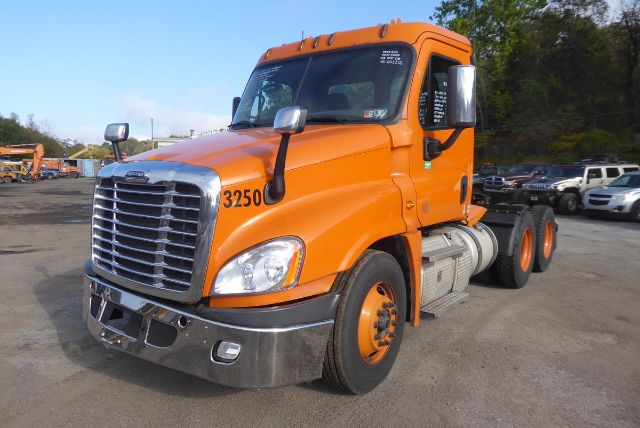
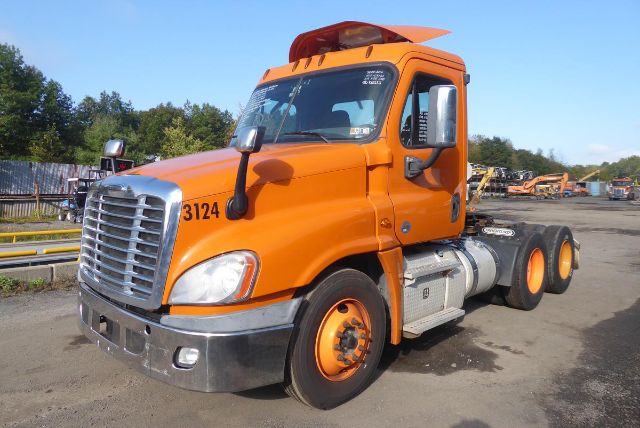
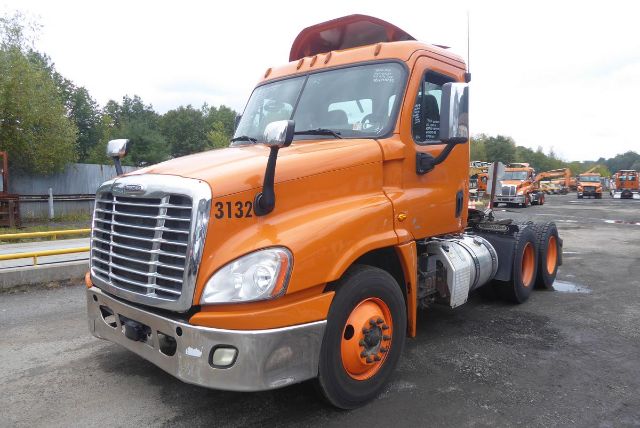
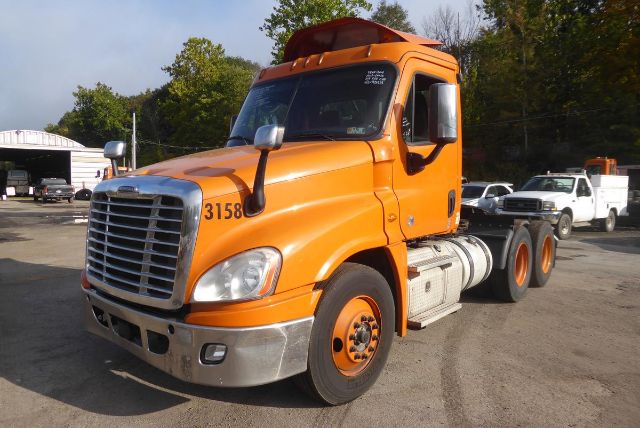
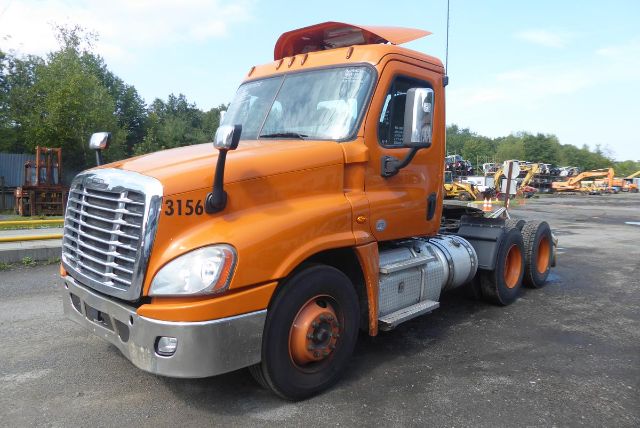
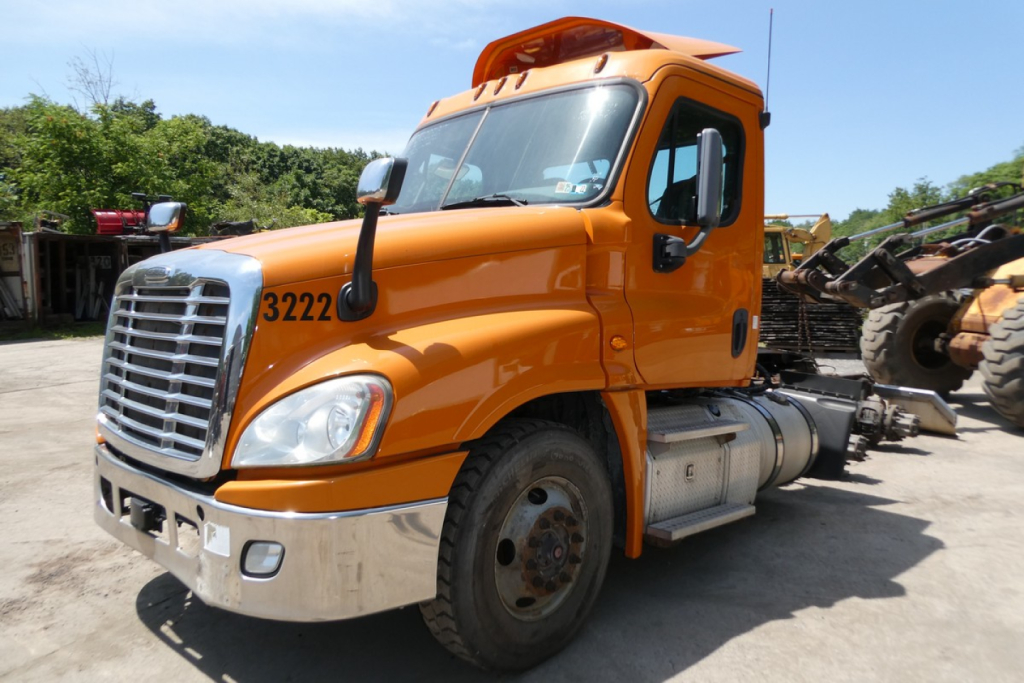

Selling a 2016 freightliner conventional daycab truck? List your 2016 freightliner conventional daycab truck for sale and reach thousands of commercial buyers.
2016 Freightliner Conventional Daycab Trucks
The most important buying decisions usually start with engine, transmission, and axle ratio. Many 2016 Freightliner daycabs were spec'd with the Detroit DD13 in the roughly 410 to 500 hp range, often paired with a 10-speed manual or Detroit DT12 automated manual. A DT12 can be a strong fit for fleets focused on driver consistency and fuel economy, while a manual still appeals to buyers who want a simpler drivetrain and more direct control. Rear axle ratings commonly fall in the 23,000 to 40,000 lb range depending on intended use, and ratios such as 3.08 or 3.42 can materially change how the truck performs in stop-and-go service versus sustained highway operation. Front axles are often 12,000 lb, and many trucks in this class are equipped with Airliner air ride suspension and an air slide fifth wheel.
Wheelbase, cab-to-axle, and frame setup matter more on a daycab than many buyers expect. A shorter wheelbase improves turning radius and docking, but it also affects trailer gap, bridge law flexibility, and room for add-ons like headache racks, wet kits, or pintle arrangements. Single-frame highway specs are common, especially on fleet Cascadias, and buyers should confirm fifth wheel type, brake package, and tire size before comparing listings. Air disc brakes appear on a fair number of Freightliner daycabs from this era and can be a plus for stopping performance and service consistency, though maintenance practices and parts familiarity should be considered. Typical tires are 11R22.5 on hub-piloted steel wheels.
For a used 2016 Freightliner conventional daycab, condition history is as important as the spec sheet. Pay close attention to engine hours versus odometer miles, emissions system service records, clutch or DT12 maintenance history, and signs of prior fleet use such as consistent PM intervals or documented component replacements. The DD13 and Cascadia platform are widely supported, which helps with parts access and shop familiarity, but buyers still need to inspect for DPF and DEF system issues, air system leaks, suspension wear, and frame or cab damage from hard yard use. A well-matched daycab should line up with the trailer weight, average route length, and loading environment it will actually see, not just the horsepower number on paper.
Frequently Asked Questions about 2016 Freightliner Conventional Daycab Trucks
What is a 2016 Freightliner conventional daycab best suited for?
A 2016 Freightliner conventional daycab is best suited for regional freight, drayage, local and dedicated routes, and terminal work where drivers return home daily. The daycab layout reduces weight and overall length compared with a sleeper, which helps maneuverability and can improve payload flexibility. It is a practical choice for operations that need a highway tractor without the added space, cost, and maintenance of a sleeper cab.
What engines and transmissions are common in a 2016 Freightliner daycab?
The most common setup is a Detroit DD13 diesel engine paired with either a 10-speed manual transmission or a Detroit DT12 automated manual. DD13 ratings in this class often fall between about 410 and 500 hp depending on the original spec. The DT12 is popular in fleet service for shift consistency and fuel efficiency, while manual transmissions remain desirable for buyers who prefer traditional driveline control and simpler service familiarity.
What axle ratings and suspension specs should buyers look for?
Many Freightliner conventional daycabs use a 12,000 lb front axle and rear axles rated from 23,000 lb up to 40,000 lb, depending on whether the truck was built for lighter regional work or heavier tractor applications. Common rear suspensions include Freightliner Airliner air ride systems, often in 2-bag or 4-bag configurations. Buyers should match the axle and suspension package to their expected trailer weights, loading dock conditions, and route profile rather than assuming all daycabs are spec'd the same.
Is a shorter wheelbase better on a conventional daycab?
A shorter wheelbase is usually better for tight yards, city turns, and frequent backing, but it is not automatically the best choice for every operation. Wheelbase affects turning radius, ride quality, trailer swing clearance, bridge law positioning, and available frame space for accessories like a sliding fifth wheel or additional equipment. The right wheelbase depends on trailer type, average route conditions, and how much maneuverability matters in daily use.
What should buyers inspect first on a used 2016 Freightliner daycab?
Start with emissions system history, engine hours, transmission performance, and overall chassis condition. On a 2016 truck, buyers should verify DPF and DEF system maintenance, check for fault codes, inspect for air leaks, and look at suspension wear, brake condition, and frame integrity. Service records are especially valuable on former fleet trucks because they can show preventive maintenance intervals, component replacements, and whether the engine and transmission have been maintained consistently over high mileage.