
1998 Conventional Daycab Trucks For Sale
Shop 1998 conventional daycab trucks with specs and buying insights on wheelbase, engine, axle ratings, transmissions, and regional haul use.
Have 1998 conventional daycab truck to sell? List it here to reach thousands of buyers.
1998 Conventional Daycab Trucks
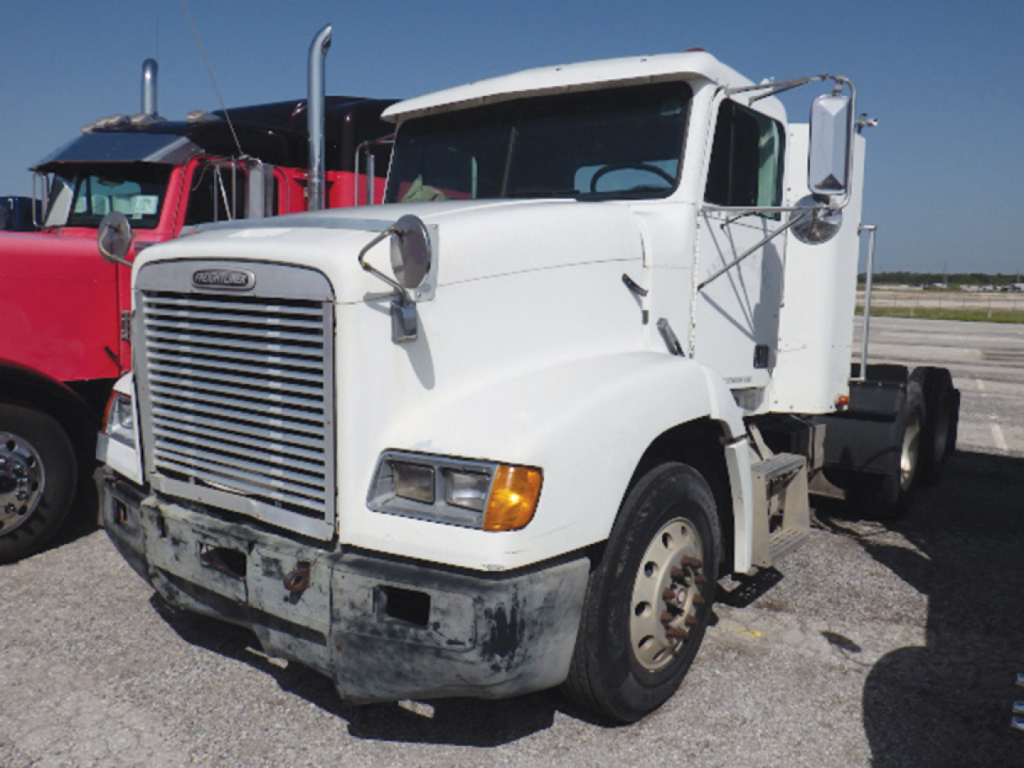
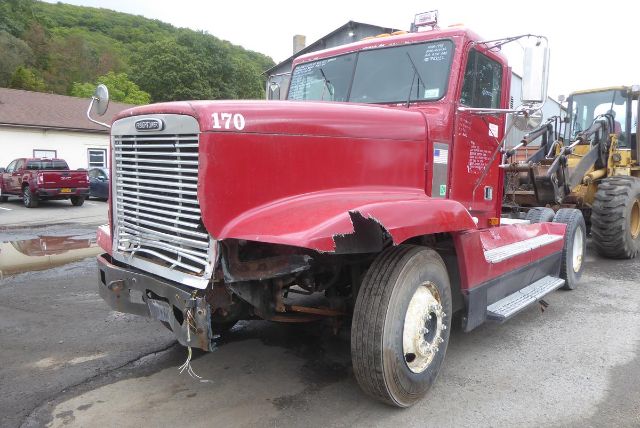
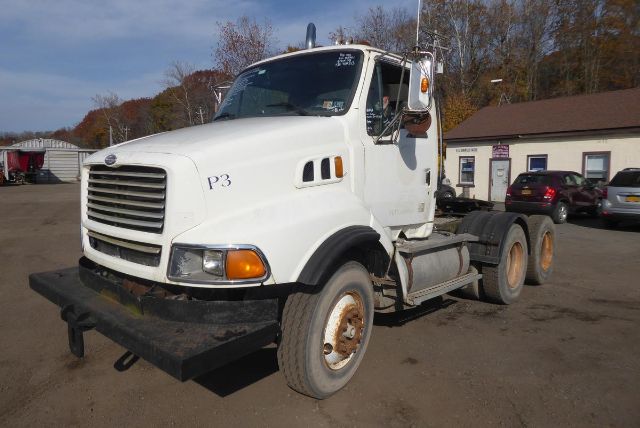
The biggest decisions usually start with axle configuration, wheelbase, and engine-transmission pairing. Many 1998 conventional daycab trucks were built as tandem axle road tractors with 6x4 drivetrains, though single axle setups are also common for lighter regional work and lower operating weight. Expect to see popular engines from Detroit Diesel, Cummins, Caterpillar, Mack, and International in horsepower ranges that often run from the mid-300s into the 400-plus range. Manual transmissions were still common in this era, but some units may have been repowered or updated over time. Rear axle ratios, suspension type, and fifth wheel setup have a direct effect on launch, cruise RPM, and how well the truck fits heavy vocational pulling versus fuel-conscious highway use.
A 1998 truck also sits in a very different emissions and electronics era than newer daycabs. Pre-2000 conventional daycab trucks generally appeal to buyers who want simpler engine systems without later diesel aftertreatment components such as DPF and DEF. That simplicity can reduce diagnostic complexity, but it also means condition matters more because age-related wear shows up in the cab structure, wiring, air system, suspension, cooling system, and drivetrain seals. Check for frame condition, crossmember repairs, steering play, clutch wear, kingpin and suspension bushing wear, brake type and remaining life, tire date codes, and any signs of wetness around the engine, transmission, and rear housings. On older daycabs, a clean service file and evidence of in-frame work, transmission replacement, or rear end service can be more valuable than low advertised miles alone.
Cab layout and vocational fit should be matched to the work before comparing listings. A shorter wheelbase daycab is easier to spot, dock, and turn in dense urban operations, while a longer wheelbase can improve ride quality and allow better deck plate, tank, and headache rack configurations. Buyers running a 53-foot van or reefer should confirm kingpin setting, sliding fifth wheel travel, and bridge law compatibility, especially if axle spacing or frame modifications are involved. If the truck will spend time on construction sites or in heavy PTO applications, pay close attention to frame rail condition, transmission options, suspension rating, and front axle capacity. The right 1998 conventional daycab is less about model year and more about whether the spec matches the lane, the trailer, and the weight it will pull every day.
Frequently Asked Questions about 1998 Conventional Daycab Trucks
What is a conventional daycab truck?
A conventional daycab truck is a highway tractor with a standard hooded engine layout and no sleeper compartment behind the seats. It is designed for local, regional, and return-to-base operations where overnight accommodations are not needed. Compared with sleeper tractors, daycabs usually offer lower empty weight, a tighter turning footprint, and easier access for city or terminal work.
Are 1998 conventional daycab trucks good for regional hauling?
Yes, a well-maintained 1998 conventional daycab can still be a solid regional hauling truck if the drivetrain, suspension, and brake system match the load. These trucks are often chosen for short-haul freight, drayage, dump, tanker, and flatbed work because they are simpler than newer emissions-era equipment. The key is to evaluate service history, engine hours, rebuild records, axle ratings, and overall mechanical condition instead of focusing only on odometer miles.
What should I inspect first on a 1998 daycab tractor?
Start with the frame, engine condition, transmission operation, rear axle integrity, suspension wear, and brake system. On a truck of this age, buyers should also inspect the wiring harness, air leaks, steering components, cooling system, cab mounts, and signs of corrosion or prior accident repair. Maintenance documentation, oil analysis, and receipts for major work such as an in-frame overhaul or clutch replacement can tell you more than appearance alone.
Do 1998 conventional daycab trucks have DEF or DPF systems?
Most 1998 conventional daycab trucks predate modern diesel aftertreatment requirements, so they generally do not have DEF or DPF systems. That is one reason older daycabs remain attractive to some buyers who prefer simpler mechanical and electronic systems. The tradeoff is that age-related maintenance becomes a bigger factor, and parts support can vary depending on the engine and transmission model.
How do I choose the right wheelbase and axle setup for a daycab?
Choose wheelbase and axle configuration based on trailer length, operating area, and gross combination weight. A shorter wheelbase is usually better for city maneuvering, container work, and frequent docking, while a longer wheelbase can improve ride quality and component placement for tanks, toolboxes, and deck equipment. Tandem axle 6x4 setups are more common for heavier freight and broader applications, while single axle daycabs can reduce weight and operating cost in lighter-duty regional service.