
Conventional Daycab Trucks For Sale in Colorado
Shop conventional daycab trucks in Colorado. Compare regional and vocational specs, wheelbases, powertrains, axles, and driver-focused features.
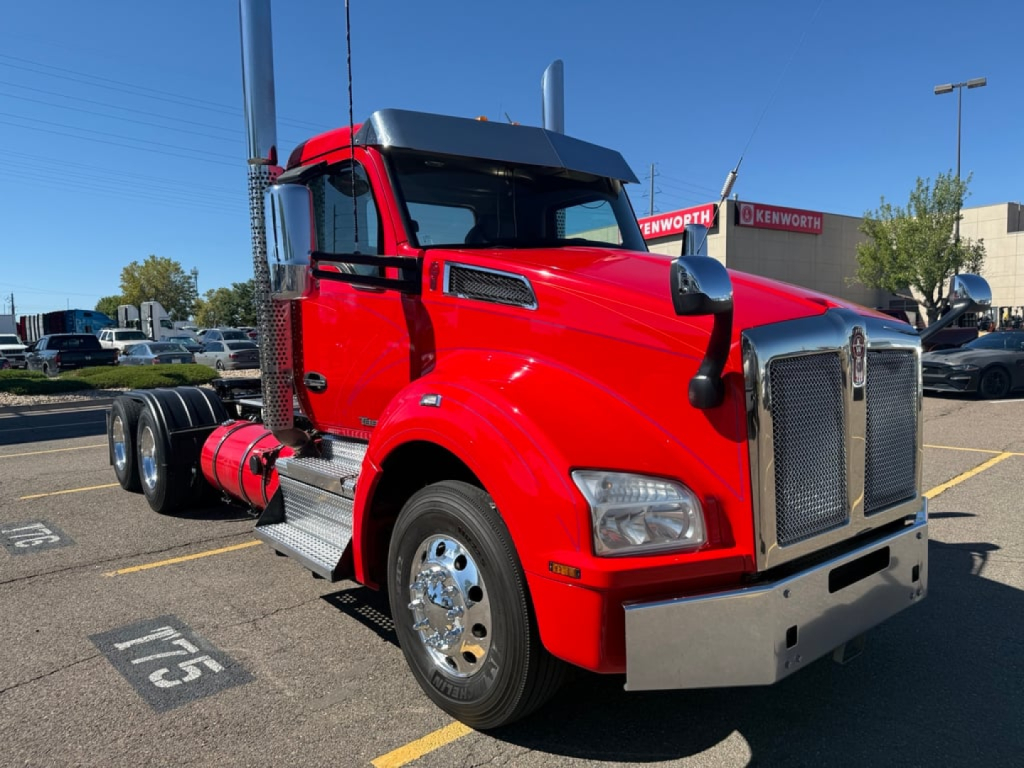
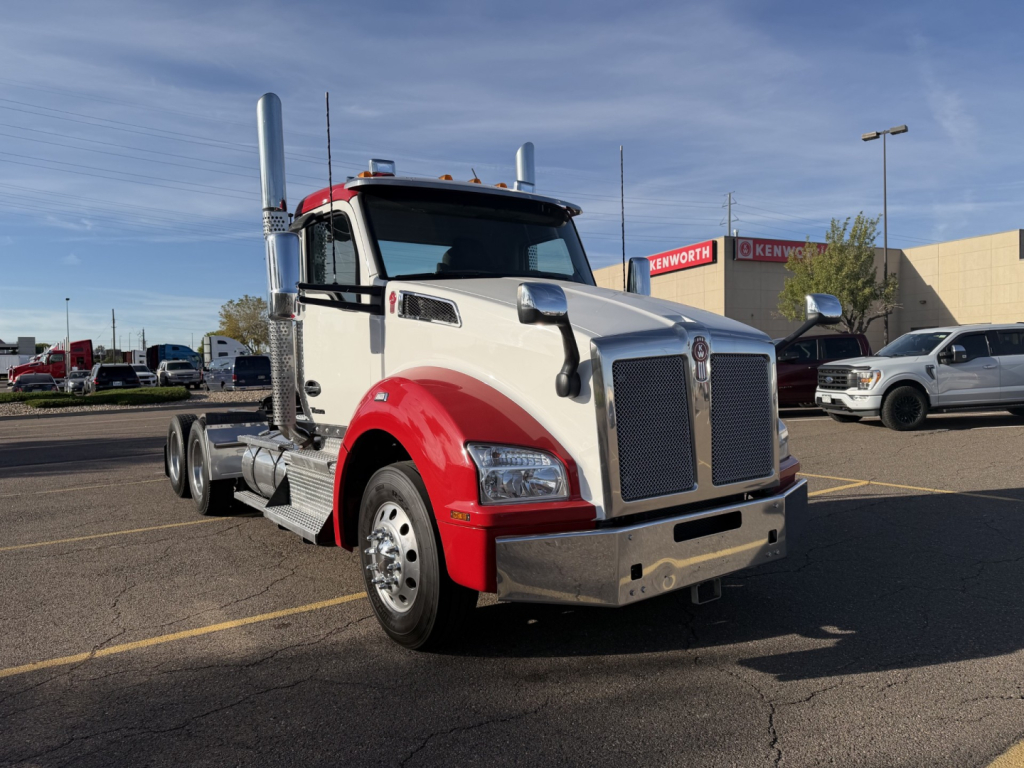
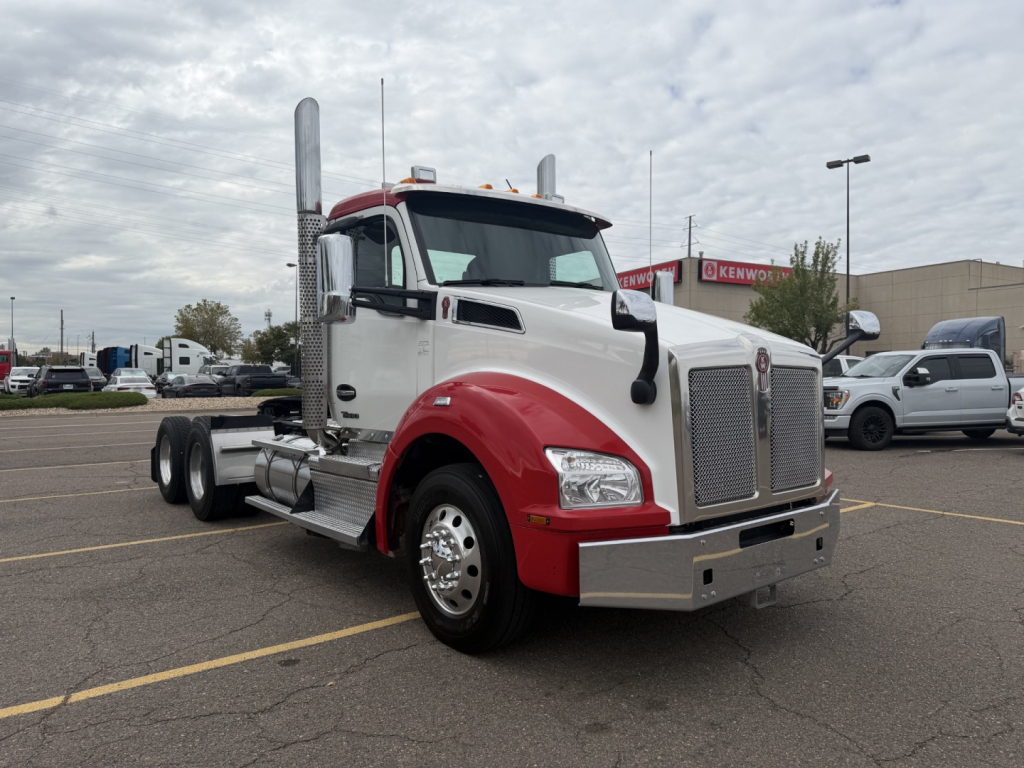
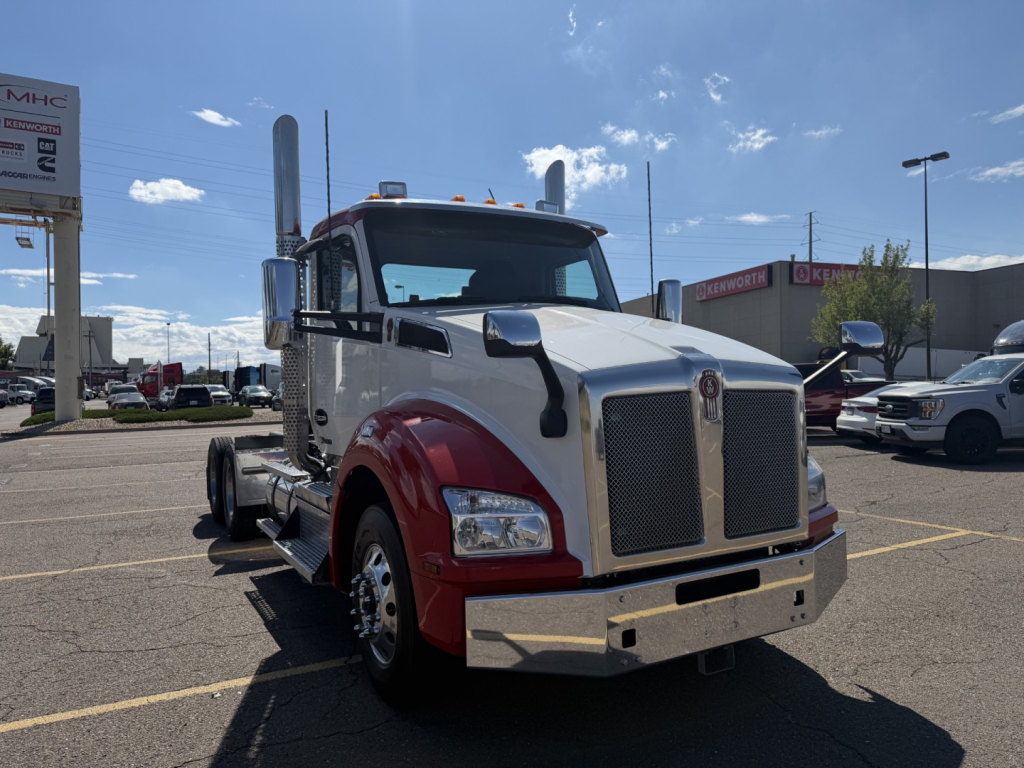
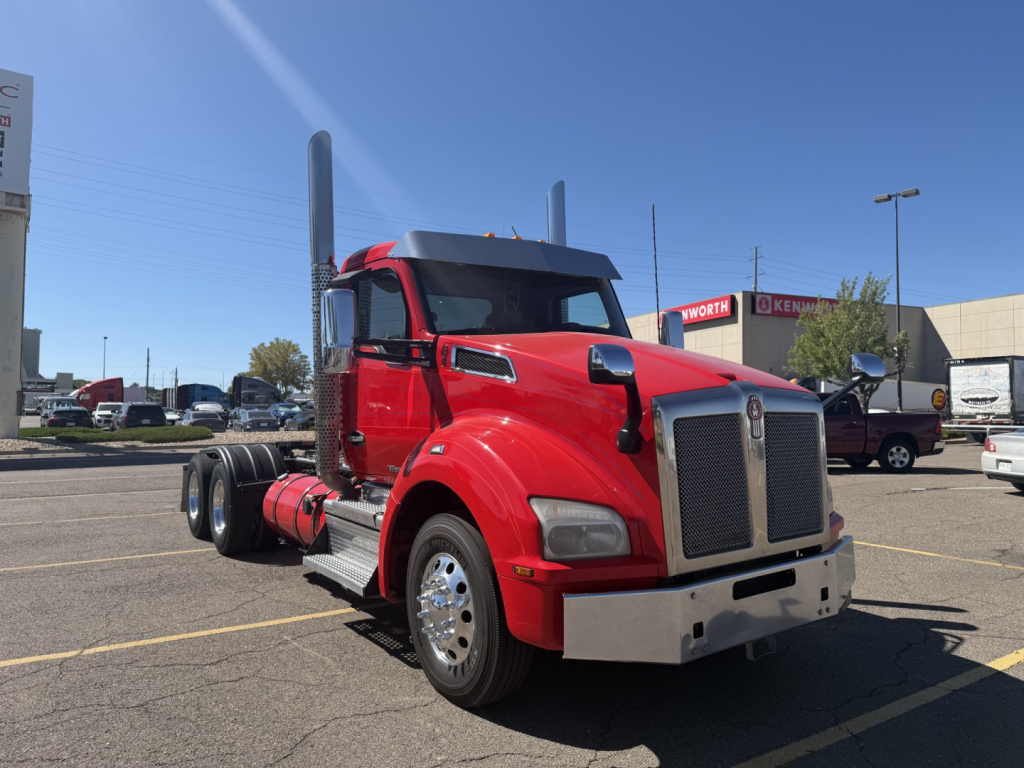
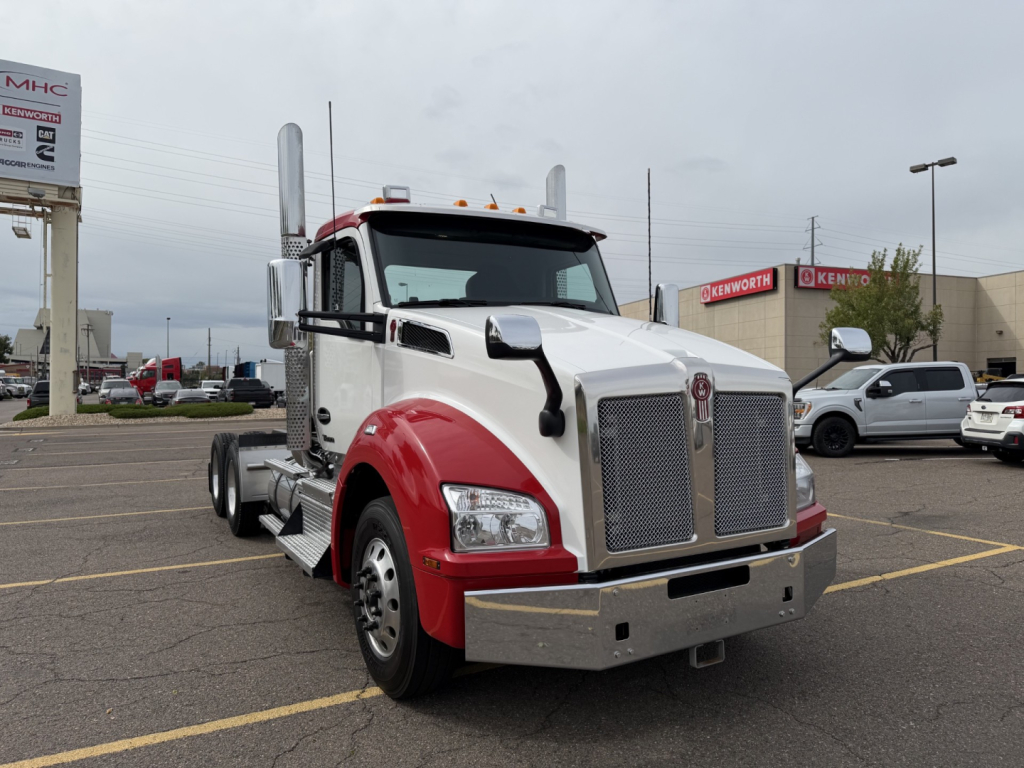
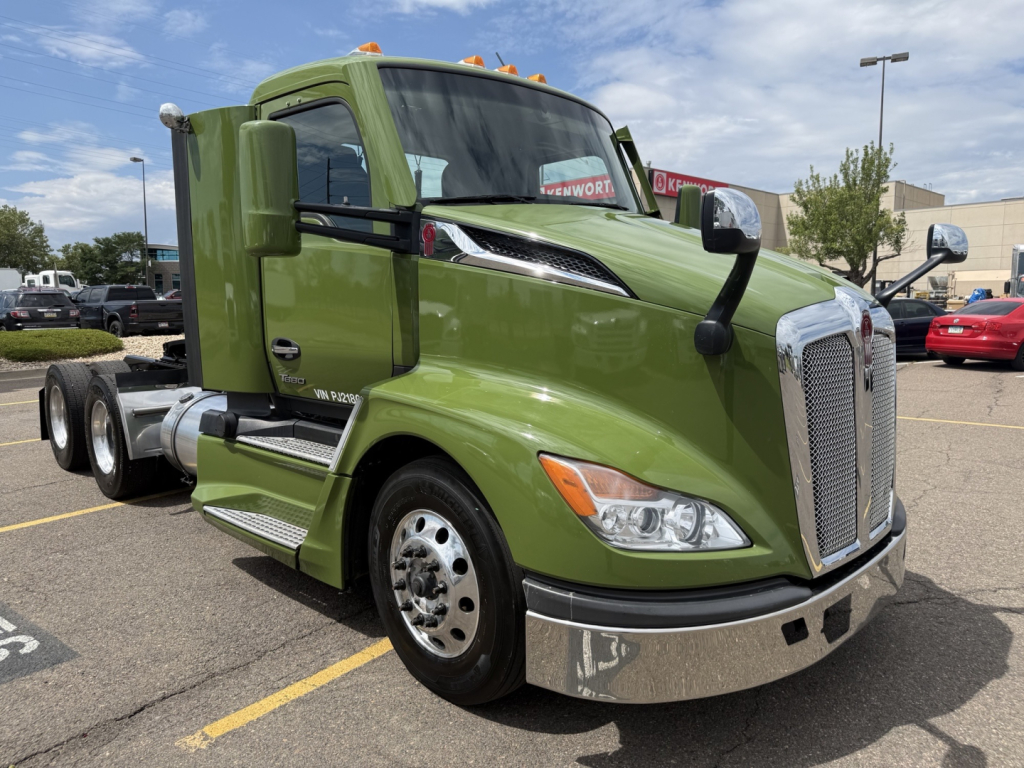
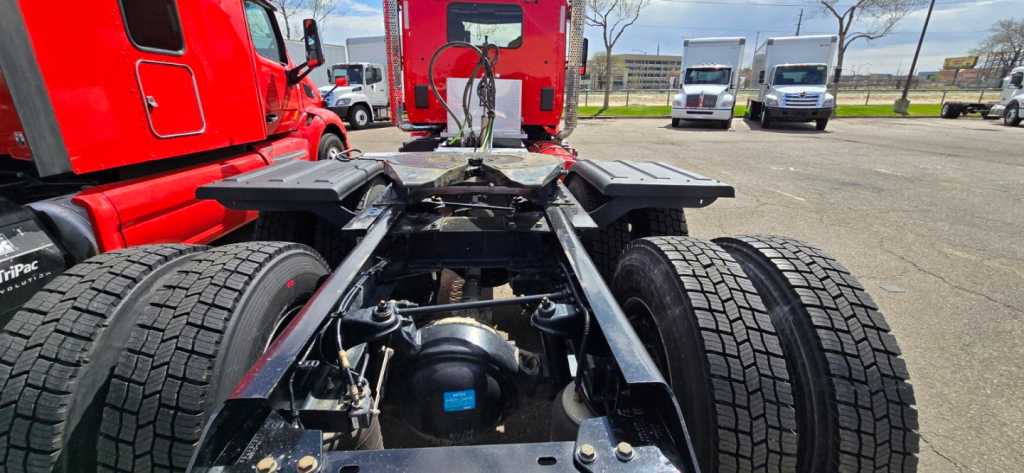
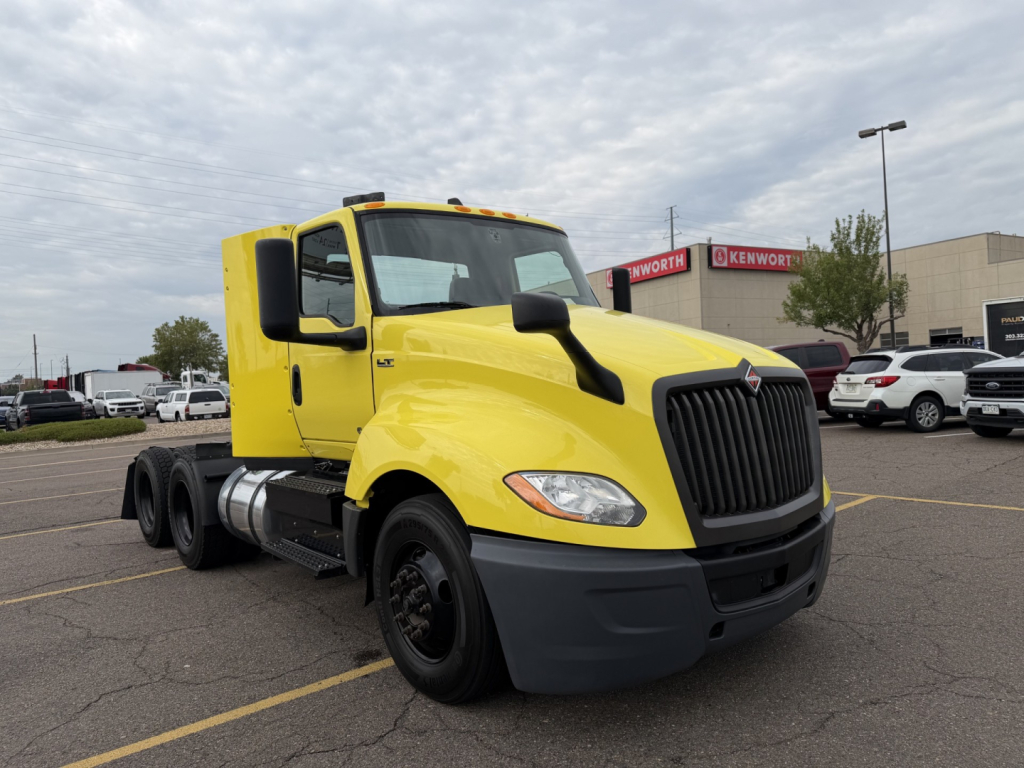
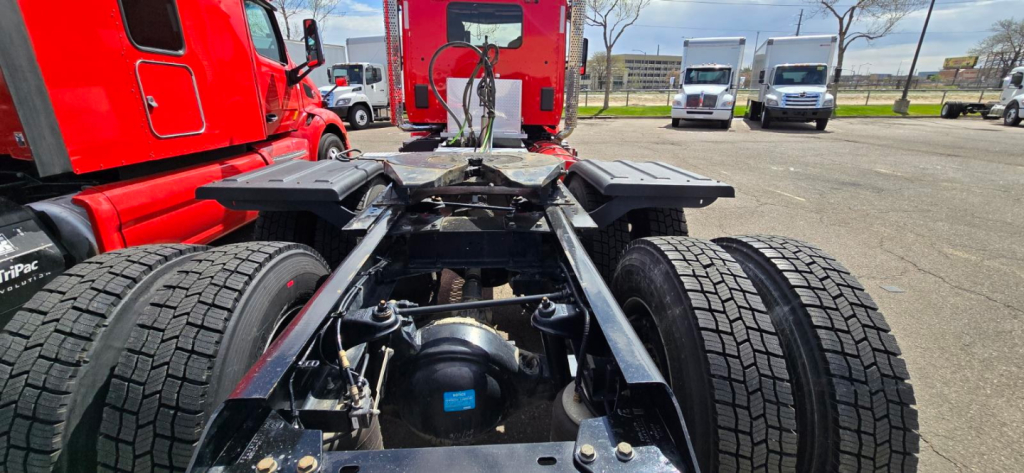
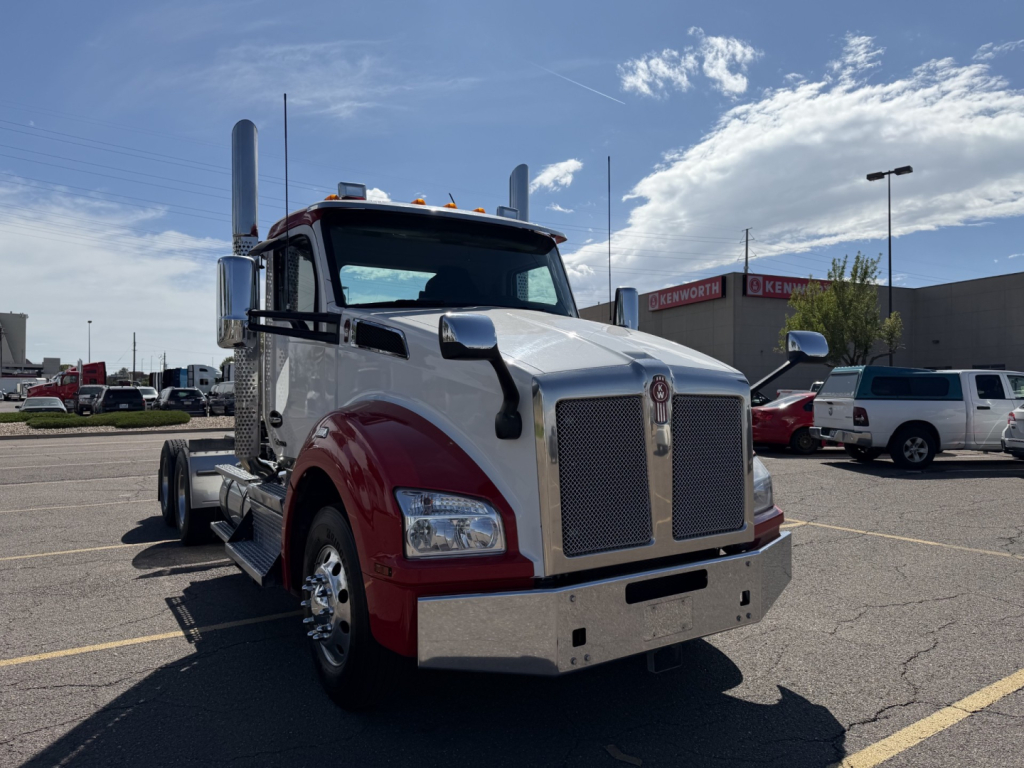
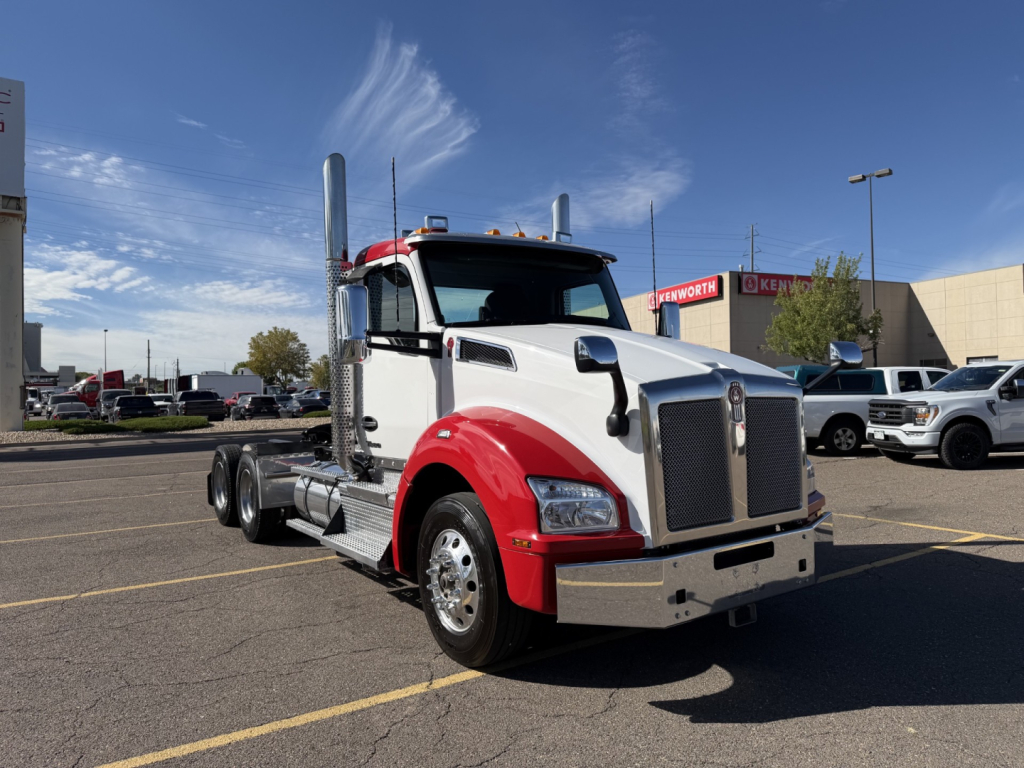
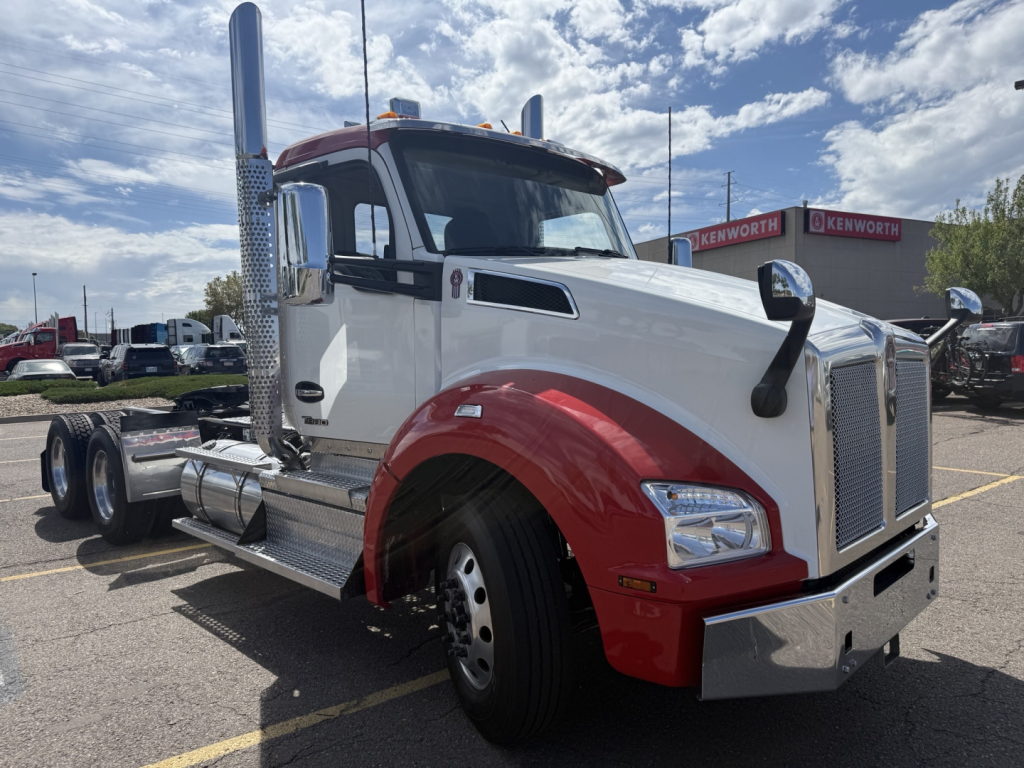
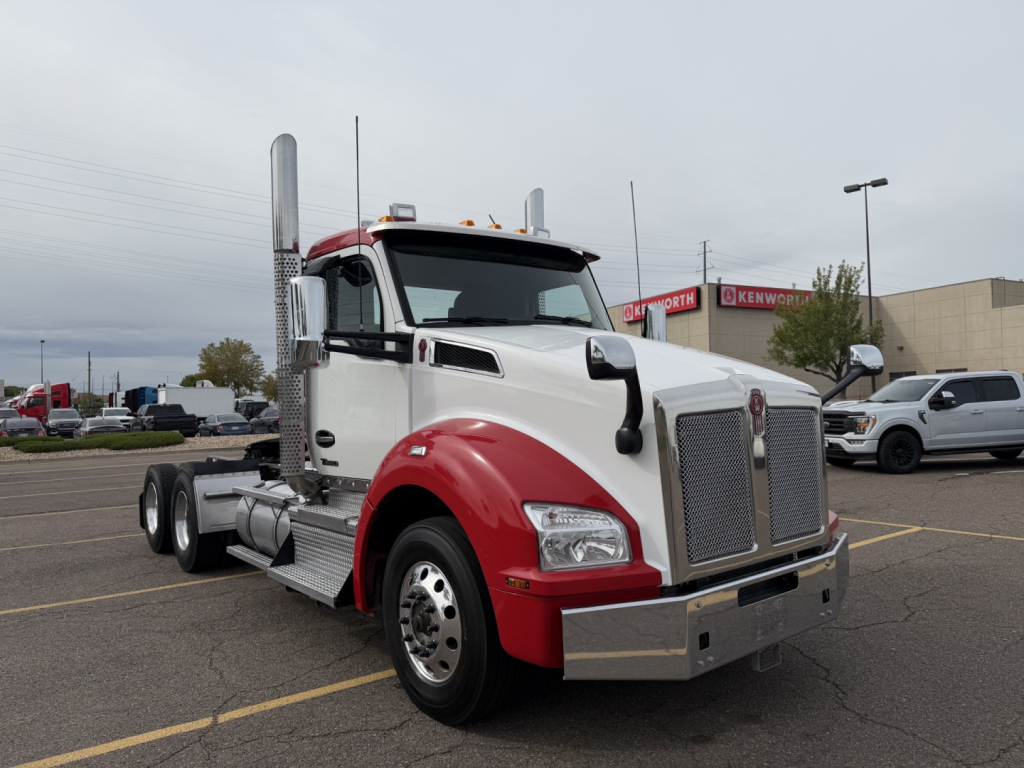
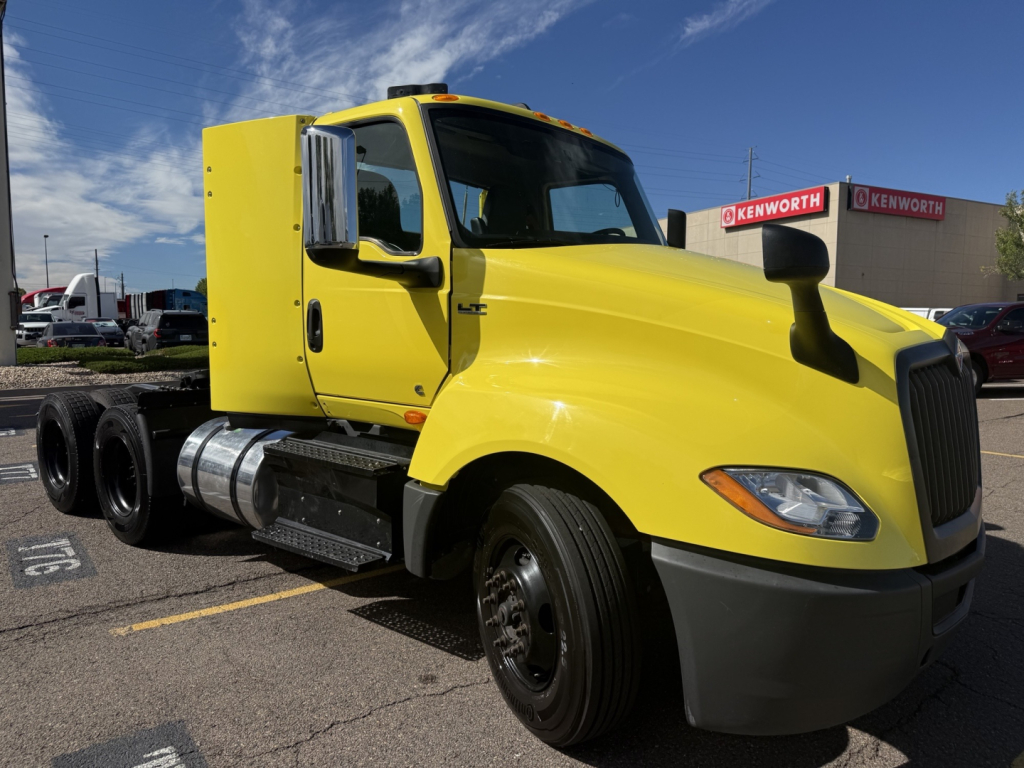
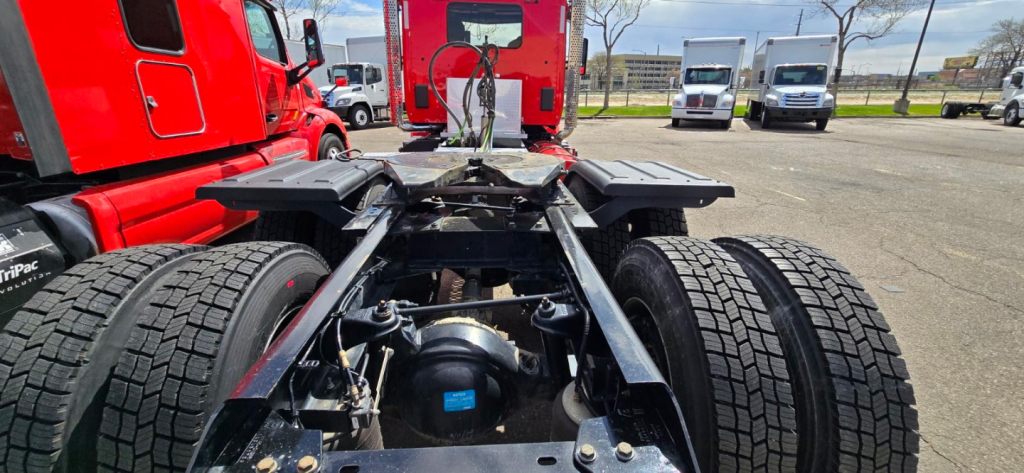
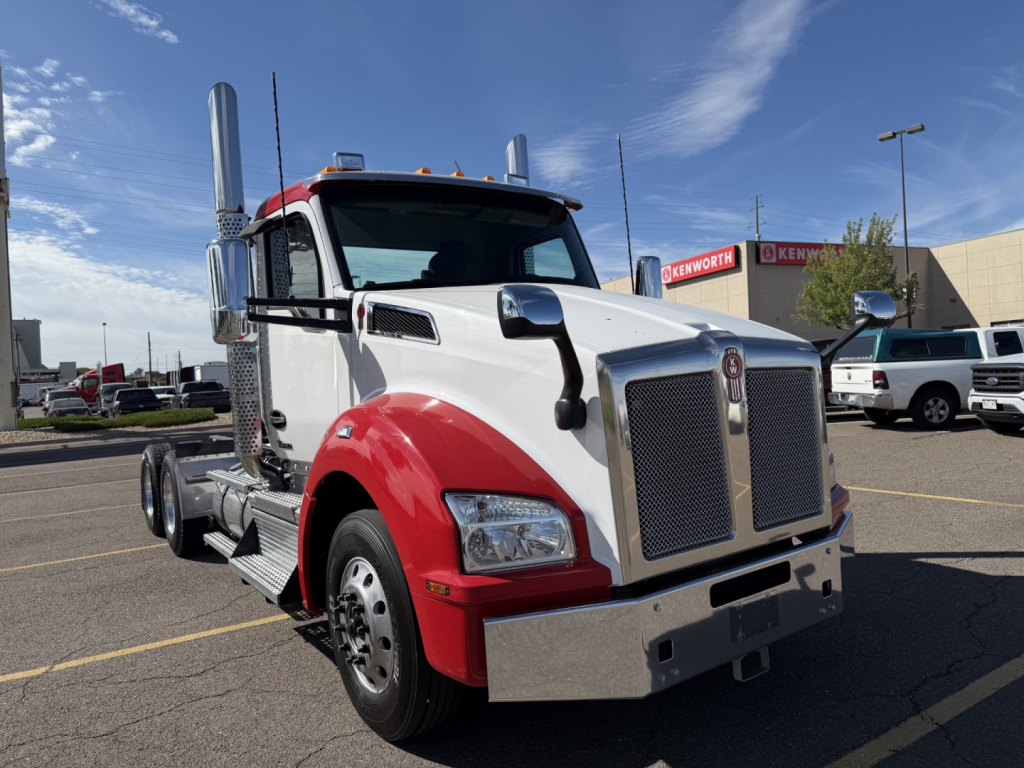
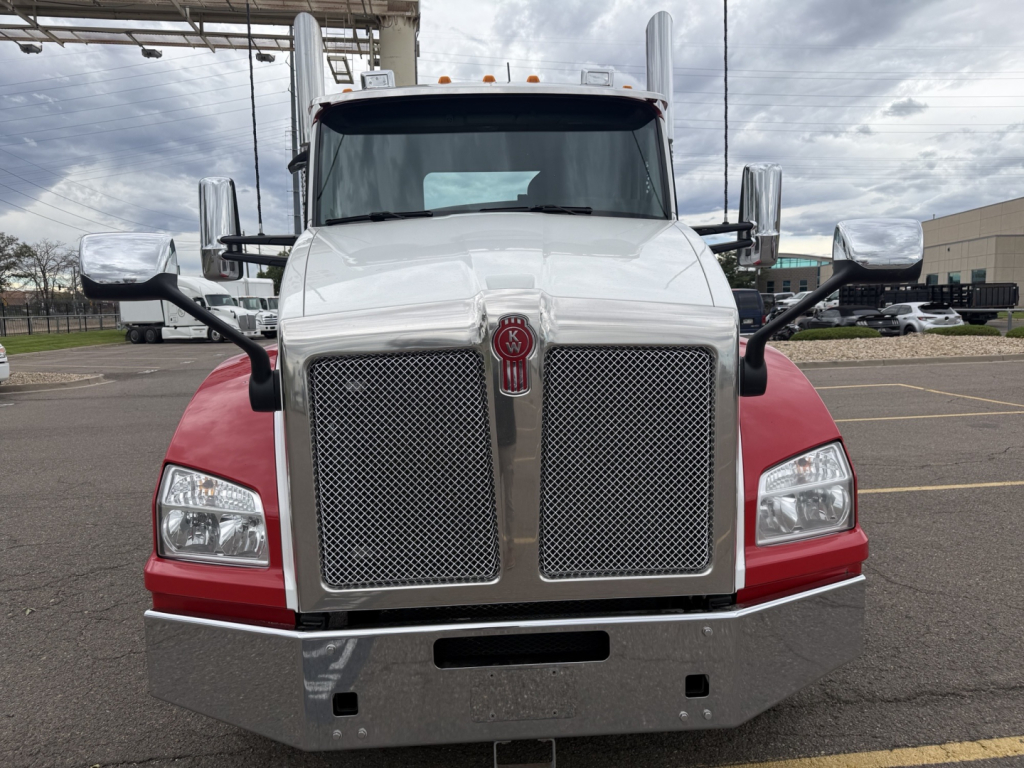
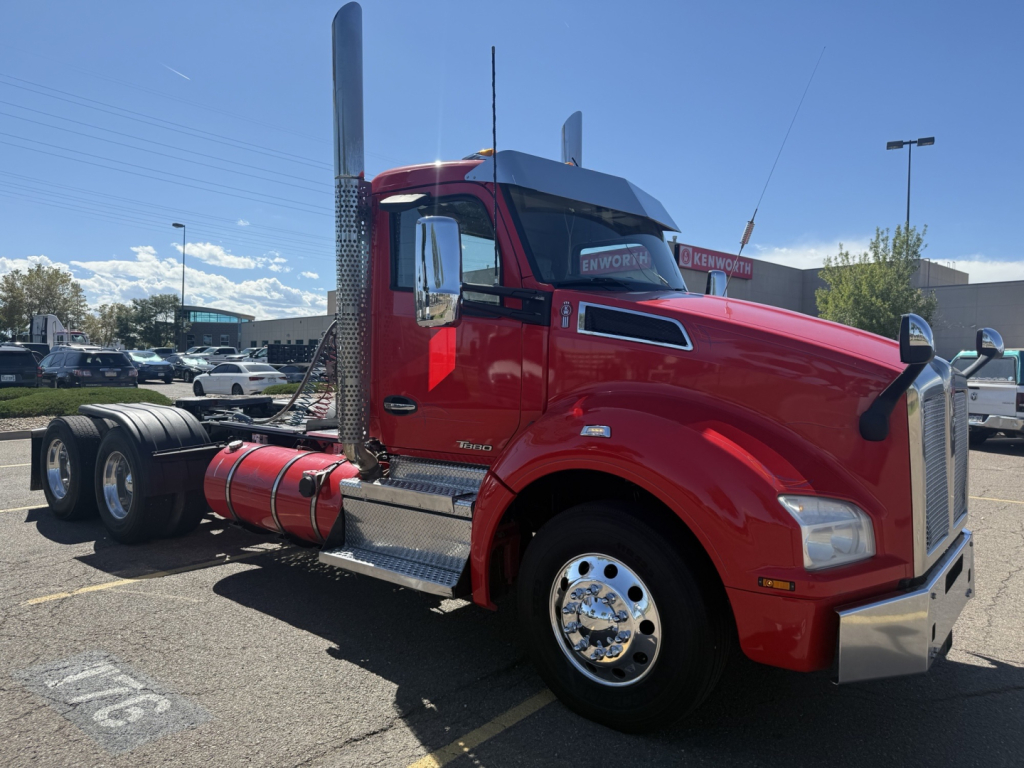
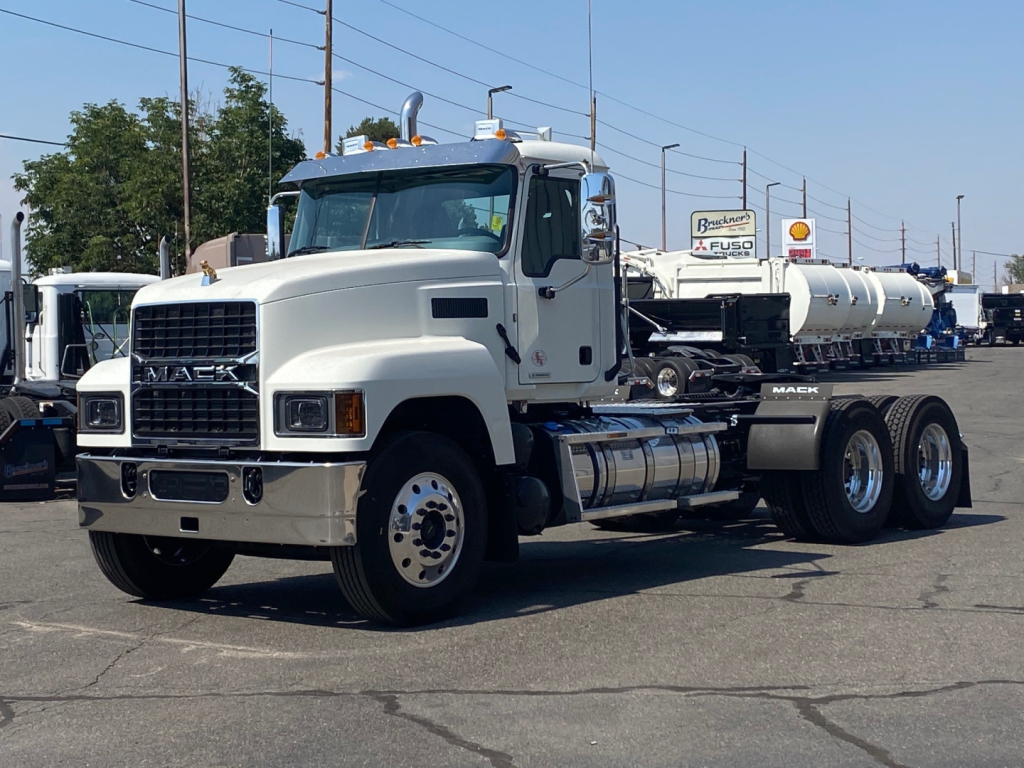

Showing 1 to 28 of 39 results
Selling a conventional daycab truck? List your conventional daycab truck for sale and reach thousands of commercial buyers.
Conventional Daycab Trucks in Colorado
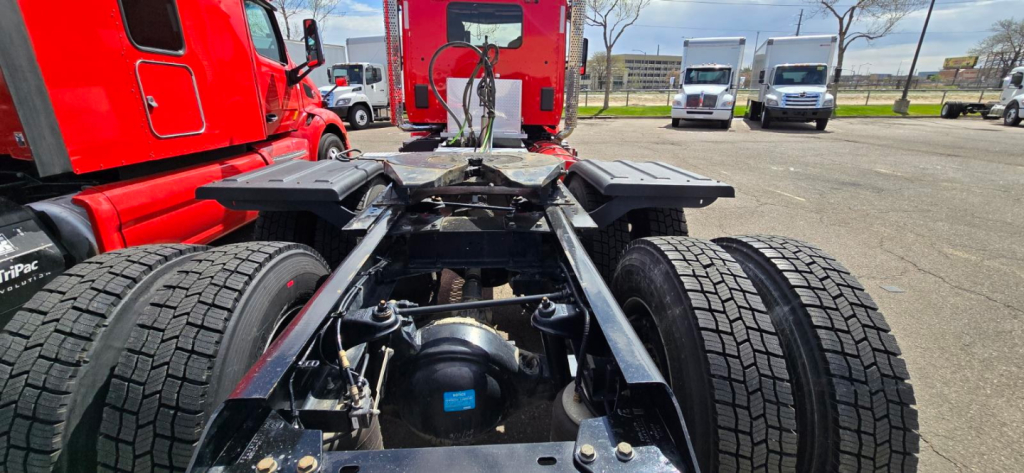
Powertrain selection matters more in a daycab than many buyers expect. Regional highway specs often land in the 400 to 505 horsepower range with torque matched to automated manual or manual transmissions, while heavier vocational or mountain work may call for higher torque ratings, aggressive rear axle ratios, and wheelbases set up for PTO equipment or a wet kit. Common buyer checkpoints include tandem axle configuration, suspension type, fuel capacity, brake spec, and fifth wheel setup. A pinned fifth wheel can be useful in dedicated operations, while a sliding fifth wheel adds versatility for changing trailer lengths and kingpin settings. Buyers looking at flatbed or heavy haul support work often pay close attention to headache racks, frame spacing, and clearance for hydraulic lines.
The best conventional daycab spec depends on where the truck will spend its time. For Front Range regional freight, aerodynamic models with automated transmissions, air ride suspension, and efficient engine calibrations can lower operating cost and reduce driver fatigue. For construction supply, aggregate, refuse transfer, or oilfield support, a buyer may prioritize heavier front axles, durable interior materials, drum or disc brake preference, locking differentials, and PTO readiness over pure fuel economy. Wheelbase is a major decision point because it affects bridge law compliance, trailer swing clearance, turning radius, and driveline layout. In mountain service, cooling capacity, engine brake performance, and axle ratio deserve a close look, especially for fleets running frequent grades west of Denver or into high-elevation corridors.
Condition and maintenance history are just as important as brand or engine badge. On a used conventional daycab, buyers typically inspect idle hours, aftertreatment service records, clutch and transmission behavior on automated units, suspension wear, tire match, brake life, and signs of frame modifications. Cab ergonomics also matter in a truck that sees multiple stops per day, so seat condition, entry height, visibility, and control layout should not be overlooked. A well-matched daycab should fit the route, trailer, and gross combination weight first, then support uptime with a driveline and chassis spec that local service networks can maintain efficiently.
Frequently Asked Questions about Conventional Daycab Trucks in Colorado
What is a conventional daycab truck used for?
A conventional daycab truck is a hooded tractor without a sleeper berth, designed for local, regional, and return-to-base operations. Common uses include dry van, reefer, flatbed, tanker, intermodal, bulk commodity, and vocational tractor work. Because it is shorter and lighter than a sleeper tractor, it is often a strong fit for routes with frequent stops, tight yards, and daily driver home time.
What should I look for when buying a conventional daycab in Colorado?
Colorado buyers should focus on terrain, altitude, and operating radius before comparing brands. Engine horsepower and torque, rear axle ratio, engine brake strength, cooling package, and transmission type all affect performance in mountain service. Wheelbase, axle ratings, and fifth wheel position also matter because they influence maneuverability, bridge compliance, and trailer compatibility. For year-round operation, it is smart to review tire spec, traction aids, cold-weather features, and maintenance records for aftertreatment and braking systems.
Is an automated transmission a good choice for a daycab tractor?
An automated manual transmission is a common choice in conventional daycab trucks because it can improve driver consistency, reduce clutch wear, and make stop-and-go regional work easier on the driver. It is especially popular in fleet service and dedicated lanes. A manual transmission may still appeal in certain vocational or specialized applications where driver preference, PTO control strategy, or terrain demands support it. The right choice depends on duty cycle, driver pool, maintenance practices, and the truck’s gearing.
How do I choose the right wheelbase for a conventional daycab?
Wheelbase should match the trailer type, axle spacing needs, and jobsite conditions. A shorter wheelbase generally improves turning radius and urban maneuverability, while a longer wheelbase can help with ride quality, frame space for equipment, fuel capacity, and certain weight distribution requirements. Buyers should also consider fifth wheel travel, kingpin setting, frame-mounted accessories, and PTO or wet kit needs before deciding on wheelbase.
Are daycab trucks good for flatbed or wet kit applications?
Yes, many conventional daycab trucks are commonly spec'd for flatbed, drop deck, and hydraulic trailer work. Buyers in these applications often look for a wet kit, headache rack, frame space for hoses and controls, and enough horsepower and torque for heavier or specialized loads. Fifth wheel type, frame strength, and axle ratio also become more important when the truck is expected to handle varied trailers or work in hilly terrain.