
Mack Conventional Daycab Trucks For Sale in Colorado
Shop Mack conventional daycab trucks in Colorado, with insights on MP engines, mDRIVE, weight, frame strength, cooling, and corrosion protection.
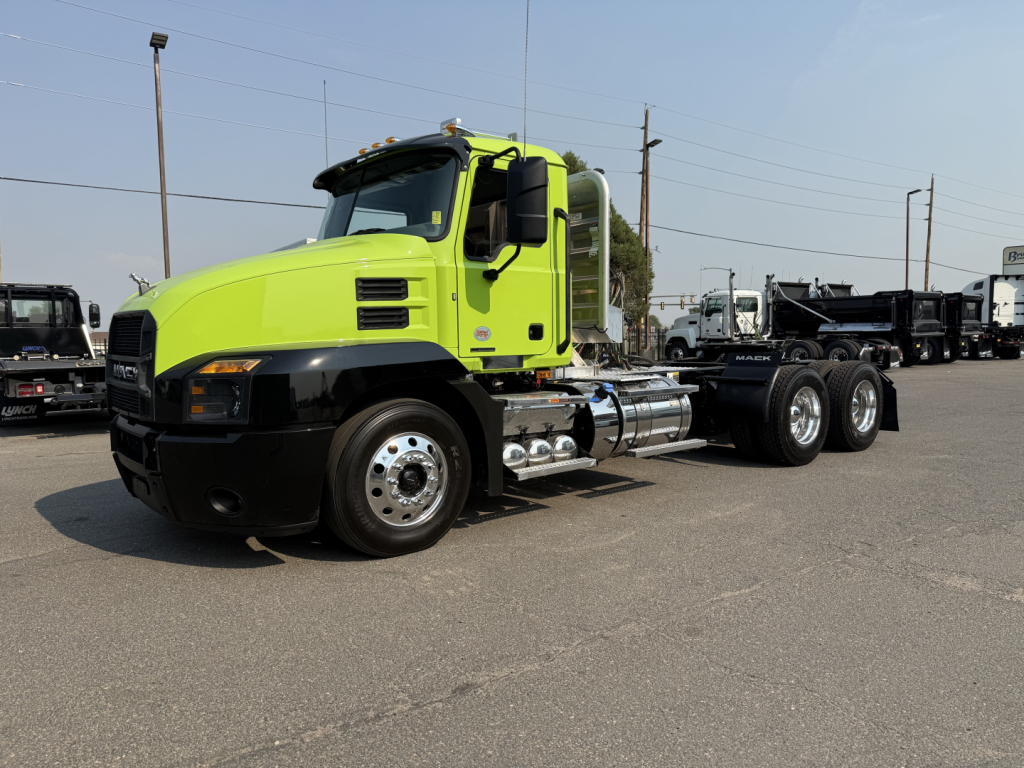
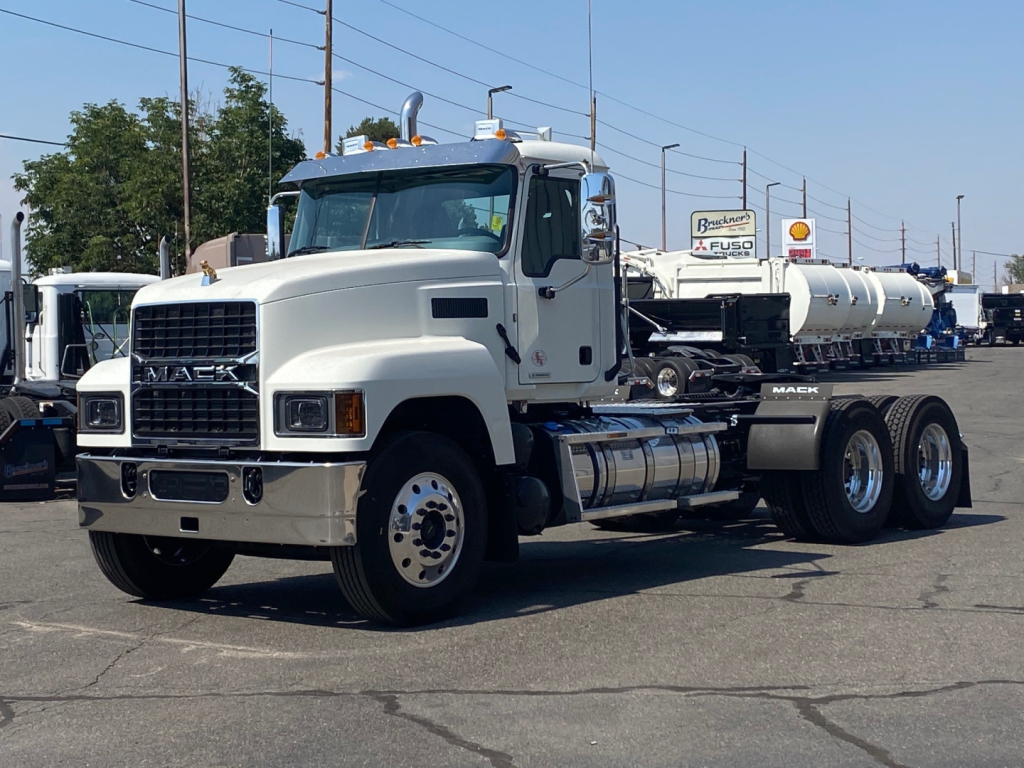
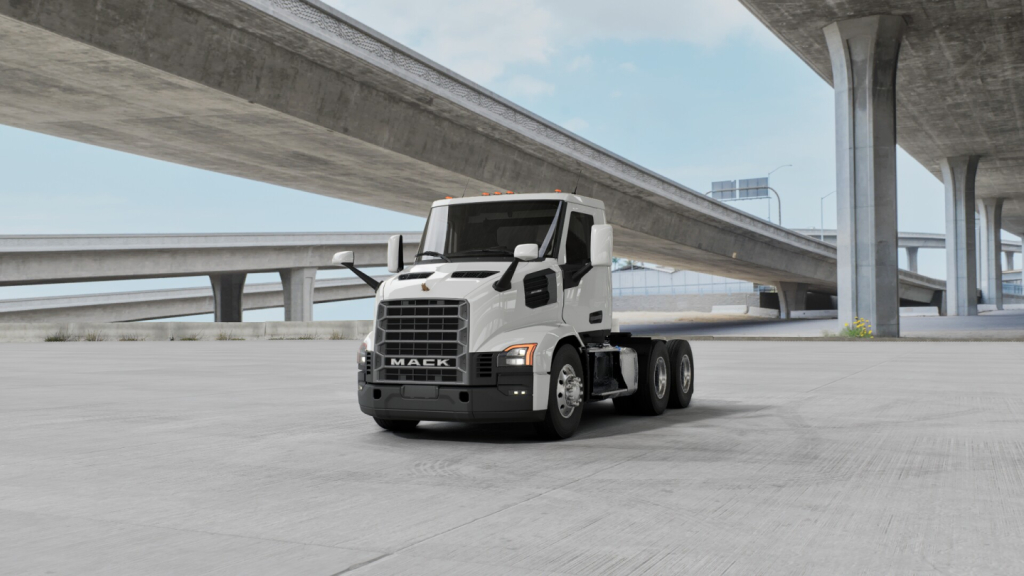
Have mack conventional daycab truck to sell? List it here to reach thousands of buyers.
Mack Conventional Daycab Trucks in Colorado
Tare weight directly affects payload and fuel economy. Lightweight specs like aluminum wheels, hubs, and air tanks, smaller DEF and fuel packages sized to route length, and in some cases a 6x2 tandem can trim hundreds of pounds. The trade off is traction and durability in winter conditions, so most Colorado operations favor 6x4 tandems with interaxle lock and cross locks. Disc brakes can cut weight and improve fade resistance on long descents, while wide base singles reduce rolling resistance but may complicate chaining and traction on snow. Choose wheelbase only as long as needed for bridge and swing clearance, since shorter wheelbase improves maneuverability and reduces chassis mass.
Structural integrity is the backbone of uptime. Frame rail section modulus and RBM, crossmember spacing, and the presence of liners or double frames determine how well a daycab handles heavy trailers, frequent docking impacts, and PTO work. Mack’s chassis options include high tensile single rails for on-highway and double-frame or partial liners for vocational duty. Fifth wheel height and pedestal type should match trailer floor heights to keep driveline angles in check. Cab floor strength matters for high cycle in and out operations and for mounting belly boxes or deck plates; look for reinforced step mounts, heavy gauge cab floors, and tread plate work platforms that do not flex under load. Suspension choice also affects durability and ride, with Mack Air Ride favoring on-highway stability and Camelback or multileaf options prioritizing off-pavement abuse resistance.
Thermal integrity and corrosion resistance are critical in Colorado’s altitude and winter chemistry. Tight cab sealing and quality insulation help the HVAC system maintain setpoint in extreme cold, which protects electronics and reduces driver fatigue. Engine cooling margin, charge air cooler condition, and fan clutch control are vital on long climbs, so ensure the radiator stack is clean and spec the correct cooling package for GCW and grade. Aftertreatment systems need heat to stay healthy on short urban routes; a calibration that supports frequent passive regen, an exhaust insulation wrap where appropriate, and driver training will limit forced regens. For corrosion, prioritize galvanized or e-coated cab structures, powder coated or e-coated frames, stainless or polymer battery boxes and steps, sealed electrical connectors, and frequent washdowns after exposure to magnesium chloride. Options like heated mirrors, battery heaters, block heaters, and TPMS add winter reliability without a big weight penalty.
Frequently Asked Questions about Mack Conventional Daycab Trucks in Colorado
Which Mack daycab model fits Colorado highway versus mixed vocational use?
For primarily highway and regional routes, an Anthem or legacy Pinnacle daycab with an MP7 or MP8 and mDRIVE provides the best balance of fuel economy and grade performance. For mixed on or off pavement work, a Granite-based daycab with heavier frame rails, higher RBM, and vocational suspensions handles rough sites and frequent curb or dock impacts better. The right choice comes down to GCW, percent of time on gravel or job sites, and the need for PTO or specialized equipment.
What axle ratio and transmission pairing works best for Colorado grades?
A direct-drive top gear with numerically higher rear ratios, such as 3.42 to 3.73, often performs well in the mountains because it limits torque loss through the driveline. Overdrive transmissions can use lower numeric rears like 2.64 to 3.08 for flatlands, but may hunt on steep grades if underpowered. With mDRIVE, select a grade-friendly performance calibration and ensure a strong engine brake or turbo brake. Match ratio to tire size and intended cruise speed to keep the MP7 or MP8 in its peak torque band on climbs.
How can I reduce tare weight without compromising winter traction and durability?
Start with high value weight savers like aluminum wheels and hubs, aluminum air tanks, and right-sized fuel and DEF capacity. Disc brakes can save weight and improve downhill control. Keep a 6x4 tandem for Colorado winters, using interaxle and differential locks for traction, and avoid overspec’d double frames unless your loads demand them. Choose a wheelbase and fifth wheel height that meet operational needs without excess steel, and favor single 7-way or clean routing to minimize bracketry.
What should I look for to ensure structural and cab floor strength on a daycab?
Review frame rail material and RBM, crossmember spacing, and whether the chassis has a liner or double frame for heavier duty cycles. Inspect fifth wheel rails and pedestal for wear and signs of deck flex. In the cab, check step brackets, cab mount bushings, and the floor around seat bases for flex or cracking. Reinforced tread plate deck surfaces, solid grab handles, and well supported air and electrical lines prevent fatigue failures when drivers hook and unhook multiple times per day.
How do I protect against corrosion and maintain thermal integrity in Colorado conditions?
Spec e-coated or galvanized cab structures, coated frame rails, stainless or composite hardware, and sealed electrical connectors. Add heated mirrors, block heater, and battery heater for cold starts, and maintain coolant condition and fan drive operation to protect the engine and aftertreatment on long climbs. Keep the radiator and charge air cooler clean, consider a winter front in extreme cold, and wash frequently after exposure to magnesium chloride. A TPMS helps maintain tire temperature and pressure, reducing rolling resistance and improving safety in cold weather.