
Conventional Daycab Trucks For Sale in Alaska
Browse conventional daycab trucks built for local and regional hauling, vocational work, and fleet use with tandem axles, diesel power, and PTO options.
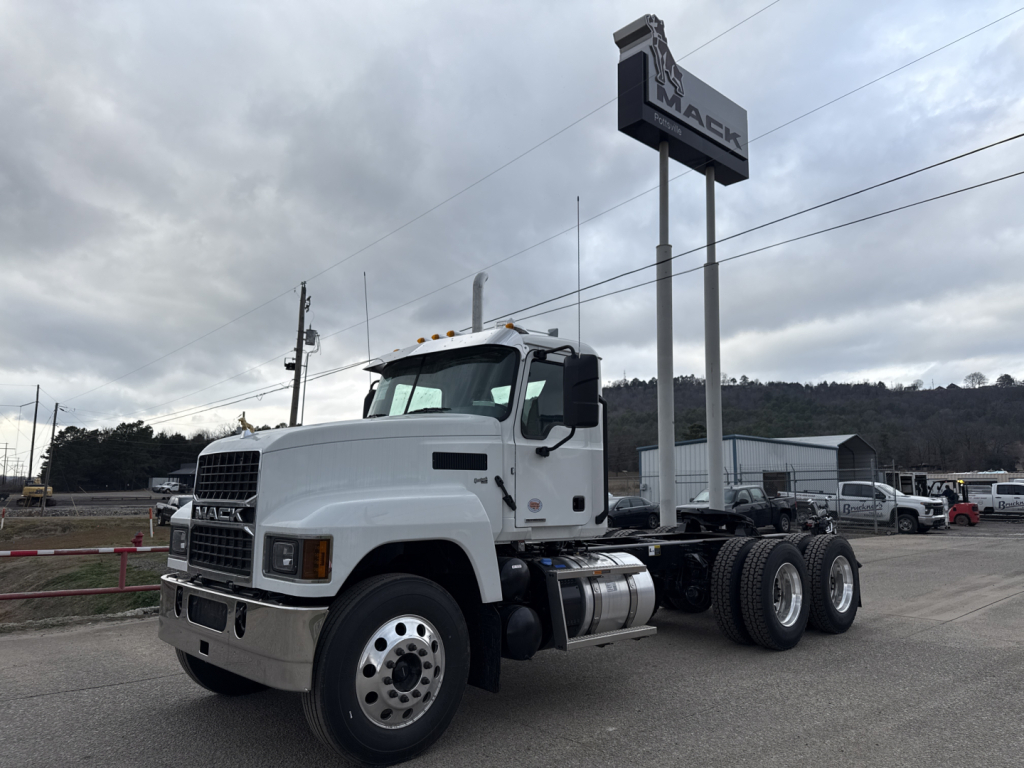
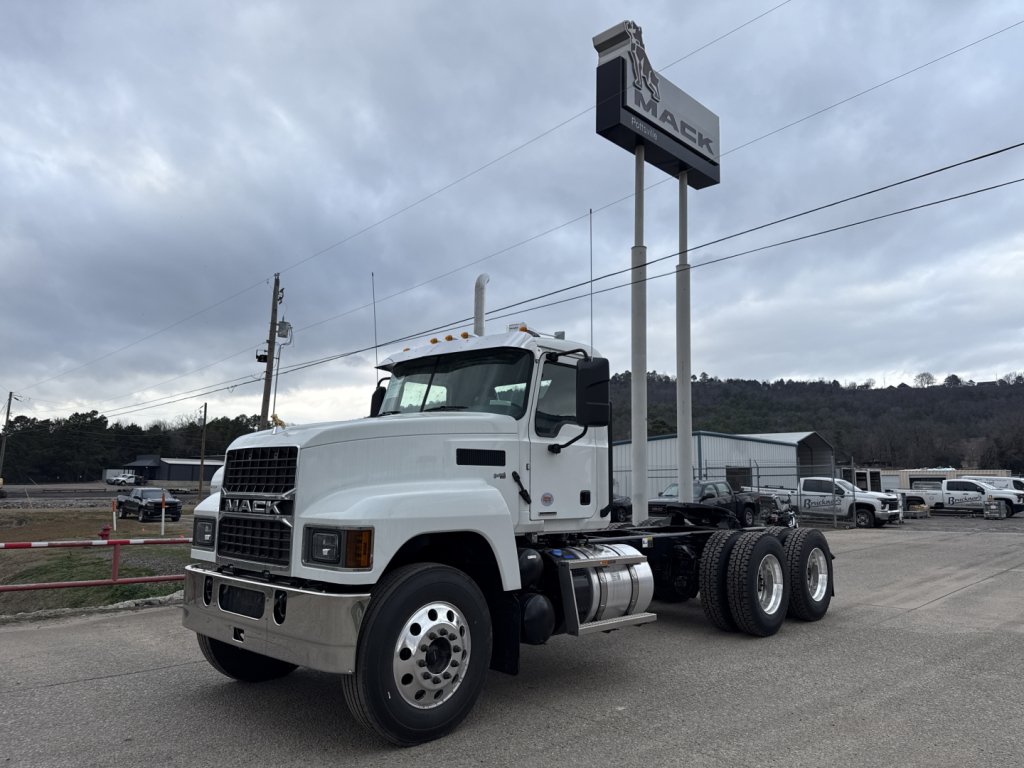
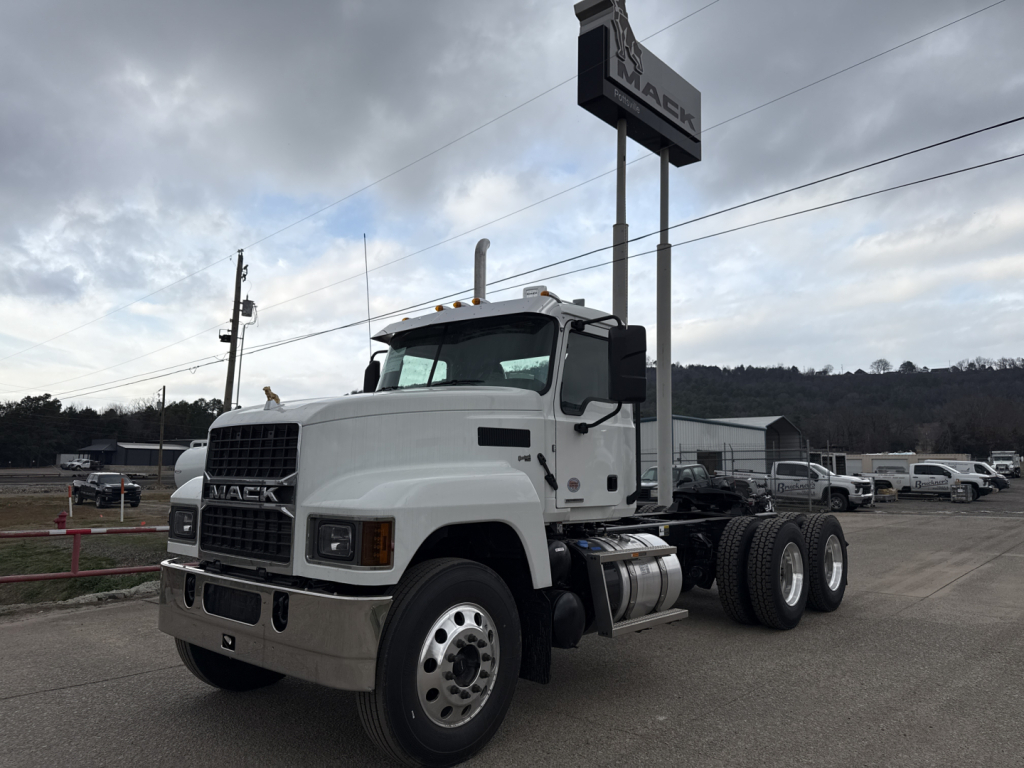
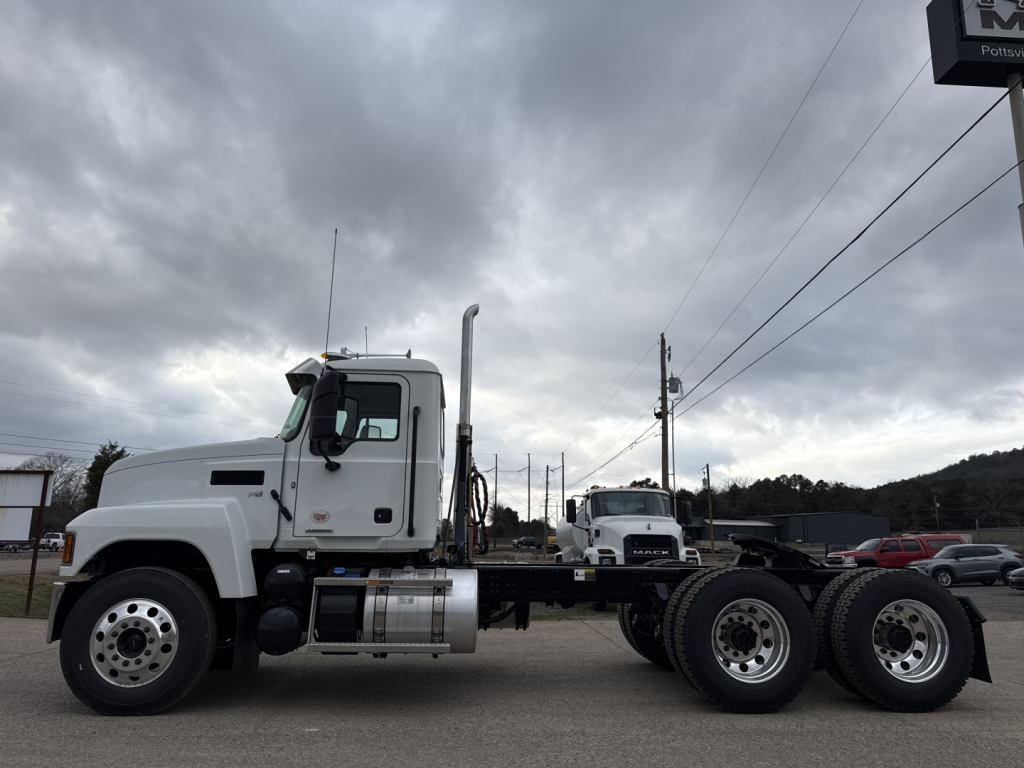
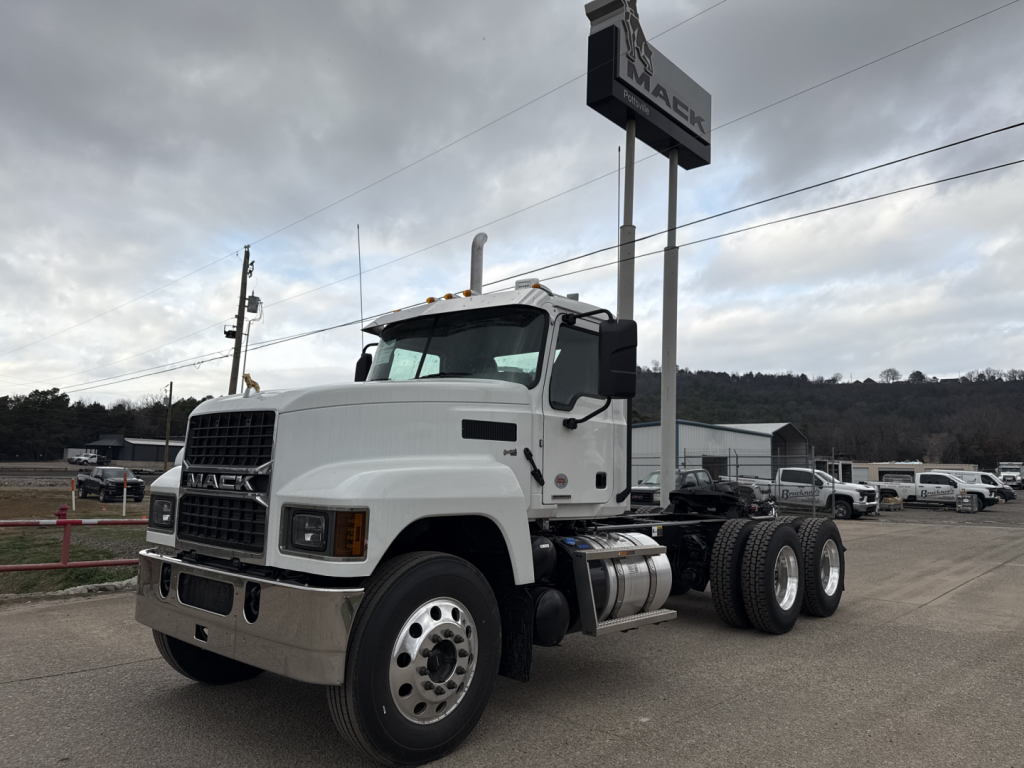
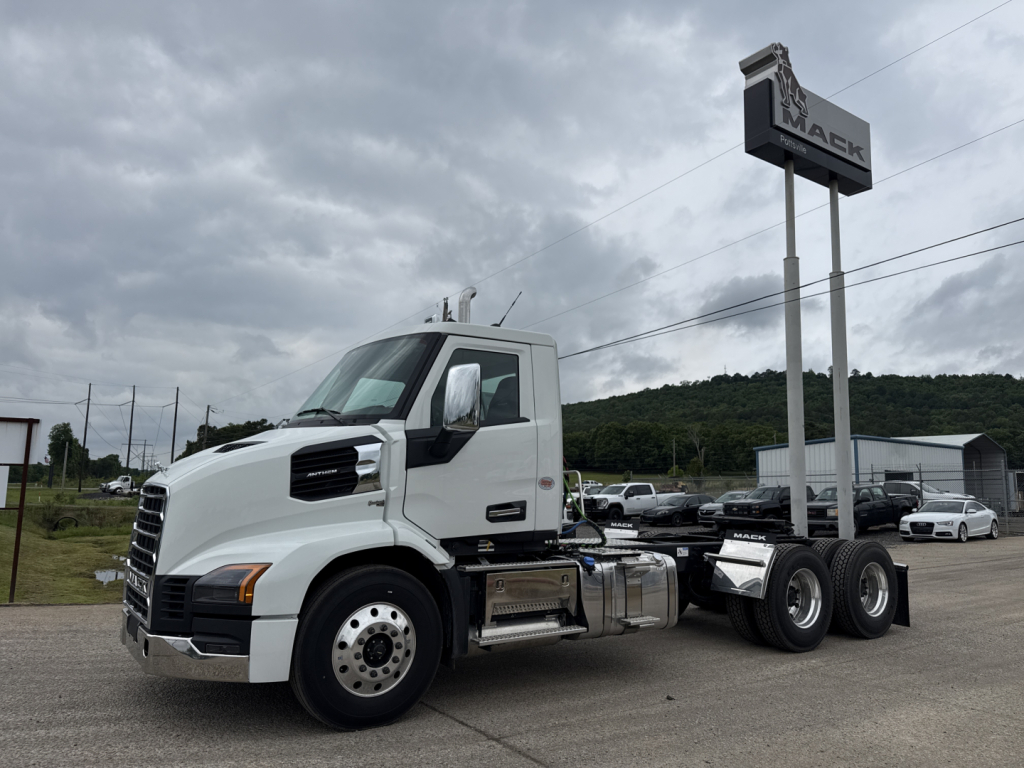
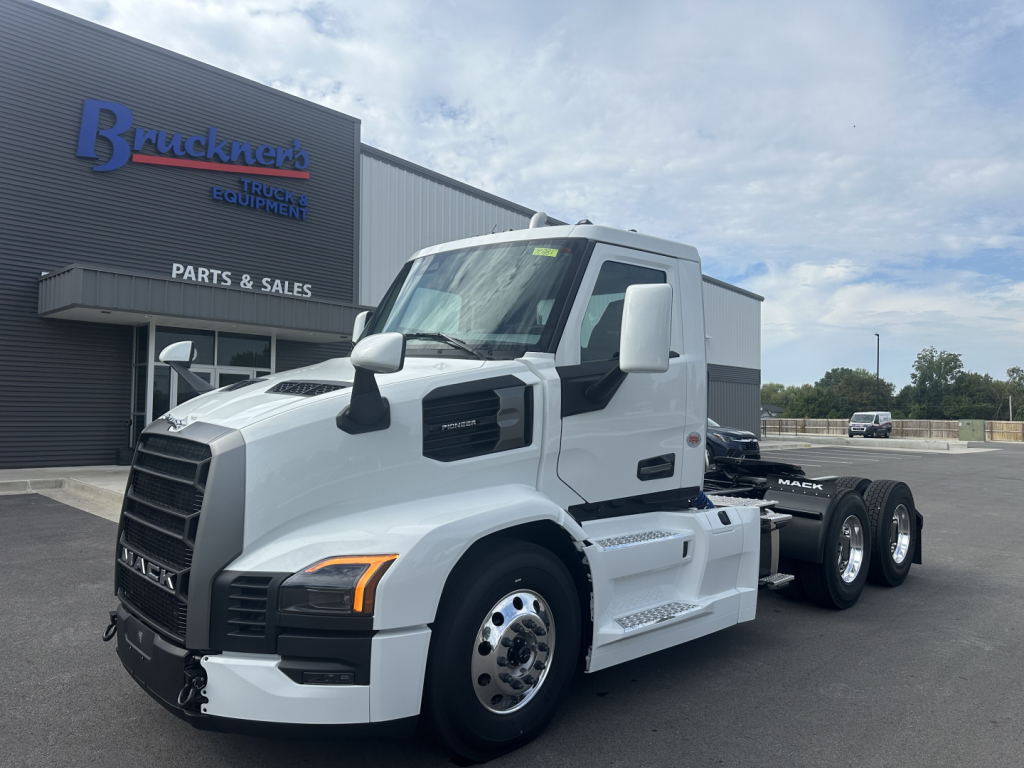

Selling a conventional daycab truck? List your conventional daycab truck for sale and reach thousands of commercial buyers.
Conventional Daycab Trucks in Alaska
The most important buying decision is how the truck will be worked. Highway-oriented conventional daycabs often carry 400 to 455 horsepower, 40,000 lb tandem rears, air ride suspension, and faster axle ratios such as 3.08 or 3.56 for fuel-efficient regional miles. Vocational and severe-service daycabs typically step up to 14,000 lb-plus front axles, 46,000 lb rears, locking differentials, heavier suspensions, and ratios like 3.73 to improve startability and control under load. Wheelbase matters as much as horsepower. Shorter wheelbases improve maneuverability for city work and crowded terminals, while longer wheelbases leave room for larger fuel capacity, hydraulic tanks, headache racks, and frame-mounted equipment.
Modern conventional daycab trucks are commonly spec'd with automated manual transmissions such as Volvo I-Shift or Mack mDRIVE, especially in fleet and regional applications. These transmissions help with driver consistency, clutch life, and low-speed operation, and many are available in severe-duty calibrations. Buyers running wet kits or live-floor, dump, lowboy, or belt trailer applications should confirm the PTO opening, hydraulic pump setup, tank capacity, and fifth wheel position. Disc brakes, air slide fifth wheels, aluminum wheels, and full locking differentials are all worth comparing across listings because they affect maintenance, trailer compatibility, and year-round usability.
A good conventional daycab spec is one that matches the lane, not just the brochure. Look closely at engine torque, rear axle capacity, suspension type, wheelbase, and rear ratio before comparing cab trim or cosmetic options. For Alaska service, it also pays to review block heater setup, battery capacity, fuel tank configuration, and tire size for winter and remote-route support. When the spec is right, a conventional daycab can deliver strong payload efficiency, easy service access, and the durability needed for both regional highway work and demanding vocational applications.
Frequently Asked Questions about Conventional Daycab Trucks in Alaska
What is a conventional daycab truck used for?
A conventional daycab truck is used for operations that do not require overnight accommodations for the driver. Common applications include local freight, regional hauling, drayage, fuel and tank work, dump service, lowboy and equipment transport, and dedicated route work. The long hood conventional layout also makes it a popular choice for fleets that want easier engine access and a broad range of axle, suspension, PTO, and fifth wheel configurations.
What specs matter most when buying a conventional daycab?
The most important specs are engine horsepower and torque, front and rear axle ratings, suspension type, rear axle ratio, wheelbase, and transmission. Those choices determine startability, payload capacity, maneuverability, cruise rpm, and compatibility with the trailers or body systems the truck will handle. Buyers should also review fifth wheel style, locking differential availability, brake type, fuel capacity, and any PTO or hydraulic provisions if the truck will power auxiliary equipment.
What is the difference between a highway daycab and a severe-duty daycab?
A highway daycab is generally spec'd for fuel economy and regional freight, with lighter axle ratings, air ride suspension, and faster rear ratios. A severe-duty daycab is built for tougher job conditions and heavier loads, often with heavier front axles, higher-capacity tandem rears, aggressive axle ratios, locking differentials, reinforced frame components, and vocational trim such as headache racks or fenders. The right choice depends on whether the truck will spend most of its life on interstate miles or in jobsite, off-road, and heavy-haul conditions.
Are automated manual transmissions a good choice in a daycab truck?
Automated manual transmissions are a strong fit for many daycab applications because they reduce driver fatigue, improve shift consistency, and can help control maintenance costs tied to clutch wear and improper shifting. They are widely used in local, regional, and vocational service, and many current systems include performance modes or severe-duty programming. Buyers should still verify low-speed maneuvering behavior, PTO compatibility, and gearing for the intended route and load profile.
What should buyers in Alaska look for in a conventional daycab truck?
Buyers in Alaska should pay close attention to cold-weather starting equipment, battery capacity, block heaters, tire selection, traction features, and corrosion resistance. Rear axle ratio and locking differentials can matter more in steep grades, winter conditions, and mixed-surface work. Fuel capacity and service access are also important on longer regional runs or remote routes where weather, distance, and support availability can affect uptime.