
Mack Conventional Daycab Trucks For Sale in Alaska
Shop Mack conventional daycab trucks in Alaska. Compare MP8 power, mDRIVE specs, axle ratings, wheelbases, and vocational-ready configurations.
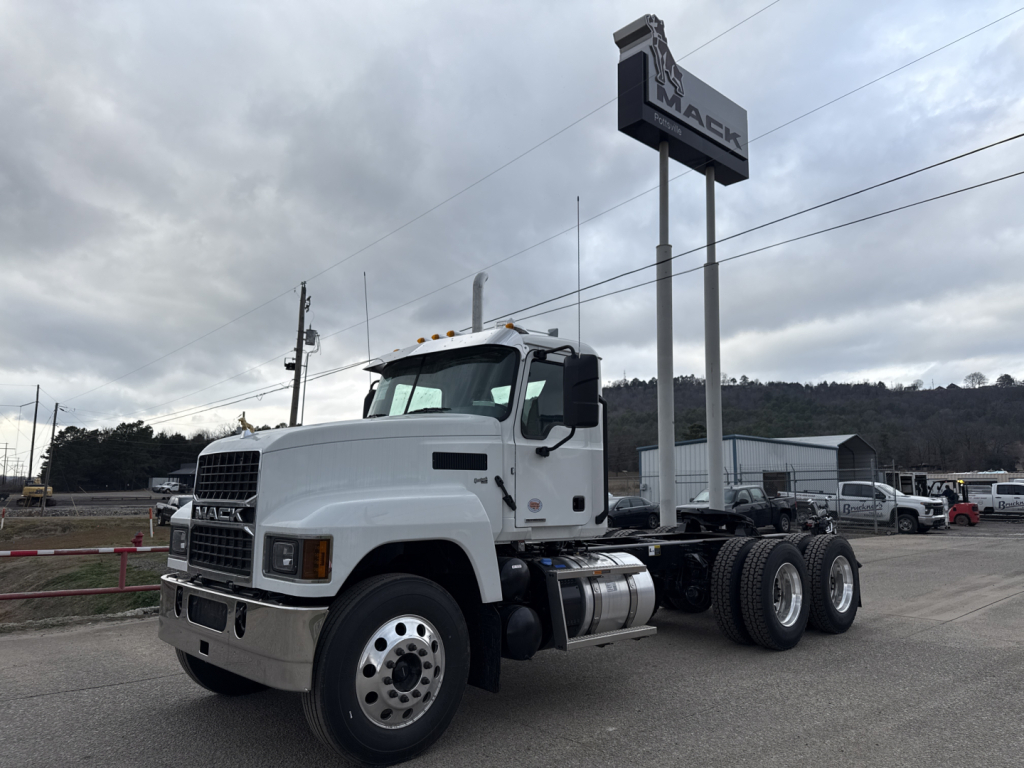
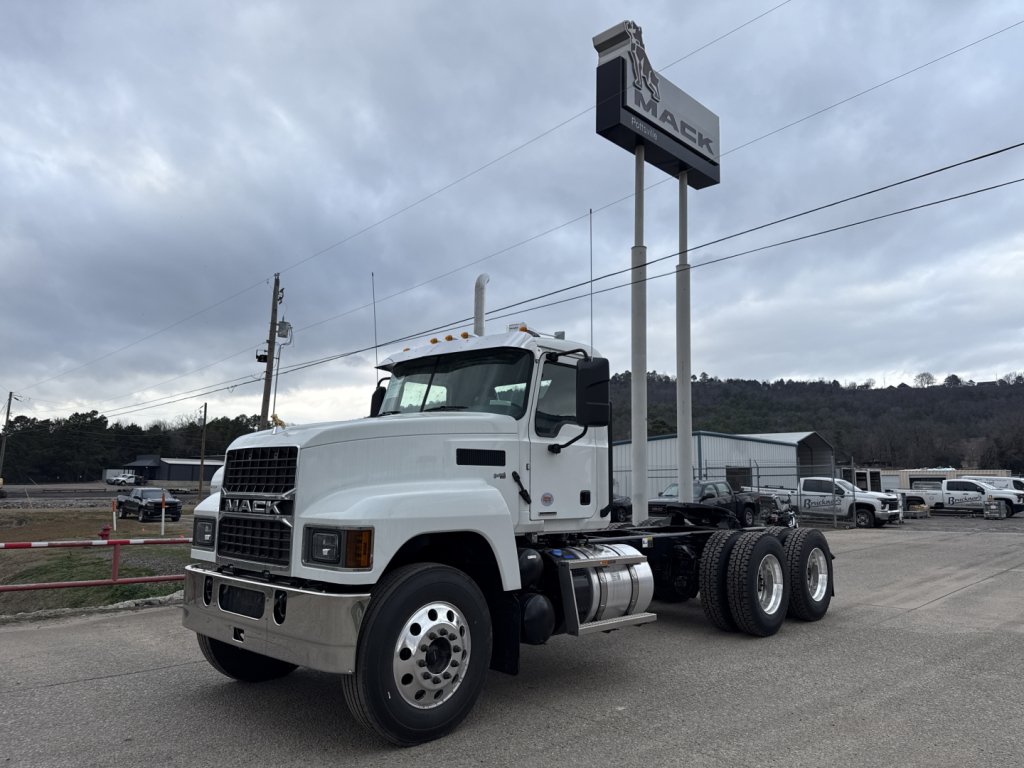
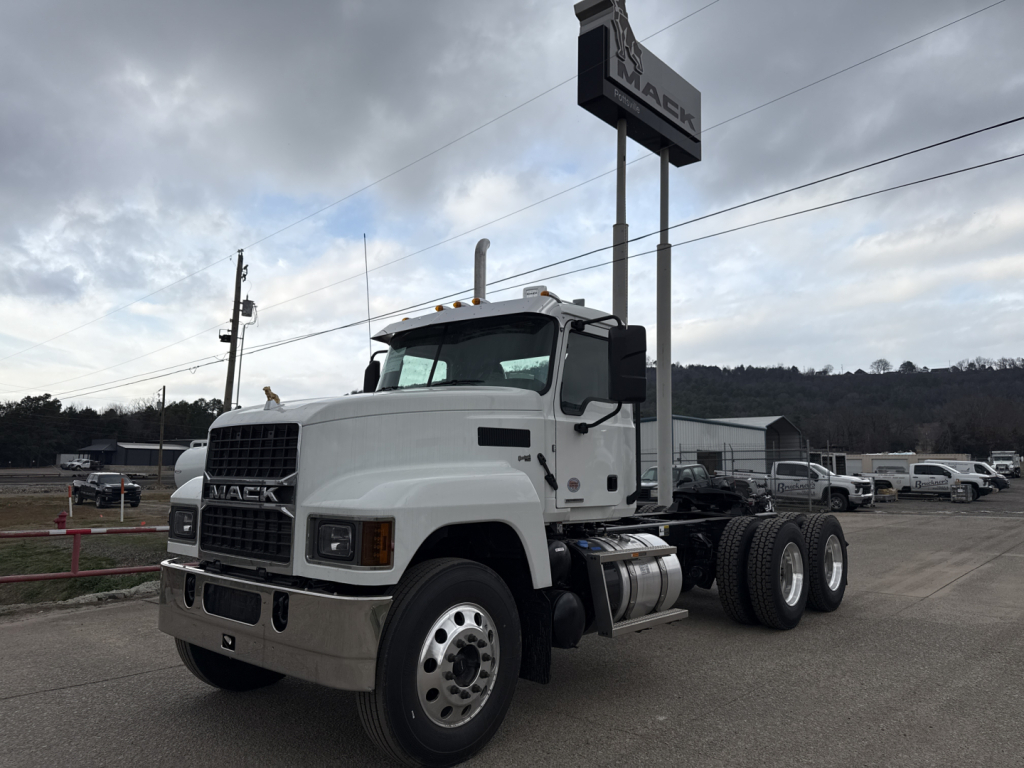
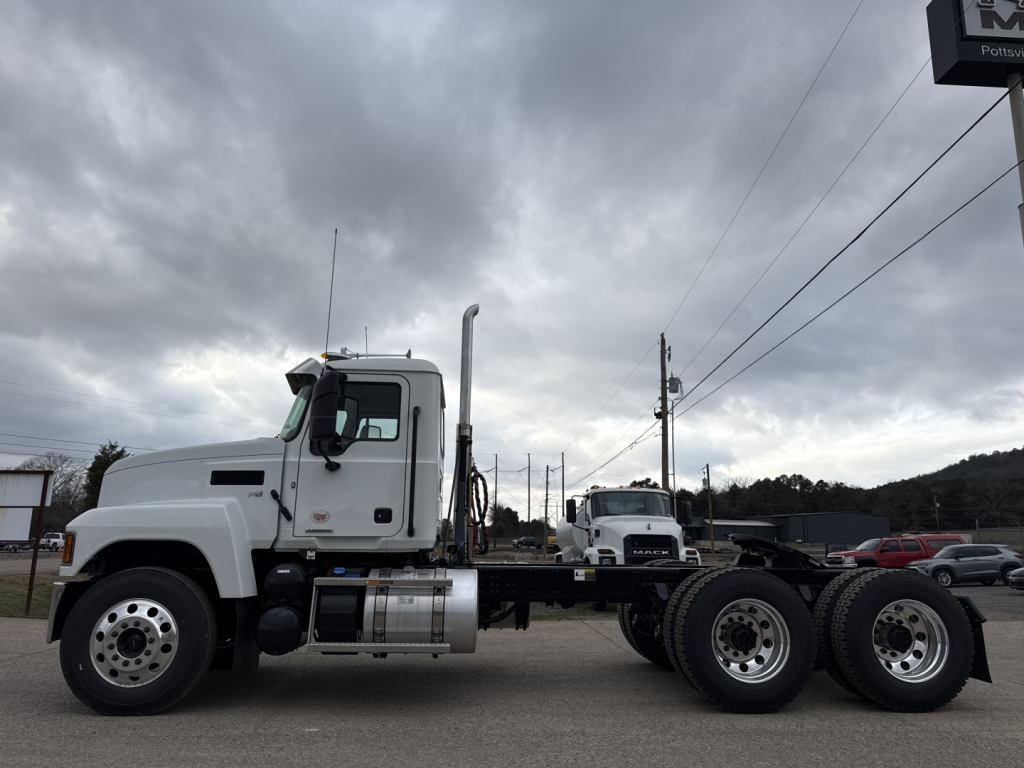
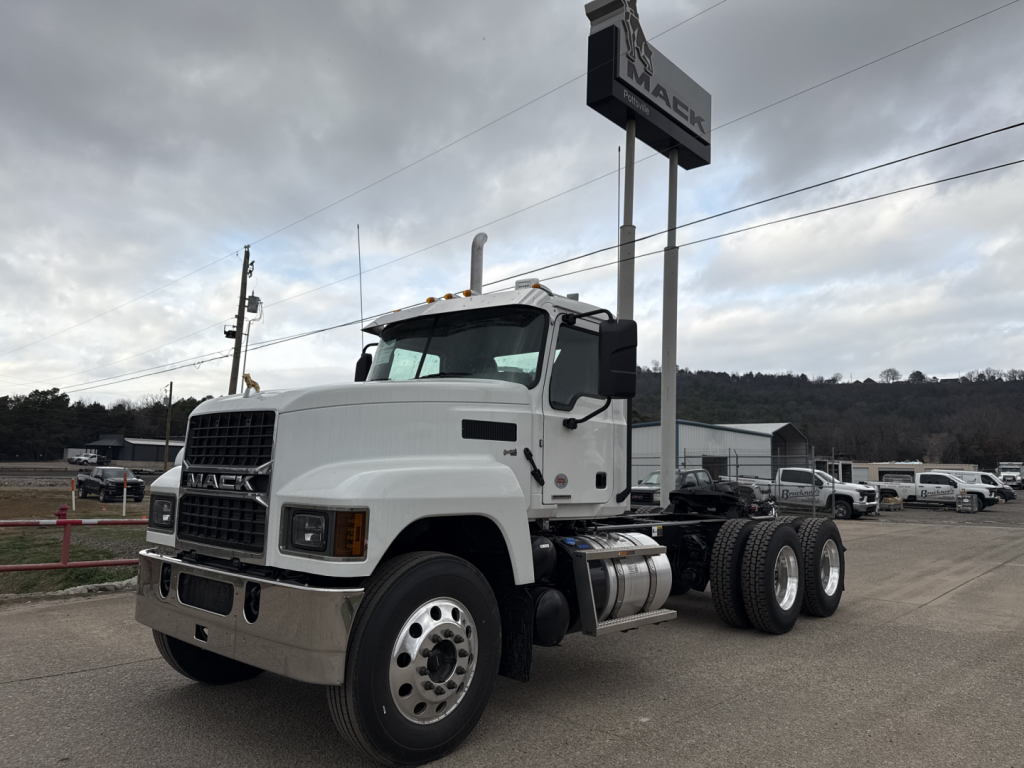
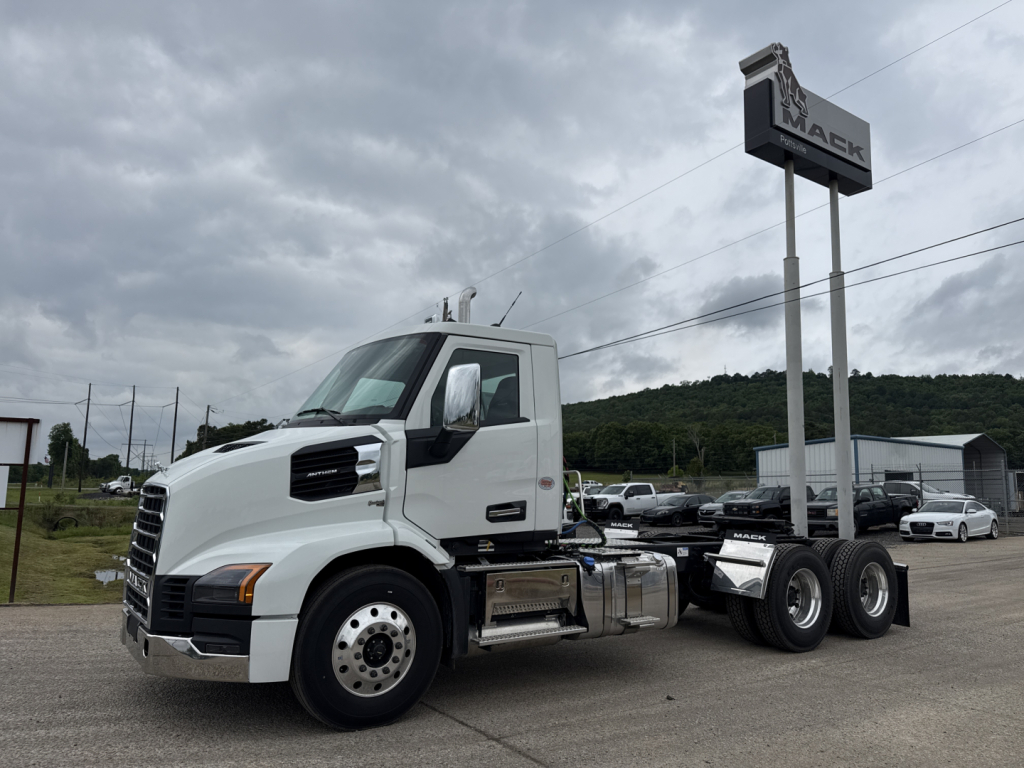
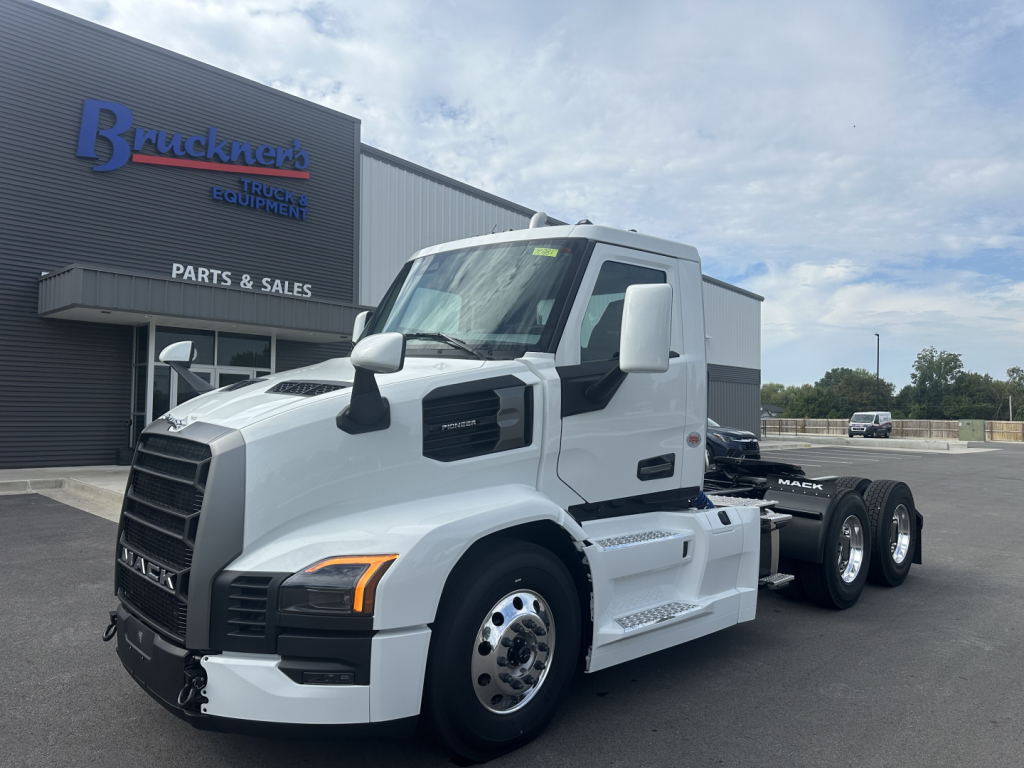

Selling a mack conventional daycab truck? List your mack conventional daycab truck for sale and reach thousands of commercial buyers.
Mack Conventional Daycab Trucks in Alaska
A buyer should start with the job, then match the chassis. Tandem axle daycabs in this class are often set up with 40,000 to 46,000 lb rear axles, front axles from around 12,000 to 14,600 lbs, and GVWRs that can push well past 50,000 lbs depending on suspension and frame spec. Wheelbase matters more than many buyers expect. A 213-inch truck can be easier to maneuver in tighter terminals or jobsite access roads, while a 231-inch configuration may better suit heavier fifth wheel placement, PTO equipment, or weight distribution needs. Rear ratios such as 3.56 or 3.73 help define how the truck will behave under load, especially when balancing startability, cruise RPM, and fuel economy.
Mack MP8-equipped daycabs are commonly found in the mid-400 to 500-plus horsepower range, which gives buyers flexibility between fuel-conscious regional spec and heavier severe-service setup. The 12-speed mDRIVE overdrive transmission is a frequent choice because it simplifies shifting, works well with modern engine controls, and can be paired with PTO provisions for hydraulic applications. Suspension spec is another major decision point. Air ride options like Mack's 40K and 46K systems can improve ride quality and load stability, but the right selection depends on trailer type, terrain, and how often the truck leaves paved roads. For buyers pulling van, reefer, flatbed, bulk, or end-dump style work, fifth wheel type, frame height, tire size, and locking differential specs deserve as much attention as the engine badge.
The value in a Mack conventional daycab is usually in the complete spec, not just the model name. Look closely at front axle set-forward or set-back layout, suspension capacity, PTO readiness, brake package, and wheel material, along with practical details like exhaust routing and cold-climate upfitting. In Alaska, a daycab that looks similar on paper can behave very differently once it is loaded, parked outside overnight, or run on mixed pavement and seasonal roads. A well-matched Mack daycab should give you strong vocational durability, a driver-friendly cab, and the axle, gearing, and drivetrain combination needed for the exact lane or job cycle it will run.
Frequently Asked Questions about Mack Conventional Daycab Trucks in Alaska
What are Mack conventional daycab trucks commonly used for?
Mack conventional daycab trucks are commonly used for regional hauling, local freight, tanker work, dump and bulk applications, port drayage, and other operations where drivers return home daily. The conventional hood layout provides easy engine access and usually allows for heavier front-end and vocational spec choices than lighter highway tractors. In a market like Alaska, they are often chosen for jobs that require a durable chassis, strong traction setup, and the ability to handle mixed road conditions and heavier payload demands.
What engine and transmission are typical in a Mack daycab?
A common Mack daycab configuration uses the Mack MP8 engine with the Mack mDRIVE 12-speed automated manual transmission. The MP8 is widely spec'd because it offers strong torque and horsepower options suitable for both regional and heavier vocational service. The mDRIVE transmission is popular because it reduces driver fatigue, manages shift logic well under load, and integrates cleanly with Mack engine controls. Buyers should still confirm horsepower, torque rating, rear ratio, and PTO compatibility because those details determine how the truck performs in real work.
How do I choose the right axle rating and wheelbase for a Mack conventional daycab?
Choose axle ratings and wheelbase based on payload, trailer type, and operating environment. A 40,000 lb tandem may fit standard regional tractor work, while 46,000 lb rears and heavier front axles are better suited to severe-duty or higher-payload applications. Wheelbase affects maneuverability, bridge law positioning, fifth wheel placement, and weight distribution. Shorter wheelbases usually turn easier in yards and tighter city routes, while longer wheelbases can offer better balance for certain trailer setups or PTO equipment.
Are Mack daycab trucks a good fit for Alaska operations?
Yes, Mack conventional daycab trucks can be a strong fit for Alaska when they are properly spec'd for climate and terrain. Buyers should pay attention to cold-weather starting aids, battery and charging capacity, differential locks, tire selection, axle capacity, and suspension design. Gear ratio also matters because a truck that performs well in lower-48 regional service may need a different spec for steep grades, slick surfaces, or heavier off-pavement work. The best Alaska-ready truck is usually the one with the right drivetrain and chassis details, not simply the highest horsepower rating.
What should I inspect first when comparing Mack daycab listings?
Start with the major hard-spec items that are expensive or impractical to change later. Focus on engine rating, transmission model, rear axle capacity, suspension type, rear ratio, wheelbase, GVWR, and fifth wheel setup. After that, review PTO provisions, brake package, tire and wheel spec, exhaust layout, and any cold-climate equipment. Two Mack daycabs with the same model name can be built for very different applications, so the build sheet matters more than appearance alone.