
Conventional Daycab Trucks For Sale in Alabama
Technical guide to Conventional Daycab trucks in Alabama, covering axle specs, weight, cooling, corrosion, and setup to maximize payload and uptime.
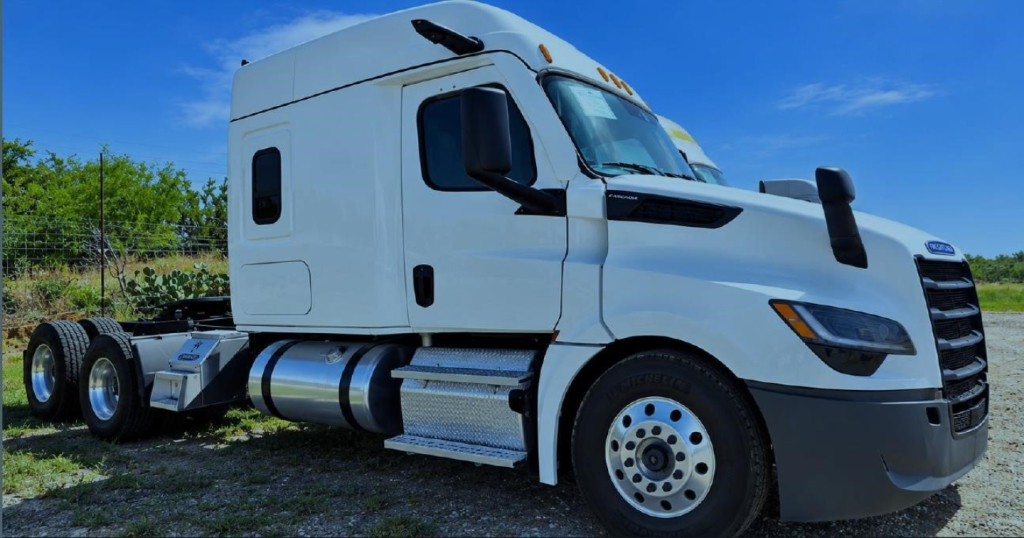
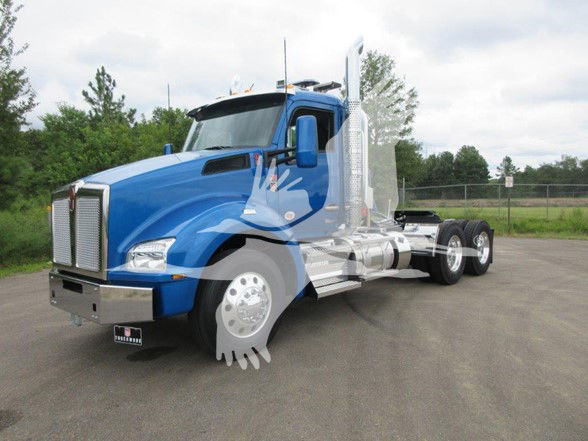
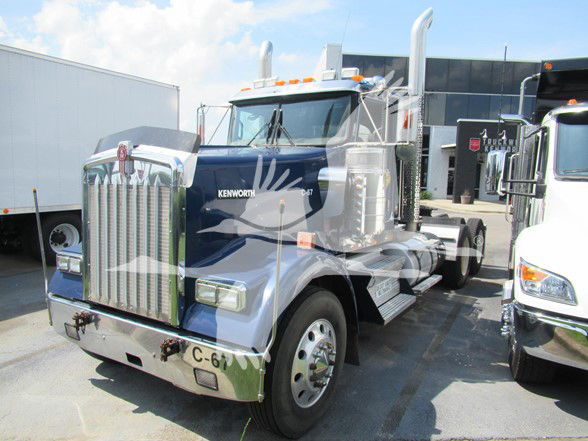
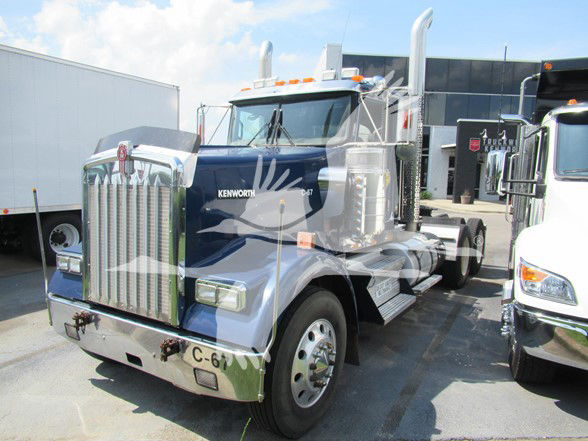
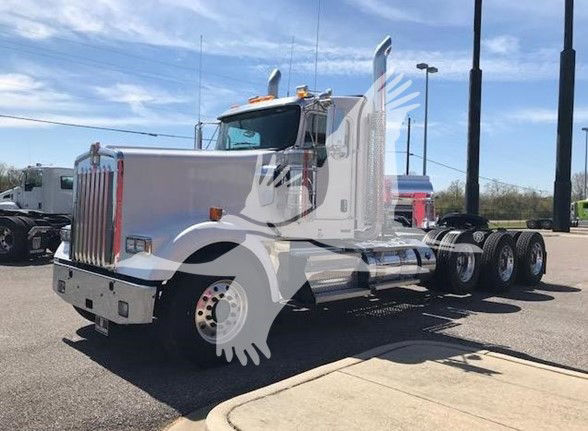
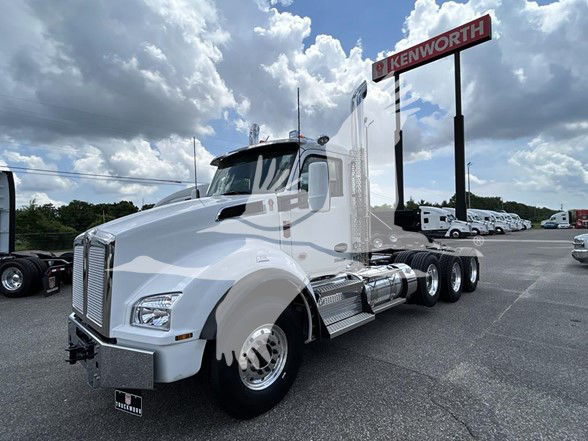
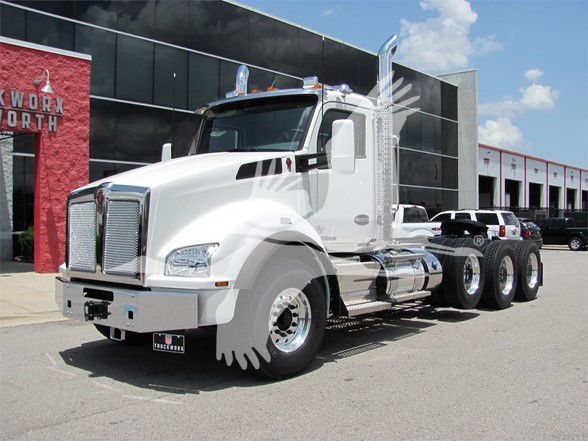
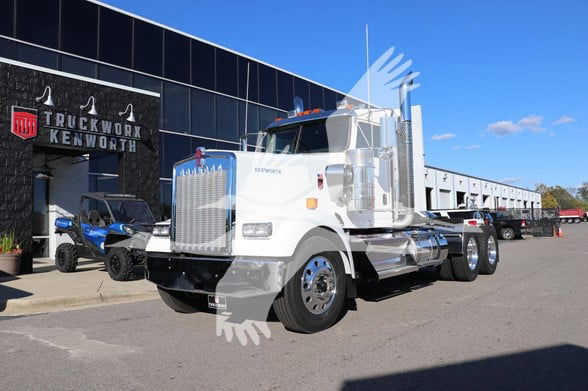
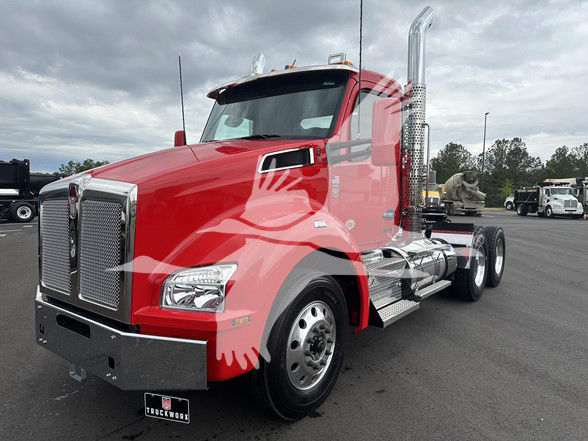
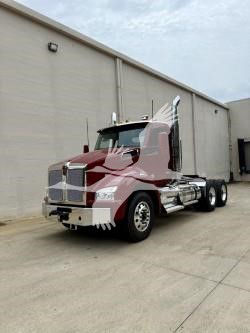
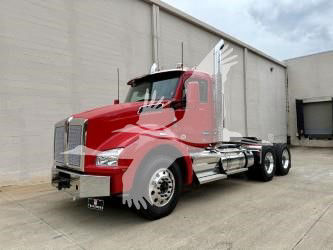
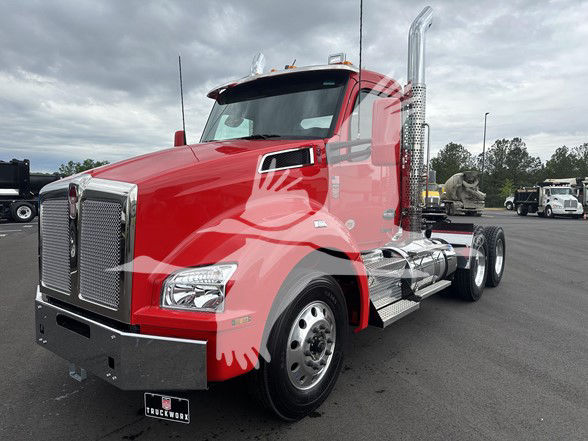
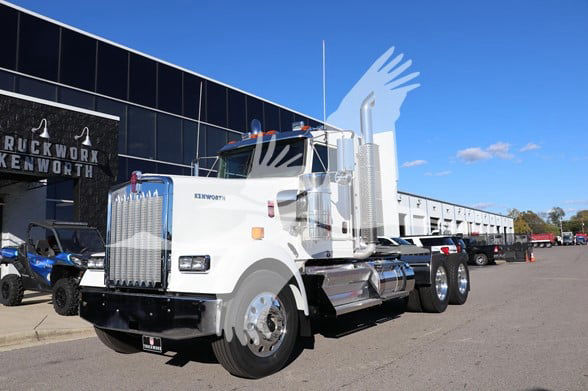
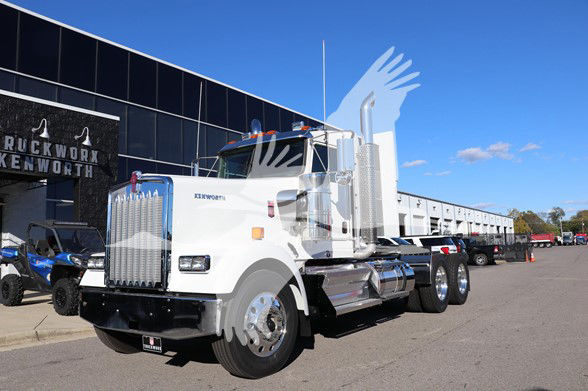
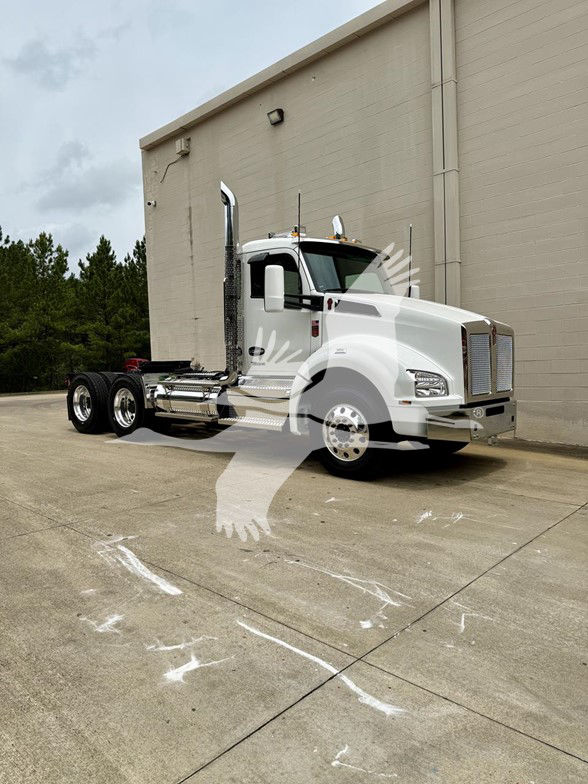
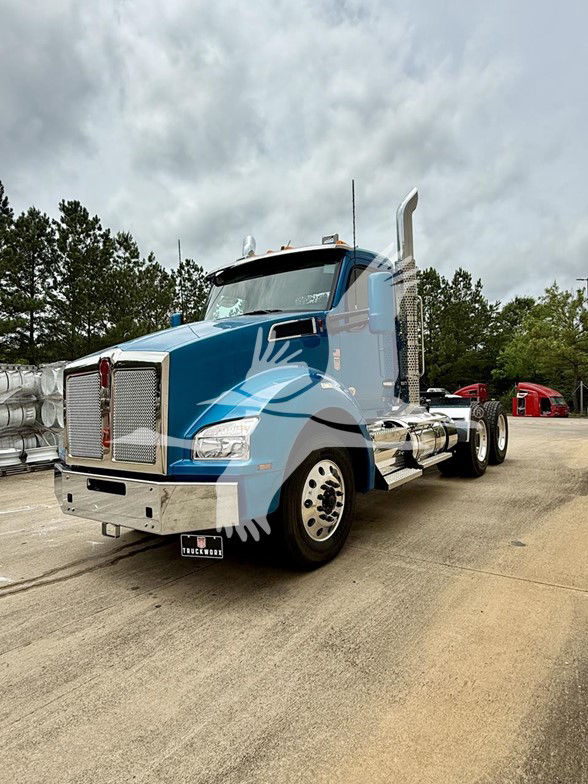
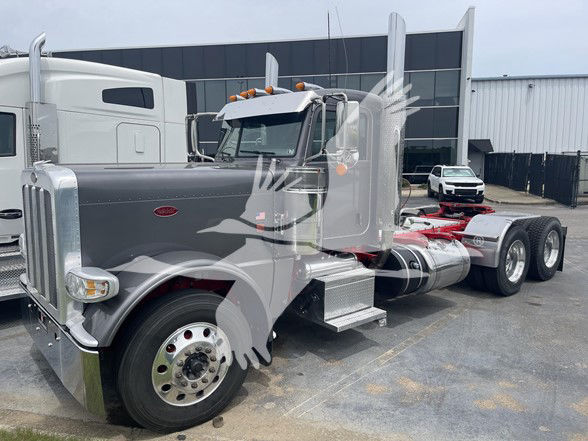
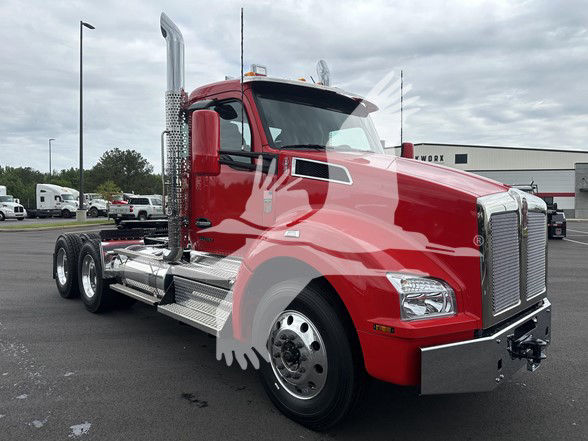
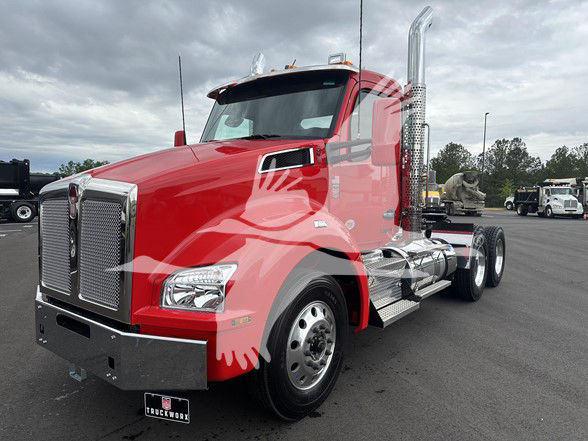
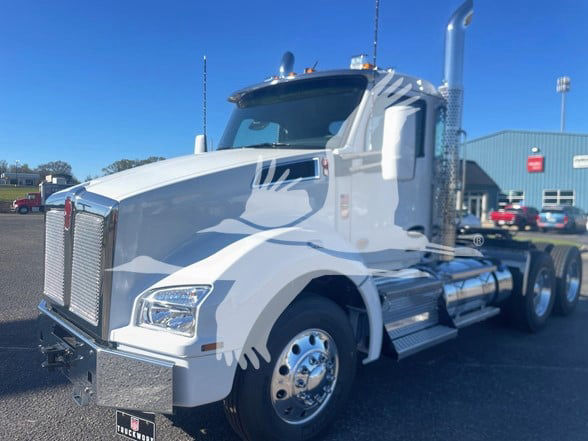
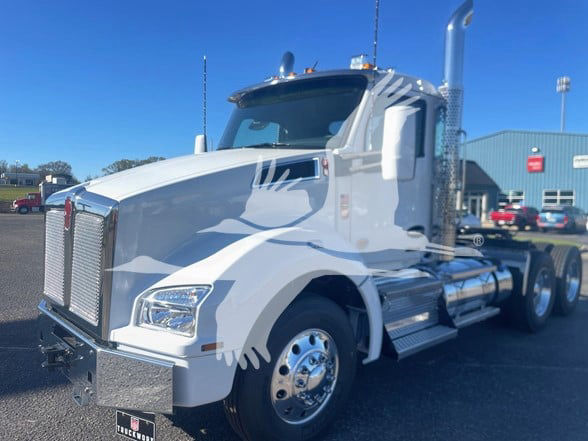
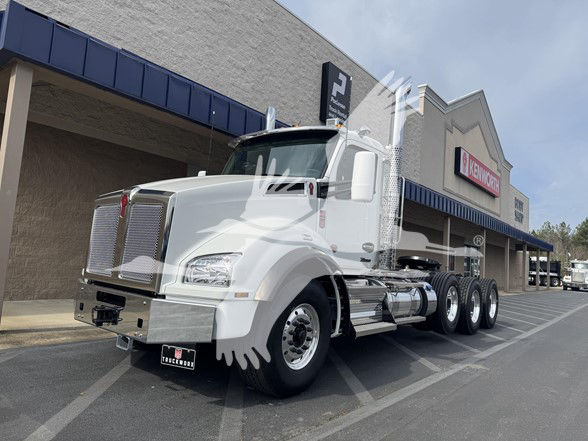
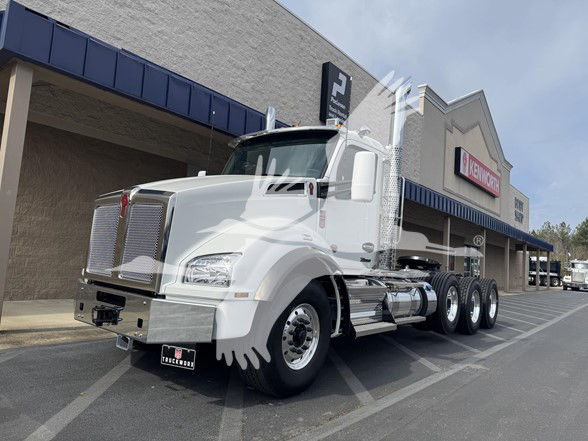
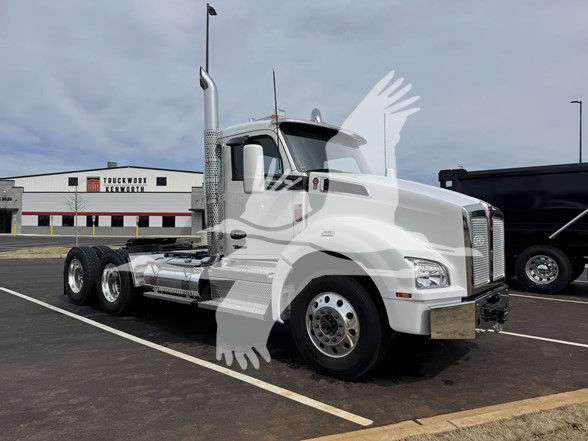
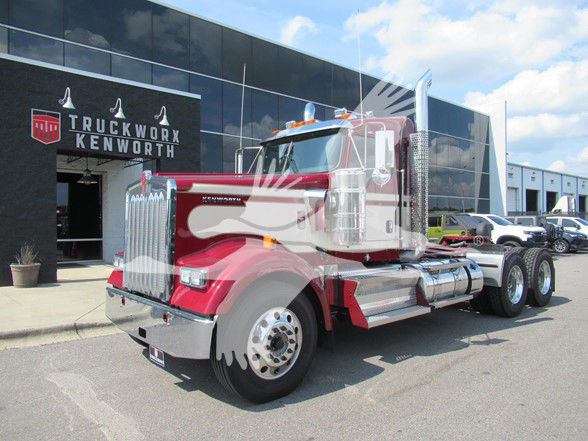
2026 Kenworth W900L
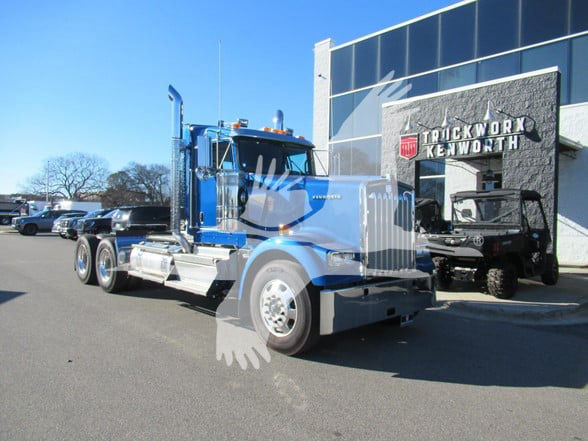
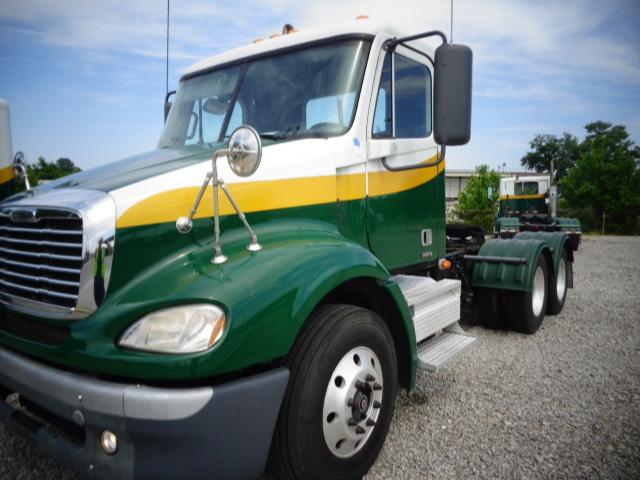
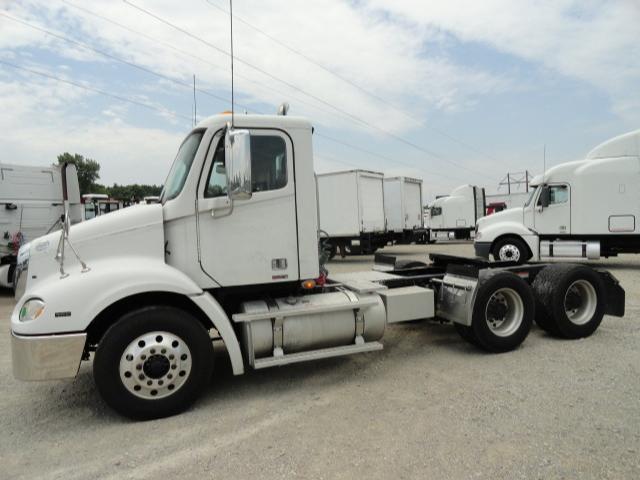
Selling a conventional daycab truck? List your conventional daycab truck for sale and reach thousands of commercial buyers.
Conventional Daycab Trucks in Alabama
Powertrains should match the route profile and startability targets. Engines in the 350 to 500 hp range with 1,450 to 1,850 lb ft torque cover most regional freight, while downsped axle ratios paired with 10 to 12 speed automated manuals reduce fuel burn and driver fatigue. Thermal integrity matters in Alabama heat, especially for stop and go or heavy haul starts. Look for heavy duty cooling modules, clean charge air cooler fins, and aftertreatment systems that sustain passive regeneration without frequent parked regens. Robust HVAC systems, quality door and floor insulation, and UV resistant seals help the cab shed heat, reduce noise, and keep electronics stable in high ambient temperatures.
Chassis and cab construction drive durability and corrosion resistance. Frame rails rated 120 ksi or 130 ksi with proper section modulus resist twist around docks and rough yards, and closely spaced crossmembers improve torsional rigidity. Aluminum or e coated steel components, stainless or coated fasteners, and sealed electrical connectors slow corrosion in humid and coastal parts of Alabama. Cab floor strength matters for driver safety and long service life, so inspect seat pedestal anchoring, floor pan integrity around the toe board, and the condition of vinyl floors and drain points. A reinforced cab step structure and solid cab mounts limit flex that can crack paint and invite rust.
Spec the ride and brake package for the lanes. Air ride drive suspensions protect cargo and drivers, while mechanical suspensions shave weight and add stability on short hauls. Disc brakes provide consistent stopping and fade resistance in heat, drums are simpler and often lighter in certain spec combinations. Tire choices, wide base singles versus duals, affect tare weight, rolling resistance, and axle load planning. Fuel tanks, typically aluminum, should be sized to the route to avoid unnecessary weight, and mounted to preserve ground clearance and swing radius. A slider fifth wheel with enough travel makes axle balancing straightforward, and PTO or wet kit readiness expands the daycab into dump, tanker, or mixer service without major rework.
Frequently Asked Questions about Conventional Daycab Trucks in Alabama
What wheelbase and axle configuration works best for regional haul in Alabama?
For mixed interstate and urban delivery, a moderate wheelbase with a 6x4 axle configuration balances traction, durability, and maneuverability. If routes are dry, flat, and weight sensitive, a 6x2 or even 4x2 can trim 200 to 400 lb of tare weight. Ensure the fifth wheel location keeps steer axle weight compliant when paired with common trailer kingpin settings, and confirm turning radius fits distribution centers and port yards.
How much payload advantage does a daycab provide versus a sleeper?
A conventional daycab often weighs several hundred pounds less than a comparable sleeper, commonly 500 to 1,500 lb depending on spec. That reduction directly converts to payload under Alabama’s 80,000 lb limit, and it can also improve fuel economy and brake life by reducing gross weight on every move.
What cooling and aftertreatment features are important in Alabama heat?
Look for a heavy duty cooling package with clean fins, a healthy fan clutch, and adequate charge air cooler capacity. Engines paired with downsped ratios should still meet startability and gradeability targets to avoid heat buildup. For aftertreatment, a well insulated exhaust, intact NOx sensors, and proper DEF dosing help maintain passive regeneration and reduce the need for parked regens during hot, stop and go work.
Are disc brakes worth it on a daycab used in mixed urban and highway service?
Disc brakes provide shorter stopping distances, better wet performance, and more consistent feel in high heat, which can be valuable for frequent stops and heavier traffic. Drums remain cost effective and familiar for many shops, and can be lighter in some combinations. The choice often comes down to duty cycle, driver preference, and lifecycle cost modeling.
How can I evaluate corrosion resistance on a used daycab in the Southeast?
Inspect frame flanges and crossmember bolt holes for flaking or swelling, check cab mounts and steps for rust, and look under floor mats near the toe board for moisture damage. Confirm e coat or aluminum components are intact, and inspect electrical connectors for green corrosion and broken seals. Coastal units may show fastener corrosion first, so examine exposed bracketry and tank straps closely.