
Conventional Daycab Trucks For Sale in Mississippi
Browse conventional daycab trucks for sale in Mississippi. Compare aero and vocational specs, horsepower, wheelbase, axle ratings, and drivetrain options.
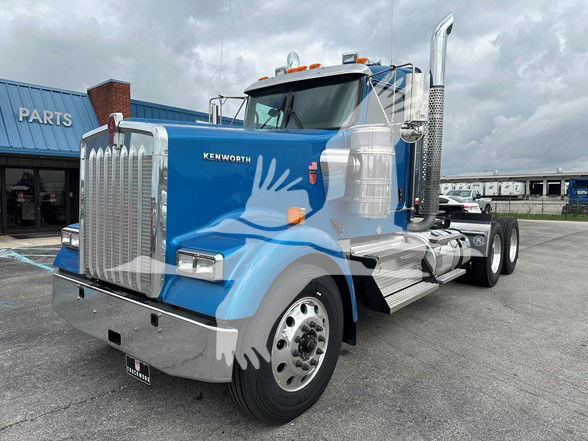
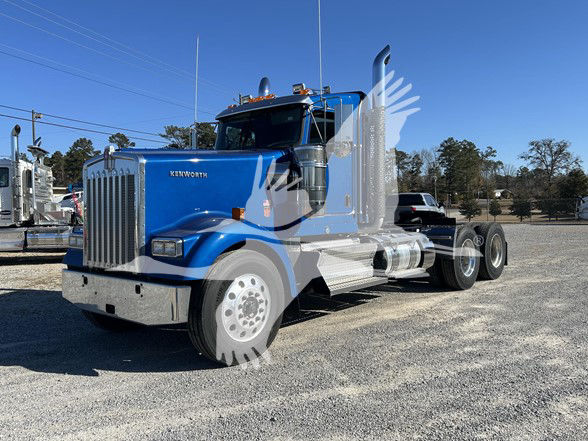
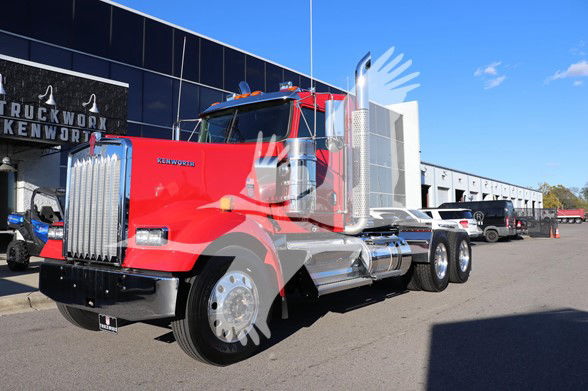
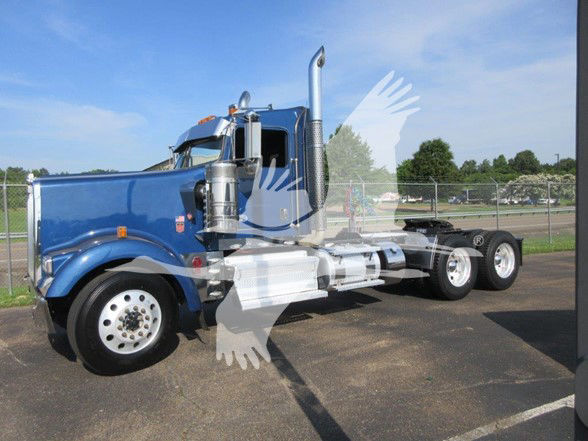
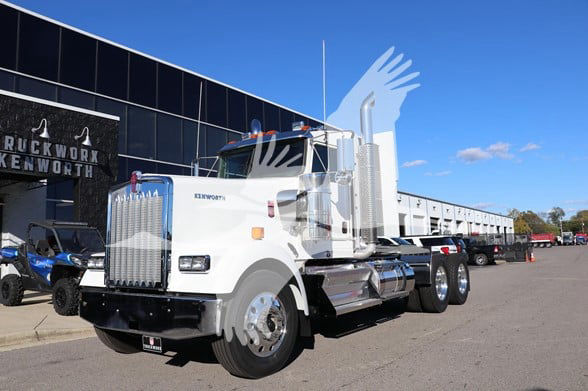
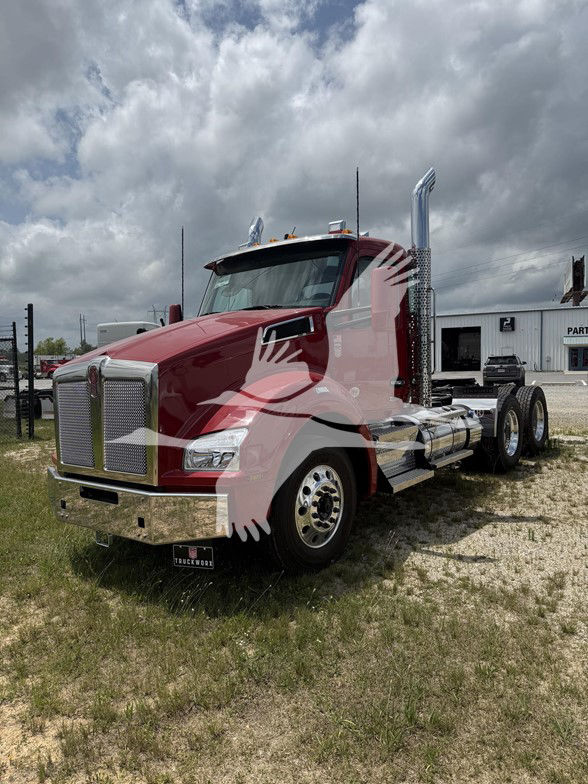
2026 Kenworth T880
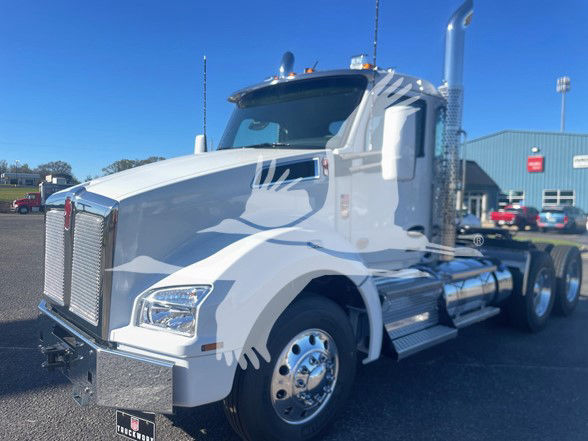
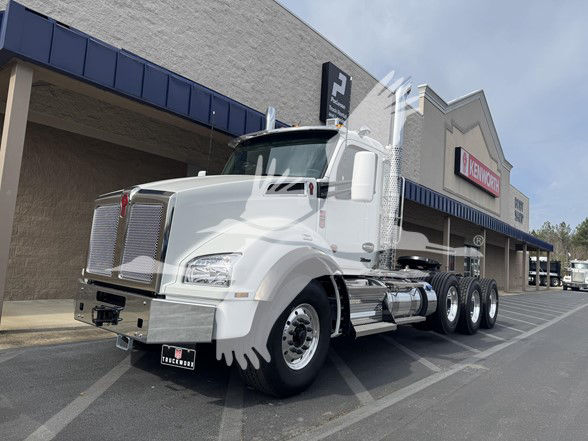
Selling a conventional daycab truck? List your conventional daycab truck for sale and reach thousands of commercial buyers.
Conventional Daycab Trucks in Mississippi
The biggest buying decision usually starts with application. An aerodynamic daycab such as a highway-spec conventional is geared toward regional freight efficiency, often with 176 to 180 inch wheelbases, automated manual transmissions, 2.64 to 3.08 rear ratios, and 400 to 450 horsepower engines from platforms like the Cummins X15, PACCAR MX-13, or Volvo D13. A heavier vocational daycab like a Kenworth T880 pushes in a different direction, with higher horsepower, tandem axles, heavier suspensions such as AG460, and wheelbases around 200 inches or more to support PTO work, dump bodies, lowboy pulling, or severe-service tractor use. Buyers should match the frame, suspension, and axle package to the trailer and terrain instead of shopping by horsepower alone.
Rear axle rating, wheelbase, and fifth wheel setup tell you a lot about how a conventional daycab will perform. Many fleet highway tractors in this class carry 40,000 lb rears, air ride suspension, low-profile 22.5 tires, and air slide fifth wheels for flexibility across van, reefer, and flatbed work. Shorter wheelbases improve turning radius and dock access, while a longer wheelbase can help with ride quality, bridge law positioning, and clearance between cab and trailer on specialty setups. Mississippi buyers should also pay attention to cooling package condition, brake type, and fairing configuration, especially if the truck will split time between hot-weather regional lanes and stop-and-go local work.
Cab layout and operating cost matter just as much as the drivetrain. Modern conventional daycabs commonly include collision mitigation, engine brakes, disc brakes, power windows, cab extenders, roof fairings, and aluminum wheels or tanks to trim weight. Automated transmissions such as Volvo I-Shift and Eaton Endurant-style units are now common in regional fleets because they reduce driver fatigue and can help fuel economy, while traditional manual or vocational automated setups still appeal in heavy haul and construction service. A good daycab should be spec'd around daily mileage, trailer type, gross combination weight, and expected idle time, with close attention to maintenance history, emissions system service, and tire and suspension wear.
Frequently Asked Questions about Conventional Daycab Trucks in Mississippi
What is a conventional daycab truck used for?
A conventional daycab truck is used for local and regional hauling where the driver returns the same day and does not need a sleeper berth. Common applications include dry van, reefer, flatbed, container drayage, dump, equipment hauling, and dedicated route work. The daycab layout reduces weight and shortens overall length, which helps with maneuverability, payload, and access in tighter operating environments.
What is the difference between an aerodynamic daycab and a vocational daycab?
An aerodynamic daycab is designed primarily for fuel-efficient highway and regional freight service, usually with fairings, lower ride height, faster rear axle ratios, and driveline specs aimed at cruising efficiency. A vocational daycab is built for tougher work such as construction, dump, or heavy trailer applications and typically has a heavier frame, more robust suspension, higher horsepower options, and component choices that favor durability over fuel economy. The right choice depends on trailer type, route conditions, and gross weight.
What wheelbase is best for a conventional daycab?
The best wheelbase depends on the work. Daycabs around 176 to 180 inches are common for general freight because they balance turning radius, trailer clearance, and highway stability. Longer wheelbases can improve ride quality and help with bridge spacing or specialty trailer setups, while shorter configurations are useful in city work, yards, and tight loading areas. Buyers should confirm wheelbase against kingpin setting, fifth wheel travel, and intended trailer swing clearance.
What engine and horsepower range is common in a daycab tractor?
Many conventional daycab tractors fall in the 400 to 450 horsepower range for general regional service, with engines such as the Cummins X15, Volvo D13, and PACCAR MX-13 frequently spec'd for this class. Heavier vocational units may run 500 horsepower or more when the truck is expected to pull high gross weights, work off-road, or operate PTO-driven equipment. Horsepower should be evaluated alongside torque, transmission type, rear axle ratio, and suspension rating because those components determine how the truck performs under load.
What should buyers inspect on a used conventional daycab?
Buyers should inspect emissions system history, clutch or automated transmission calibration records, suspension wear, brake condition, tire wear pattern, and signs of frame or fifth wheel damage from previous service. It is also important to review axle ratings, wheelbase, ratio, and engine-brake spec to make sure the truck matches the intended trailer and route. On fleet-spec regional trucks, pay close attention to aftertreatment maintenance, steering play, and fairing or cab damage that can indicate hard yard use or poor prior upkeep.