
Kenworth Conventional Daycab Trucks For Sale in Mississippi
Shop Kenworth conventional daycab trucks in Mississippi, including T680 and W900L specs, axle setups, horsepower, wheelbase, and duty fit.
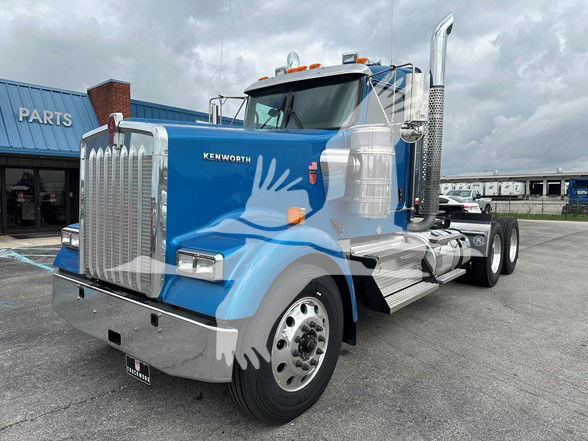
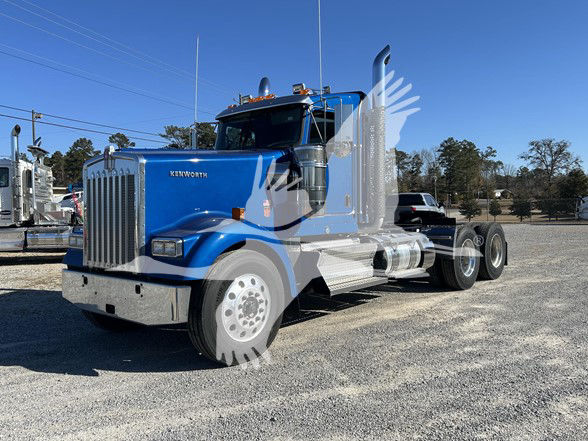
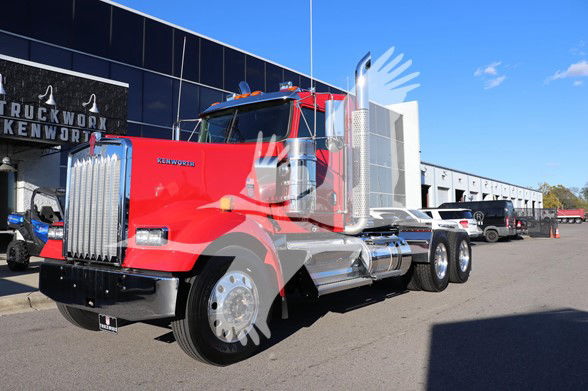
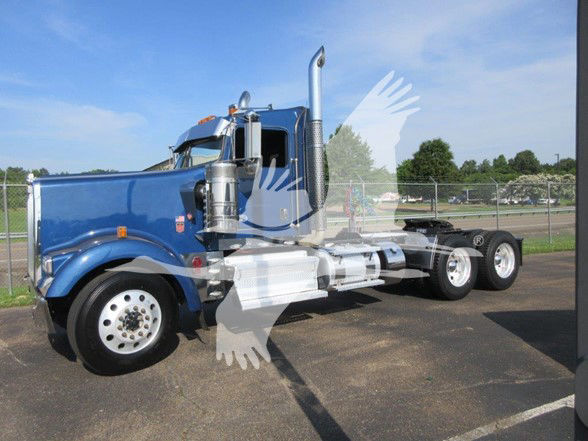
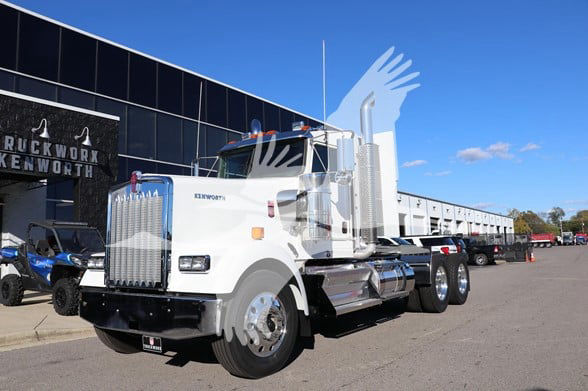
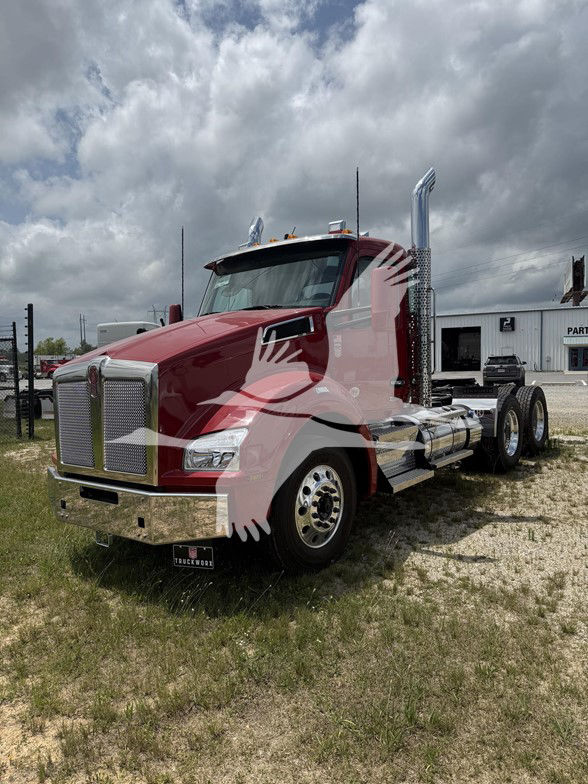
2026 Kenworth T880
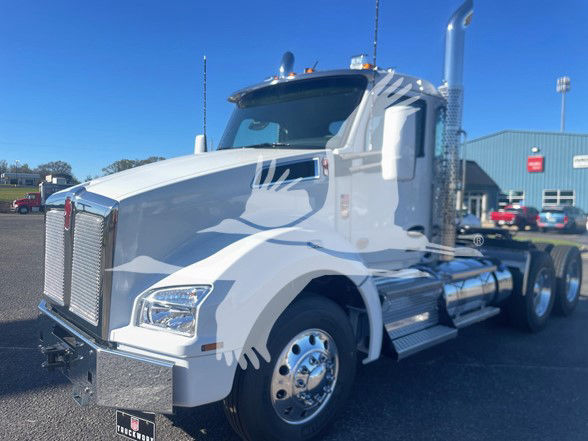
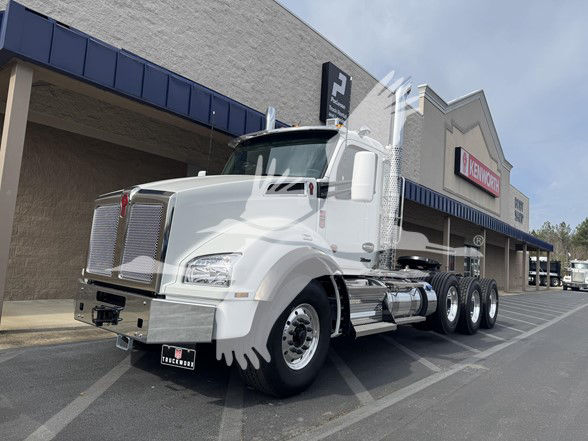
Selling a kenworth conventional daycab truck? List your kenworth conventional daycab truck for sale and reach thousands of commercial buyers.
Kenworth Conventional Daycab Trucks in Mississippi
The first decision is usually application, because that drives the rest of the truck spec. A Kenworth T680 daycab is commonly set up for regional highway use with aerodynamic fairings, automated manual transmissions, lower rear axle ratios such as 2.64, and engines in the 400 to 455 horsepower range. That combination supports fuel economy and lower driver fatigue on sustained road speeds. A W900L daycab is often ordered with a longer wheelbase, manual transmission, heavier suspension like AG460, and 500 horsepower class engines such as the Cummins X15. That kind of spec fits buyers pulling heavier loads, operating on mixed surfaces, or prioritizing durability and a classic conventional layout over aero efficiency. Wheelbase is a major buying point on daycabs because it affects bridge laws, turning radius, ride quality, and how the truck carries a headache rack, wet kit, or sliding fifth wheel.
Buyers should pay close attention to engine and drivetrain pairing. Kenworth daycabs are commonly found with Cummins X15 or PACCAR MX-13 engines, tandem drive axles, and 6x4 configurations. For linehaul and dedicated van or reefer service, an automated transmission with air ride suspension, disc brakes, and low-profile 22.5 tires can make sense for driver retention and lower operating effort. For heavier haul or more driver-controlled applications, a 10-speed manual, deeper rear ratio like 3.90, and 24.5 rubber may be a better fit. Rear axle ratings around 40,000 pounds are common in road tractors, but suspension spec, fifth wheel type, and frame layout still need to match trailer type and payload profile. Features like cab extenders, side fairings, horizontal exhaust, dual aluminum tanks, and aluminum wheels also affect both weight and operating cost.
A good Kenworth daycab should be evaluated as a total package, not just by year or horsepower. Look at how the wheelbase matches your trailer swing and loading environment, how the ratio supports your average gross weight and road speed, and whether the truck was spec'd for fuel economy or for pulling power. In Mississippi service, heat, humidity, stop-and-go work, and mixed interstate and secondary-road operation can make cooling system condition, brake type, suspension wear, and interior durability especially important. Kenworth conventional daycab trucks hold value well because the brand has broad parts support, strong driver acceptance, and proven platforms across both fleet and owner-operator applications.
Frequently Asked Questions about Kenworth Conventional Daycab Trucks in Mississippi
What is the difference between a Kenworth T680 daycab and a Kenworth W900L daycab?
The T680 daycab is an aerodynamic conventional tractor designed primarily for highway efficiency, regional hauling, and fleet use. It is commonly spec'd with aero bodywork, automated transmissions, and faster rear axle ratios to reduce fuel consumption. The W900L daycab is a long-hood conventional with a more traditional layout, often built with longer wheelbases, heavier suspensions, and higher horsepower engines. Buyers usually choose between them based on fuel economy needs versus heavier-duty spec preferences, appearance, and application.
What horsepower range is common in a Kenworth conventional daycab?
Many Kenworth daycab trucks fall in the 400 to 500 horsepower range, depending on intended use. Around 455 horsepower is common for regional highway tractors pulling van or reefer freight, especially when paired with an aerodynamic chassis and automated transmission. A 500 horsepower setup is more common in heavier applications or long-hood configurations like the W900L, where buyers may want stronger pulling performance and more driver-controlled gearing.
Which engine is better in a Kenworth daycab, Cummins X15 or PACCAR MX-13?
Both are common and both can be strong choices, but the right fit depends on the duty cycle and maintenance preference. The Cummins X15 is widely used across heavy-haul, regional, and linehaul applications and is known for broad service familiarity and strong torque options. The PACCAR MX-13 is often selected in fleet and highway applications where integration with the truck and fuel-efficient spec'ing are priorities. Buyers should compare horsepower and torque ratings, service history, local dealer support, and the transmission and axle ratio the engine is paired with.
What wheelbase should I look for in a Kenworth daycab?
Wheelbase should match the trailer, turning environment, and equipment mounted behind the cab. Shorter wheelbases improve maneuverability in yards, tight docks, and urban work. Longer wheelbases can improve ride quality, help with weight distribution, and provide room for accessories such as headache racks, larger tanks, or hydraulic equipment. A 174-inch wheelbase is common on regional road tractors, while longer configurations like 230 inches are more typical on specialty or long-hood daycab specs.
Are Kenworth conventional daycab trucks good for Mississippi operations?
Yes. Kenworth daycabs fit many Mississippi applications including regional freight, agricultural hauling, port-related work, construction support, and dedicated local routes. The key is choosing a spec that matches terrain, load, and daily mileage. Aerodynamic T680 daycabs can work well for interstate and regional lanes, while heavier W900L daycabs may suit tougher pulling and mixed-use environments. Cooling performance, suspension condition, brake setup, and drivetrain ratio are especially important in hot, humid service conditions.