
Conventional Daycab Trucks For Sale in Kansas
Browse conventional daycab trucks for sale in Kansas. Compare wheelbase, axle ratings, engine specs, and day cab setups for regional haul work.
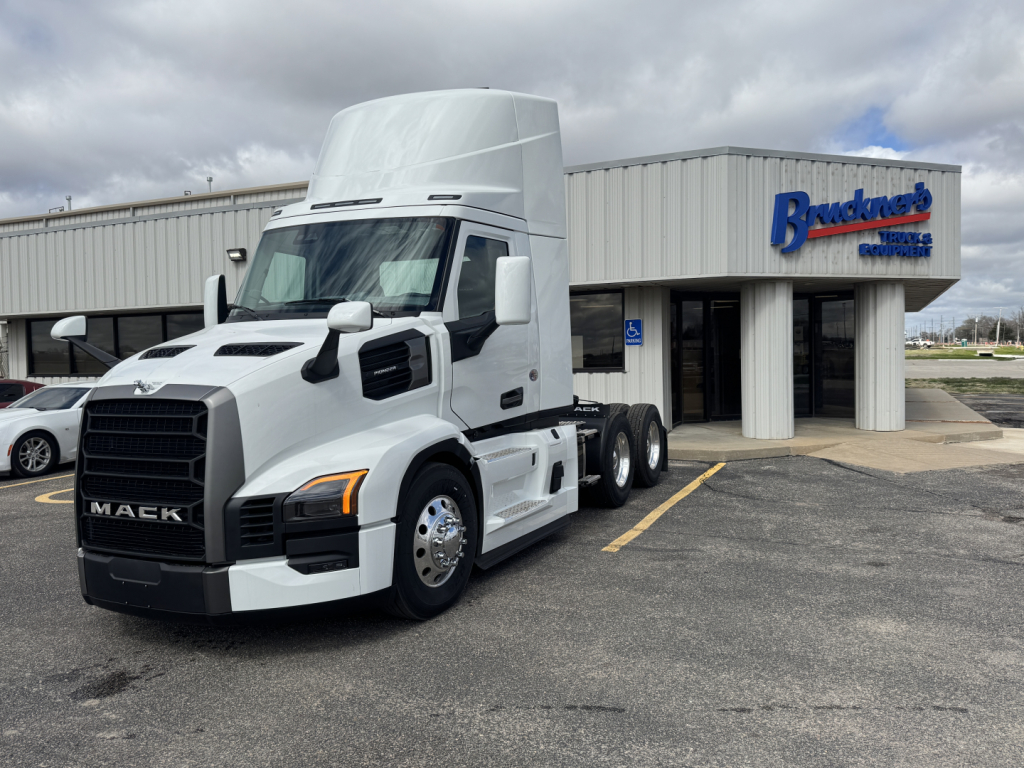
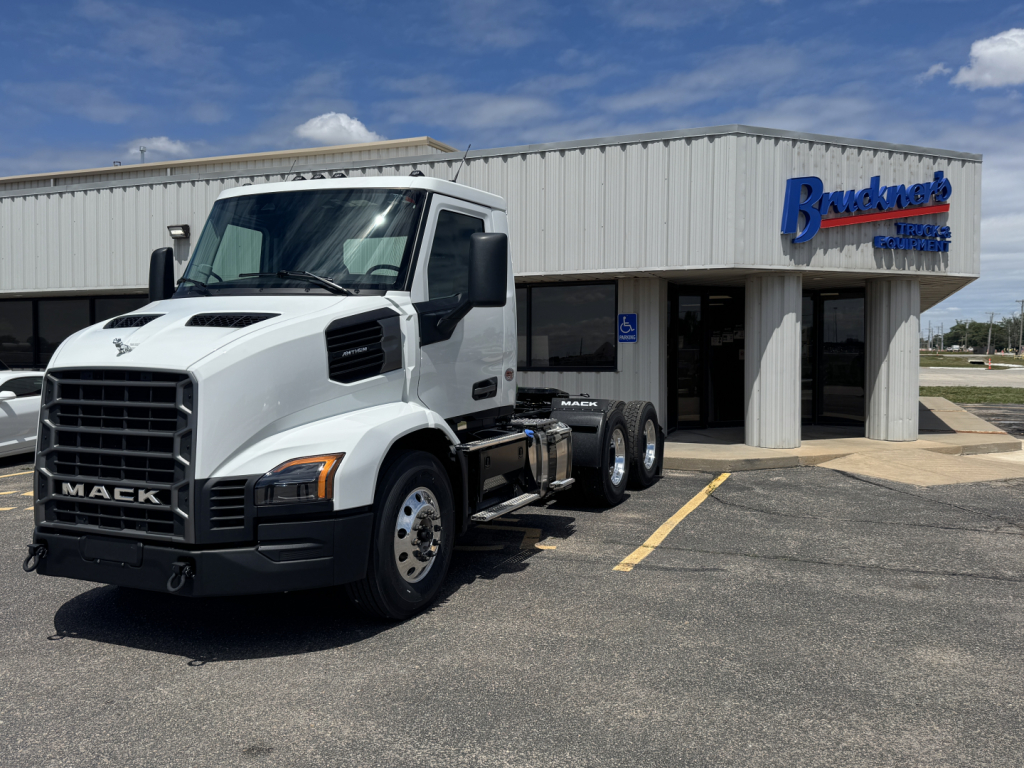
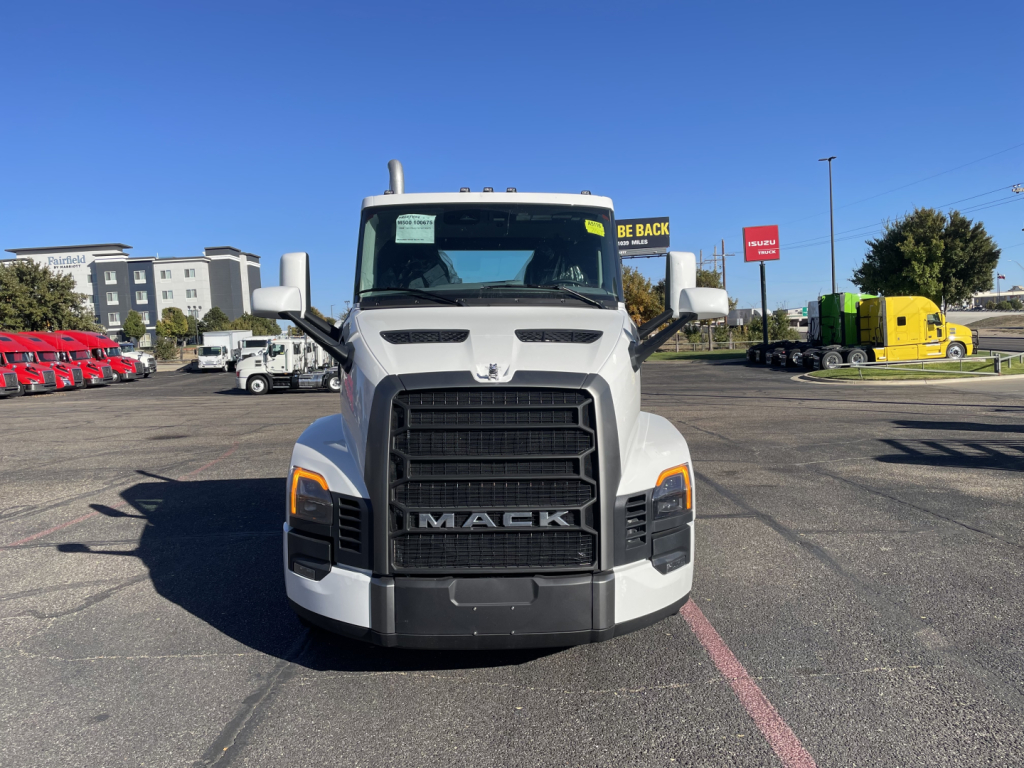
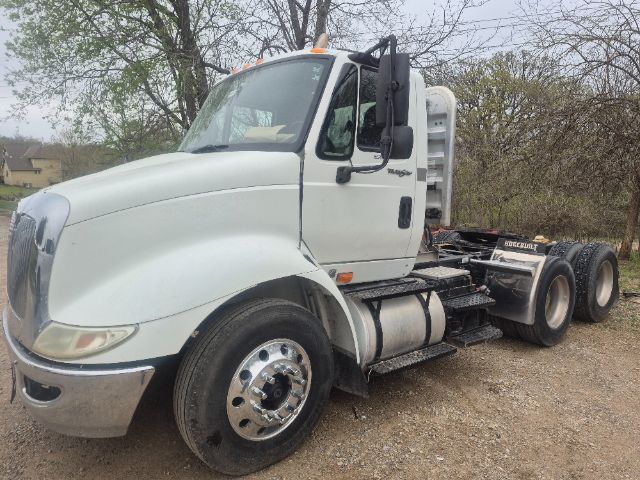

Selling a conventional daycab truck? List your conventional daycab truck for sale and reach thousands of commercial buyers.
Conventional Daycab Trucks in Kansas
The spec decisions that matter most usually start with axle ratings, wheelbase, and powertrain. Many conventional daycabs are set up as 6x4 tractors with front axles around 12,000 to 13,200 pounds and tandem rears at 40,000 pounds, which fits a wide range of van, reefer, flatbed, and bulk applications. Engines commonly fall in the 350 to 500 horsepower range, paired with automated manual or manual transmissions from 10 to 13 speeds or more, depending on terrain, startability, and fleet preference. Rear axle ratio affects launch, cruise rpm, and fuel economy, so buyers should match gearing to gross weight, trailer type, and average highway speed. Wheelbase and fifth wheel travel also matter because they influence bridge compliance, turning radius, trailer gap, and versatility across different trailer lengths.
For Kansas buyers, application should drive the spec. A highway-oriented daycab for regional dry van work may prioritize aerodynamic fairings, overdrive transmission, lower rear axle ratio, and dual fuel tanks for range. A vocational-leaning daycab used for grain, livestock support, hopper, or occasional pintle and hitch work may need a different wheelbase, higher ride height, stronger suspension, and more flexible driveline gearing. Suspension type, front disc versus drum brakes, locking differentials, and PTO readiness can all become important depending on how the truck is used. On used trucks, maintenance history often matters more than brand preference. Look closely at clutch and transmission work, turbo and overhead service, brake life, tire condition, emissions system history, and any documentation on axle, suspension, or driveline repairs.
Driver environment still matters in a daycab because these trucks spend long hours on the road even without a bunk. Air ride seats, insulation, steering wheel controls, adaptive cruise, collision mitigation, and clean dash layouts can improve retention and reduce fatigue in regional service. Buyers comparing listings should focus on real operating fit: cab configuration, engine family, transmission type, wheelbase, rear ratio, suspension, fuel capacity, and fifth wheel setup. A well-matched conventional daycab can deliver strong payload efficiency, simpler daily operation, and lower total operating cost than a sleeper tractor assigned to the same short-haul work.
Frequently Asked Questions about Conventional Daycab Trucks in Kansas
What is a conventional daycab truck used for?
A conventional daycab truck is typically used for regional haul, local and dedicated freight, drayage, shuttle work, and any tractor application that does not require an overnight sleeper. It uses a standard hooded conventional chassis with a day cab instead of a bunk. That configuration reduces weight, shortens overall length, and can improve maneuverability and operating efficiency on shorter routes.
What specs matter most when buying a conventional daycab?
The key specs are engine horsepower and torque, transmission type, rear axle ratio, wheelbase, front and rear axle ratings, suspension, brake configuration, and fifth wheel position or air slide travel. Those items determine how the truck launches under load, cruises at highway speed, turns in tight spaces, and matches to trailer length and payload. Buyers should also check fuel capacity, PTO capability if needed, and emissions system history on used units.
Is a daycab better than a sleeper for regional freight?
For many regional and short-haul operations, a daycab is the better fit because it usually weighs less, costs less to maintain, and gives up no revenue space to a sleeper that is not being used. It can also be easier for drivers to enter and exit throughout the day. A sleeper still makes sense if routes regularly involve overnight layovers, team operations, or longer dispatch flexibility.
What wheelbase is best for a conventional daycab?
The best wheelbase depends on trailer type, axle spacing requirements, turning needs, and how much fifth wheel adjustment is required. Shorter wheelbases generally improve maneuverability in tight yards and urban deliveries. Longer wheelbases can improve ride quality, fuel tank capacity, and trailer compatibility in highway service. Buyers should evaluate wheelbase together with kingpin setting, bridge laws, and intended trailer lengths.
What should I inspect on a used conventional daycab truck?
On a used daycab, inspect maintenance records first, then verify engine, transmission, clutch, driveline, suspension, and brake condition. Pay attention to steer and drive tire wear patterns, frame condition, fifth wheel wear, air system leaks, and any signs of hard vocational use. On emissions-equipped trucks, review DPF, SCR, EGR, and sensor history. A recent DOT inspection and documented repairs can add confidence, but the truck still needs to match the intended load and route profile.