
Volvo Conventional Daycab Trucks For Sale in Kansas
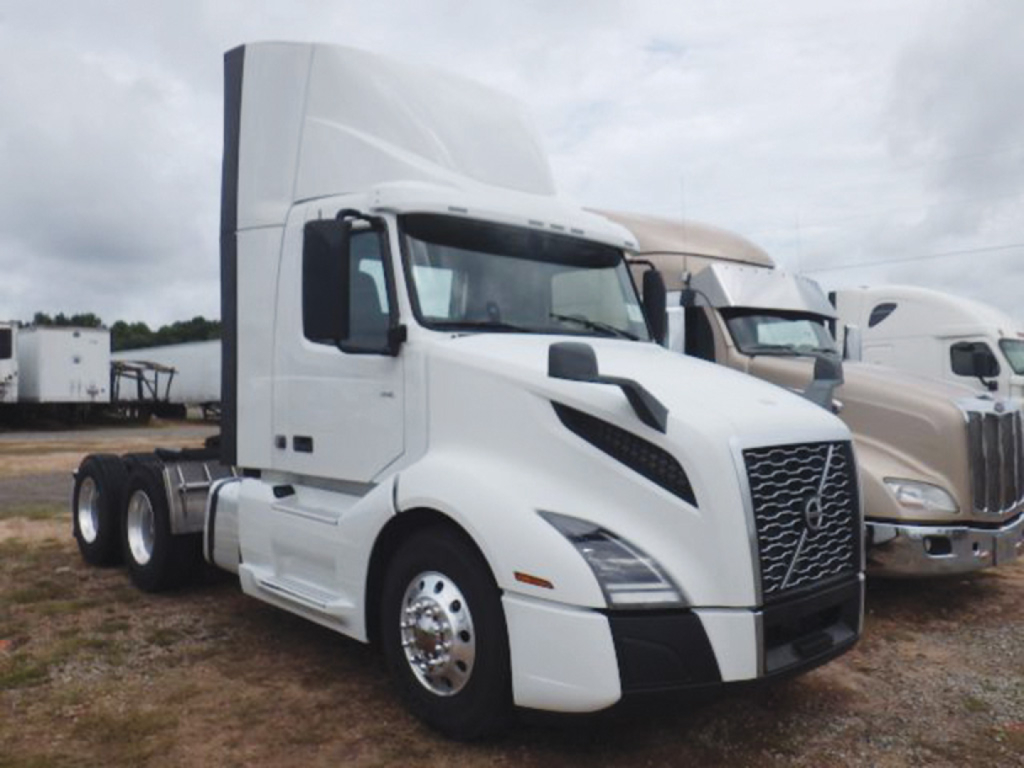
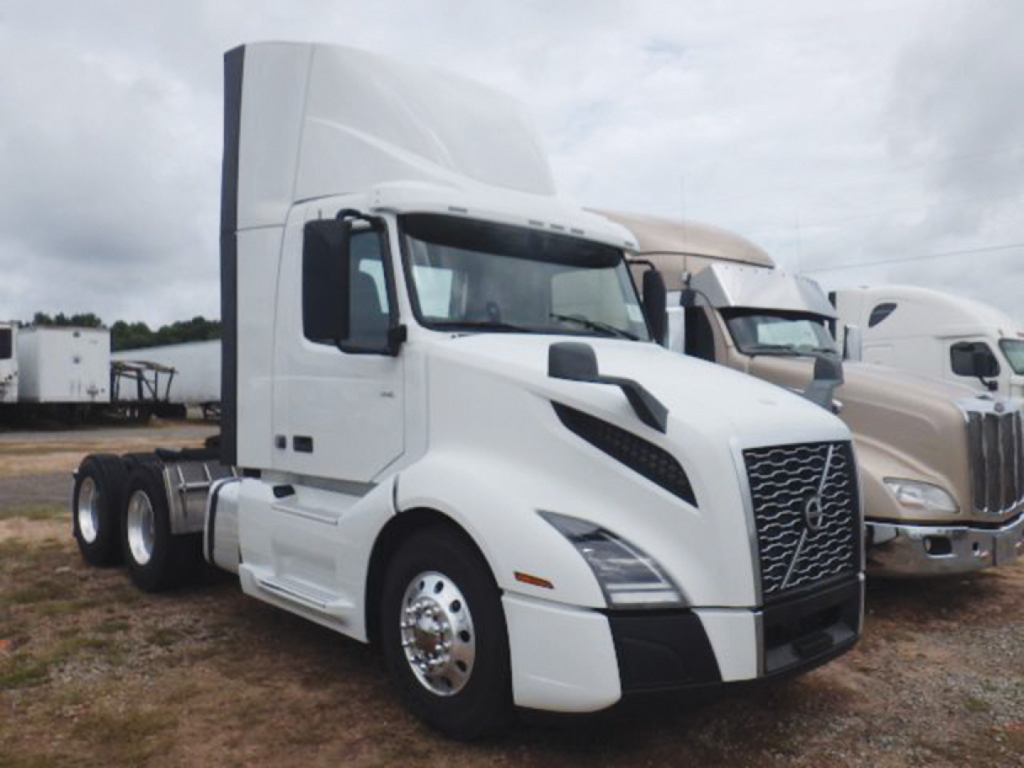
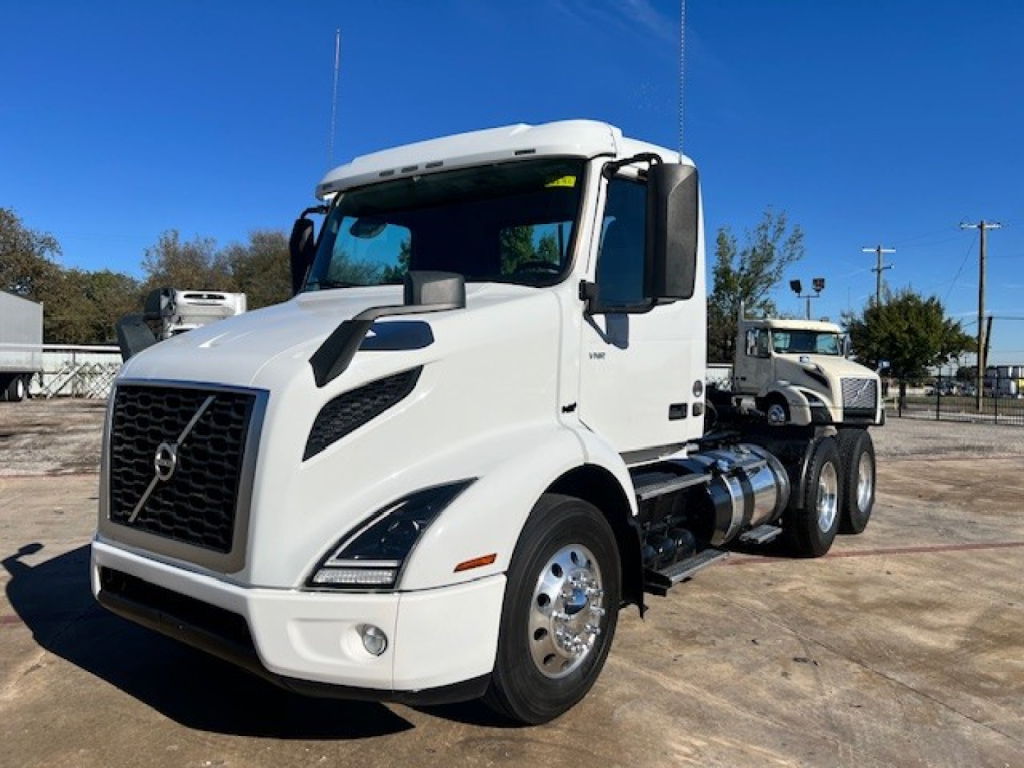
Have volvo conventional daycab truck to sell? List it here to reach thousands of buyers.
Volvo Conventional Daycab Trucks in Kansas
A buyer comparing Volvo daycab trucks should start with the powertrain and axle package. Many used Volvo daycabs are equipped with the Volvo D13 engine, often in the 405 to 455 horsepower range, paired with the Volvo I-Shift automated manual transmission. That combination is widely favored for regional service because it delivers smooth shifting, strong low-rpm performance, and consistent fuel efficiency. Rear axle ratings commonly land around 40,000 pounds on tandem axle tractors, and axle ratios such as 2.79 are common when the truck is spec'd for highway speed and economy. Wheelbase, fifth wheel travel, and suspension setup also matter, especially if the truck will pull multiple trailer lengths or operate in tighter loading environments.
Volvo daycabs are also known for a driver-focused cab layout. Buyers often look for air ride suspension, air slide fifth wheels, engine brakes, tilt and telescoping steering, cruise control, and aerodynamic fairings. Fuel tank size, horizontal versus vertical exhaust, and tire setup can all affect how well the truck matches the route. Some regional tractors are spec'd with low-profile 22.5 rubber, aluminum wheels, or even super singles to reduce weight and improve efficiency, while others keep a more conventional dual setup for serviceability and fleet standardization. Interior condition, switchgear function, visibility, and seat wear are worth close attention on a used daycab since these trucks often see frequent stop-and-go duty.
For Kansas operators, the right Volvo conventional daycab usually comes down to application more than badge or model year. A truck running mostly I-70 or cross-state regional freight may benefit from a taller highway gear and full aero package, while a unit assigned to city delivery, ag support, or drop-and-hook work may be better with a shorter wheelbase and simpler trailer interface. If the truck will stay in a mixed fleet, check compatibility with existing maintenance practices, diagnostic tools, and driver preferences. A well-spec'd Volvo daycab can deliver a good blend of fuel economy, comfort, and resale appeal when its drivetrain, wheelbase, and suspension are matched to the work.
Frequently Asked Questions about Volvo Conventional Daycab Trucks in Kansas
What are Volvo conventional daycab trucks commonly used for?
Volvo conventional daycab trucks are commonly used for regional hauling, local delivery, dedicated contract freight, port and rail drayage, yard-to-yard transfers, and other short-haul applications where overnight accommodations are not needed. Their shorter cab configuration reduces weight and can improve maneuverability compared with a sleeper tractor. In many fleets, they are chosen for routes that demand frequent trailer drops, urban access, or repeated daily returns to the terminal.
What engine and transmission are common in a Volvo daycab?
Many Volvo daycab tractors are equipped with the Volvo D13 engine and the Volvo I-Shift automated manual transmission. The D13 is a common choice in regional and highway service because it offers a broad torque curve and competitive fuel economy. The I-Shift is popular because it simplifies operation, helps reduce driver fatigue, and can support more consistent shifting performance across different drivers and route conditions.
How do I choose between a Volvo VNL daycab and a Volvo VNR daycab?
The VNL daycab is typically associated with highway-oriented regional and long-distance tractor design, while the VNR is often favored for regional and urban applications that need a tighter overall package. The best choice depends on wheelbase needs, turning radius, cab layout, trailer type, and average route speed. Buyers should compare axle ratio, fairing package, frame layout, and fifth wheel position because those details usually matter more in daily use than the model name alone.
What specs matter most on a used Volvo conventional daycab?
The most important specs usually include engine rating, transmission model, rear axle ratio, axle capacity, wheelbase, suspension type, and fifth wheel configuration. Buyers should also review tire size, brake type, fuel capacity, and whether the truck has a full aero package or a simpler vocational setup. Service history, emissions system condition, fault code activity, and evidence of proper drivetrain maintenance are just as important as horsepower when evaluating a used daycab tractor.
Are Volvo daycab trucks a good fit for Kansas operations?
Volvo daycab trucks can be a very good fit for Kansas operations because they are well suited to regional mileage, cross-state freight movement, and distribution work that mixes open highway with terminal or customer stops. A fuel-efficient highway spec can perform well on longer stretches between cities, while a shorter wheelbase configuration can be useful for local industrial, agricultural, or warehouse traffic. The right truck depends on terrain, trailer weight, annual miles, and how much of the work is highway versus stop-and-go service.