
2011 Conventional Daycab Trucks For Sale
Shop 2011 conventional daycab trucks with spec insights on engines, wheelbase, axle ratios, transmissions, and vocational or regional use.
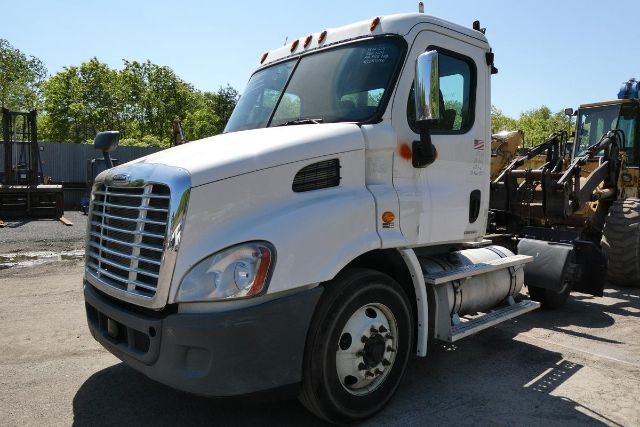
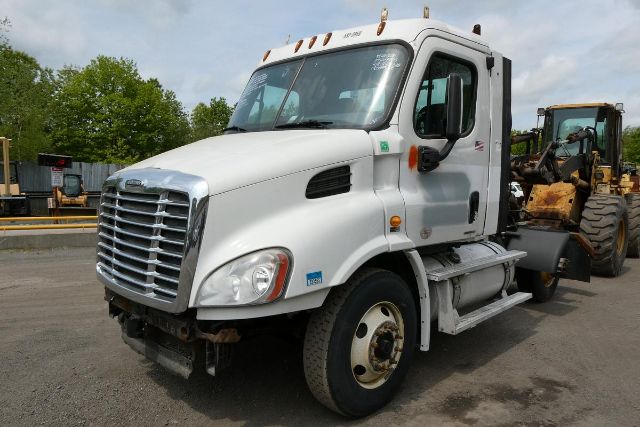
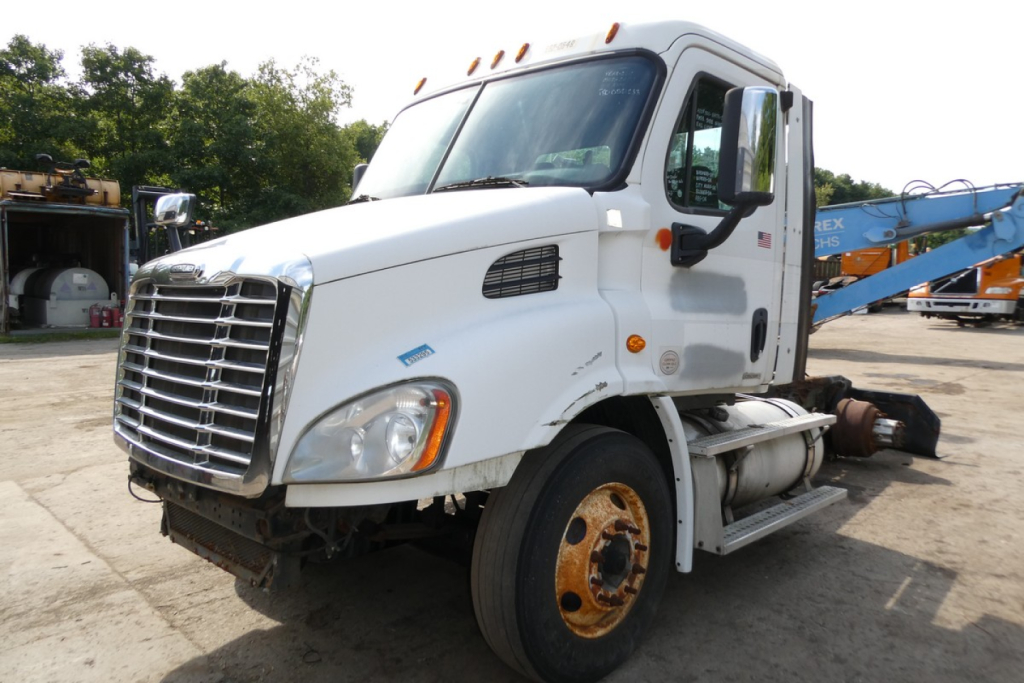
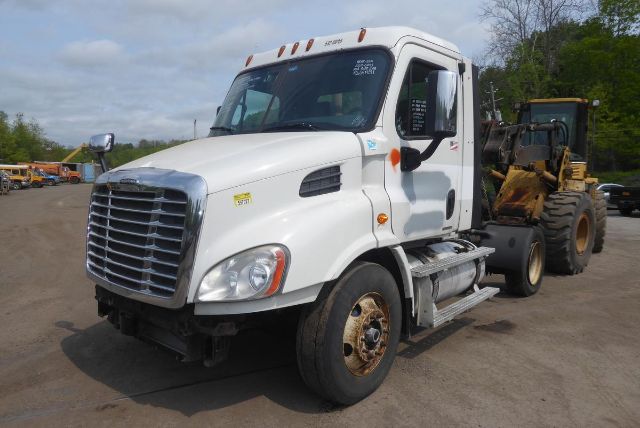
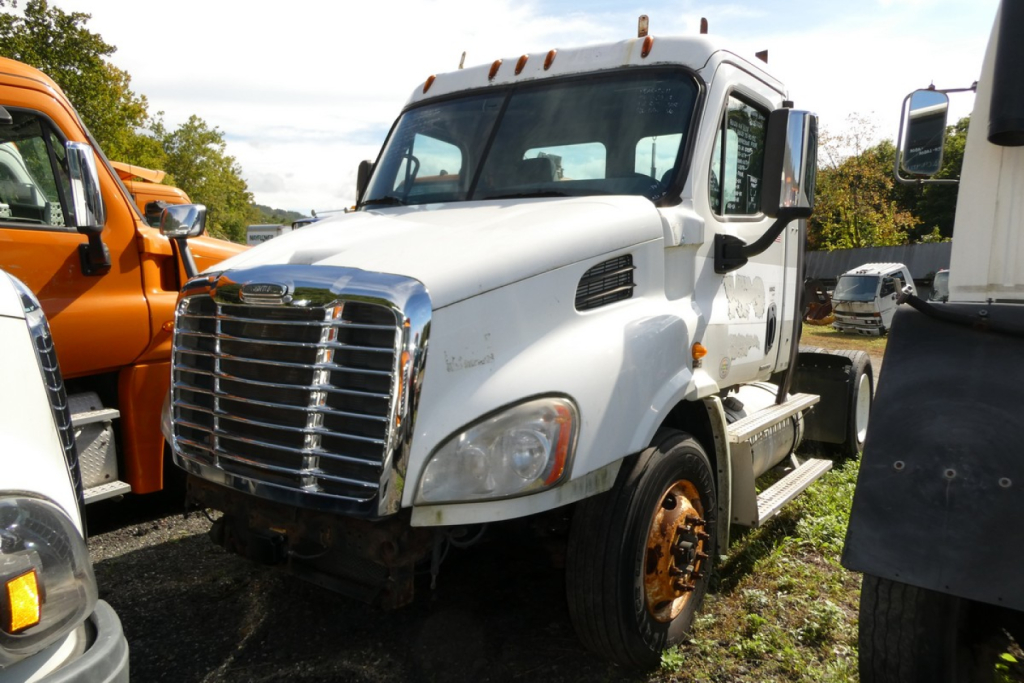
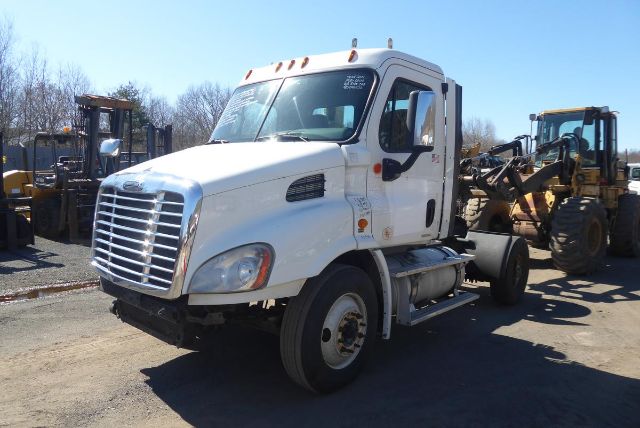
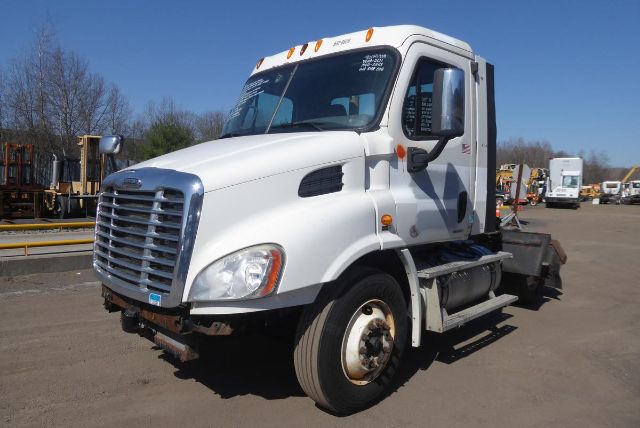
Selling a 2011 conventional daycab truck? List your 2011 conventional daycab truck for sale and reach thousands of commercial buyers.
2011 Conventional Daycab Trucks
Spec differences matter more than the badge on a used daycab. Wheelbase, axle rating, rear ratio, suspension type, and fifth wheel setup will determine how well the truck matches the work. A shorter wheelbase is usually preferred for urban maneuverability, port drayage, and yard access, while a longer wheelbase can improve ride quality and frame space for tanks, wet kits, or specialty equipment. Tandem axle daycabs are common for general freight and heavier trailer work, but single axle specs still show up in lighter regional or P&D applications. Air ride suspension is often preferred for ride quality and resale, while vocational buyers may lean toward heavier spring or severe-duty rear suspensions depending on body or trailer demands.
Powertrain choices on 2011 conventional daycab trucks commonly include Detroit Diesel, Cummins, Paccar, Volvo, Mack, MaxxForce, and sometimes Caterpillar in older carryover configurations. Manual transmissions remain common in this year range, but many fleets also spec'd automated manuals for fuel economy and driver acceptance. Pay attention to horsepower and torque ratings in relation to rear axle ratio and average gross combination weight. A daycab set up for linehaul fuel economy can feel sluggish in stop-and-go or heavy dump, tanker, or flatbed service if the ratio is too fast. Buyers should also inspect DPF maintenance records, injector and turbo history, clutch life on manual units, transmission calibration on automated units, and signs of excessive idle time or corrosion around battery boxes, frame rails, and cab mounts.
Cab condition and operating spec still matter on a 2011 truck because downtime costs more than a lower purchase price saves. Look closely at steering and suspension wear, brake condition, fifth wheel movement, air system leaks, and any evidence of deferred maintenance. Inside the cab, check HVAC performance, gauge function, seat wear, switchgear, and fault codes. For regional fleets and owner-operators, a well-matched 2011 conventional daycab can still be a cost-effective tractor if the emissions system is sorted, the gearing fits the route profile, and the truck has been maintained with clear records. Also known simply as a day cab or non-sleeper semi truck, this category remains a strong option for buyers who need a road tractor built for work close to home base.
Frequently Asked Questions about 2011 Conventional Daycab Trucks
What should I check first on a 2011 conventional daycab truck?
Start with the engine and emissions system. A 2011 truck is typically in the EPA 2010 era, so the condition of the DEF system, DPF, sensors, wiring, and aftertreatment components can affect reliability and operating cost more than cosmetic condition. After that, confirm the truck's wheelbase, axle ratings, rear ratio, suspension, and fifth wheel setup to make sure the spec matches the trailer and route profile.
Are 2011 daycab trucks good for regional and local hauling?
Yes, 2011 conventional daycabs are commonly used for regional freight, local delivery, drayage, tanker, flatbed, and dedicated contract lanes. The key is matching the truck's gearing, horsepower, and axle configuration to the actual job. A fuel-mile spec built for light highway work may not perform well in heavy stop-and-go service, while a heavier vocational spec may sacrifice fuel economy on longer regional runs.
Which transmissions are common in 2011 conventional daycab trucks?
Both manual and automated transmissions are common in this model year. Fuller manual gearboxes remain popular with many owner-operators and vocational buyers because they are familiar and straightforward to service. Automated manuals were also widely spec'd by fleets for fuel economy and driver recruitment. On a used truck, shift quality, clutch wear, software calibration, and service history are more important than transmission type alone.
What axle and wheelbase setup is best for a 2011 daycab?
The best setup depends on the application. Shorter wheelbases are generally better for tight terminals, city work, and port operations because they improve maneuverability. Longer wheelbases can provide a smoother ride and more room for larger fuel tanks, battery boxes, hydraulic systems, or custom frame equipment. Tandem axles are the standard choice for heavier trailer work, while single axle daycabs can make sense for lighter loads and lower operating costs.
How important are maintenance records on a 2011 daycab truck?
They are critical. On a truck of this age, documented maintenance often tells you more than mileage alone. Records for DPF cleaning, DEF and aftertreatment repairs, injector work, turbo replacement, transmission service, suspension repairs, and brake work help establish whether the truck was maintained proactively or run until failure. A clear service history can reduce risk and make it easier to plan future repairs and downtime.