
2011 Freightliner Conventional Daycab Trucks For Sale
Shop 2011 Freightliner conventional daycab trucks. Compare Cascadia and M2 specs, engines, wheelbases, axles, and drivetrain setups.
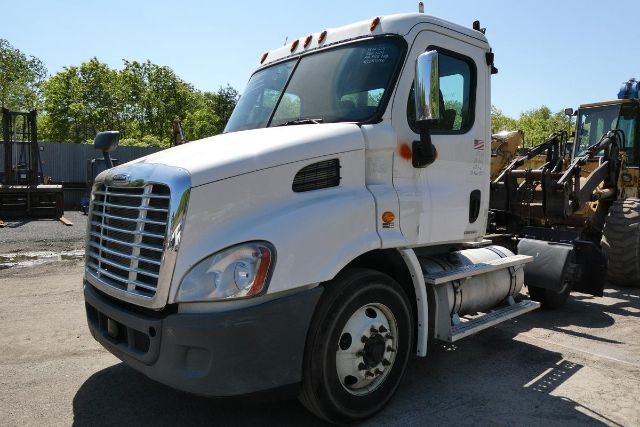
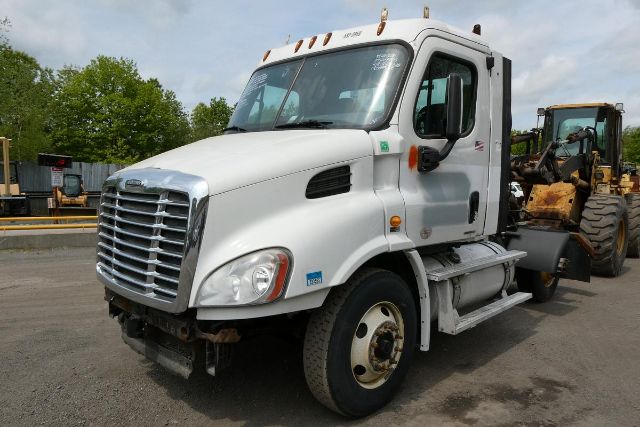
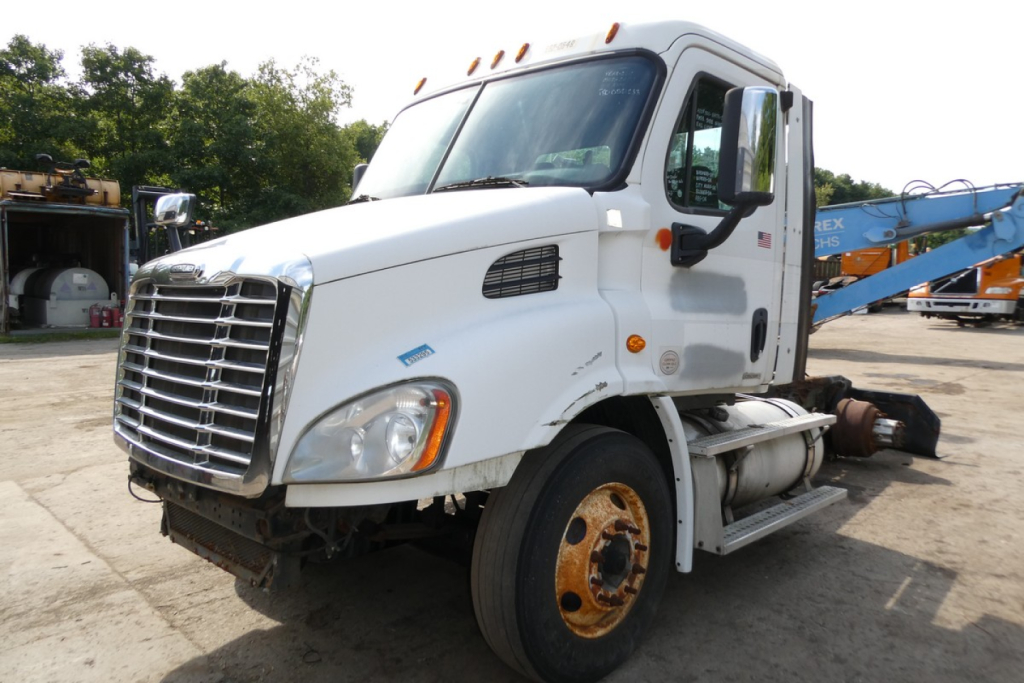
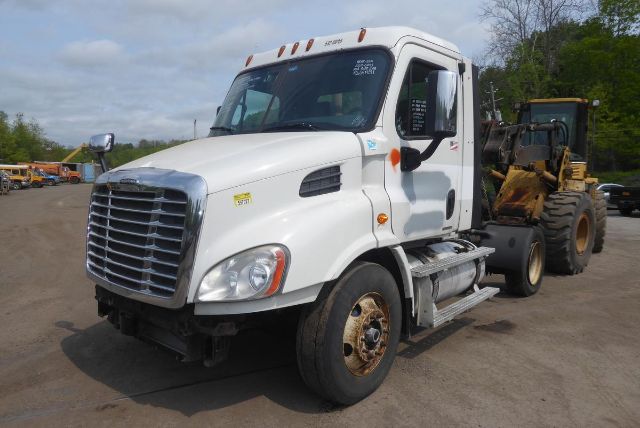
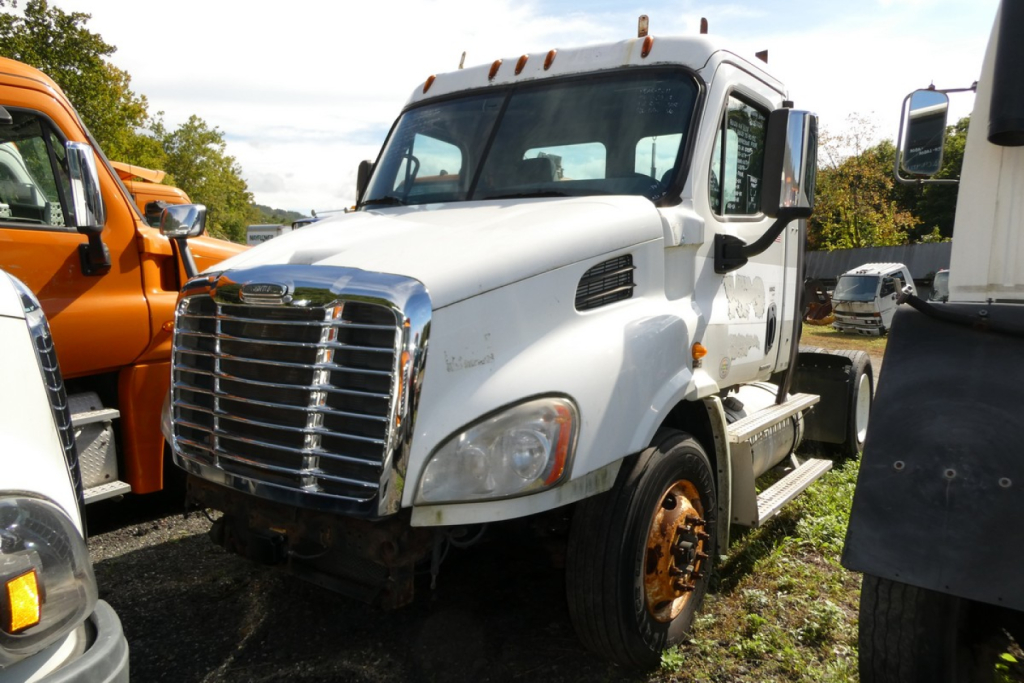
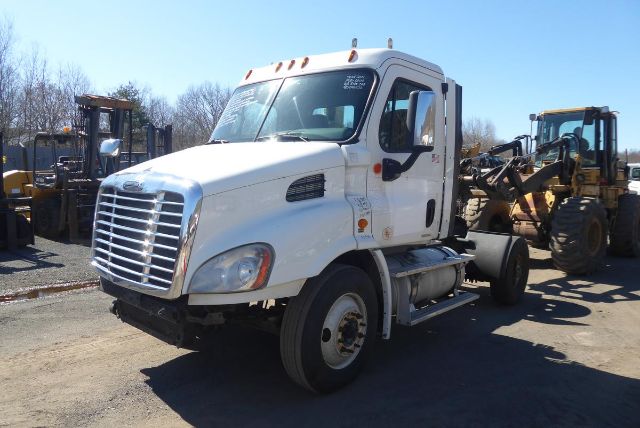
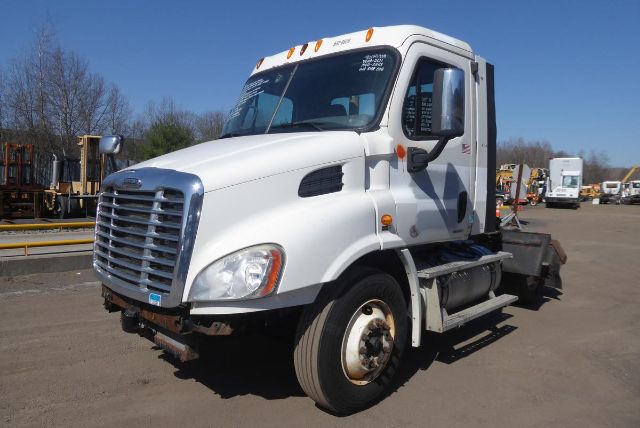
Selling a 2011 freightliner conventional daycab truck? List your 2011 freightliner conventional daycab truck for sale and reach thousands of commercial buyers.
2011 Freightliner Conventional Daycab Trucks
On a 2011 Freightliner Cascadia daycab, expect Detroit diesel power to be the center of the spec decision. Many trucks in this class carry a DD13 or DD15, usually paired with an Eaton Fuller manual, UltraShift, or other automated manual transmission depending on how the truck was ordered. Tandem axle specs often include 40,000 lb rears, air ride suspension, and ratios in the low-3s to mid-3s for fuel-conscious regional work, though some trucks were built shorter and deeper geared for port and city service. Wheelbase, fifth wheel height, and kingpin setting matter if the truck will be used across mixed trailer pools. A shorter wheelbase improves maneuverability in yards and urban docks, while a longer wheelbase can ride better and offer more frame space for tanks, DEF, battery boxes, or PTO-related equipment.
2011 model year buyers should pay close attention to emissions equipment, maintenance records, and operating history. This was firmly in the emissions-era truck market, so condition of the DPF system, EGR components, sensors, and aftertreatment service history can affect uptime and repair cost more than cosmetic condition. Detroit-powered Freightliners are widely supported, which helps with parts and service access, but it is still smart to review fault history, idle hours, clutch wear on manual units, and transmission calibration or shift behavior on automated models. Cab condition also matters more on daycabs than many buyers expect because these trucks see frequent driver entry and exit. Look at seat wear, steering play, window and mirror function, HVAC performance, and signs of hard city-route use.
Freightliner daycabs from this period remain popular because they are straightforward, familiar to most drivers, and available in a wide spread of specs. Common features include air slide fifth wheels, aluminum fuel tanks, air ride cabs, power windows, cruise, engine brakes, and 22.5-inch rubber on steel or aluminum wheels. If the truck will spend most of its time under 80,000 lb GCW on regional lanes, a lighter, more aerodynamic Cascadia spec may be the better fit. If the job involves body equipment, tighter streets, or medium-duty stop-and-go work, an M2-based conventional daycab may be the more practical choice. The best buy in this category is not just the lowest-price truck. It is the one with the right axle ratio, suspension, wheelbase, and maintenance profile for the trailers, routes, and annual mileage you plan to run.
Frequently Asked Questions about 2011 Freightliner Conventional Daycab Trucks
What engine is common in a 2011 Freightliner conventional daycab?
The most common engines in a 2011 Freightliner conventional daycab are Detroit DD13 and DD15 diesels in highway-oriented Cascadia models, with some medium-duty M2 configurations using smaller-displacement power depending on the application. The right choice depends on gross weight, terrain, and annual miles. DD13-powered trucks are often a good fit for regional freight and lighter payload profiles, while DD15-equipped trucks are more common where higher horsepower and torque are needed for sustained highway pulling.
Is a 2011 Freightliner daycab good for regional hauling?
Yes, a 2011 Freightliner daycab is commonly used in regional hauling, drayage, dedicated contract freight, and local-to-regional trailer work. The daycab layout reduces weight and overall cost compared with a sleeper, and many Cascadia day cab specs from this era were built with aerodynamic packages, tandem axles, and fuel-efficient rear ratios. Buyers should match wheelbase, horsepower, transmission type, and axle ratio to the route structure instead of assuming every daycab is spec'd the same.
What should I inspect on a 2011 Freightliner daycab before buying?
Focus on emissions system history, engine fault codes, DPF and EGR service records, transmission operation, suspension wear, and axle ratio verification. Also inspect the fifth wheel assembly, frame condition, cab mounts, steering components, brake condition, and tire wear patterns. On higher-mile trucks, maintenance documentation is often more valuable than appearance because it gives a clearer picture of how the truck was operated and how likely it is to deliver reliable service.
What is the difference between a Freightliner Cascadia daycab and an M2 daycab?
A Freightliner Cascadia daycab is generally a Class 8 highway tractor designed for regional and linehaul tractor work, usually with tandem rear axles and higher gross combination capability. A Freightliner M2 daycab is typically a medium-duty or vocational platform used for local delivery, straight truck bodies, municipal service, or lighter tractor applications. The Cascadia is usually the better choice for pulling standard semitrailers over longer distances, while the M2 is often preferred where tighter maneuvering, body upfit flexibility, or lower-GVW operation matters more.
Are 2011 Freightliner daycabs expensive to maintain?
Maintenance cost depends heavily on prior care, mileage, and emissions-system condition. A well-maintained 2011 Freightliner daycab can still be a cost-effective fleet truck because Freightliner and Detroit parts support is widespread and most service shops are familiar with the platform. The biggest cost variables are aftertreatment repairs, injector or EGR-related work, clutch replacement on manual transmissions, and suspension or brake wear on trucks that spent years in urban stop-and-go service.