
2024 Conventional Daycab Trucks For Sale
Shop 2024 conventional daycab trucks with modern powertrains, short wheelbases, and specs built for regional, local, and vocational hauling.
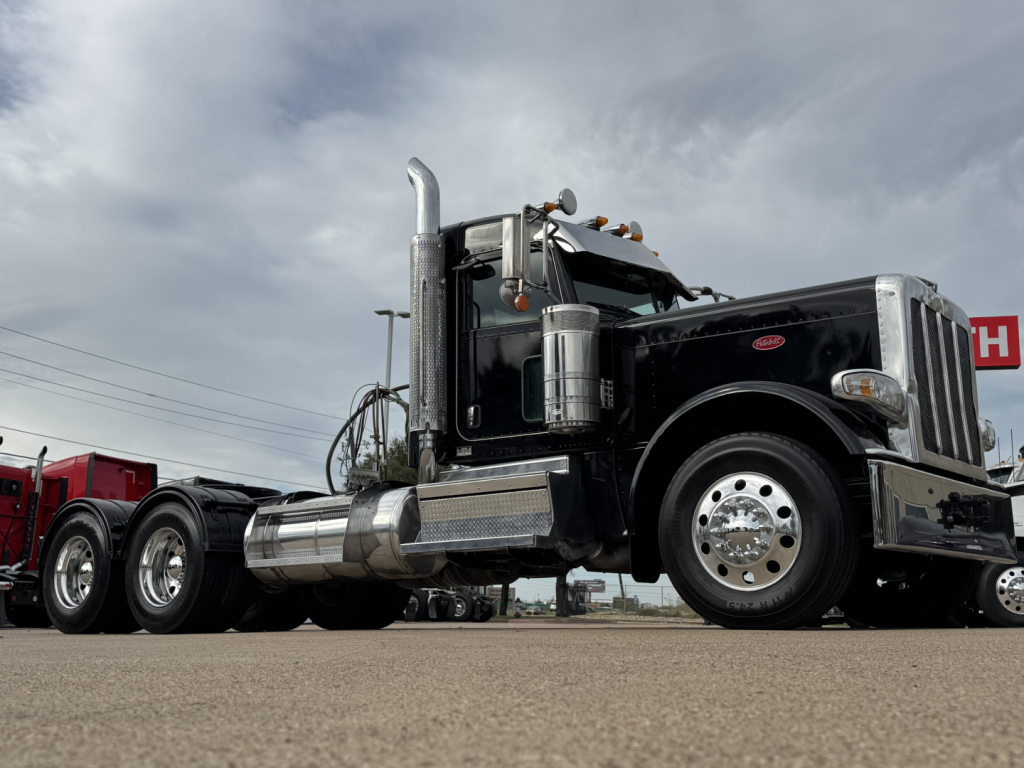
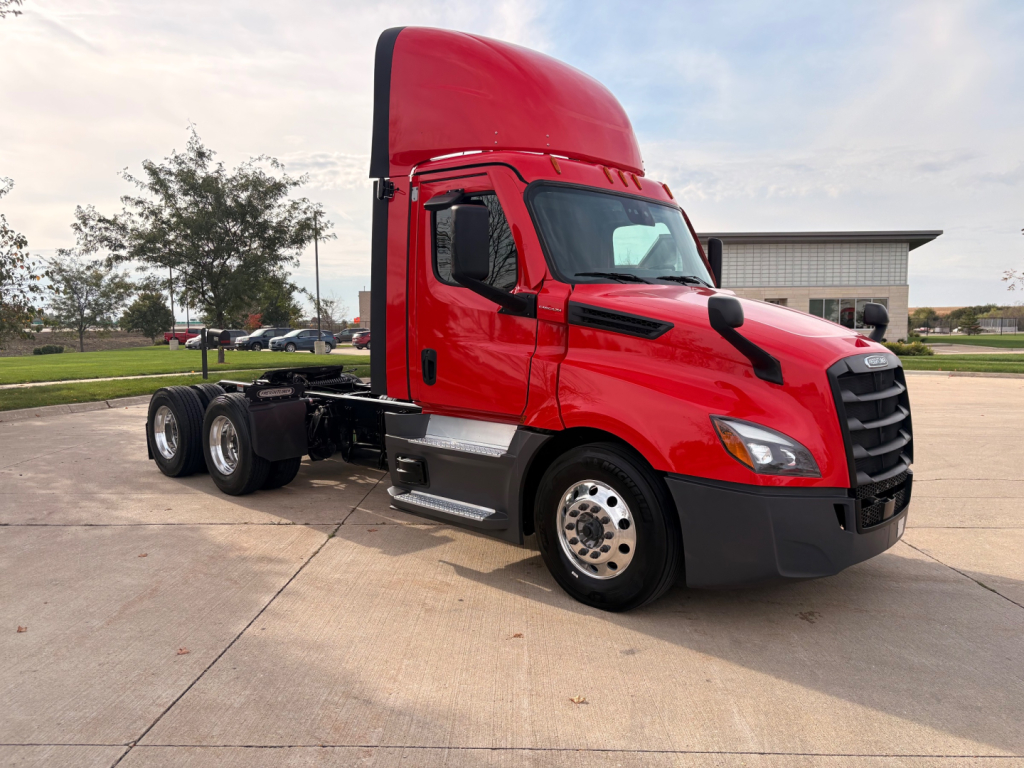
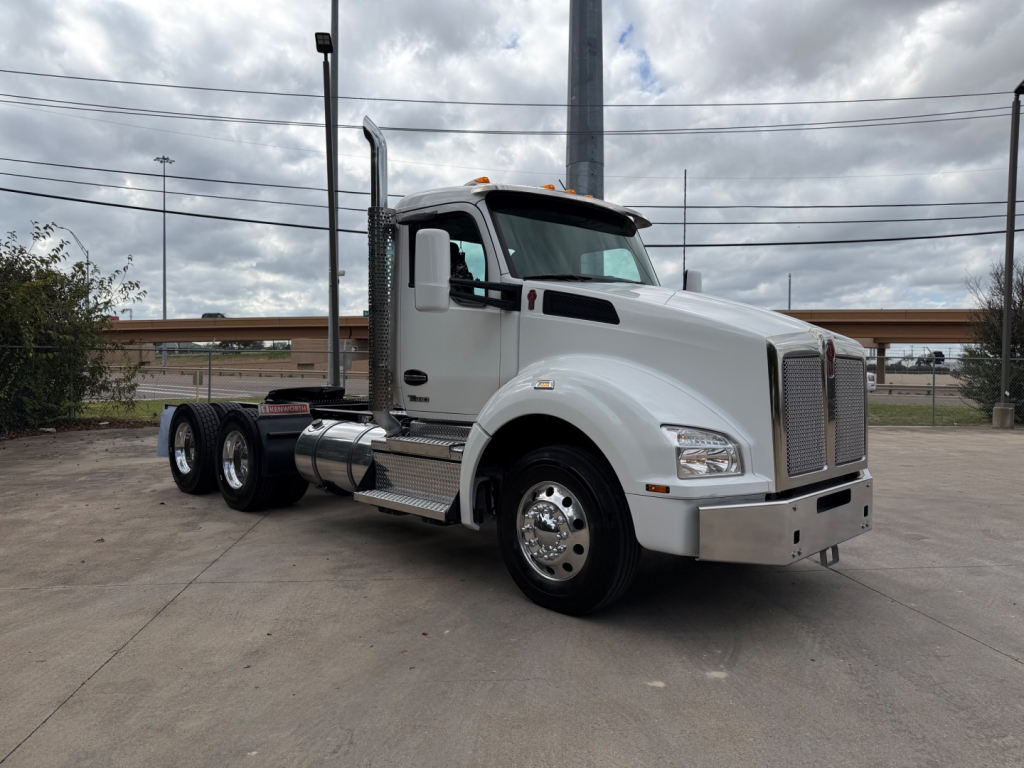
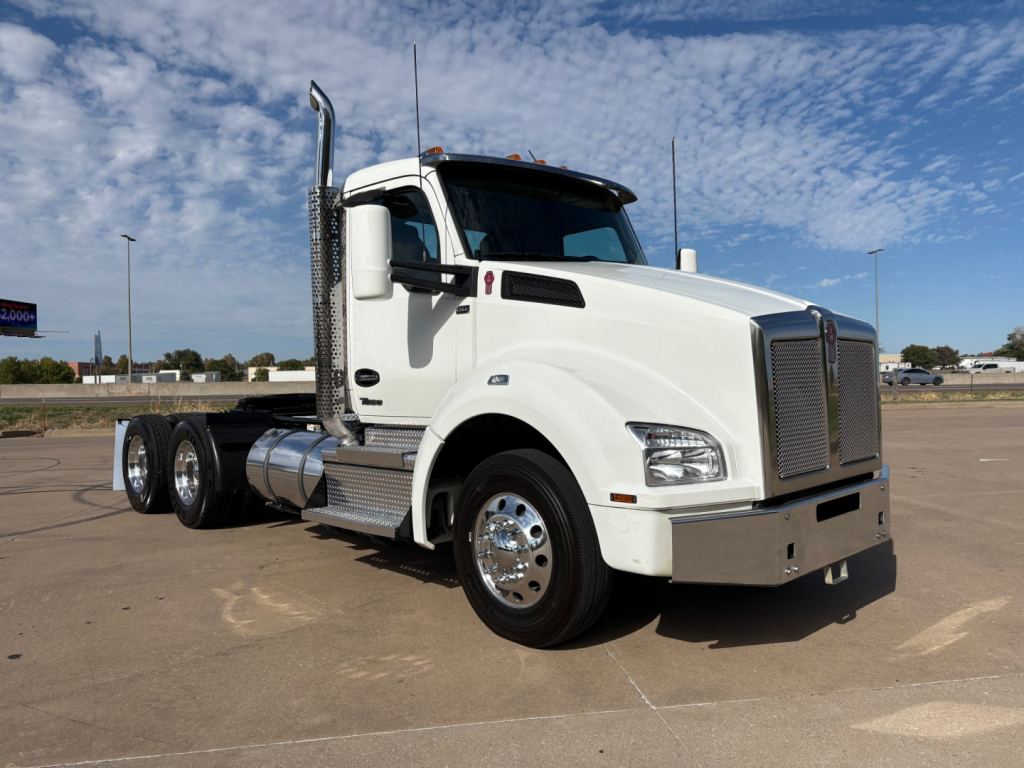
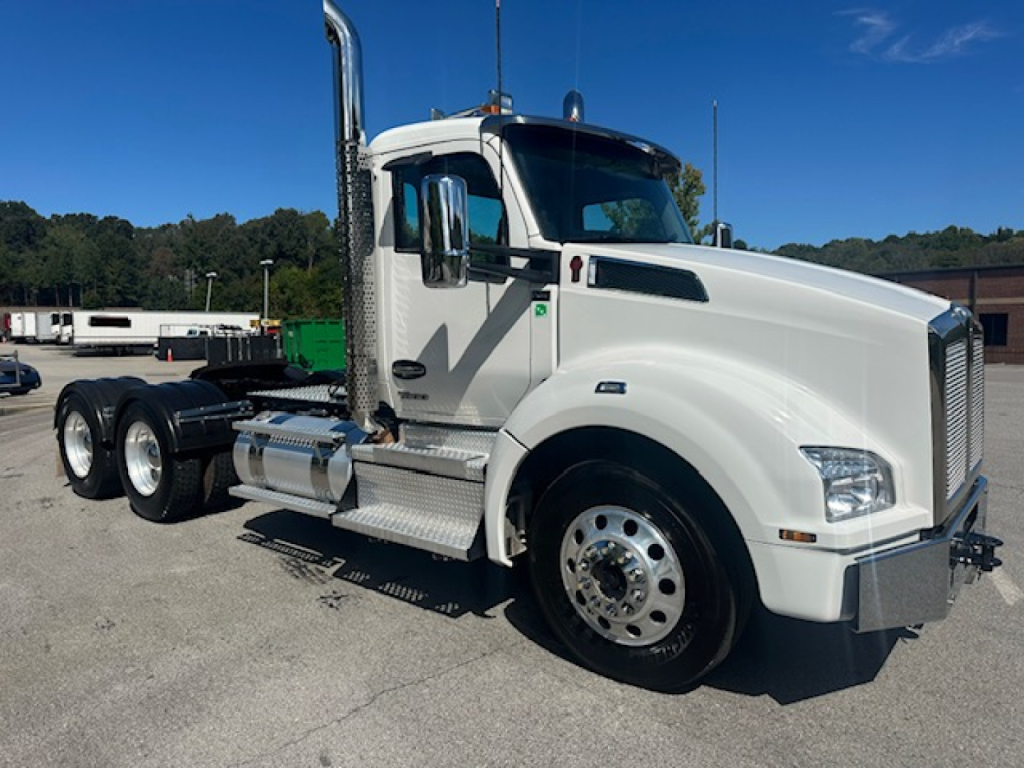
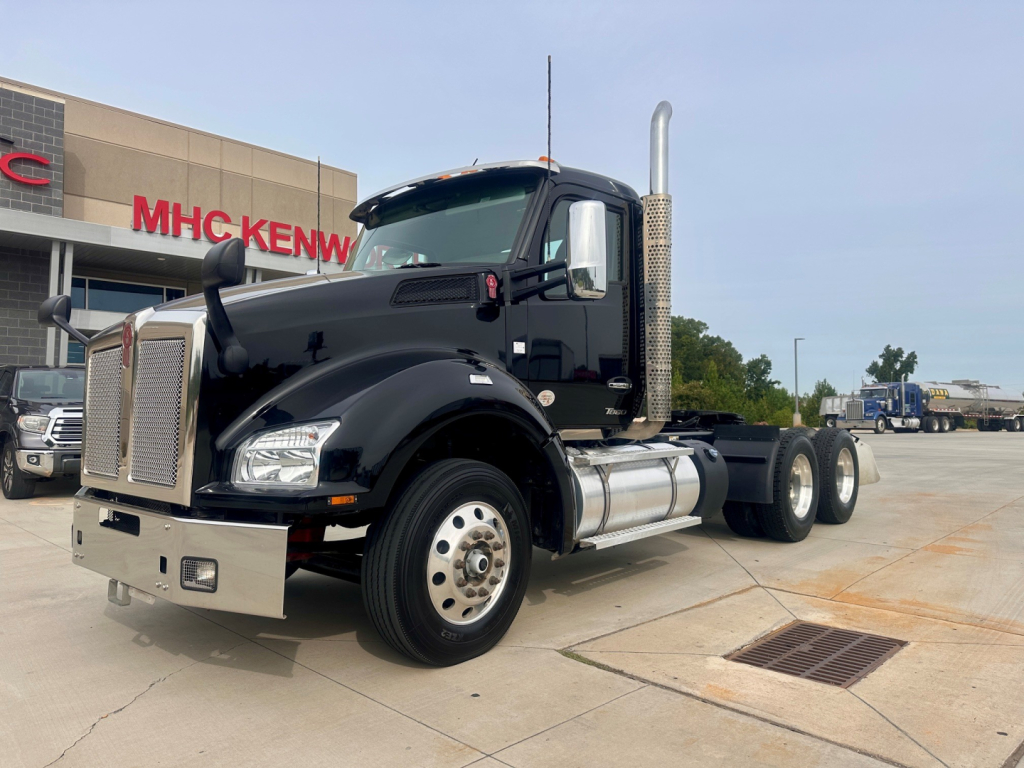
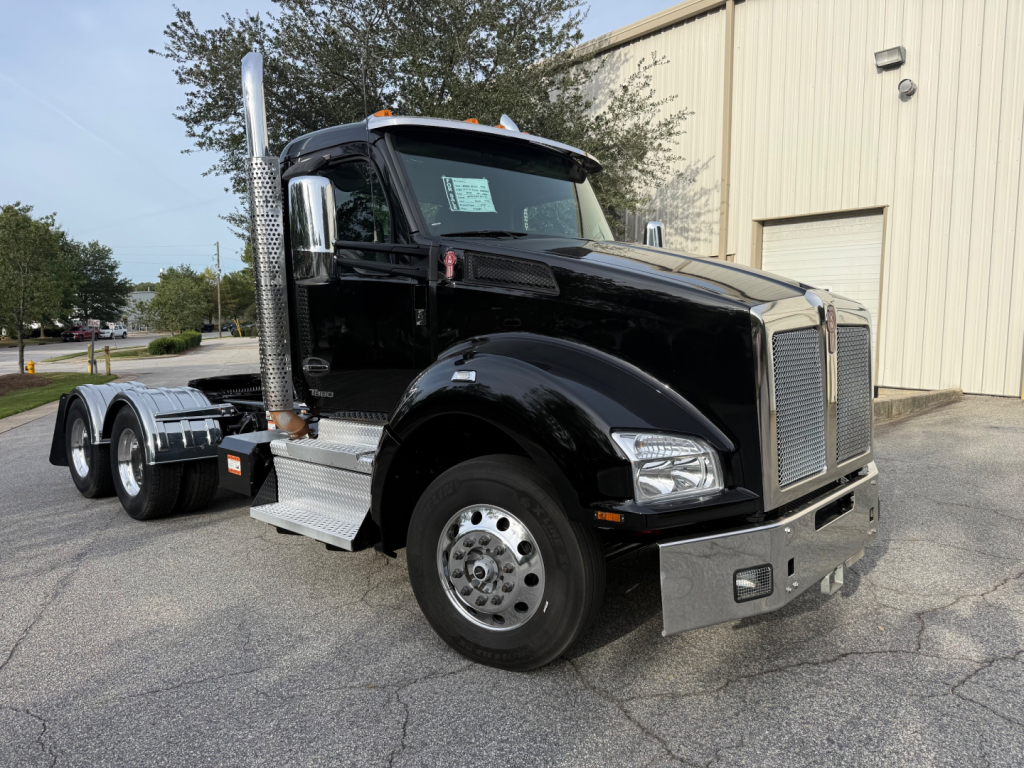

Selling a 2024 conventional daycab truck? List your 2024 conventional daycab truck for sale and reach thousands of commercial buyers.
2024 Conventional Daycab Trucks
Powertrain choices on 2024 daycabs usually center on diesel engines in the 400 to 500 horsepower range with torque ratings suited for regional freight, tanker, flatbed, dump, or heavier GCW applications. Common transmissions include automated manuals such as Detroit DT12, Volvo I-Shift, and Mack mDRIVE, though some operations still prefer manual gearboxes for certain vocational or severe-service work. Rear axle ratings often range from 23,000 to 46,000 pounds, with front axles around 12,000 to 14,600 pounds on highway tractors and higher on heavy-spec units. Buyers should match rear ratio, suspension type, and tire size to average speed, terrain, and payload. A 3.08 or 3.36 ratio may fit linehaul and regional work, while vocational use may call for deeper gearing and locking differentials.
Cab and chassis details matter more on a daycab than many buyers expect. Wheelbases in this class often fall in the 160 to 180 inch range for general tractor use, but the right number depends on trailer swing clearance, kingpin setting, and legal axle spread. Air ride suspensions remain common for freight applications, while mechanical suspensions may be preferred in harsher environments. Many 2024 models also bring air disc brakes, collision mitigation, lane departure warning, adaptive cruise, and improved telematics, which can lower stopping distances, support driver retention, and simplify maintenance planning. Aluminum wheels, fairings, and idle management options can also affect operating cost over a high-mile regional cycle.
The strongest 2024 conventional daycab spec is the one that fits the route profile. A port tractor has different needs than a regional van hauler or a heavy vocational tractor pulling a lowboy. Cab-to-axle measurement, single versus double frame, stationary versus air-slide fifth wheel, and PTO readiness are all buying points that should be reviewed before comparing price alone. For buyers narrowing down listings, the best approach is to evaluate gross vehicle weight rating, gross combination weight rating, engine brake performance, emissions system service history, and the exact chassis layout against the trailers and loads the truck will handle every week.
Frequently Asked Questions about 2024 Conventional Daycab Trucks
What is a conventional daycab truck used for?
A conventional daycab truck is primarily used for local and regional hauling where the driver returns home daily and does not need a sleeper. Common applications include dry van, reefer, flatbed, tanker, drayage, LTL, and many vocational tractor jobs. The shorter cab and lighter overall package can improve maneuverability, reduce empty weight, and make the truck easier to place in tight yards and city routes.
What specs matter most when buying a 2024 conventional daycab?
The most important specs are axle ratings, wheelbase, engine horsepower and torque, transmission type, rear axle ratio, suspension, and fifth wheel configuration. Those items determine how the truck handles payload, gradeability, fuel economy, and trailer fit. Cab-to-axle and kingpin placement are especially important if the truck will pull multiple trailer types or operate under strict bridge and axle laws.
Are automated manual transmissions a good choice in a 2024 daycab?
For many fleets, automated manuals are now the standard choice because they improve driver consistency, reduce clutch wear, and help optimize fuel economy. Systems such as DT12, I-Shift, and mDRIVE are widely used in regional and highway service. Manual transmissions still make sense in some severe-duty or specialized applications, but most buyers looking at a 2024 daycab will find an automated manual fully suited for general freight and regional work.
How do I choose the right rear axle ratio for a daycab truck?
Rear axle ratio should match the truck's average load, road speed, tire size, and terrain. Higher numerical ratios provide better startability and pulling power, which helps in heavy haul or stop-and-go work. Lower numerical ratios can reduce engine rpm at cruise and support better fuel economy in regional highway service. The right choice depends on the full driveline package, not the axle ratio by itself.
What is the difference between a highway daycab and a vocational daycab?
A highway daycab is usually spec'd for regional or linehaul freight with lighter weight, aerodynamic features, air ride suspension, and fuel-focused gearing. A vocational daycab is typically built heavier with stronger frame rails, more robust axle and suspension ratings, PTO capability, and options such as locking differentials or severe-duty bumpers. Two trucks may both be classified as conventional daycabs, but their chassis and drivetrain can be very different depending on the intended application.