
2024 Volvo Conventional Daycab Trucks For Sale
Shop 2024 Volvo conventional daycab trucks with specs, applications, drivetrain insights, and buying tips for local, regional, and fleet use.
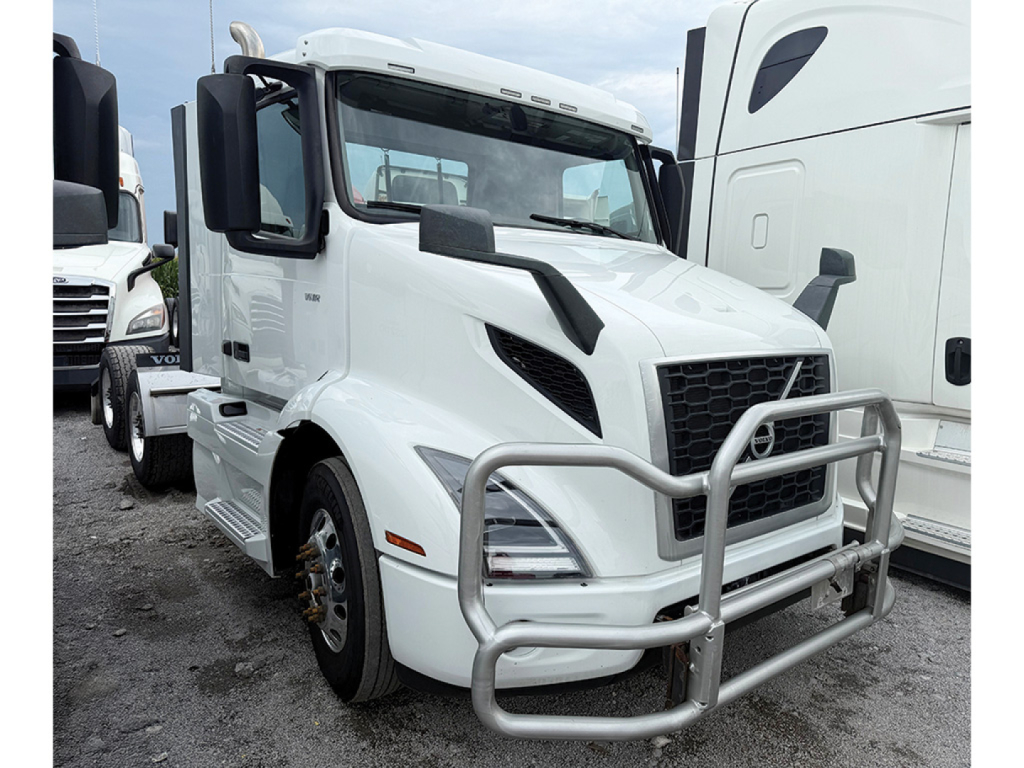
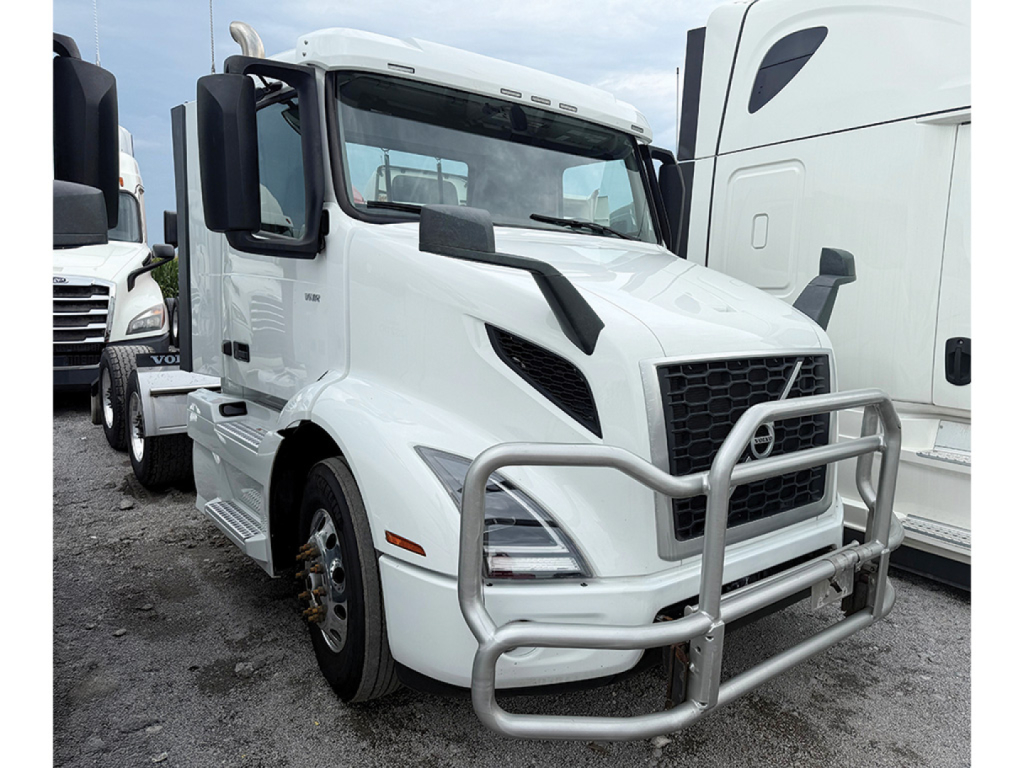
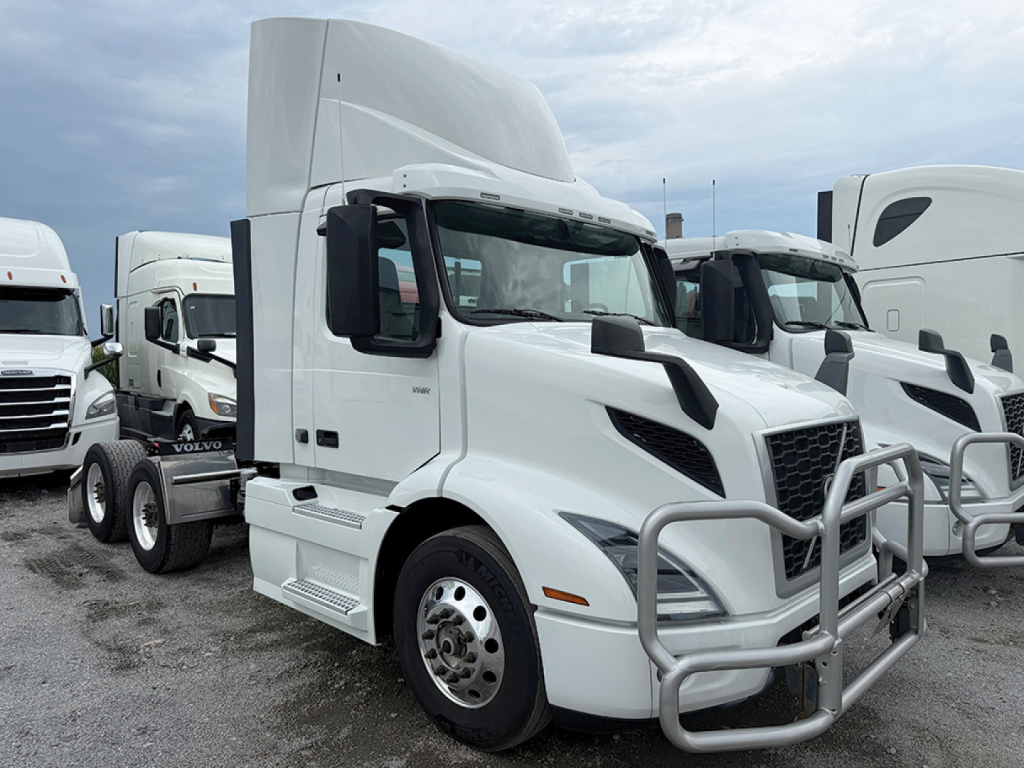
Have 2024 volvo conventional daycab truck to sell? List it here to reach thousands of buyers.
2024 Volvo Conventional Daycab Trucks
The main buying decisions usually come down to engine rating, transmission spec, axle ratio, and wheelbase. A 2024 Volvo daycab commonly pairs a Volvo D11 or D13 diesel with the I-Shift automated manual transmission, a combination known for fuel economy, smooth shifting, and good integration with driver-assist and predictive cruise features. Horsepower often lands in the 405 hp to 455 hp range for regional freight, with torque selected around lane weights, terrain, and startability requirements. Rear axle ratings are commonly set up for 40,000 lbs tandems on highway tractors, and axle ratios can vary widely depending on whether the truck is intended for urban stop-and-go, heavier gross combination weights, or fuel-focused linehaul-style regional work. Wheelbase, fifth wheel travel, and kingpin setting compatibility should be reviewed closely if the truck will handle multiple trailer lengths or specialized body and trailer combinations.
A 2024 model year Volvo conventional daycab will often include features buyers now expect in modern fleet tractors: air ride suspension, air disc brakes on many specs, collision mitigation technology, lane support systems, integrated telematics, and a more ergonomic cab designed to reduce driver fatigue over long shifts. Interior considerations matter on a daycab more than some buyers assume. Seat quality, steering wheel adjustment, dash layout, storage, and HVAC performance all affect productivity when a driver is in and out of the truck all day. Exterior aero features like roof fairings, chassis fairings, and cab extenders can still play an important role on regional routes, especially when the tractor regularly pulls dry vans or reefers at highway speed.
For buyers comparing listings, the most important step is matching the truck’s spec to the job instead of buying only by price or mileage. A port tractor, beverage route truck, fuel hauler, and regional van tractor can all be conventional daycabs, but they should not be spec'd the same way. Look closely at front axle capacity, suspension type, fuel tank size, brake configuration, tire setup, frame layout, and PTO readiness if auxiliary equipment is involved. Volvo daycab trucks are often chosen for fleet standardization because of driver acceptance, safety technology, and efficient powertrain integration, but the best value comes from getting the right ratio of horsepower, gearing, wheelbase, and chassis equipment for the lanes you actually run.
Frequently Asked Questions about 2024 Volvo Conventional Daycab Trucks
What is a Volvo conventional daycab truck best used for?
A Volvo conventional daycab is best suited for local and regional hauling where the driver returns home daily and sleeper space is unnecessary. Common applications include LTL, pickup and delivery, drayage, tanker work, food and beverage distribution, dedicated route freight, and short-to-medium regional van or reefer service. The shorter cab and generally shorter wheelbase improve maneuverability in urban areas, terminals, and customer yards.
What engines are common in a 2024 Volvo daycab?
Most 2024 Volvo conventional daycab tractors are built around the Volvo D11 or Volvo D13 diesel engines, depending on the application. The D11 is often selected for weight-sensitive regional work and fuel economy, while the D13 is more common when buyers want higher torque, heavier gross weights, or stronger performance in tougher terrain. Engine selection should be tied to payload, average trip length, road speed, and how often the truck starts heavy from a stop.
Is the Volvo I-Shift a good transmission choice for a daycab operation?
The Volvo I-Shift automated manual is a strong fit for most daycab applications because it helps reduce driver fatigue, promotes consistent shifting, and can improve fuel economy across mixed-driver fleets. It is especially useful in stop-and-go regional service, city traffic, and operations with frequent trailer swaps or dock work. Buyers should still verify the transmission model, software calibration, and rear axle ratio to make sure the powertrain is matched to the truck’s intended duty cycle.
What specs matter most when buying a conventional daycab truck?
The most important specs are engine horsepower and torque, transmission type, rear axle ratio, wheelbase, axle ratings, suspension, brake type, and fifth wheel setup. Those items determine how the truck starts under load, cruises at highway speed, turns in tight spaces, and matches different trailer configurations. Secondary but still important details include fuel capacity, tire size, fairings, PTO provisions, and any driver-assistance or telematics systems required by the fleet.
Why do many fleets choose Volvo daycab trucks for regional service?
Many fleets choose Volvo daycab trucks because they combine a driver-friendly cab, efficient integrated powertrain options, and a safety package that aligns well with modern fleet requirements. Volvo also has a strong reputation for visibility, seating comfort, and transmission performance in regional service. For fleets focused on cost per mile, driver retention, and predictable route work, those factors can be just as important as raw horsepower or purchase price.