
2024 Volvo Conventional Daycab Trucks For Sale in Illinois
Shop 2024 Volvo conventional daycab trucks for sale in Illinois. Compare VNR specs, powertrain options, wheelbase, axle ratings, and cab features.
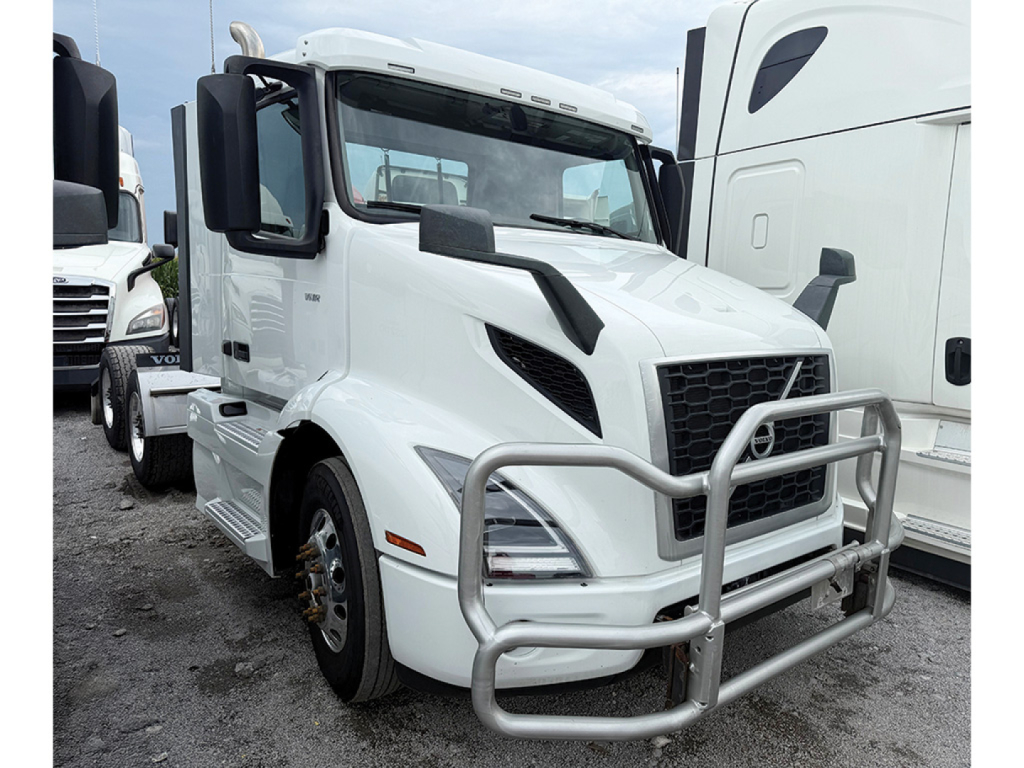
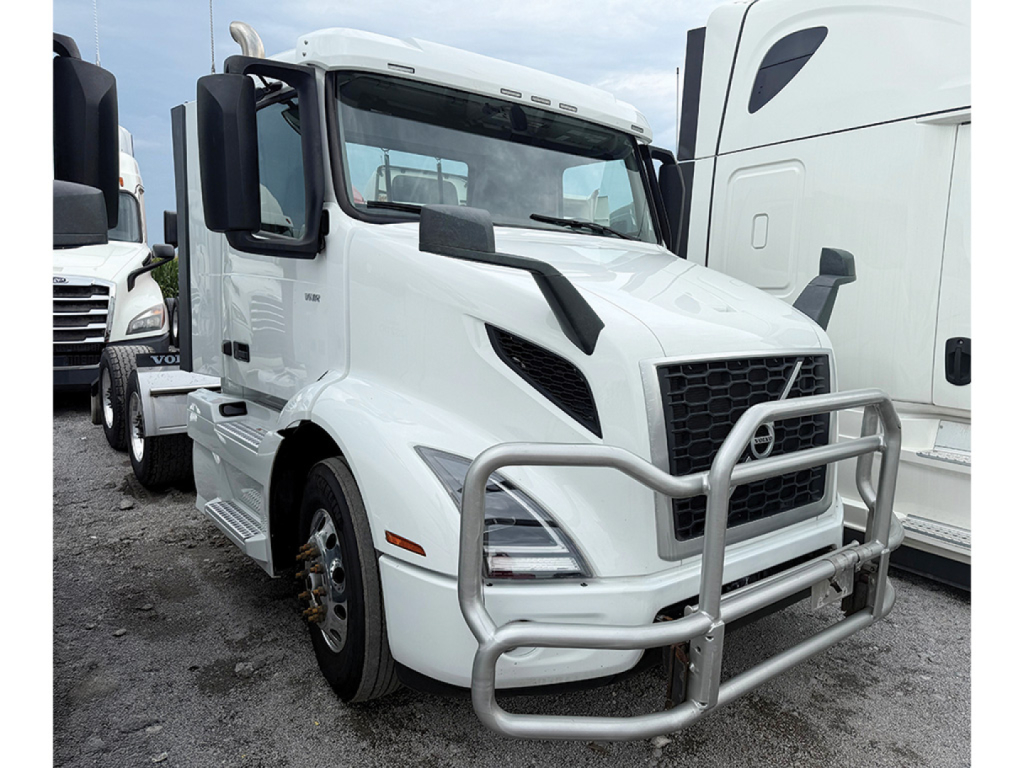
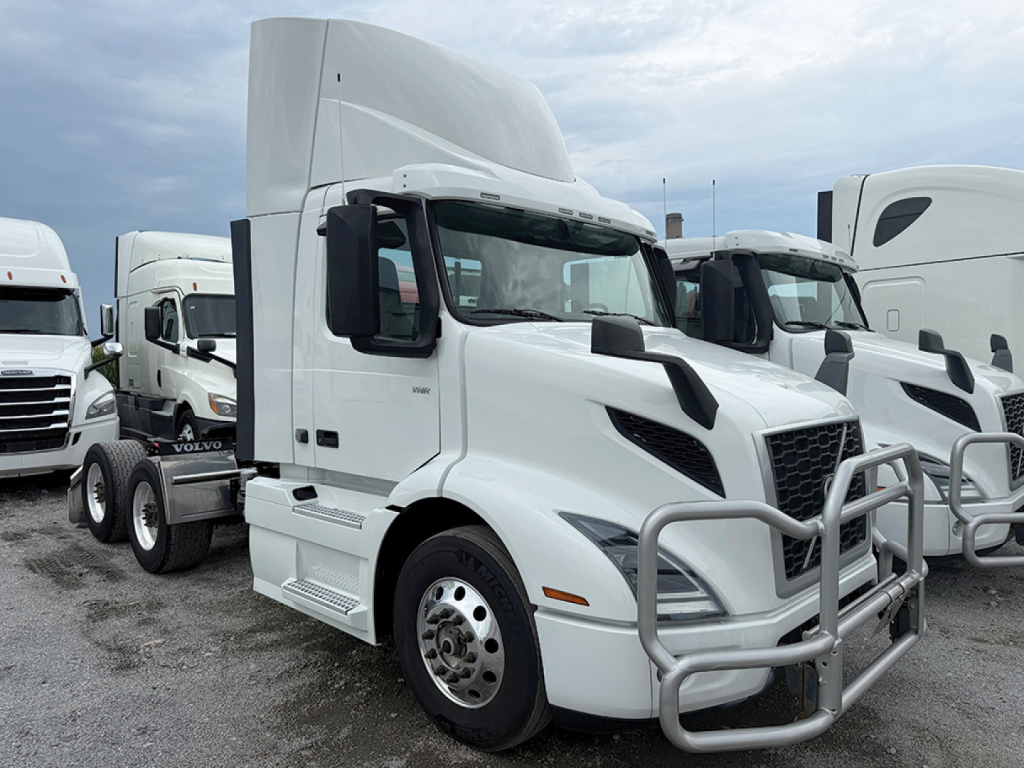
Have 2024 volvo conventional daycab truck to sell? List it here to reach thousands of buyers.
2024 Volvo Conventional Daycab Trucks in Illinois
Powertrain choice matters more than appearance in this category. Many Volvo daycab tractors are spec'd with the D13 engine in ratings that fit regional freight, often paired with the Volvo I-Shift automated manual transmission. That combination is popular because it balances fuel economy, driver acceptance, and consistent shifting in stop-and-go service. Buyers should compare horsepower and torque ratings, rear axle ratio, and transmission programming to the actual job. A truck pulling van or reefer freight on flatter Midwest routes may be geared differently than a daycab assigned to heavier payloads, frequent on-ramps, or urban distribution. In Illinois, where trucks may run a mix of interstate, suburban delivery, and terminal work, axle ratio, engine brake performance, and suspension spec can have a direct effect on operating cost and driver satisfaction.
Chassis specs deserve close attention on a conventional daycab because they determine how flexible the truck will be across different trailer types. Common decision points include wheelbase, fifth wheel type and travel, front axle capacity, rear axle rating, and whether the truck is set up with tandem axles, air ride suspension, and disc or drum brakes. A shorter wheelbase can help in crowded docks and city turns, while a longer spec may ride better and improve trailer clearance depending on kingpin settings. Tire setup also changes the truck’s mission. Some fleets prefer low-profile duals for broad serviceability, while others choose super singles to reduce weight and rolling resistance. Aluminum wheels, aerodynamic fairings, cab extenders, and streamlined mirrors can all contribute to fuel savings on regional lanes.
Cab environment and safety technology are also key buying factors on newer Volvo daycabs. Buyers typically look for air ride seats, tilt and telescoping steering, cruise control, power accessories, good HVAC performance, and a clean dash layout that keeps drivers comfortable over a full shift. On 2024 models, it also makes sense to compare available driver-assist systems, camera and visibility packages, collision mitigation features, and telematics integration for fleet management. A well-spec'd Volvo conventional daycab can serve as a versatile fleet tractor for dry van, reefer, container, tanker, or flatbed applications, provided the axle ratings, fifth wheel setup, and powertrain calibration match the work.
Frequently Asked Questions about 2024 Volvo Conventional Daycab Trucks in Illinois
What is a Volvo conventional daycab used for?
A Volvo conventional daycab is commonly used for regional hauling, local delivery, terminal-to-terminal moves, port drayage, dedicated fleet work, and short-route trailer spotting that still requires highway travel. It is a non-sleeper tractor, so it is best suited for operations where the driver returns daily or does not need overnight accommodations. Compared with a sleeper tractor, a daycab usually offers lower weight, easier maneuvering, and better suitability for urban and regional applications.
What should I look at first on a 2024 Volvo daycab?
Start with the powertrain and chassis match. Engine rating, transmission model, rear axle ratio, wheelbase, and axle capacities should fit the freight and terrain the truck will handle most often. After that, review the fifth wheel setup, suspension type, brake spec, tire configuration, and any driver-assist or telematics equipment. These items affect fuel economy, trailer compatibility, maintenance cost, and how well the truck performs in stop-and-go or highway service.
Is the Volvo I-Shift a good transmission for daycab service?
The Volvo I-Shift is widely used in daycab applications because it delivers consistent shifting, reduces driver fatigue, and can help improve fuel economy when matched to the right rear axle ratio and duty cycle. It is especially well suited for regional and urban work where trucks encounter frequent starts, traffic, and variable road speed. Buyers should still confirm that the transmission programming and engine rating are appropriate for the truck’s expected gross combination weight and operating environment.
Why does wheelbase matter on a conventional daycab?
Wheelbase affects turning radius, ride quality, trailer clearance, bridge law considerations, and how the truck handles different trailer lengths and kingpin settings. A shorter wheelbase generally improves maneuverability in tight docks, alleys, and yard environments. A longer wheelbase can improve ride and may better suit certain trailer combinations, but it can also reduce agility. The right choice depends on route density, loading dock access, and the type of trailers the tractor will pull.
Are Volvo daycabs a good fit for Illinois operations?
Volvo daycabs are often a strong fit for Illinois because many operations in the state combine interstate running with dense suburban freight movement, warehouse traffic, and terminal work around major logistics corridors. A regional daycab with the right axle ratio, brake package, and suspension can handle both road speed and frequent stop cycles efficiently. Buyers should spec for local route demands, winter drivability, and trailer mix rather than choosing only by horsepower or appearance.