
2024 Conventional Daycab Trucks For Sale in Illinois
Shop 2024 conventional daycab trucks in Illinois. Compare wheelbase, axle ratio, horsepower, transmission, and fifth wheel specs.
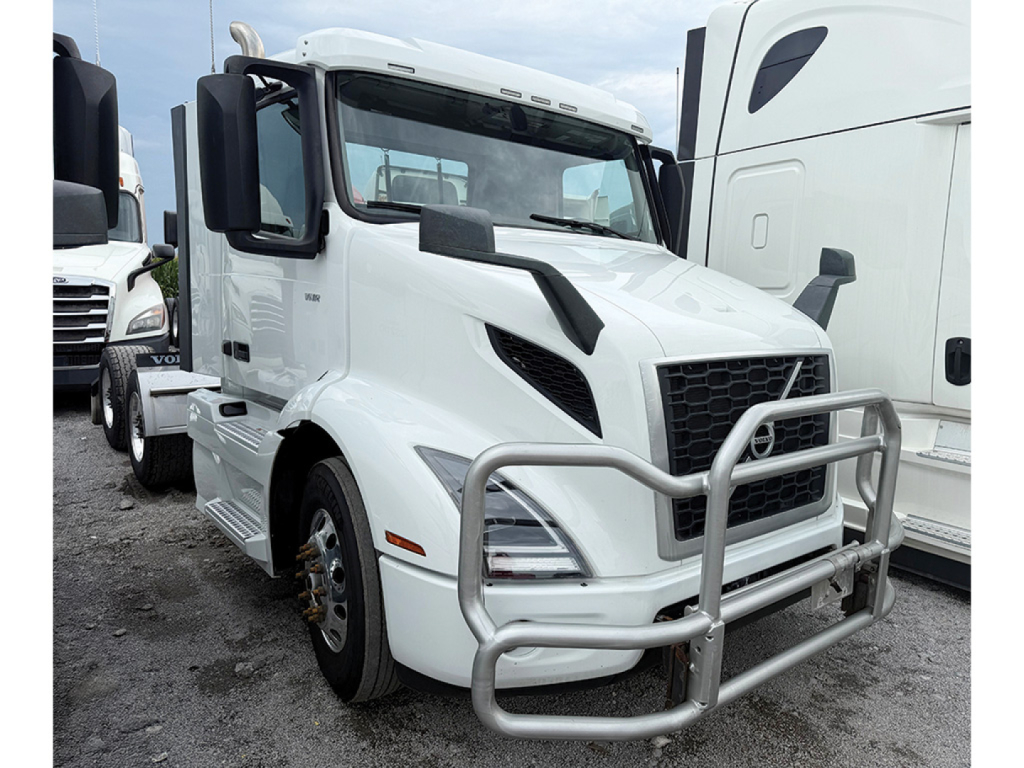
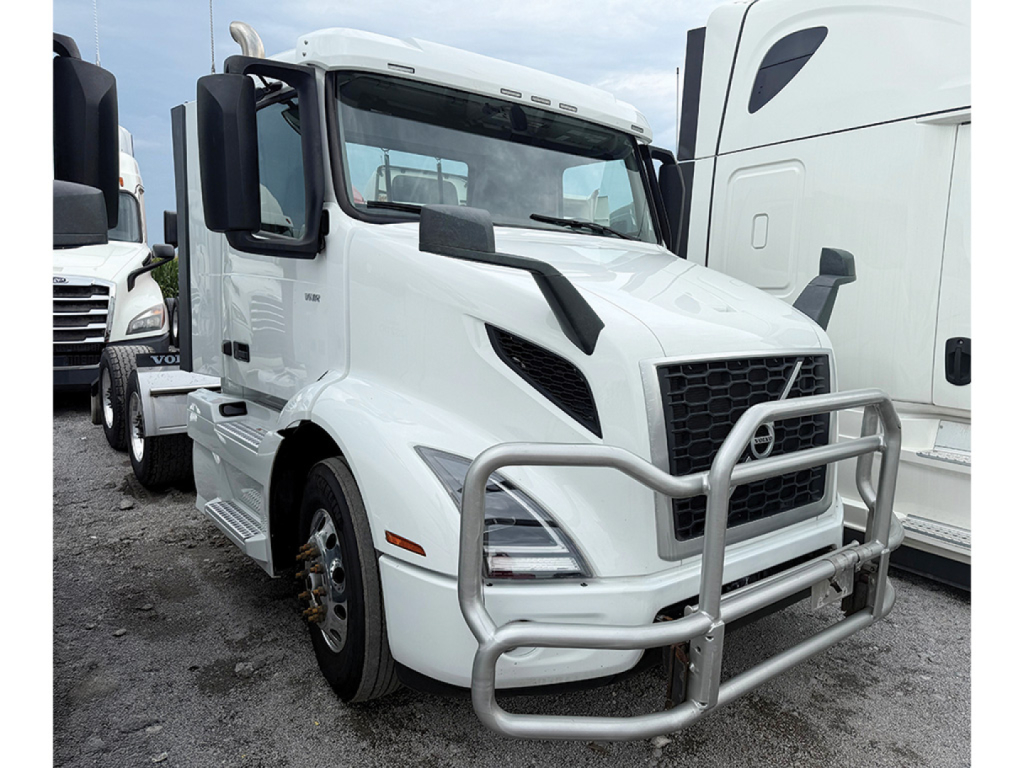
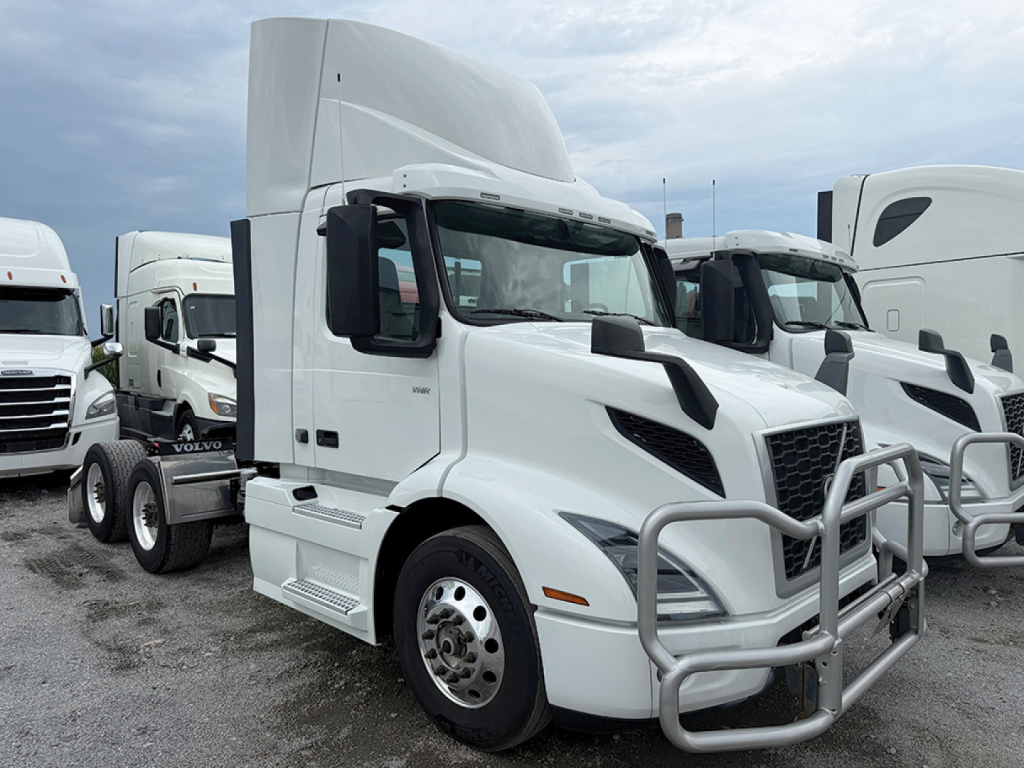
Have 2024 conventional daycab truck to sell? List it here to reach thousands of buyers.
2024 Conventional Daycab Trucks in Illinois
The most important buying decisions usually come down to wheelbase, rear axle ratio, engine rating, and transmission. Many daycabs in this class are spec'd with 400 to 455 horsepower engines, automated manual transmissions, and 40,000 lb rear axles. Shorter wheelbases in the mid-170-inch range turn better and suit city or regional work, while longer wheelbases in the 180-inch to 200-inch range can provide better ride quality and room for larger fuel capacity. Rear axle ratios such as 2.28, 2.47, 2.79, 3.08, or 3.55 change how the truck performs on startability, cruise RPM, and fuel economy. Lower numerical ratios generally favor highway efficiency, while higher ratios can better support heavier starts, stop-and-go duty, or vocational pull.
Spec details make a real difference in day-to-day use. Buyers should look closely at fifth wheel style and travel, especially if the truck will pull mixed trailer lengths or needs kingpin setting flexibility. Air ride suspension is common for ride quality and freight protection, and disc brakes are increasingly valued for stopping performance and easier maintenance access. Tire setup matters too. Low profile 22.5 rubber is common on regional tractors, while some fleets prefer super singles on the drive axle for weight savings and fuel economy. Aerodynamic equipment such as roof fairings, cab extenders, horizontal exhaust, and quarter fenders can help a daycab stay efficient on longer regional runs, while interior items like tilt-telescoping steering, cruise control, and power windows improve driver acceptance in multi-shift use.
A 2024 model year daycab also deserves attention for emissions warranty, safety technology, and service support. Buyers often compare Detroit DD15, Cummins X15, Volvo D13, and similar heavy-duty platforms based on dealer coverage, diagnostics, fuel economy history, and driver familiarity. In Illinois, where trucks may alternate between urban congestion, interstate running, and cold-weather starts, it pays to match the spec to the lane. A lightly loaded dedicated shuttle truck needs a different ratio and wheelbase than a tractor handling dense freight or frequent trailer swaps. The best conventional daycab is the one spec'd around payload, trailer set, annual miles, and the amount of time it spends backing, idling, and cycling through terminals.
Frequently Asked Questions about 2024 Conventional Daycab Trucks in Illinois
What is a conventional daycab truck used for?
A conventional daycab truck is used for regional freight, local hauling, drayage, dedicated contract carriage, LTL support, and any operation where the driver returns home or to a terminal instead of sleeping in the truck. The non-sleeper layout reduces empty weight and overall length, which helps in traffic, tight loading areas, and high-frequency stop operations.
What wheelbase is best for a 2024 conventional daycab?
The best wheelbase depends on trailer mix and route density. Shorter wheelbases usually offer better turning radius and are preferred for city delivery, yard access, and intermodal work. Longer wheelbases can improve ride quality, fuel tank space, and chassis packaging for fleets running more highway miles or specific fifth wheel placements.
How do rear axle ratios affect daycab performance?
Rear axle ratio has a direct effect on launch feel, cruising engine speed, gradeability, and fuel consumption. Ratios like 2.28 or 2.47 are often chosen for fuel-efficient highway and regional applications, while 3.08 or 3.55 may better suit heavier starts, frequent stops, or demanding vocational duty. The right choice depends on gross combination weight, transmission gearing, tire size, and average route speed.
Are automated manual transmissions common in modern daycab trucks?
Yes. Automated manual transmissions are now standard in many fleet-spec daycab tractors because they improve shift consistency, reduce driver fatigue, and can help control fuel use. Systems such as DT12, I-Shift, mDrive, and Endurant are widely used in regional and local applications, especially where multiple drivers may operate the same truck.
What should buyers compare first on a used or late-model conventional daycab?
Start with engine model, horsepower, transmission, rear axle ratio, wheelbase, suspension type, brake configuration, and fifth wheel setup. Then review maintenance records, remaining emissions warranty, tire condition, and any signs the truck was matched to a different duty cycle than the one you plan to run. A daycab that is properly spec'd for its lane will usually outperform a newer truck with the wrong gearing or chassis layout.