
Sterling Conventional Daycab Trucks For Sale
Browse Sterling conventional daycab trucks with tandem or single axle setups, diesel power, and specs suited for local, regional, and vocational hauling.
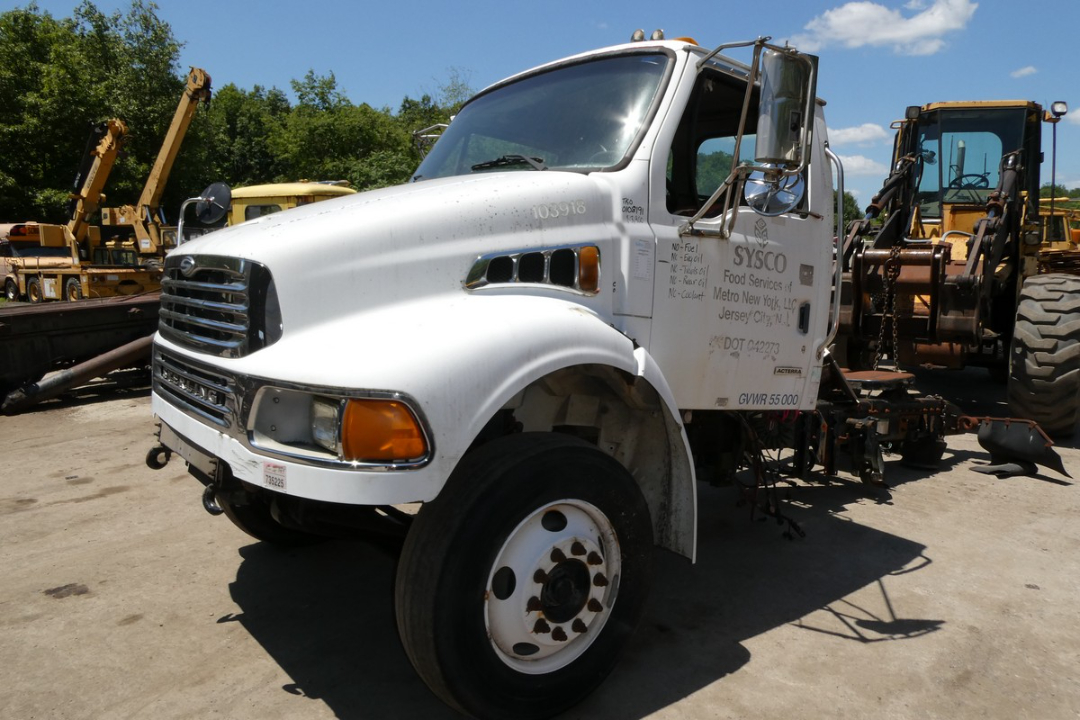
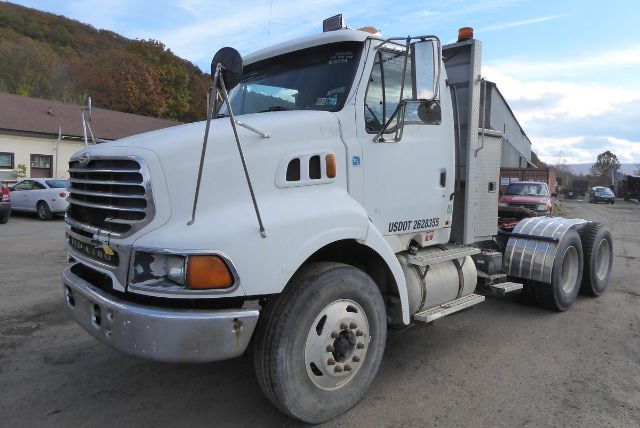

Selling a sterling conventional daycab truck? List your sterling conventional daycab truck for sale and reach thousands of commercial buyers.
Sterling Conventional Daycab Trucks
A buyer comparing Sterling daycabs should start with axle configuration, wheelbase, and drivetrain. Tandem axle 6x4 trucks such as LT9500 and AT9500 models are common for heavier trailer work and higher gross combinations, while single axle 4x2 configurations can make sense for lighter regional routes, box trailer work, or specialized PTO and hydraulic applications. Engine options often include Caterpillar, Cummins, and Mercedes-Benz power depending on year and model, paired with manual Fuller transmissions or Allison automatics in vocational specs. Rear axle ratings, suspension type, and ratio have a direct effect on launch performance, cruise RPM, and how the truck fits your route profile. A 3.90 ratio may suit mixed road speed use, while deeper ratios are more common on trucks built for stop-and-go or heavier starts.
Cab condition and chassis setup matter as much as engine brand on an older Sterling. Buyers should look closely at frame integrity, cab mounts, steering components, air system health, brake wear, and evidence of corrosion around the cowl, doors, and undercab areas. If the truck is set up as a tractor, check the fifth wheel type, slide travel, and frame drilling for prior body or hydraulic equipment. If it has PTO gear, verify the pump mounting, controls, and whether the transmission is compatible with your intended hydraulic demand. Daycab dimensions such as cab-to-axle and wheelbase are critical if the truck may be converted, matched to a specific trailer, or used where turning radius and bridge law compliance are important.
Sterling conventional daycabs remain attractive because they can fill a lot of jobs with familiar components and relatively accessible repair paths. The best unit for the money is usually the one with a documented drivetrain, the right wheelbase, and a chassis spec that matches the work instead of forcing a compromise later. For buyers focused on operating cost, tire size, suspension design, brake condition, and axle ratings deserve the same attention as horsepower and mileage. A properly spec'd Sterling daycab can still be a productive work truck for fleets, owner-operators, municipalities, and contractors who need a practical conventional tractor with no sleeper.
Frequently Asked Questions about Sterling Conventional Daycab Trucks
What are Sterling conventional daycab trucks typically used for?
Sterling conventional daycab trucks are commonly used for local and regional hauling, port work, dump and transfer service, vocational tractor applications, and short-haul trailer moves. A daycab eliminates sleeper space, which reduces empty weight and can improve maneuverability for operations that return to base daily. Many buyers also choose them for PTO and hydraulic applications because the chassis can be well suited for vocational upfits.
What should I check first on a used Sterling daycab?
Start with the drivetrain and chassis fundamentals. Confirm the engine make, transmission model, axle ratio, suspension type, wheelbase, and rear axle rating, then inspect frame condition, cab corrosion, steering play, air leaks, brake wear, and fifth wheel condition. On older Sterlings, overall maintenance history and component condition are usually more important than cosmetic appearance alone.
Are Sterling daycabs available in both tandem and single axle configurations?
Yes. Sterling conventional daycab trucks are commonly found in both tandem axle 6x4 and single axle 4x2 setups. Tandem axle trucks are better suited for heavier trailer work and higher gross weights, while single axle versions are often used in lighter regional service, city delivery tractor roles, or specialized vocational applications where a shorter wheelbase and lower operating weight are preferred.
Which engines and transmissions are common in Sterling conventional daycab trucks?
Common engine options include Caterpillar and Cummins, with some model years also carrying Mercedes-Benz diesel engines. Transmission choices often include Eaton Fuller manual gearboxes for linehaul or heavy vocational work and Allison automatic transmissions for stop-and-go operations. The right combination depends on load, terrain, driver preference, PTO needs, and expected road speed.
Why do wheelbase and axle ratio matter on a Sterling daycab?
Wheelbase affects turning radius, trailer swing clearance, bridge compliance, and whether the truck can be matched to a specific body or trailer setup. Axle ratio influences launch performance, gradeability, and engine RPM at cruising speed. A buyer choosing a Sterling daycab for urban work, heavy starts, or PTO service may want a different wheelbase and ratio than a buyer focused on regional highway miles.