
Conventional Day Cab Trucks For Sale in Pennsylvania
Conventional day cab trucks for sale in Pennsylvania: compare axle layouts, hill-climbing gearing, salt corrosion, and new or used inspection priorities.
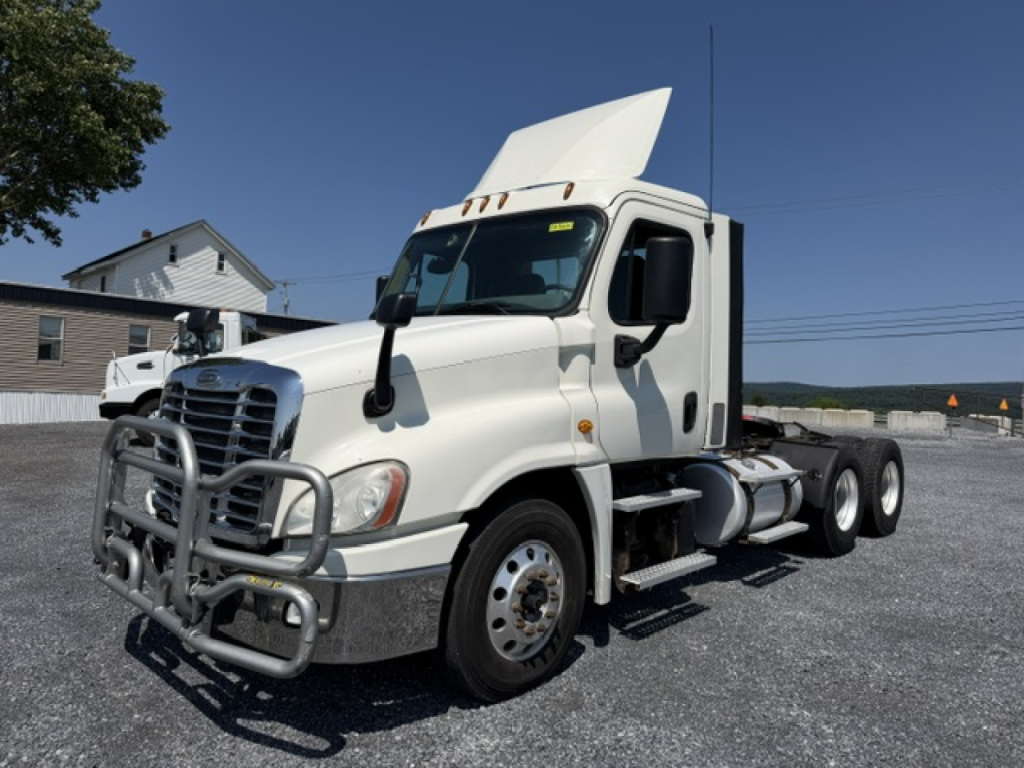
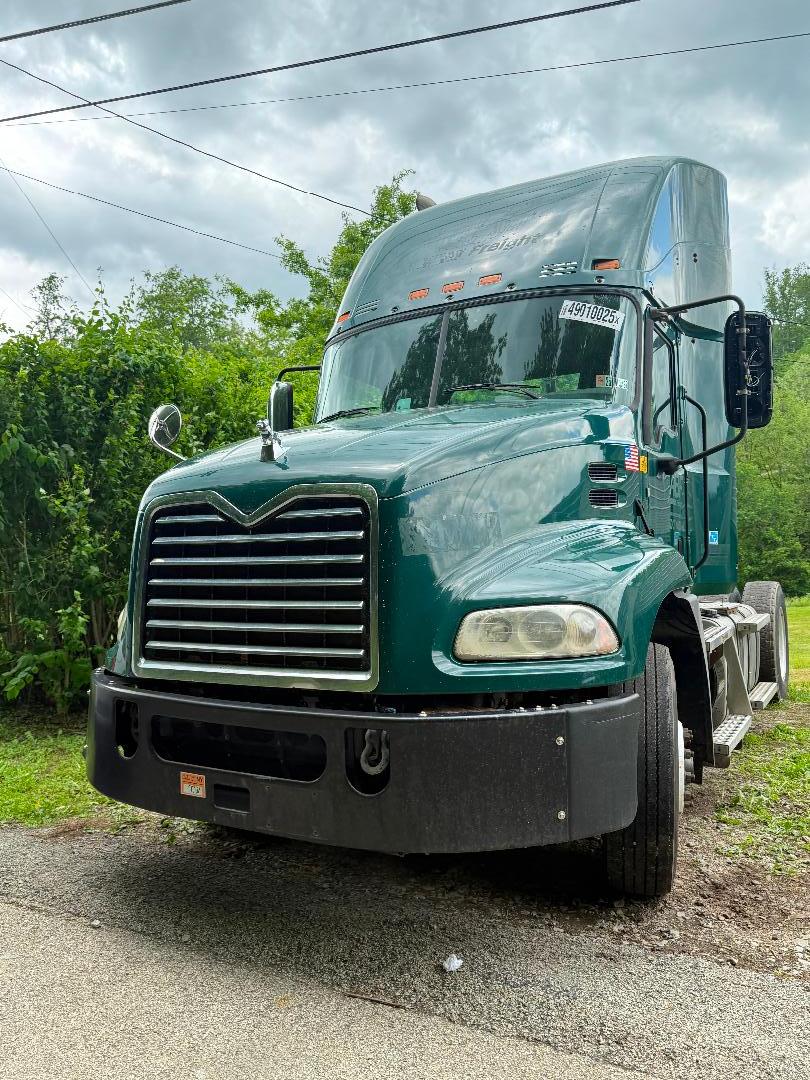
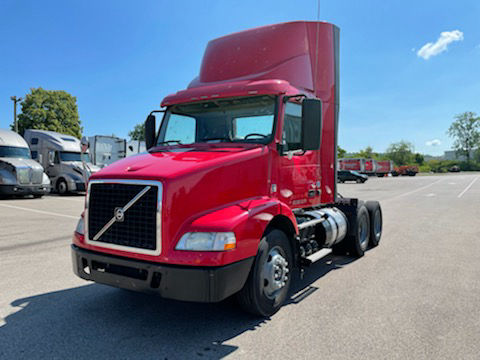
Selling a conventional day cab truck? List your conventional day cab truck for sale and reach thousands of commercial buyers.
Conventional Day Cab Trucks in Pennsylvania
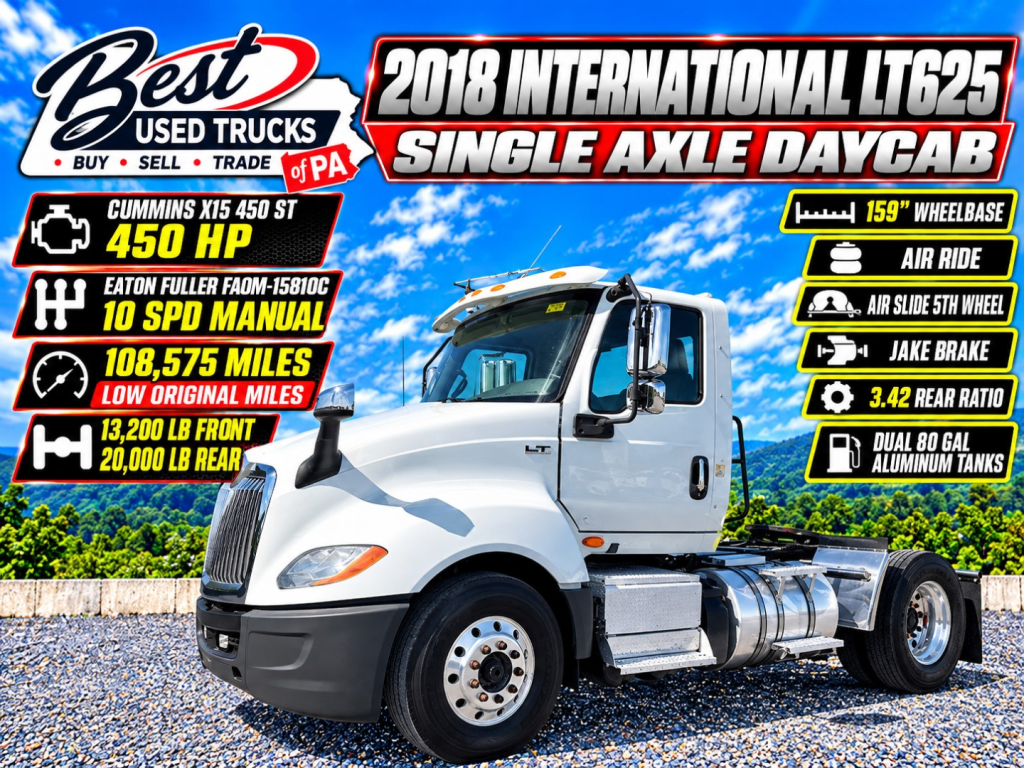
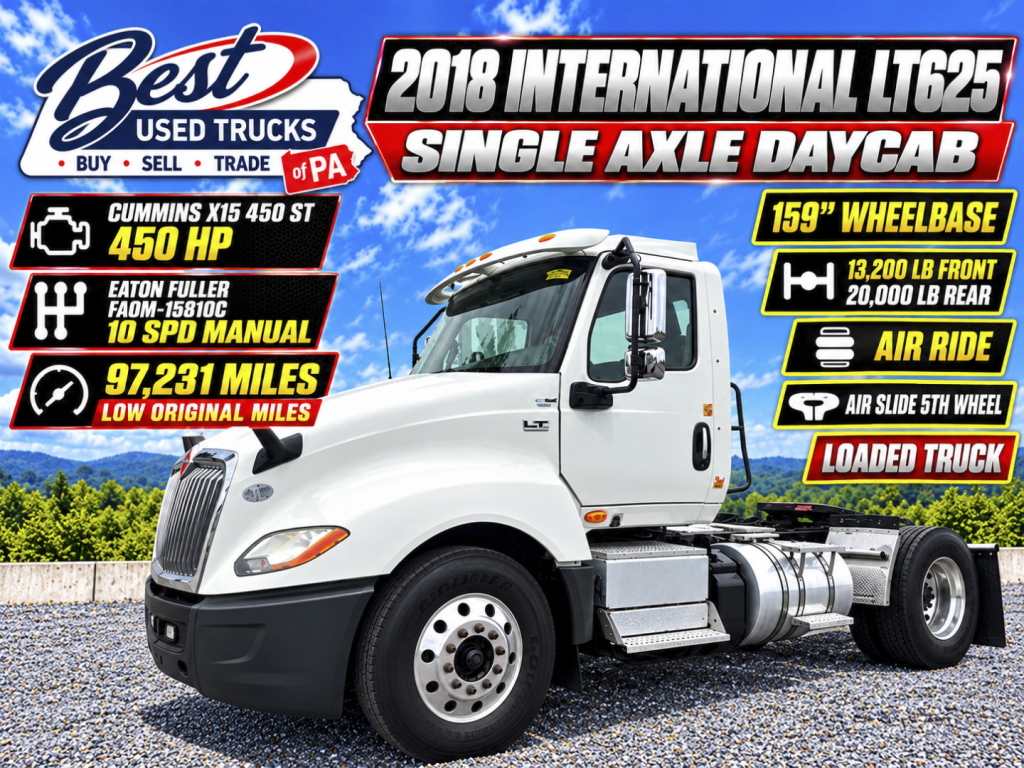
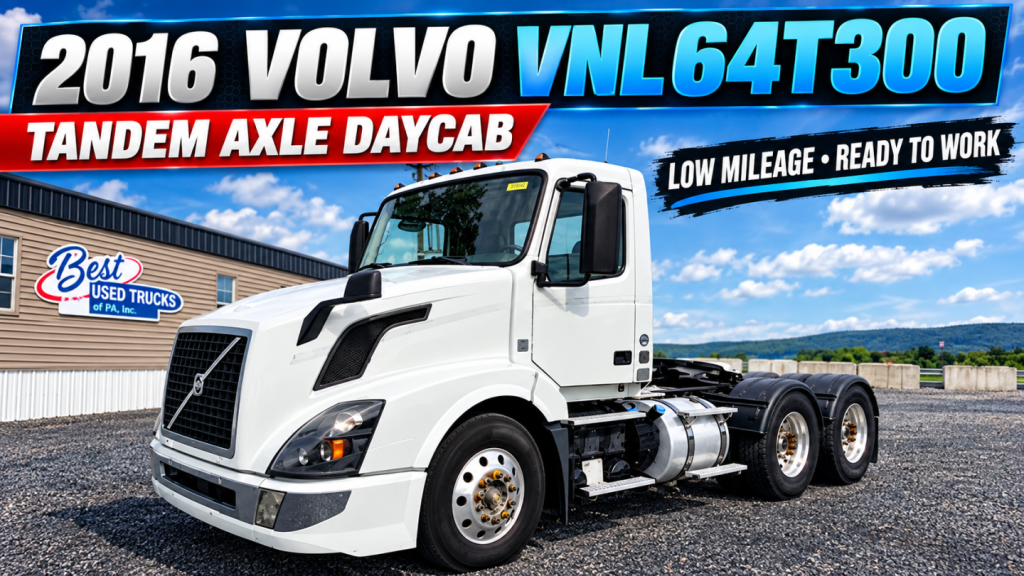
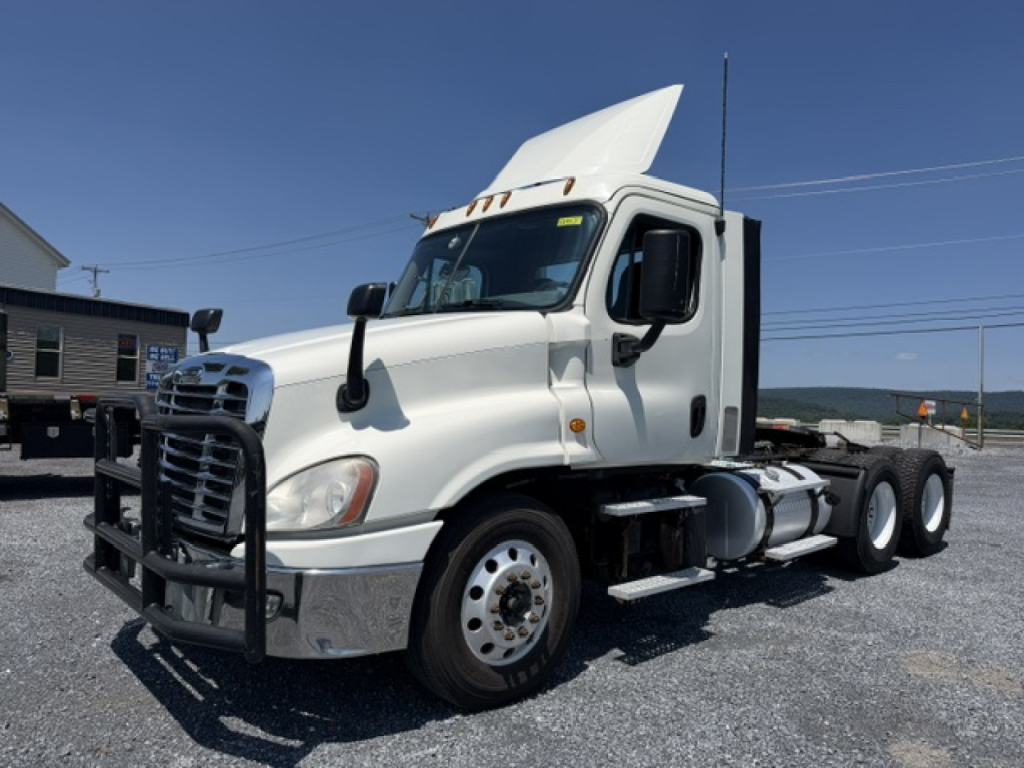
Across makes, common pairings include Freightliner Cascadia with Detroit DD13, International LT with Cummins X15, and Volvo VNL with Volvo D13. Manual and automated transmissions both warrant a loaded road test, with attention to clutch engagement, shifts, and engine-brake operation. Specify gearing for loaded starts on grades without excessive cruise rpm.
Pennsylvania road salt makes frame rails, crossmembers, air tanks, battery boxes, brake plumbing, and fifth-wheel mounts priority inspection points on used tractors. Compare ECM mileage, engine hours, idle time, fault history, and maintenance records; local work can produce substantial wear without high odometer readings. Many 2007-era and newer diesels use DPF systems, while many 2010-era and newer engines add SCR and DEF, so verify the engine's emissions configuration and service history rather than relying on truck model year. Inspect DPF cleaning documentation and investigate repeated parked regenerations or derates. For new tractors, specify corrosion protection and cold-weather equipment, confirm engine and aftertreatment warranty terms, and account for the 12% federal excise tax on qualifying heavy trucks.
Frequently Asked Questions about Conventional Day Cab Trucks in Pennsylvania
What weight can a day cab and trailer legally haul in Pennsylvania?
An ordinary five-axle day cab tractor-semitrailer is generally limited to 80,000 pounds gross on Pennsylvania Interstate highways, subject to axle limits and the federal bridge formula. Standard Interstate limits are 20,000 pounds on a single axle and 34,000 pounds on a tandem group. Payload is the permitted gross weight minus the tractor, trailer, fuel, driver, and equipment weight. Posted bridges, non-Interstate roads, registration, and equipment ratings can impose lower limits.
Do I need a Class A CDL to drive a day cab tractor in Pennsylvania?
A Class A CDL is normally required for a day cab tractor-trailer combination rated or weighing 26,001 pounds or more when the towed vehicle exceeds 10,000 pounds. Applicable weight ratings and actual weights matter, not the tractor's GVWR alone. Most highway day cab combinations fall into this class. A CDL with an air-brake restriction is not sufficient for an air-braked tractor. Farm and other exemptions require separate review.
Can I use a day cab tractor with a dump trailer or walking-floor trailer?
A day cab tractor can pull a dump or walking-floor trailer with a correctly matched PTO-driven hydraulic wet kit. Confirm pump flow, operating pressure, reservoir capacity, controls, and couplers against the trailer manufacturer's requirements. Dump and walking-floor trailers may require different hydraulic circuits. Check transmission PTO compatibility before choosing the tractor, and include the hydraulic system's weight when calculating payload.
Is a 6x2 or 6x4 day cab better for Pennsylvania winter work?
A 6x4 day cab drives both rear axles and is usually the stronger traction choice for snowy grades, unpaved yards, and frequent heavy starts in Pennsylvania. A 6x2 has two rear axles but normally drives only one, which can reduce weight and driveline losses. Verify driven-axle arrangement, differential locks, and any load-transfer controls rather than trusting a tandem designation. Tires and driver technique remain critical to winter traction.