
2018 Conventional Daycab Trucks For Sale in Pennsylvania
Browse 2018 conventional daycab trucks in Pennsylvania. Compare specs, wheelbase, axle ratings, engines, transmissions, and regional fleet fit.
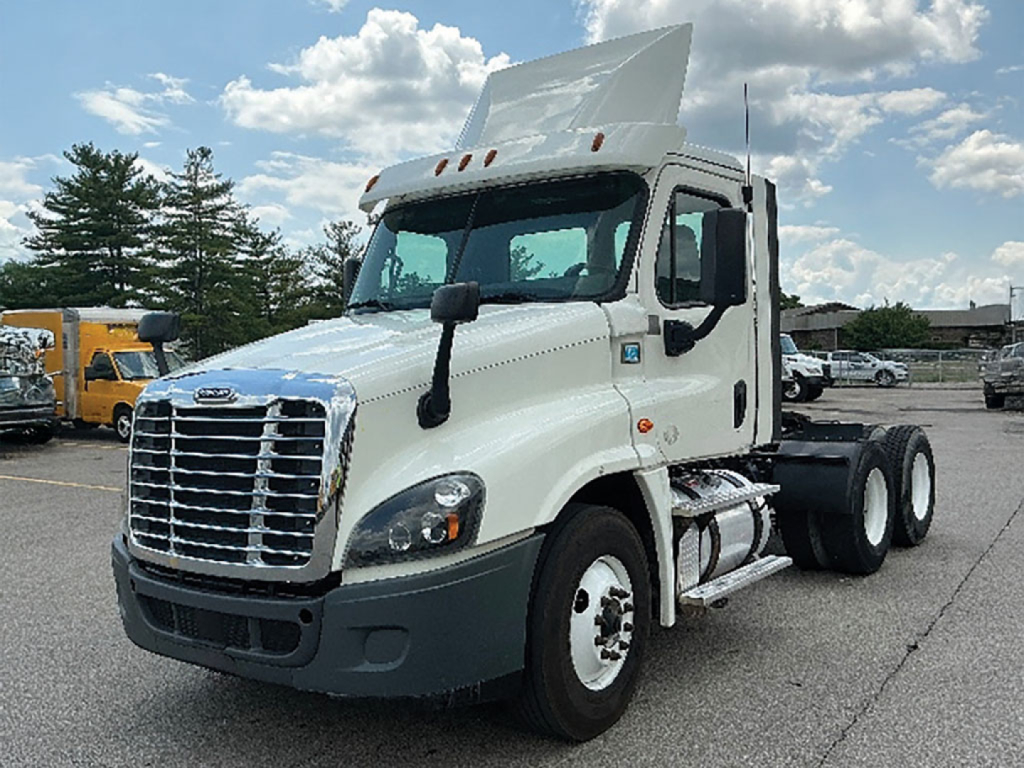
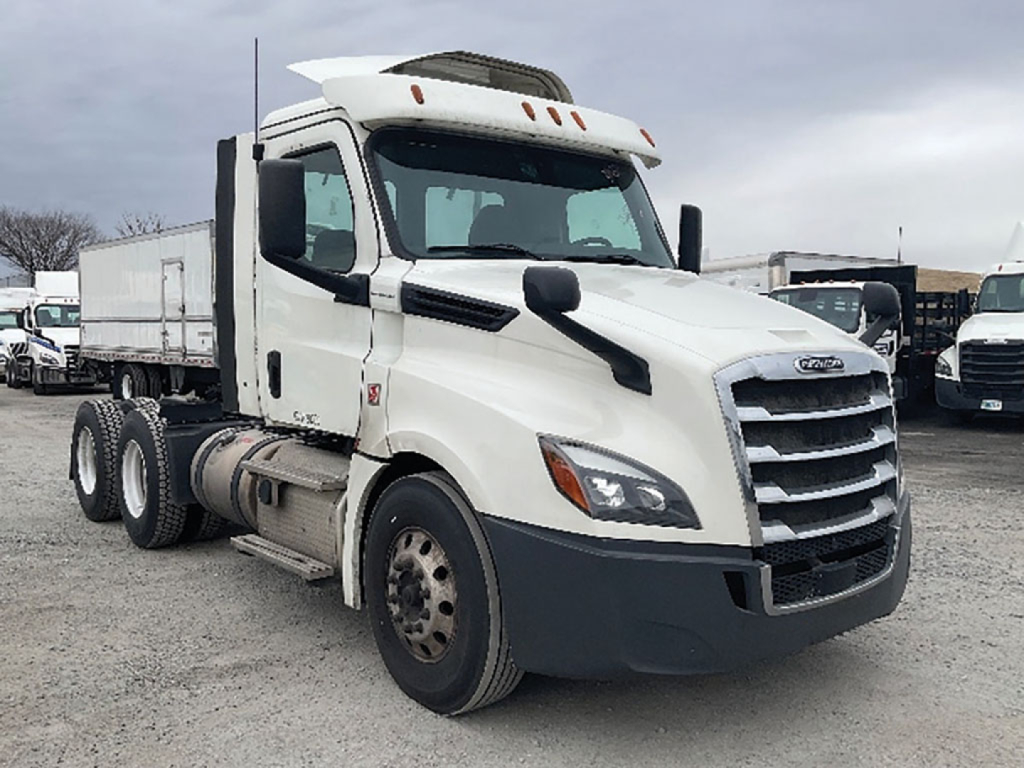
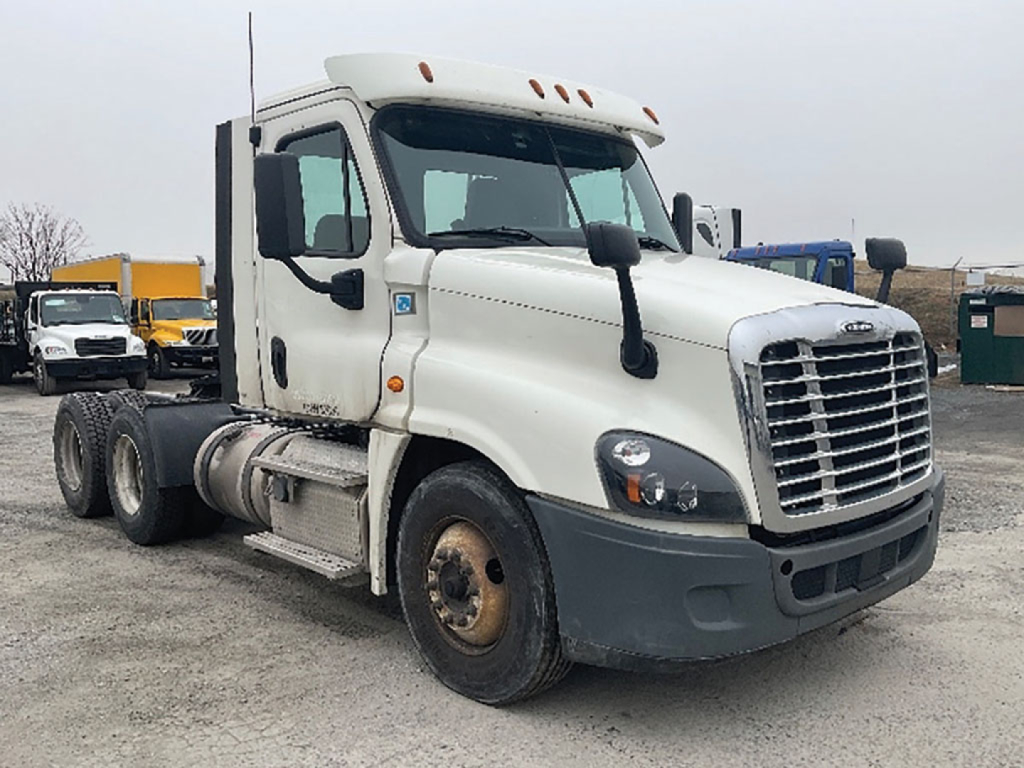
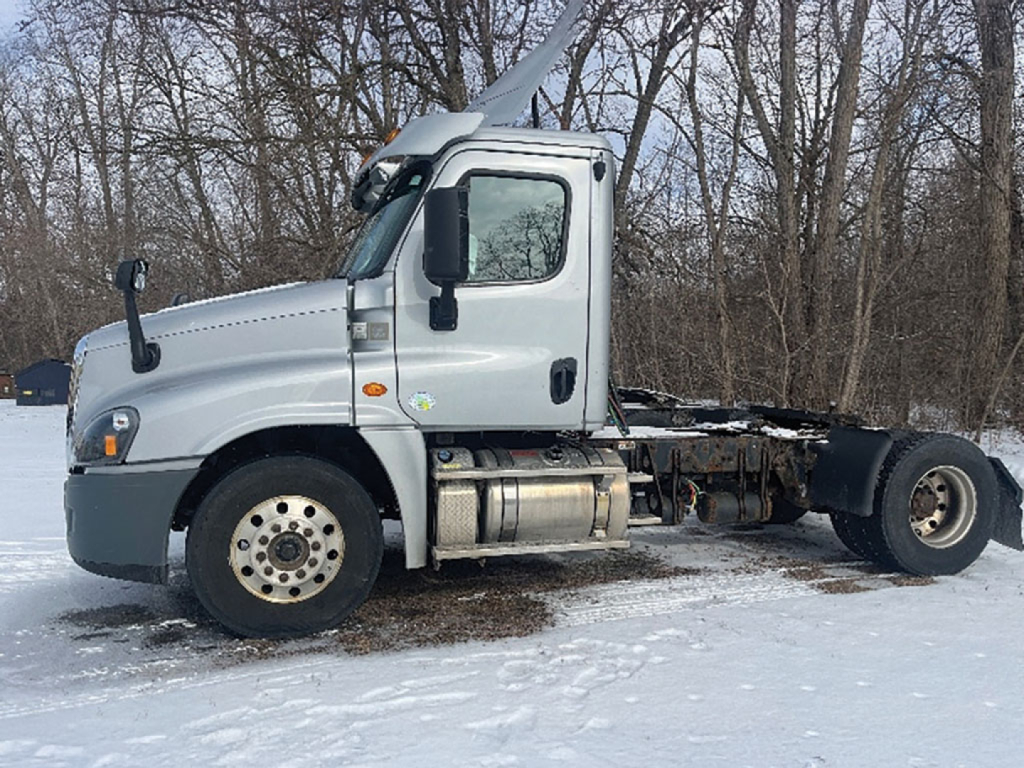
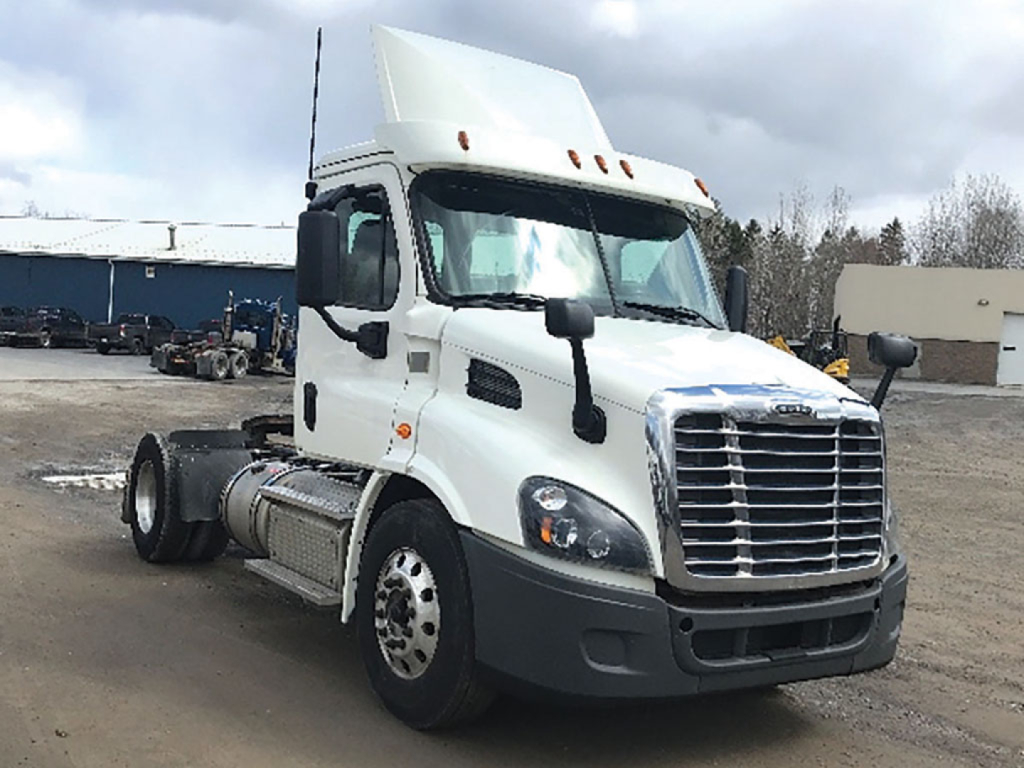
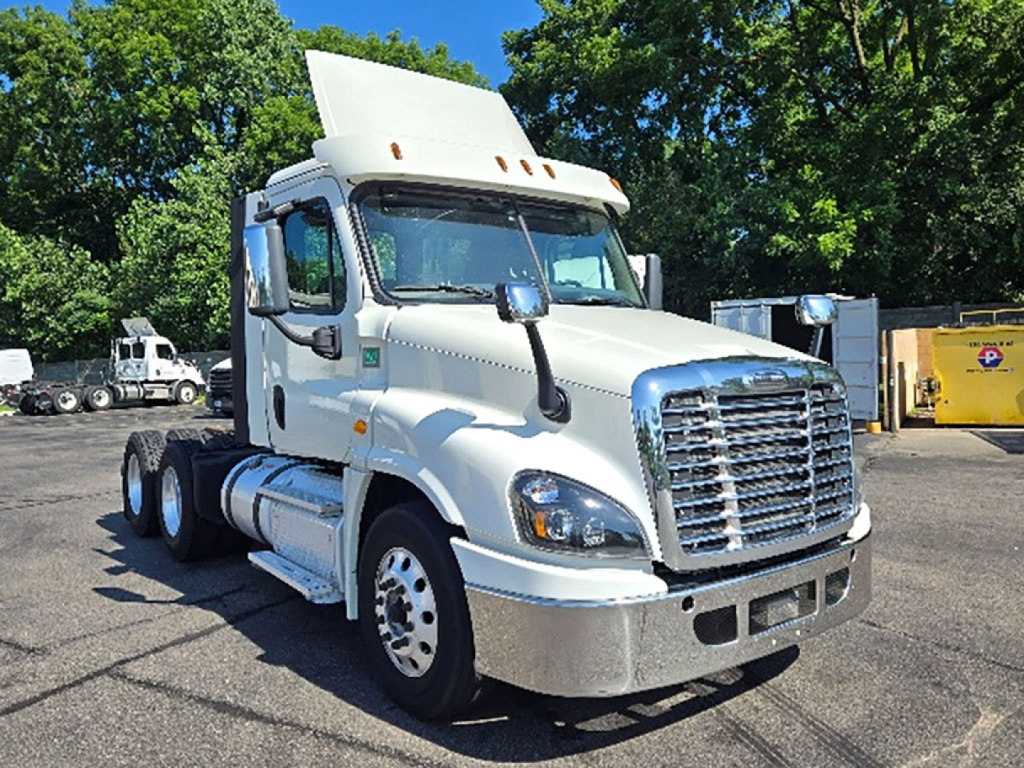
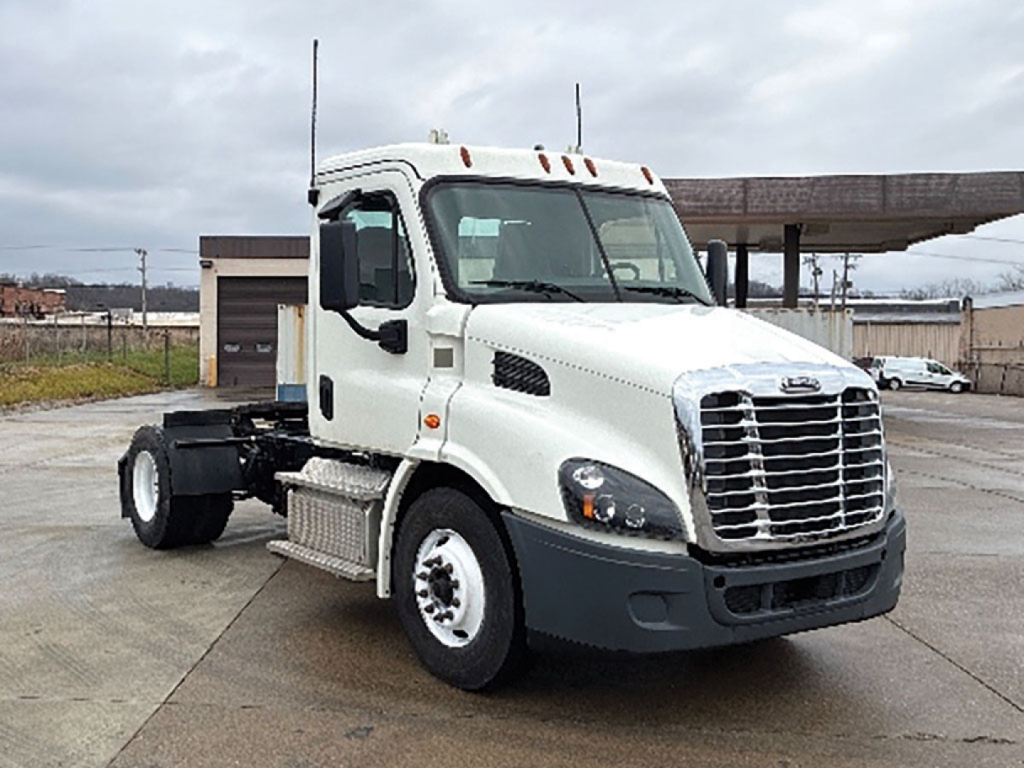
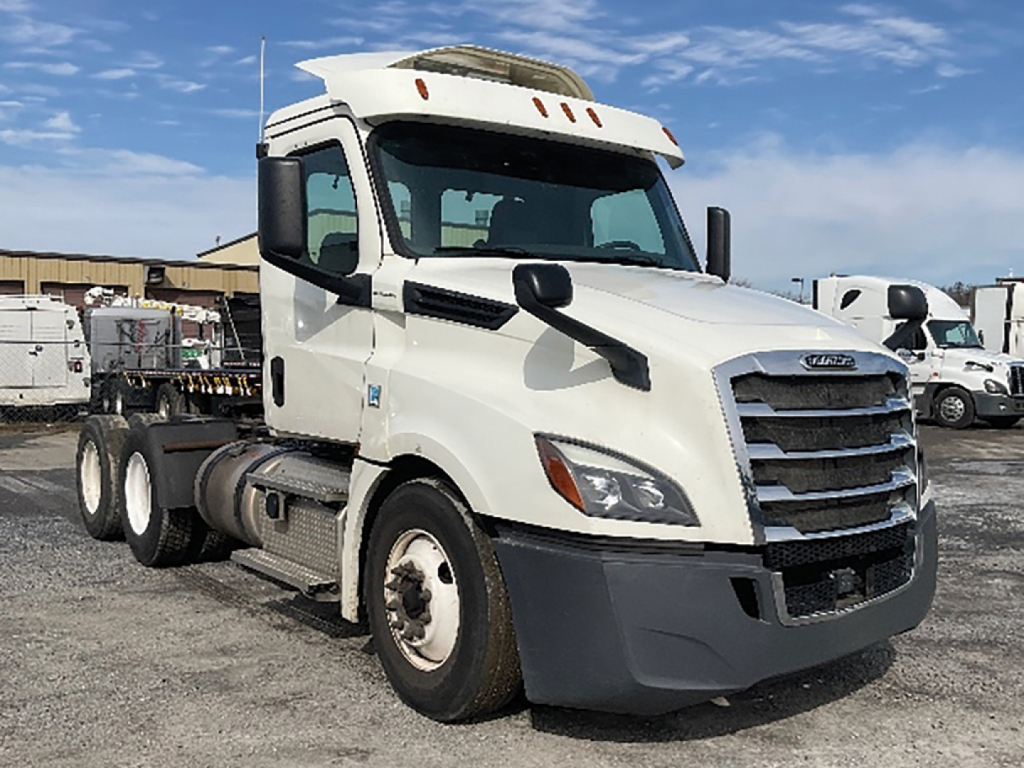
Have 2018 conventional daycab truck to sell? List it here to reach thousands of buyers.
2018 Conventional Daycab Trucks in Pennsylvania
The 2018 model year is also a key point for emissions and drivetrain considerations. Many conventional daycab trucks from this period are powered by engines such as the Detroit DD13, Volvo D13, PACCAR MX-13, Cummins X15, or similar heavy-duty platforms, often rated in the 400 to 475 horsepower range for general freight and regional pulling. Automated manual transmissions are very common in 2018 units, including Detroit DT12, Volvo I-Shift, and Eaton Fuller automated options, though some fleets still prefer manual gearboxes for driver familiarity or vocational crossover use. Buyers comparing listings should look closely at engine brake spec, rear ratio, and transmission programming, because those details affect startability, fuel economy, and how the truck performs in stop-and-go freight lanes or hilly parts of Pennsylvania.
Cab layout and chassis details matter more in a daycab than many buyers expect. A shorter wheelbase can improve maneuverability in urban terminals and older industrial sites, while a longer wheelbase can help ride quality and trailer clearance depending on fifth wheel placement and kingpin settings. Heated mirrors, power windows, air slide fifth wheels, lane alert systems, and traction control are all common value points on newer daycabs, especially for fleets running year-round in wet or icy conditions. Tire size, fifth wheel height, and suspension setup should also be matched to the trailers you plan to pull so landing gear clearance, deck height, and coupling geometry stay correct.
For used 2018 conventional daycab trucks, the smart buying process goes beyond the odometer. Maintenance history, aftertreatment service records, idle hours, clutch life on automated transmissions, and suspension condition are often more important than model year alone. In Pennsylvania, corrosion exposure should be checked carefully on frame rails, crossmembers, cab mounts, air tanks, wiring, and brake components, especially on trucks that have spent winters on treated roads. A good 2018 daycab can still offer a strong balance of emissions-era refinement, driver comfort, and operating efficiency, particularly for fleets that want modern aerodynamics and safety features without moving into newer-price territory.
Frequently Asked Questions about 2018 Conventional Daycab Trucks in Pennsylvania
What is a conventional daycab truck used for?
A conventional daycab truck is built for hauling freight without a sleeper compartment, which makes it well suited for local, regional, drayage, dedicated route, and terminal-to-terminal work. The shorter cab design reduces weight and usually improves maneuverability compared with a sleeper tractor. In Pennsylvania, these trucks are commonly used in distribution, intermodal, manufacturing support, and short-haul freight lanes where drivers return home daily.
What specs matter most when buying a 2018 conventional daycab?
The most important specs are engine rating, transmission type, axle ratings, wheelbase, rear ratio, suspension, and fifth wheel setup. Those items determine legal payload capability, trailer compatibility, ride quality, and how the truck performs in hills, traffic, and tight yards. Buyers should also review engine brake strength, tire size, and any features such as differential lock, suspension dump, and traction control, since they directly affect drivability and jobsite or weather performance.
Are automated transmissions common in 2018 daycab trucks?
Yes. Automated manual transmissions became very common in 2018 conventional daycab tractors, especially in fleet-spec highway and regional units. Systems like Detroit DT12, Volvo I-Shift, and Eaton automated transmissions were widely used because they help with fuel economy, driver consistency, and reduced clutch wear from inexperienced operators. Buyers should still confirm software calibration, service history, and clutch condition because shift quality and long-term durability depend heavily on maintenance and application.
What should Pennsylvania buyers inspect on a used daycab truck?
Pennsylvania buyers should pay close attention to rust and corrosion, especially on the frame, crossmembers, suspension components, fuel tank straps, battery boxes, brake hardware, and electrical connections. Road salt exposure can accelerate wear in those areas even when the truck looks clean at first glance. It is also smart to review DOT inspection history, ECM data, fault codes, emissions system repairs, and signs of uneven tire wear that may point to alignment, suspension, or axle issues.
How do wheelbase and fifth wheel position affect a daycab tractor?
Wheelbase and fifth wheel position have a major effect on turning radius, weight distribution, trailer swing clearance, and bridge law performance. A shorter wheelbase usually helps in tight terminals and city work, while a longer setup can improve ride and stability depending on the trailers being pulled. Fifth wheel travel and kingpin placement should be matched carefully so the tractor can carry legal axle weights without compromising cab-to-trailer clearance or overall handling.