
2021 Conventional Daycab Trucks For Sale in Pennsylvania
Shop 2021 conventional daycab trucks in Pennsylvania. Compare engines, wheelbases, axle ratings, transmissions, and spec choices for local haul work.
Learn more
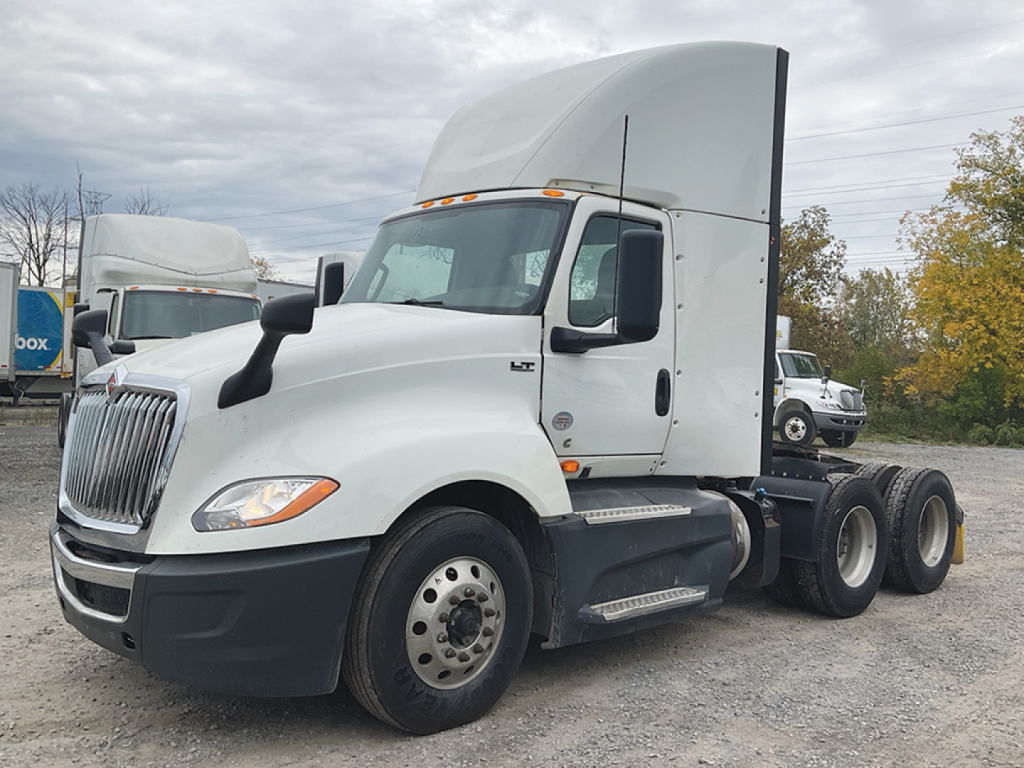
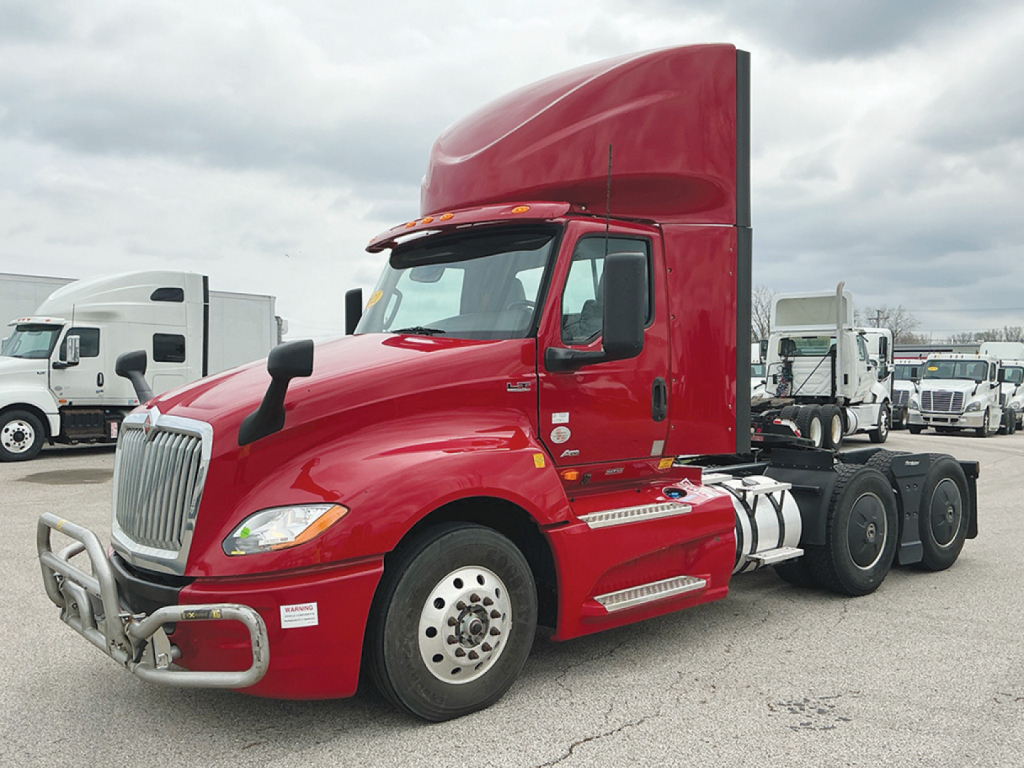
Have 2021 conventional daycab truck to sell? List it here to reach thousands of buyers.
About 2021 Conventional Daycab Trucks in Pennsylvania
The most important buying decision is the spec package, not just the badge on the hood. In this class, common 2021 setups include Detroit DD13 and DD15, Cummins X15, and Navistar A26 engines, usually paired with automated manual transmissions or 10-speed and 13-speed manuals. Horsepower often falls in the 400 to 500 HP range, with rear axle ratios such as 2.64, 2.85, 3.08, 3.25, 3.42, or 3.55 depending on intended use. A lower numerical ratio favors fuel economy on highway lanes, while a deeper ratio helps startability and performance in heavier vocational or short-haul applications. Wheelbase is another key number. Many daycabs land in the 170 to 190 inch range, which affects turning radius, trailer gap, bridge law flexibility, and how the fifth wheel can be positioned for different trailer lengths and kingpin settings.
Buyers should also look closely at axle and suspension configuration. Single-axle daycabs can make sense for lighter regional hauling and cost-conscious fleets, while tandem axle trucks with 40,000 lb rears are more common for general freight and heavier gross weights. Air ride suspension remains the preferred setup for ride quality and trailer protection, and disc brakes are increasingly common on later-model trucks because they improve stopping consistency and serviceability. Practical daycab features include air slide fifth wheels, engine brakes, aluminum fuel tanks, collision mitigation systems, power windows, and steerable interior controls that reduce driver fatigue on multi-stop routes. If the truck will handle intermodal, tanker, flatbed, or short regional van freight, match the fifth wheel height, frame layout, and fuel capacity to the trailers and lane lengths actually being run.
A 2021 model year usually appeals to buyers looking for newer emissions hardware, updated safety technology, and a more modern driver environment without stepping into brand-new pricing. The best value comes from matching the truck to the job: engine size to gross weight, axle ratio to average speed, and wheelbase to the trailer mix. For operations in Pennsylvania, it also pays to consider corrosion exposure, brake condition, tire wear patterns, and suspension health because winter road treatment and stop-and-go freight can accelerate wear. A well-spec'd conventional daycab should deliver strong uptime, easier driver entry and exit, and lower operating waste for fleets that live in the regional and local side of Class 8 trucking.
Frequently Asked Questions
What is a conventional daycab truck used for?
A conventional daycab truck is primarily used for local and regional hauling where the driver returns home daily and does not need a sleeper. Common applications include dry van freight, container drayage, flatbed work, tanker service, dedicated route operations, and terminal-to-terminal moves. The shorter cab and wheelbase make it easier to maneuver in tight yards, city streets, and crowded docks than many sleeper tractors.
What engine and transmission specs are common in a 2021 conventional daycab?
Many 2021 conventional daycabs were spec'd with engines in the 400 to 500 horsepower range, including options such as the Detroit DD13, Detroit DD15, Cummins X15, and Navistar A26. Transmissions commonly include automated manuals like the DT12 and Eaton Endurant, along with 10-speed or 13-speed manual gearboxes. The right combination depends on gross weight, terrain, average trip length, and driver preference. Regional fleets often favor automated manuals for fuel economy and consistency, while some specialty or heavy applications still prefer manuals.
How do I choose the right axle ratio for a daycab truck?
Axle ratio should match the truck's average load and road speed. Ratios like 2.64, 2.85, or 3.08 are often selected for fuel-efficient highway and regional work where the truck spends more time cruising. Ratios like 3.25, 3.42, or 3.55 are better suited to heavier loads, frequent starts and stops, hill country, or applications that need stronger launch performance. A mismatch between axle ratio and duty cycle can hurt fuel economy, drivability, and clutch or driveline life.
Is a single-axle or tandem-axle daycab better?
Neither is universally better. A single-axle daycab is lighter, simpler, and often less expensive to operate, which can make sense for lighter freight and certain regional applications. A tandem-axle daycab is the more common choice for general Class 8 work because it supports higher gross combination weights, handles trailer variety better, and usually offers broader resale appeal. Buyers should choose based on legal weight requirements, trailer type, and the freight they expect to haul most often.
What should buyers inspect on a used 2021 daycab in Pennsylvania?
Buyers in Pennsylvania should pay close attention to frame condition, corrosion on undercarriage components, brake wear, suspension bushings, airbags, and wheel-end condition because winter road treatment can be hard on equipment. It is also smart to review aftertreatment service history, engine hours versus miles, tire wear patterns, and fault code history. On a daycab, the fifth wheel, rear suspension, and driveline condition are especially important because these trucks often see frequent coupling, stop-and-go operation, and high-duty regional use.