
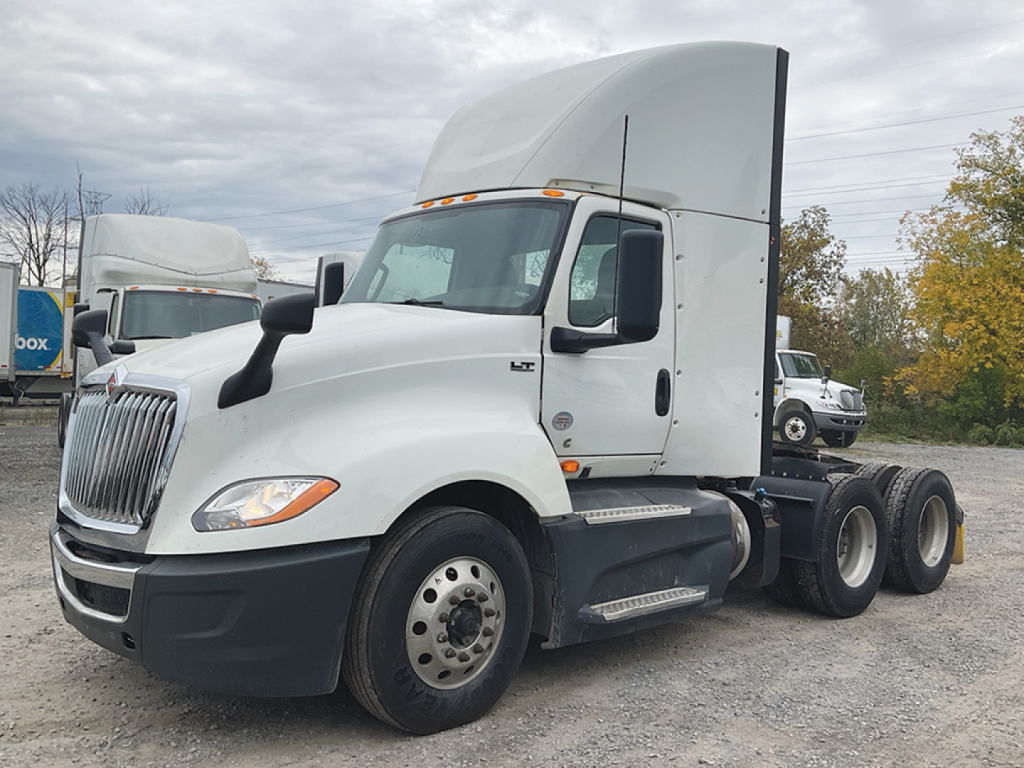
2021 International Conventional Daycab Trucks For Sale in Pennsylvania
Shop 2021 International conventional daycab trucks in Pennsylvania. Compare LT and RH specs, engines, wheelbases, axle ratings, and fleet-ready features.
Learn more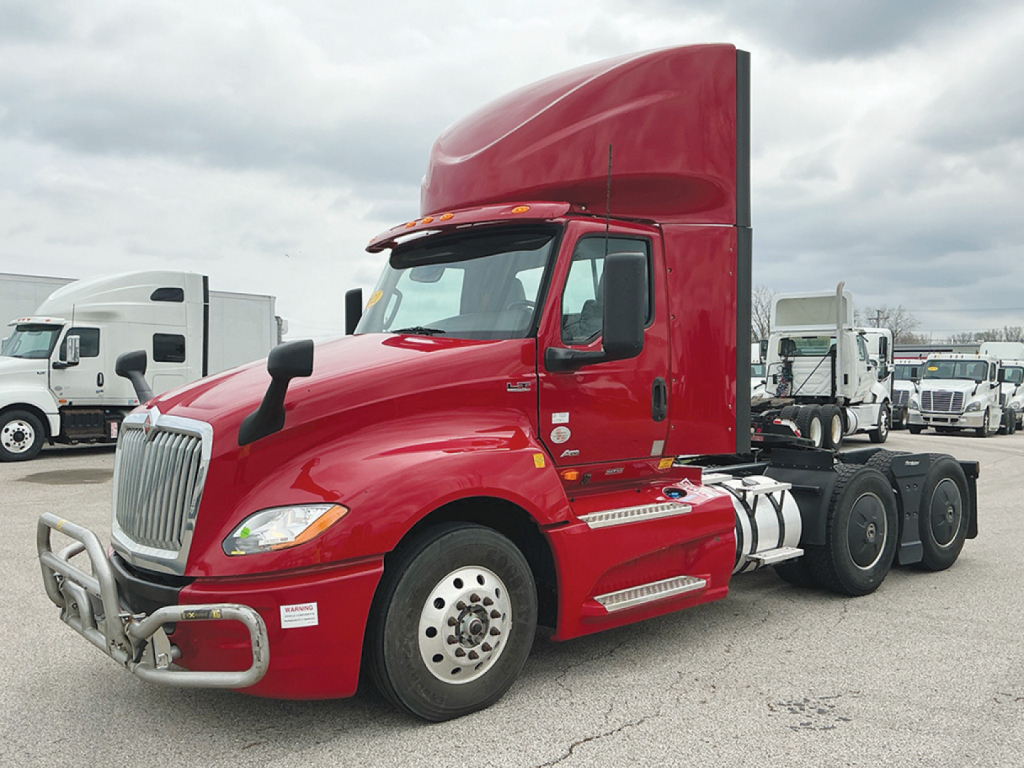

Have 2021 international conventional daycab truck to sell? List it here to reach thousands of buyers.
About 2021 International Conventional Daycab Trucks in Pennsylvania
Common engine configurations on International daycabs in this era include the International A26 and the Cummins X15, often paired with automated manual transmissions. The A26 is popular with fleets looking for fuel efficiency and lower overall weight, while the X15 remains a strong option for heavier gross weights and more demanding pulling requirements. Horsepower in this class commonly falls in the 400 to 430 HP range, with engine brakes, air ride suspension, and 10-speed or similar automated transmissions showing up frequently. Buyers should match the rear axle ratio to the duty cycle. A 2.79 ratio generally favors fuel economy on faster regional lanes, while a 3.25 ratio can be a better fit for mixed terrain, frequent starts, or heavier trailer loads.
Cab and chassis details matter more on a daycab than many buyers expect. Wheelbases in the mid-160-inch to high-170-inch range are common, and that difference affects trailer gap, weight distribution, and turning radius. Air slide or adjustable fifth wheels add flexibility if the truck may pull multiple trailer lengths or different kingpin settings. Disc brakes, 22.5 rubber, aluminum fuel tanks, collision mitigation systems, power windows, and tilt-telescoping steering columns are all features that can improve safety, uptime, and driver acceptance. In Pennsylvania, corrosion exposure is also worth noting, so frame condition, suspension components, brake hardware, and wiring deserve close attention on any used daycab.
A good 2021 International conventional daycab should be evaluated as a working specification, not just by mileage or appearance. Check for maintenance records, aftertreatment service history, transmission calibration updates, tire wear patterns, and signs of prior alignment or suspension issues. For fleets and owner-operators comparing multiple listings, the most valuable truck is usually the one whose axle rating, wheelbase, gearing, and engine package already match the intended route and trailer mix. That is especially true for regional operations that need a balance of fuel economy, maneuverability, and dependable uptime.
Frequently Asked Questions
What engines are most common in a 2021 International conventional daycab?
The most common engines in a 2021 International conventional daycab are the International A26 and the Cummins X15, depending on model and original fleet specification. The A26 is often selected for regional applications where fuel economy and lighter chassis weight are priorities. The X15 is more common in heavier-duty specs where stronger pulling power and broader service familiarity are important. Buyers should review horsepower, torque rating, emissions service history, and the truck’s intended gross combination weight before deciding which engine is the better fit.
Is an International LT or RH better for daycab work?
The answer depends on the application. The International LT is commonly spec'd as a highway-oriented tractor and is a strong fit for regional freight, drop-and-hook work, and dedicated lanes. The RH is often favored for vocational-adjacent or urban-regional use where maneuverability, visibility, and shorter wheelbase options matter. Both can be configured as daycabs, so the better choice comes down to axle setup, wheelbase, engine, and how much time the truck will spend in city traffic versus open highway.
What rear axle ratio should I look for in a 2021 International daycab?
A lower numerical ratio such as 2.79 is typically chosen for fuel-efficient highway and regional runs where the truck spends more time at steady road speed. A higher numerical ratio such as 3.25 usually provides better launch feel and can be more suitable for heavier loads, hillier routes, or operations with frequent starts and stops. The correct ratio should be considered alongside transmission gearing, tire size, and expected trailer weights. A mismatch can hurt both fuel economy and drivability.
What should I inspect first on a used International conventional daycab in Pennsylvania?
Start with the frame, suspension, brake components, wiring, and cab underside because Pennsylvania use can expose trucks to road salt and winter moisture. After that, review engine hours, idle time, aftertreatment history, transmission behavior, and tire wear patterns. Uneven wear can point to alignment, suspension, or kingpin loading issues. Service records are especially valuable because they help confirm whether preventive maintenance, emissions repairs, and software updates were handled on schedule.
Why does wheelbase matter on a conventional daycab tractor?
Wheelbase affects turning radius, bridge law flexibility, trailer gap, and overall weight distribution. A shorter wheelbase is generally easier to maneuver in terminals, city docks, and tighter industrial sites. A longer wheelbase can improve ride quality and may better suit certain trailer combinations or fifth wheel positions. Buyers should compare wheelbase to the expected trailer length, kingpin setting, and route environment so the truck works efficiently in both yard conditions and highway operation.