
2020 Conventional Daycab Trucks For Sale in Pennsylvania
Shop 2020 conventional daycab trucks in Pennsylvania. Compare specs, wheelbases, engines, transmissions, and axle ratios for regional hauling.
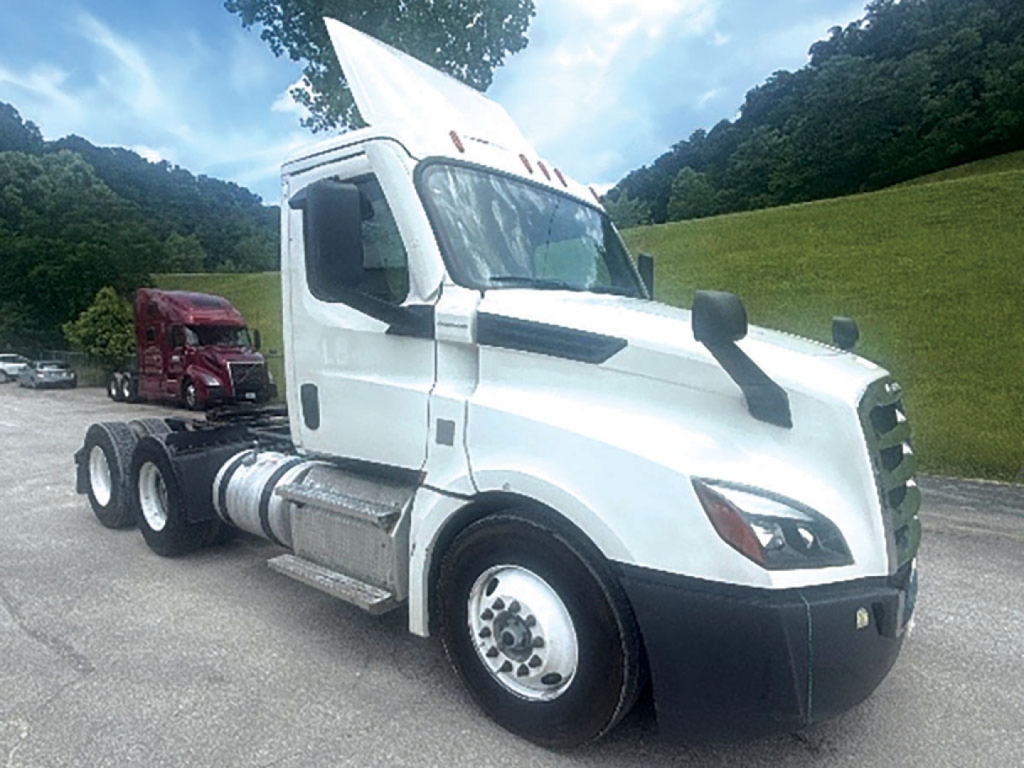
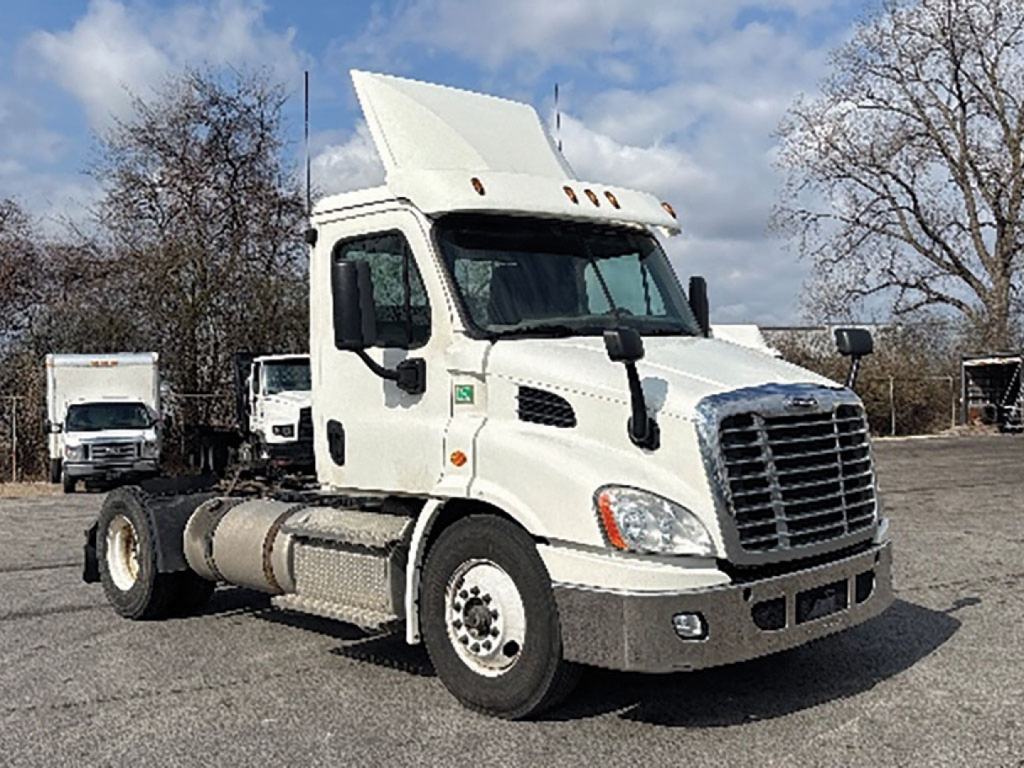
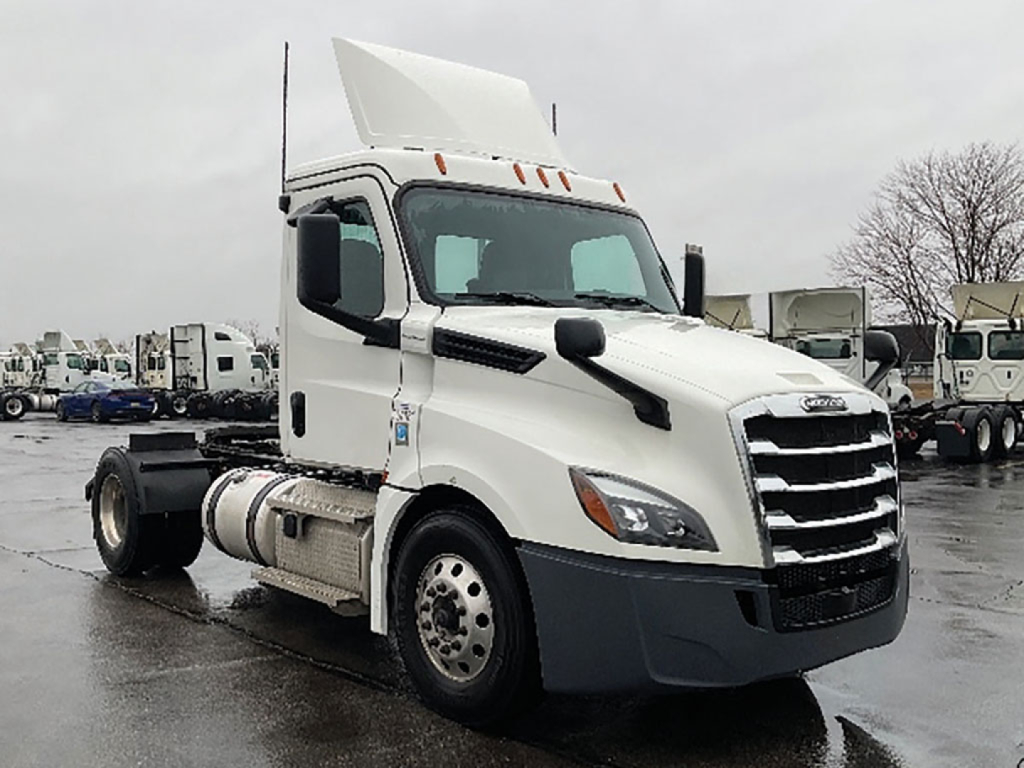
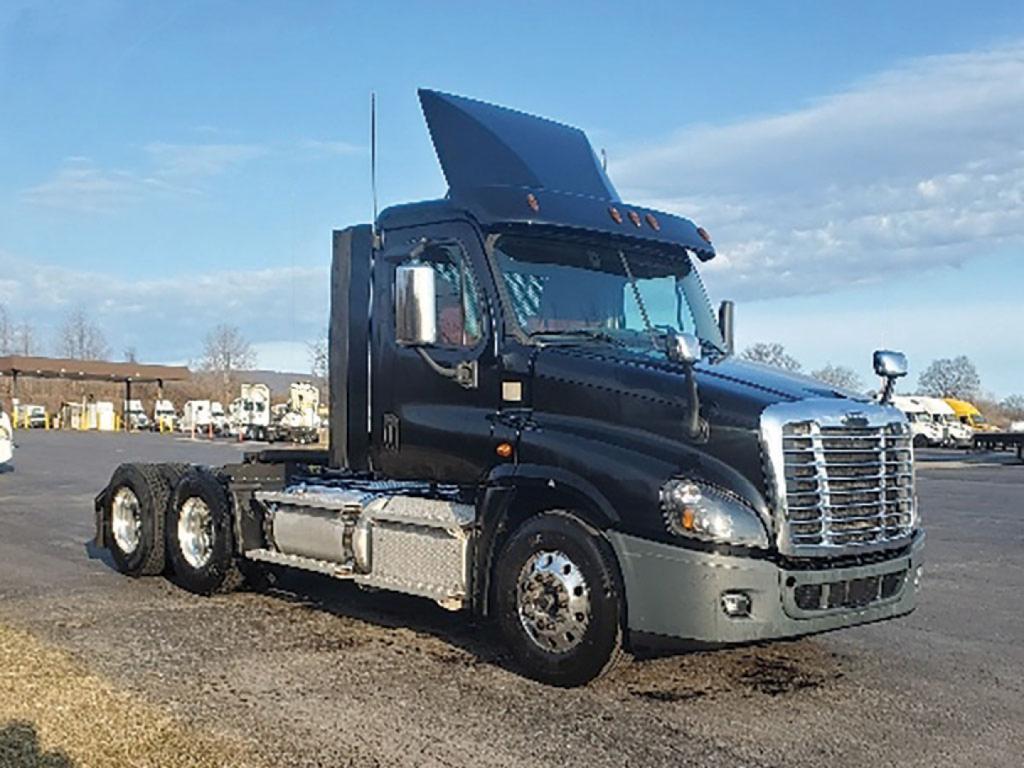
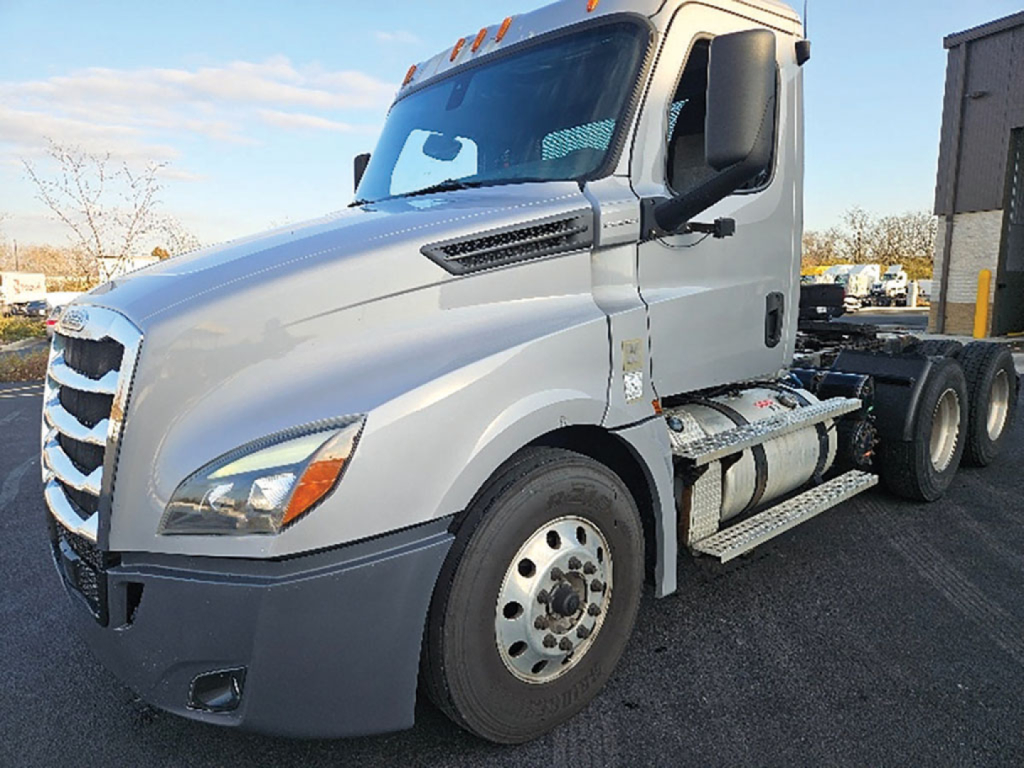
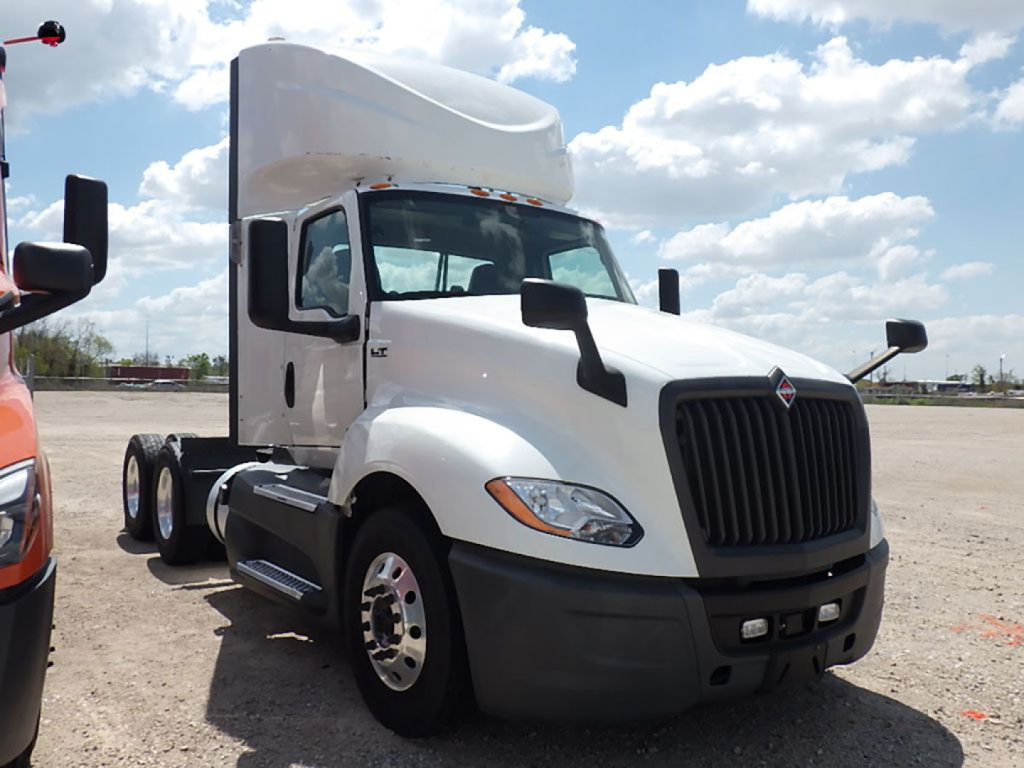

Have 2020 conventional daycab truck to sell? List it here to reach thousands of buyers.
2020 Conventional Daycab Trucks in Pennsylvania
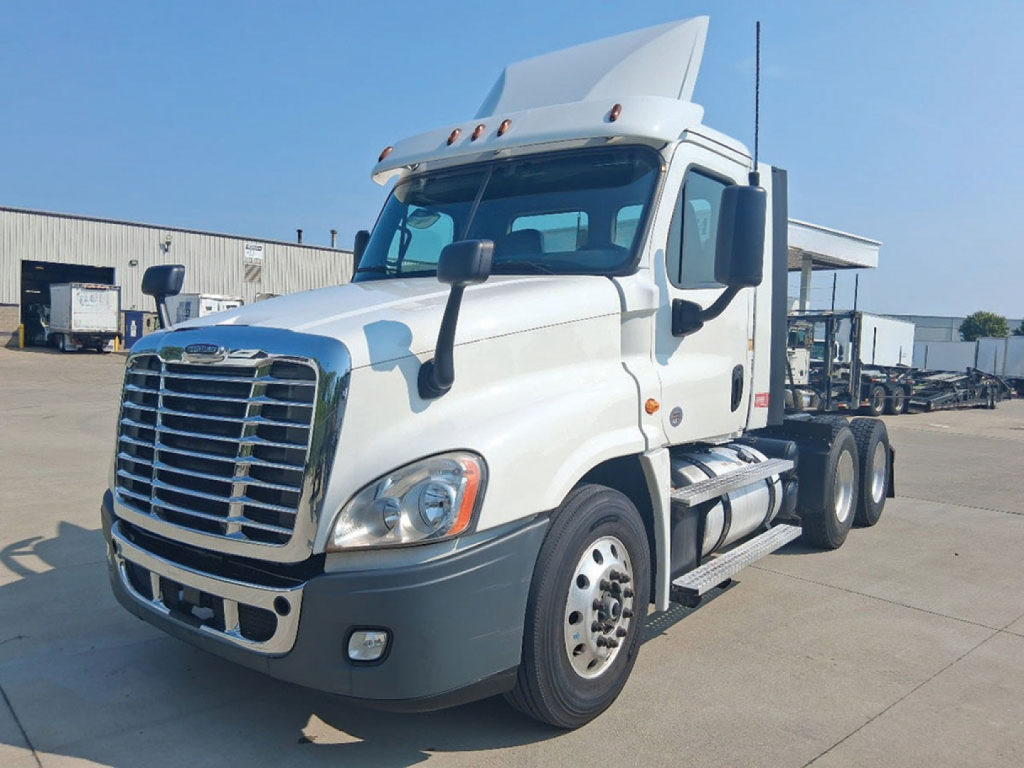
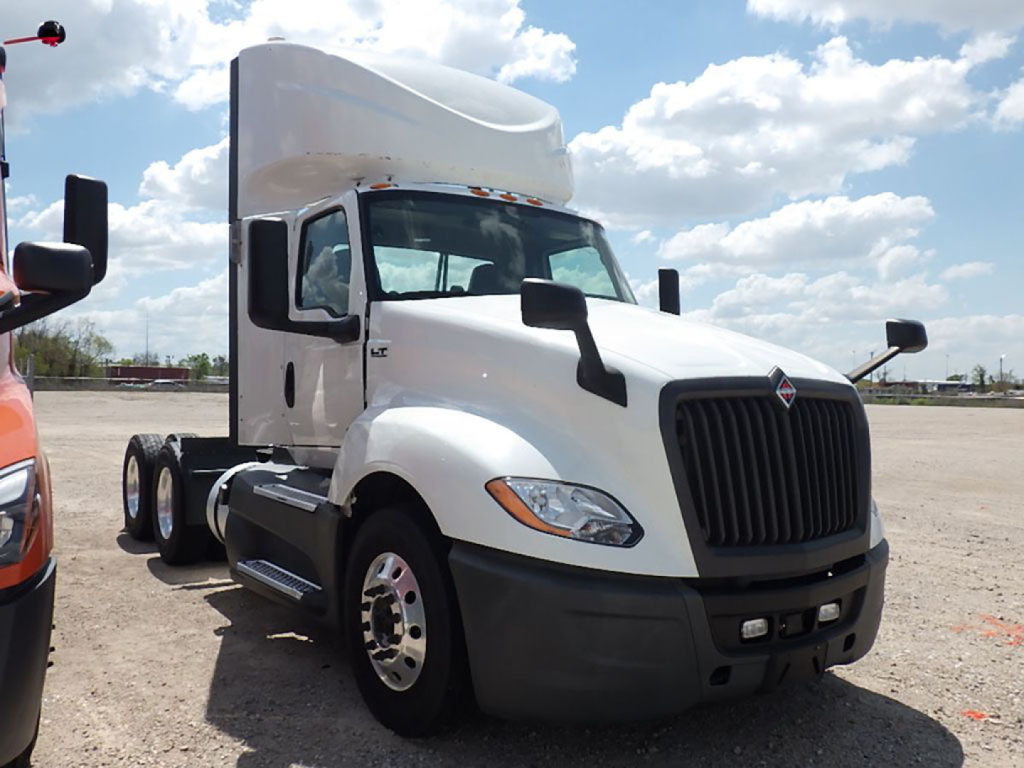
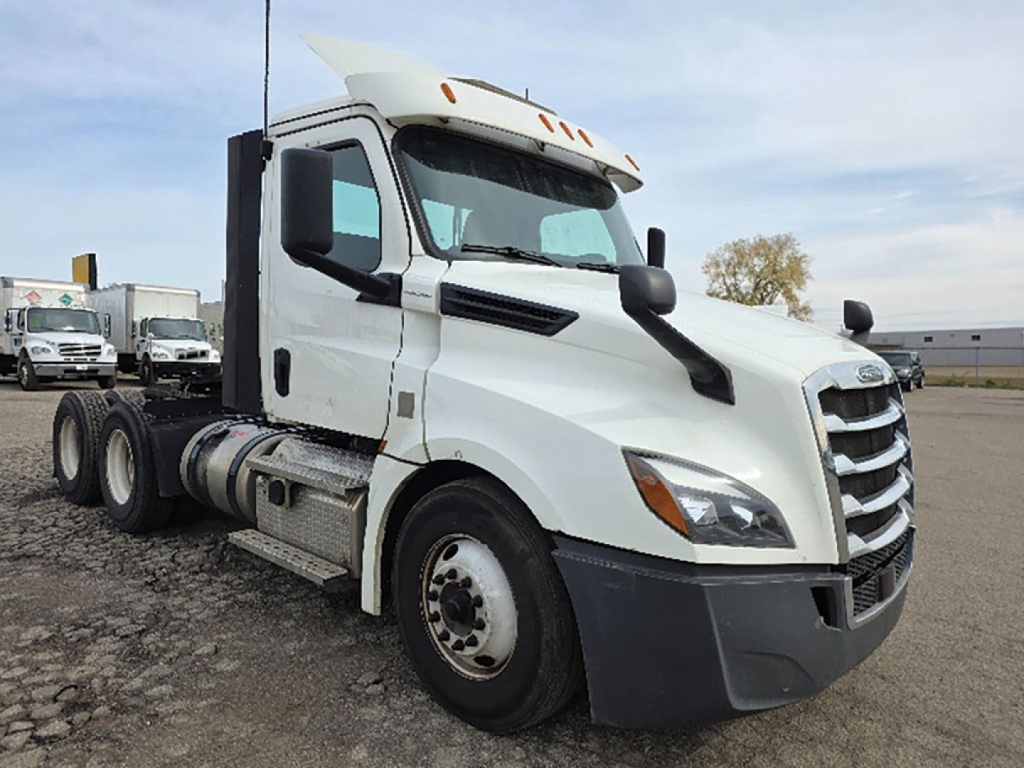
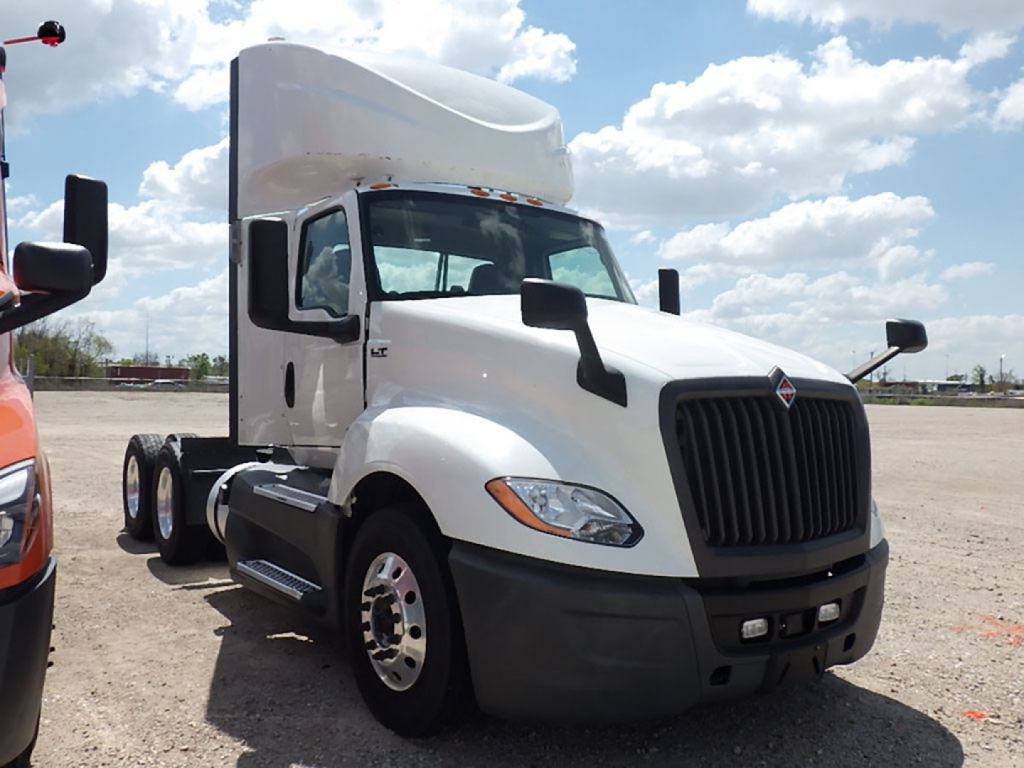
Most 2020 conventional daycabs in this class are spec'd with aerodynamic hoods and set up as fleet-friendly road tractors from brands like Freightliner, Peterbilt, International, Kenworth, Mack, and Volvo. Common engines include the Detroit DD13 and DD15, Cummins X15, PACCAR MX-13, Navistar A26, and Mack MP7 or MP8, usually in the 400 to 500 horsepower range with engine brakes. Transmissions are often automated manuals such as the DT12, Endurant, or mDRIVE, though some buyers still prefer a 10-speed manual for simplicity and driver preference. Rear axle ratings around 40,000 pounds are common, along with air ride suspension, sliding fifth wheels, disc or drum brakes, and wheelbases typically in the 170 to 190 inch range. Ratios like 3.08, 3.25, and 3.55 are worth comparing closely because they affect launch feel, cruise RPM, gradeability, and fuel burn.
A 2020 model year can be a strong value point for buyers who want newer emissions equipment and safety technology without stepping into the highest price range. Many trucks from this year include collision mitigation, lane departure warning, adaptive cruise features, and more refined automated shifting strategies than earlier generations. Buyers should still review idle hours, maintenance history, aftertreatment service records, brake type, tire size, and fifth wheel setup. If the truck will stay on regional van or reefer work, an aero package with fairings, extenders, and low-RPM gearing usually makes sense. If it will handle heavier loads, frequent grades, or vocational-style tractor duty, higher horsepower, deeper gearing, and a more durable suspension spec may be the better fit.
The best 2020 conventional daycab is the one whose spec matches the lane, trailer, and driver pool. A short wheelbase can improve maneuverability at crowded docks, while a longer wheelbase may ride better and allow larger fuel capacity. Aluminum wheels, dual tanks, quarter fenders, and interior trim matter less than drivetrain history and correct gearing, but they still affect resale appeal and day-to-day use. For Pennsylvania operations, it is smart to look at corrosion exposure, frame condition, brake life, and how the truck was previously routed through mountain and winter-service areas. A clean daycab with the right powertrain and documented service can be a productive tractor for regional work for years.
Frequently Asked Questions about 2020 Conventional Daycab Trucks in Pennsylvania
What is a conventional daycab truck used for?
A conventional daycab truck is a highway tractor without a sleeper berth, designed for drivers who return home daily or operate on short to mid-range routes. It is commonly used for regional freight, local cartage, drayage, dedicated contract hauling, LTL work, container moves, and shuttle runs between plants, warehouses, and distribution centers. Compared with a sleeper tractor, a daycab is usually lighter, shorter, and easier to maneuver in tight terminals and city traffic.
What specs matter most when buying a 2020 conventional daycab?
The most important specs are engine rating, transmission type, rear axle ratio, wheelbase, suspension, brake configuration, and fifth wheel setup. These determine how the truck pulls under load, how it drives in traffic, what RPM it turns at highway speed, and how well it fits the trailers and routes in your operation. Buyers should also check gross axle ratings, fuel capacity, tire size, and whether the truck has fleet-oriented safety systems such as collision mitigation or lane departure warning.
Is an automated transmission a good choice in a 2020 daycab?
For many fleets and owner-operators, an automated manual transmission is a strong choice because it helps with driver onboarding, reduces shift-related wear, and performs well in regional service. By 2020, many automated systems were more refined in low-speed maneuvering and grade management than earlier versions. A manual transmission can still be attractive for buyers who want a simpler setup or have drivers who strongly prefer it, but the right answer depends on route profile, maintenance support, and driver availability.
What axle ratio is best for a daycab in Pennsylvania?
The best axle ratio depends on the load, terrain, and average road speed. Ratios such as 3.08 can support better fuel economy on flatter, faster lanes, while 3.25 or 3.55 may be better for heavier freight, more frequent starts, and steeper grades. In Pennsylvania, where routes can include mountain pulls, secondary roads, and winter conditions, buyers should match the ratio to actual operating weight and trailer type rather than choosing by fuel economy alone.
How do I evaluate a used 2020 conventional daycab before buying?
Start with service records, engine hours, idle hours, fault code history, and evidence of aftertreatment maintenance. Then inspect the frame, suspension bushings, steering components, brake wear, tire condition, kingpin and fifth wheel wear, and any signs of corrosion or accident repair. A road test under load is ideal because it reveals shift quality, engine brake performance, driveline vibration, and steering behavior that may not show up during a visual inspection.