
Mack Conventional Daycab Trucks For Sale in Pennsylvania
Browse Mack conventional daycab trucks for sale, including Anthem and Pinnacle models built for regional haul, local freight, and vocational work.
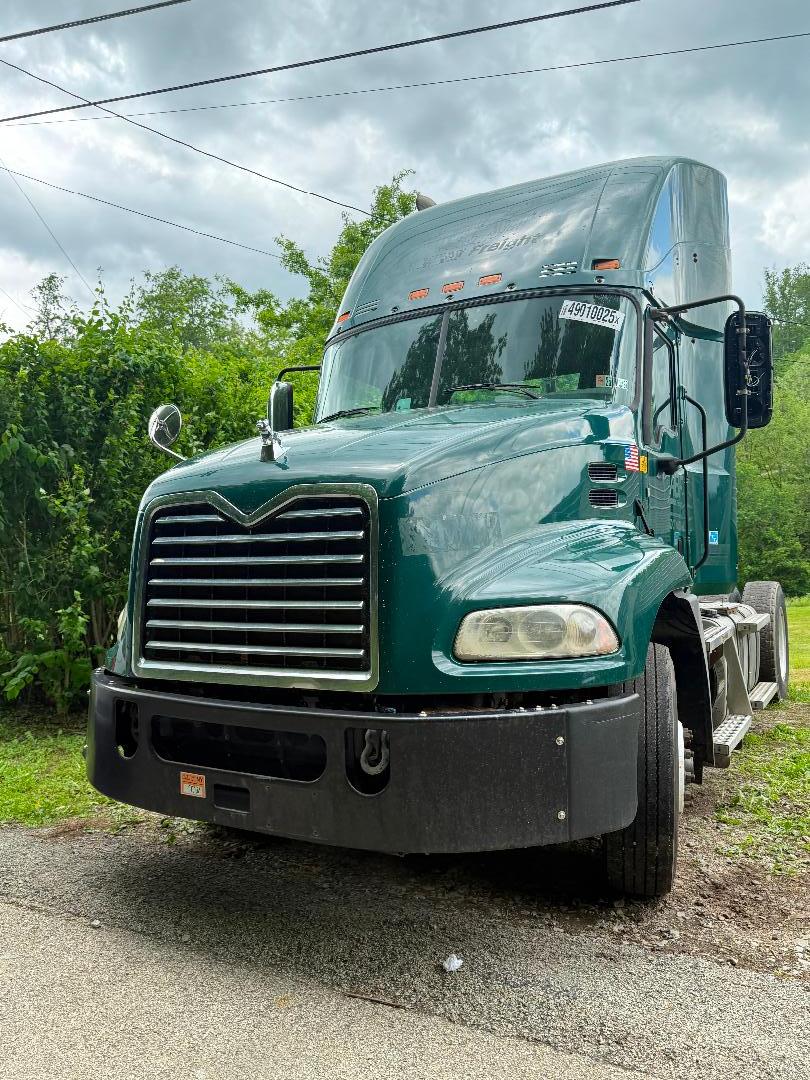

Selling a mack conventional daycab truck? List your mack conventional daycab truck for sale and reach thousands of commercial buyers.
Mack Conventional Daycab Trucks in Pennsylvania
Powertrain choice is one of the biggest decision points. Many Mack daycabs are spec'd with Mack MP7 or MP8 engines, typically paired with manual or automated manual transmissions, though some older units may have full automatic setups. Horsepower commonly falls in the mid-300s to mid-400s depending on the intended duty cycle. Rear axle ratings around 40,000 pounds are common on tandem axle highway tractors, while single axle daycabs can make sense for lighter regional or specialized operations. Pay close attention to axle ratio, wheelbase, and fifth wheel style because those specs directly affect startability, cruising rpm, trailer compatibility, and turning radius in tighter yards or urban docks.
A Mack conventional daycab should also be evaluated around suspension, cab layout, and service history. Air ride suspension and air ride cabs are common and matter for driver comfort on rough secondary roads. Features like engine brakes, adjustable fifth wheels, aluminum fuel tanks, power windows, tilt-telescoping steering, and corrosion-resistant trim can add everyday usability, especially for fleets running multiple drivers. On used Mack daycab trucks, maintenance records, aftertreatment condition, clutch or transmission performance, and front-end wear deserve close inspection. In Pennsylvania, rust exposure from road salt makes frame condition, crossmembers, cab mounts, and fuel tank straps especially important.
For buyers comparing Mack daycab tractors against other Class 8 conventionals, the brand stands out for its vocational heritage, stable chassis feel, and integrated Mack driveline options. A highway-spec daycab with a fuel-efficient ratio like 3.08 and a 10-speed can suit dry van or reefer lanes, while a heavier spec with stronger suspension, more aggressive gearing, and protection equipment such as a deer guard may be better for mixed highway and jobsite duty. The best Mack conventional daycab is the one whose axle configuration, engine rating, wheelbase, and transmission match the freight, terrain, and trailer lengths it will handle every day.
Frequently Asked Questions about Mack Conventional Daycab Trucks in Pennsylvania
What is a Mack conventional daycab truck best used for?
A Mack conventional daycab truck is best suited for regional hauling, local freight, drayage, dedicated routes, and vocational work where the driver returns home daily. The non-sleeper cab keeps the chassis shorter and lighter than a comparable sleeper tractor, which can improve maneuverability, simplify parking and docking, and reduce unnecessary weight for short-haul operations.
What Mack engines are common in conventional daycab tractors?
Common Mack engine choices in daycab tractors include the Mack MP7 and Mack MP8. The MP7 is often found in lighter or more efficiency-focused applications, while the MP8 is commonly selected for higher horsepower and heavier linehaul or mixed-duty work. The right choice depends on route profile, gross combination weight, terrain, and how often the truck will be pulling at maximum load.
What specs matter most when buying a used Mack daycab in Pennsylvania?
The most important specs are axle configuration, rear axle rating, gear ratio, wheelbase, transmission type, and engine horsepower. In Pennsylvania, buyers should also pay close attention to rust and corrosion due to winter road treatment. Frame rails, suspension mounts, cab supports, brake components, and fuel tank hardware should be inspected carefully, along with maintenance records and emissions system history.
Is a tandem axle or single axle Mack daycab better?
A tandem axle Mack daycab is usually the better choice for heavier trailers, higher gross weights, and broader freight flexibility. A single axle truck can make sense for lighter regional service, specialized trailers, or operations where lower weight and tighter maneuvering are more important than maximum capacity. The better configuration depends on trailer type, legal weight requirements, and the lanes the truck will actually run.
How do axle ratio and wheelbase affect a Mack conventional daycab?
Axle ratio affects launch feel, grade performance, and engine rpm at highway speed. A lower numerical ratio such as 3.08 generally favors fuel economy on faster regional or highway routes, while deeper gearing can be better for heavier loads or frequent starts. Wheelbase affects ride quality, trailer swing clearance, and turning radius. A shorter wheelbase is easier in tight yards, while a longer wheelbase may improve stability and allow for different tank and frame layouts.