
2019 Conventional Daycab Trucks For Sale in Pennsylvania
Browse 2019 conventional daycab trucks in Pennsylvania with specs on engines, wheelbase, axle ratings, transmissions, and regional haul features.
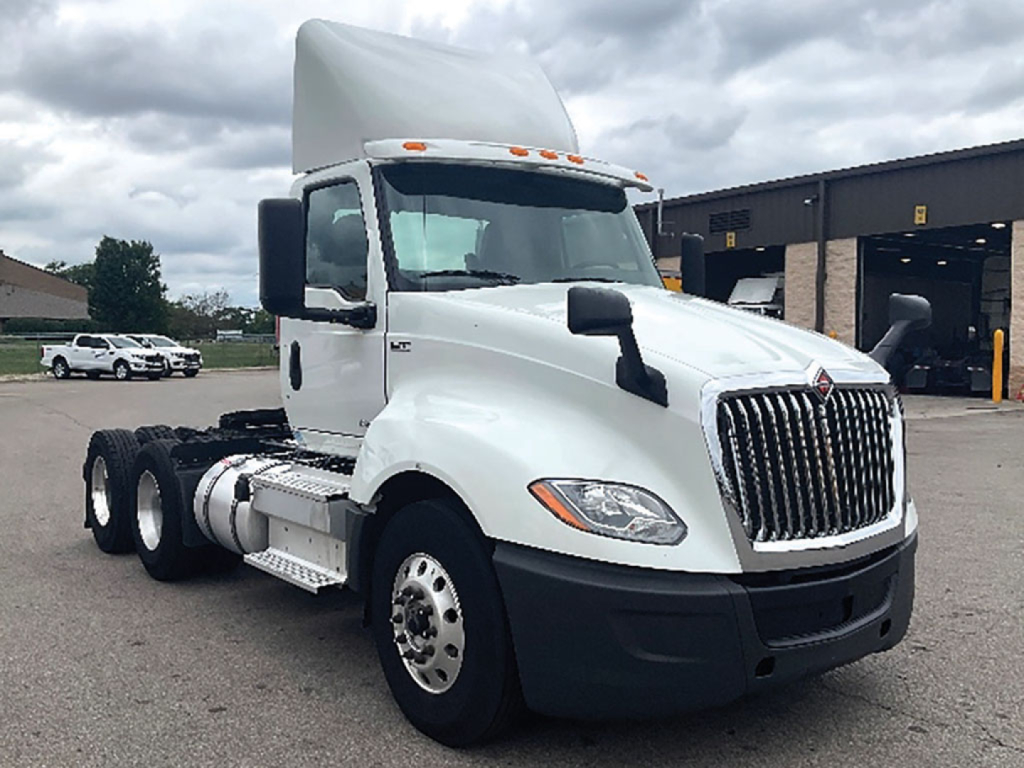
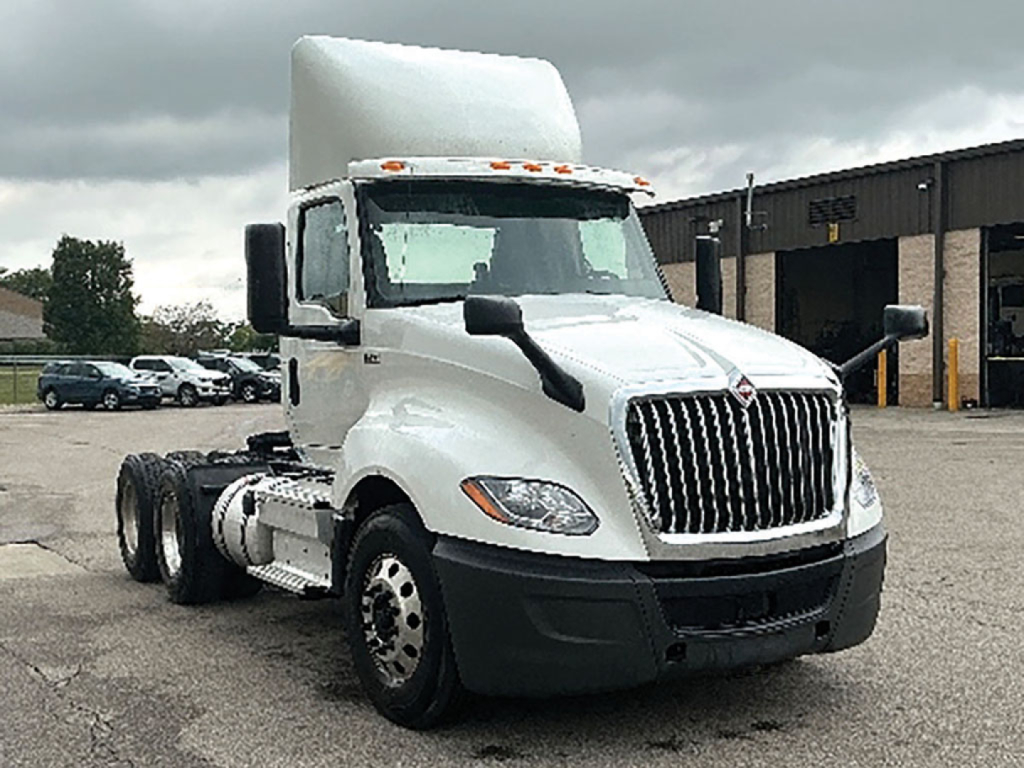
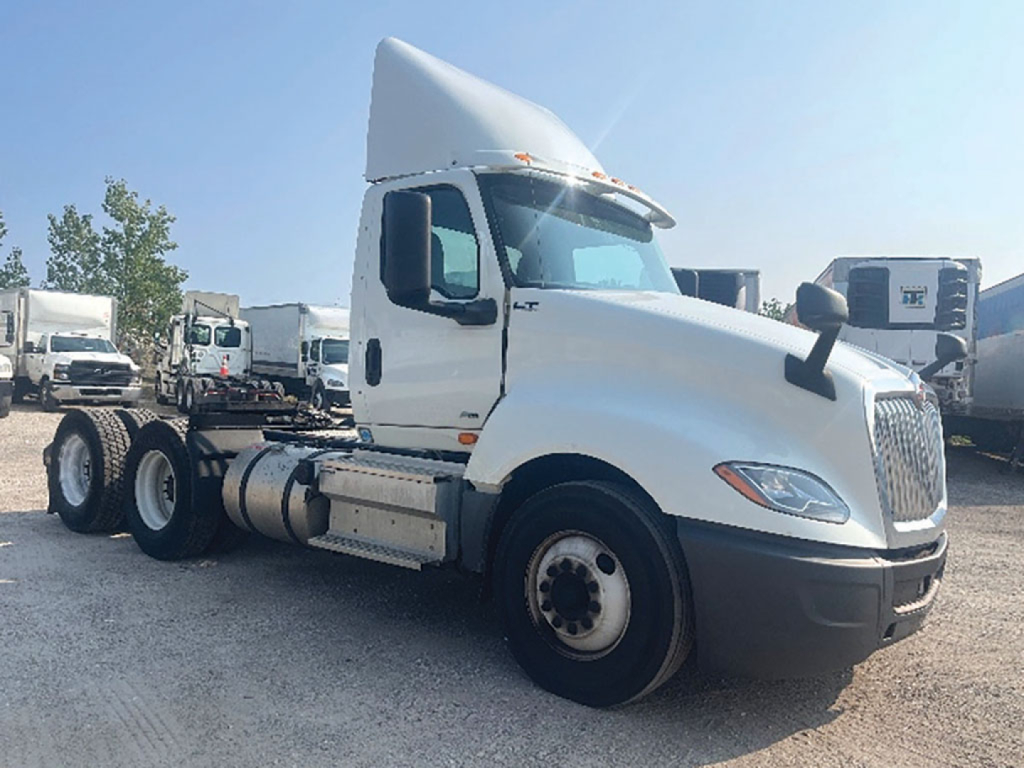
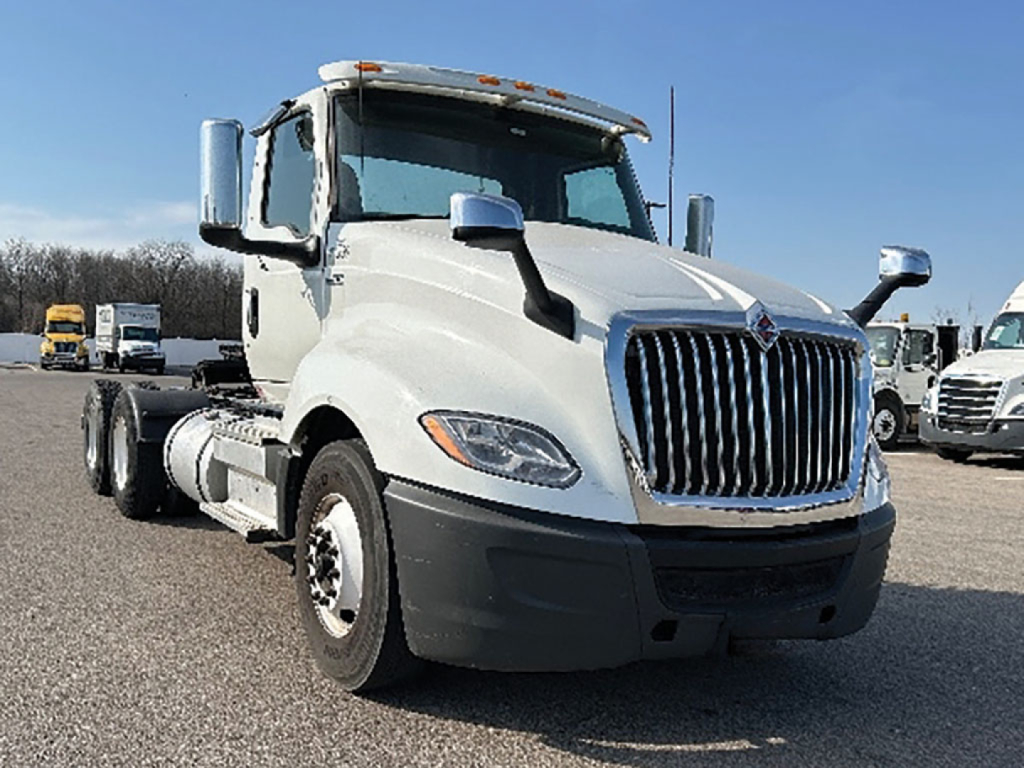
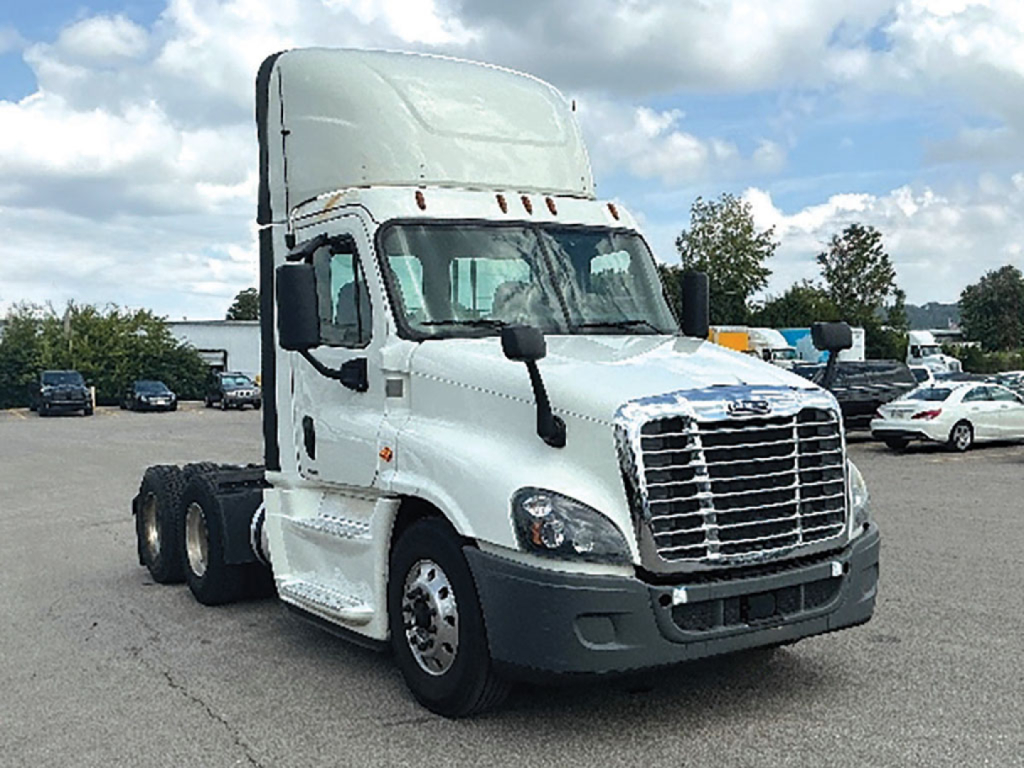
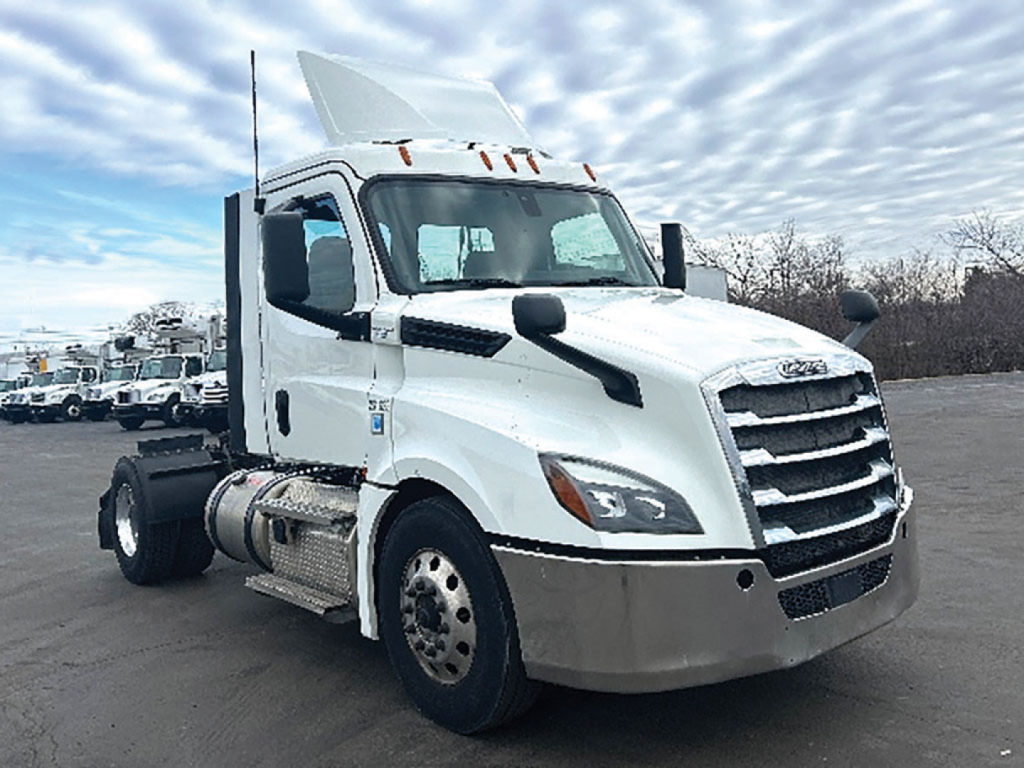
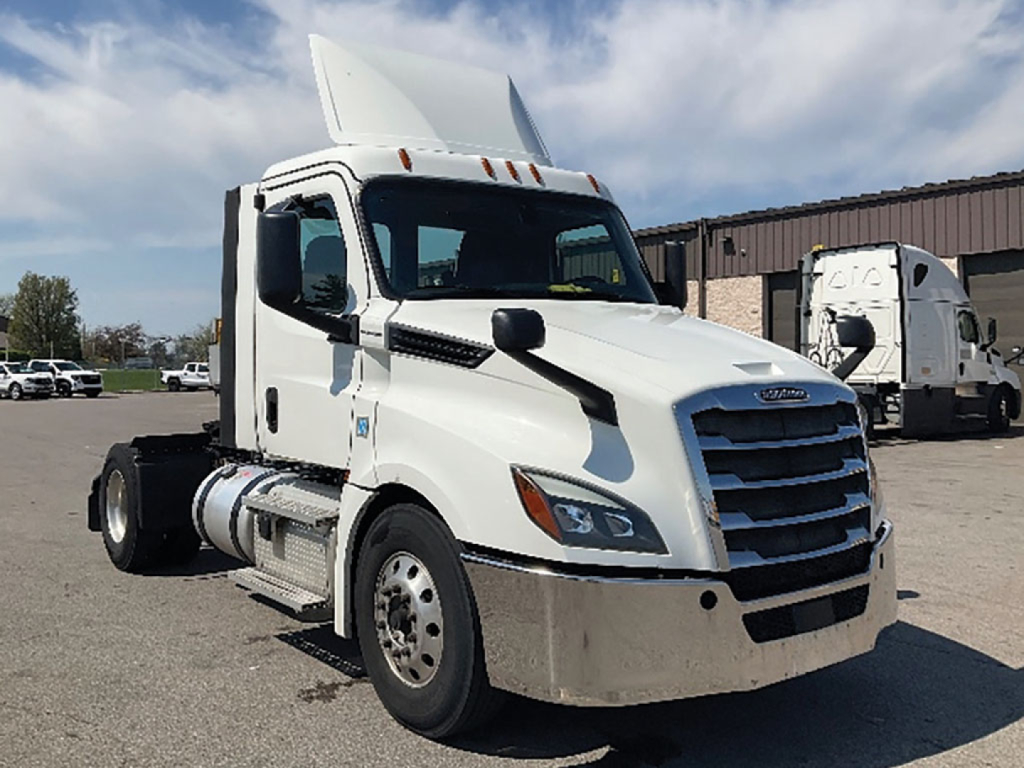
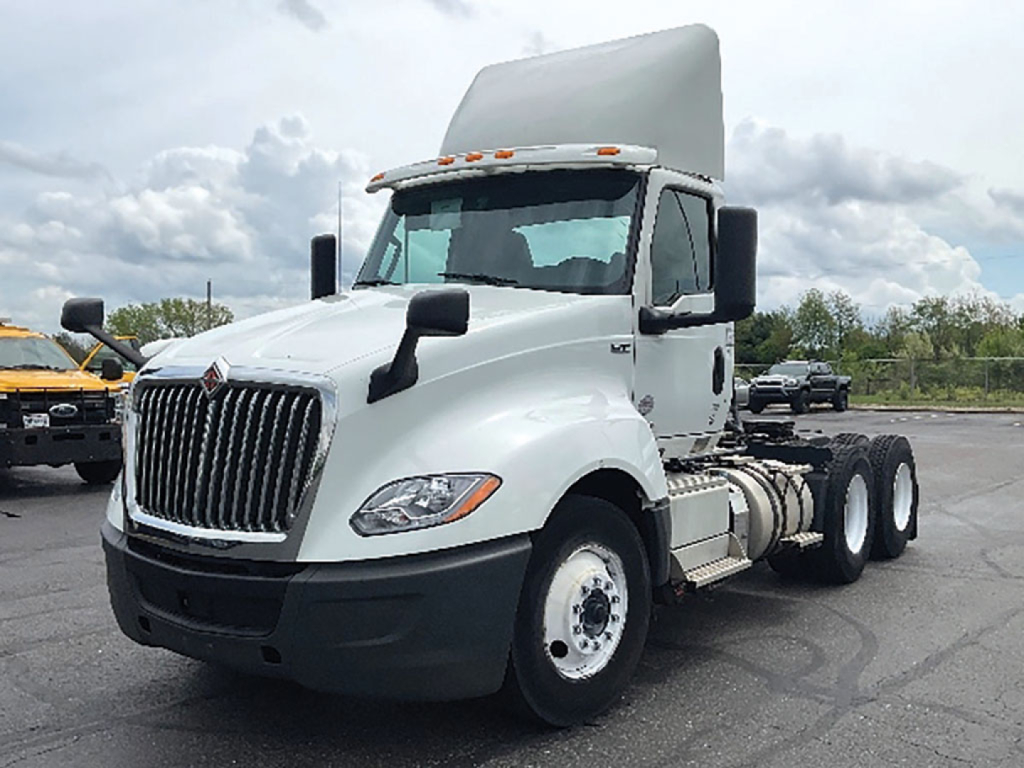
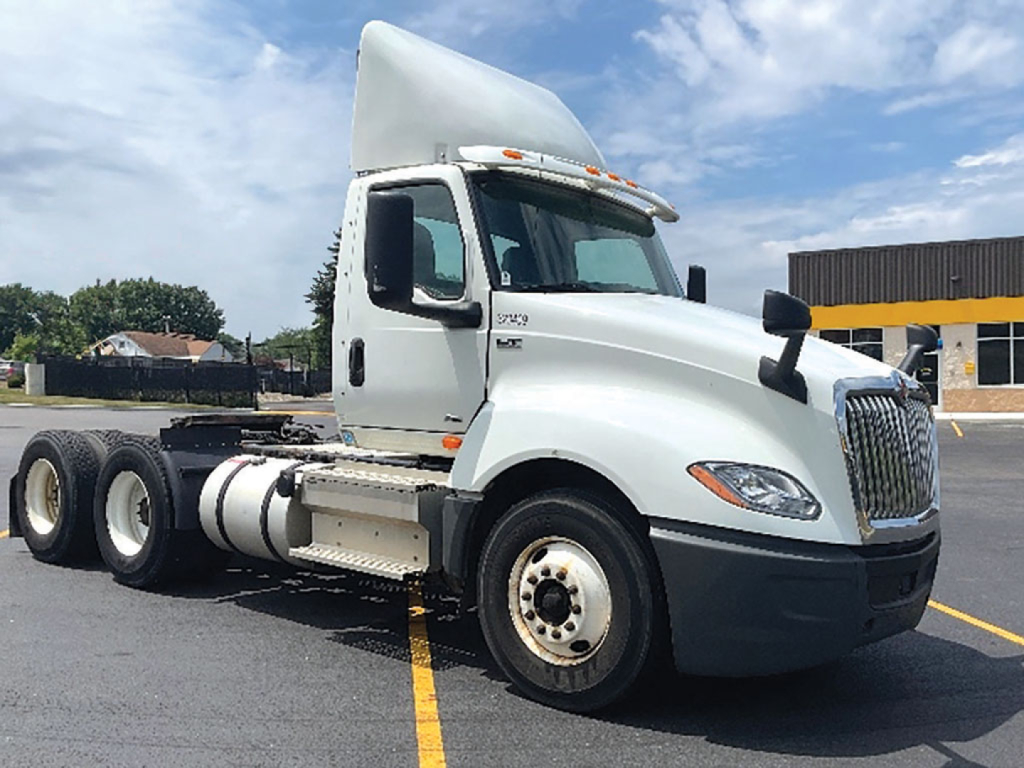
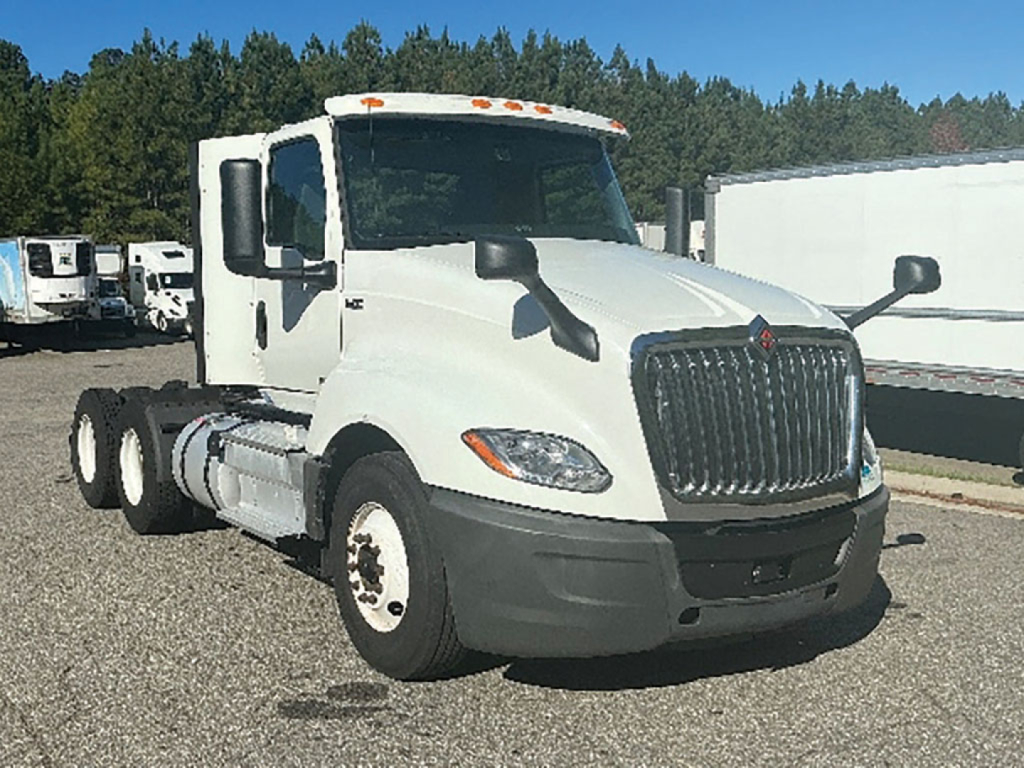
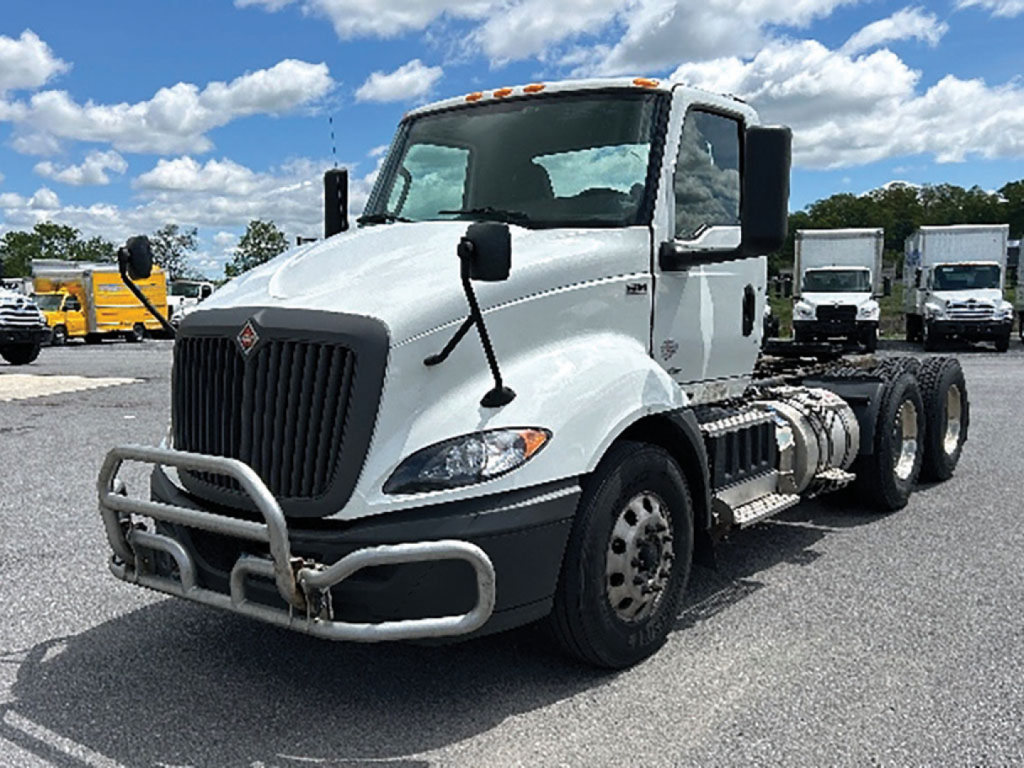
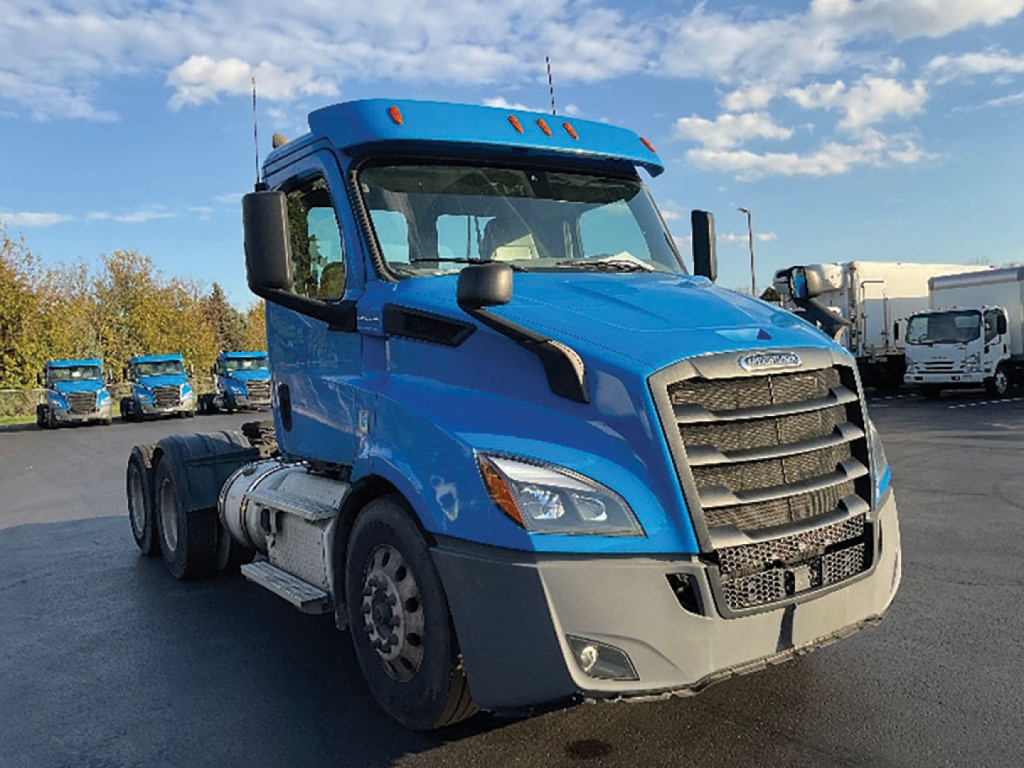
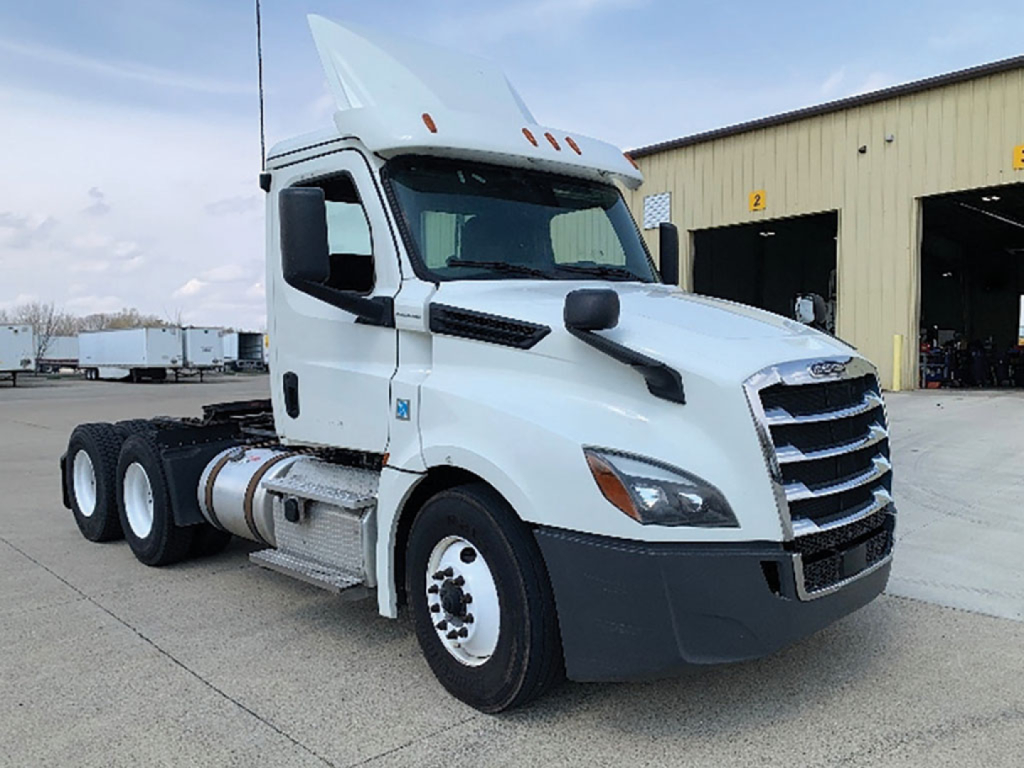
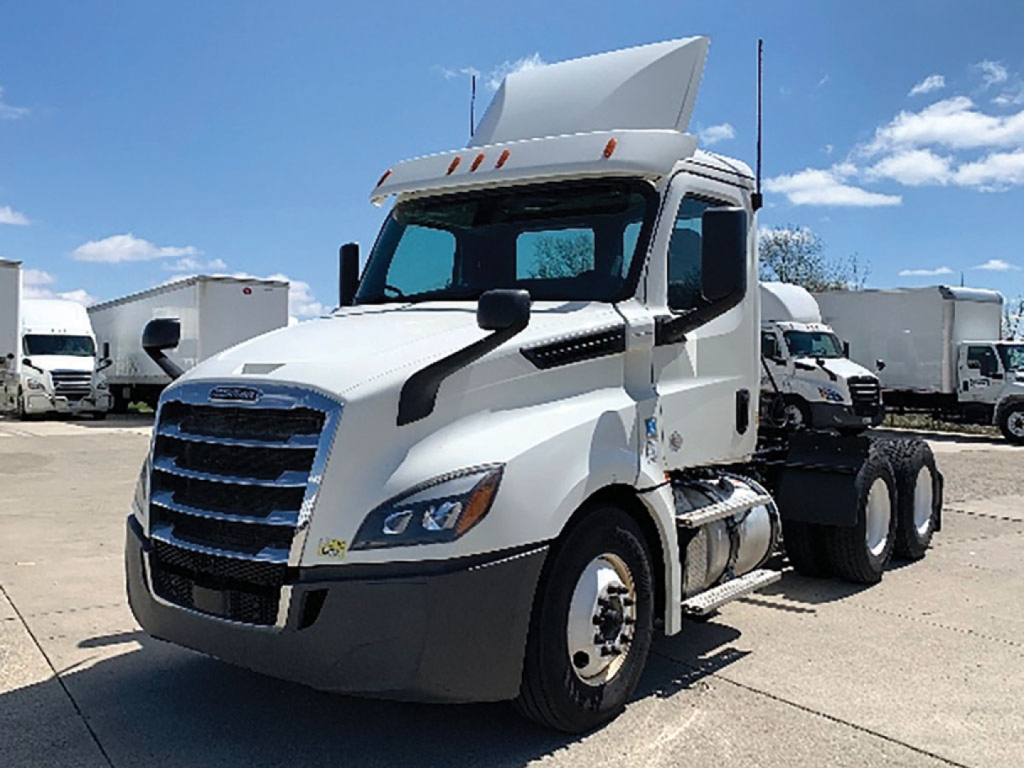
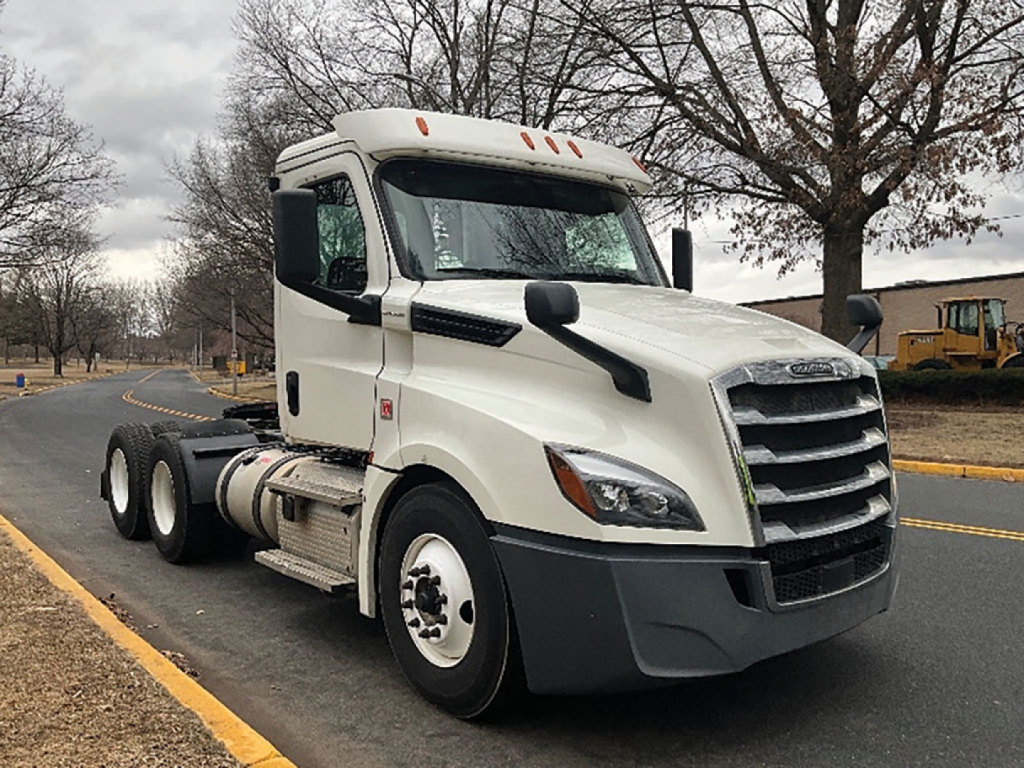
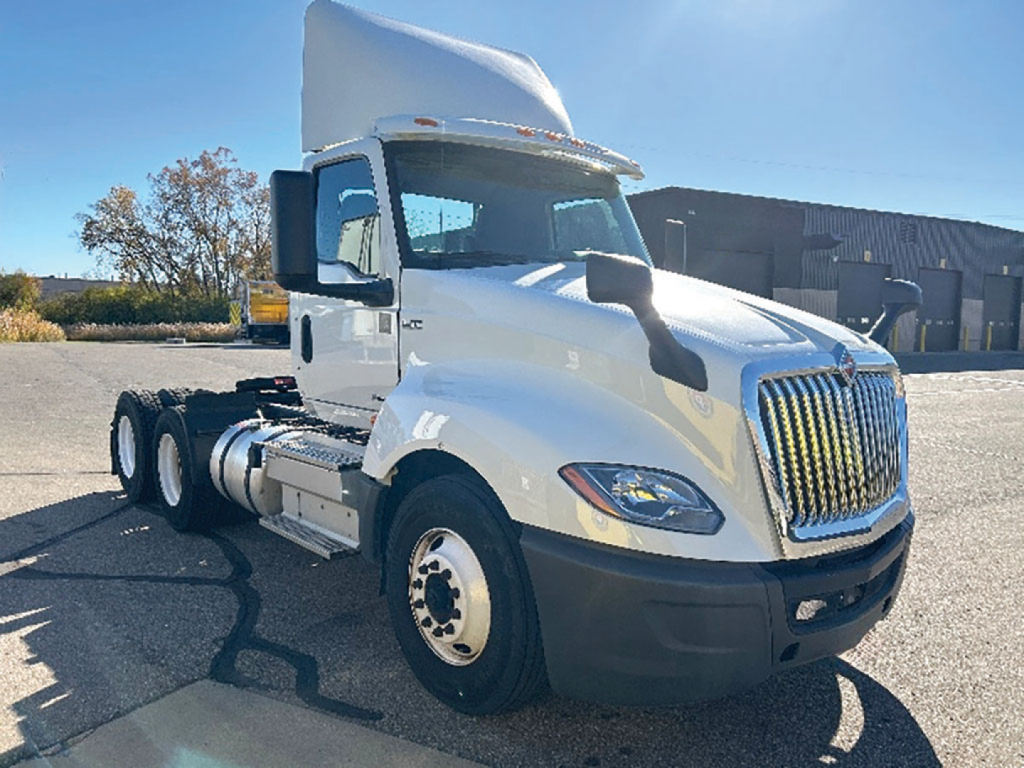
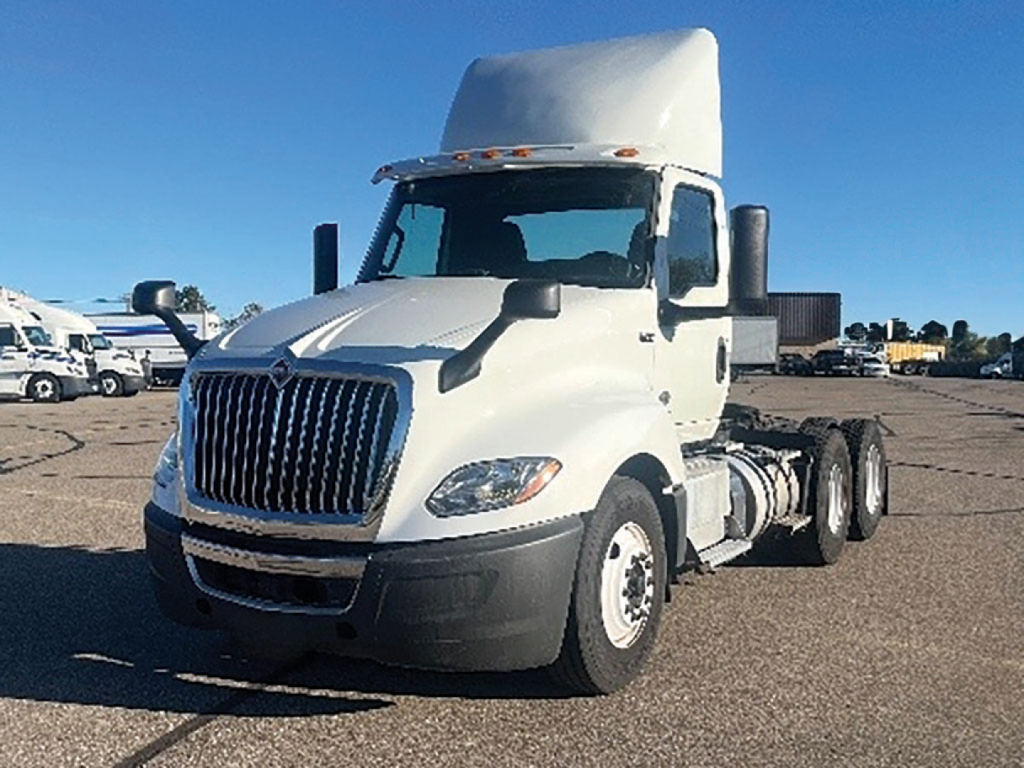
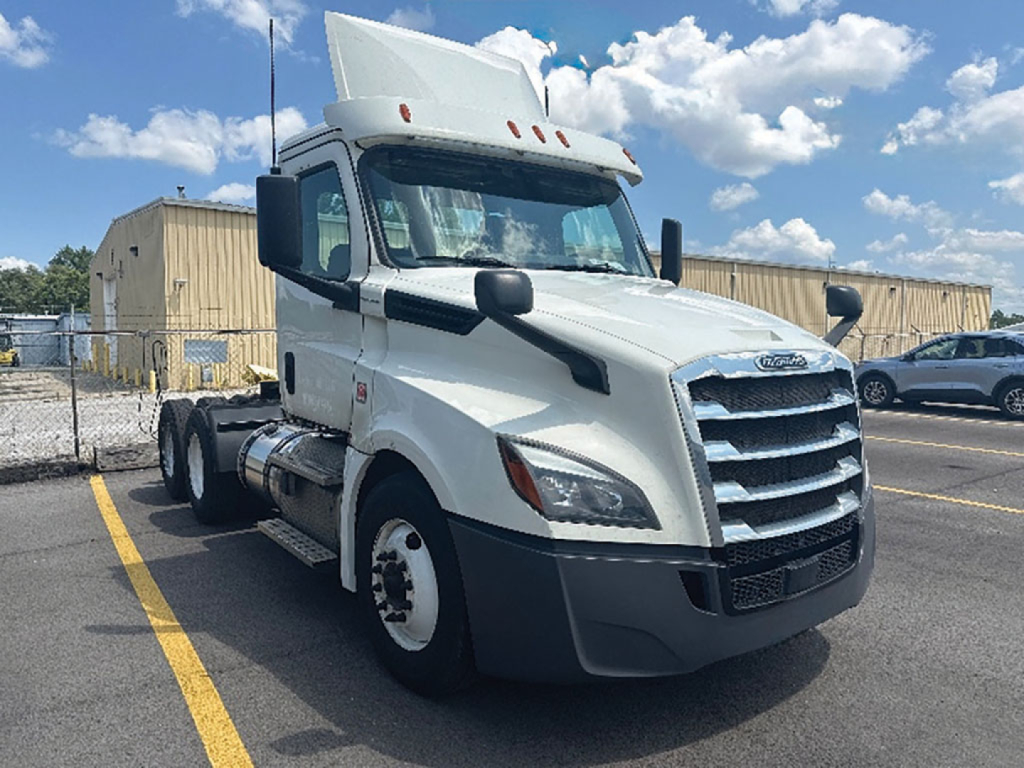
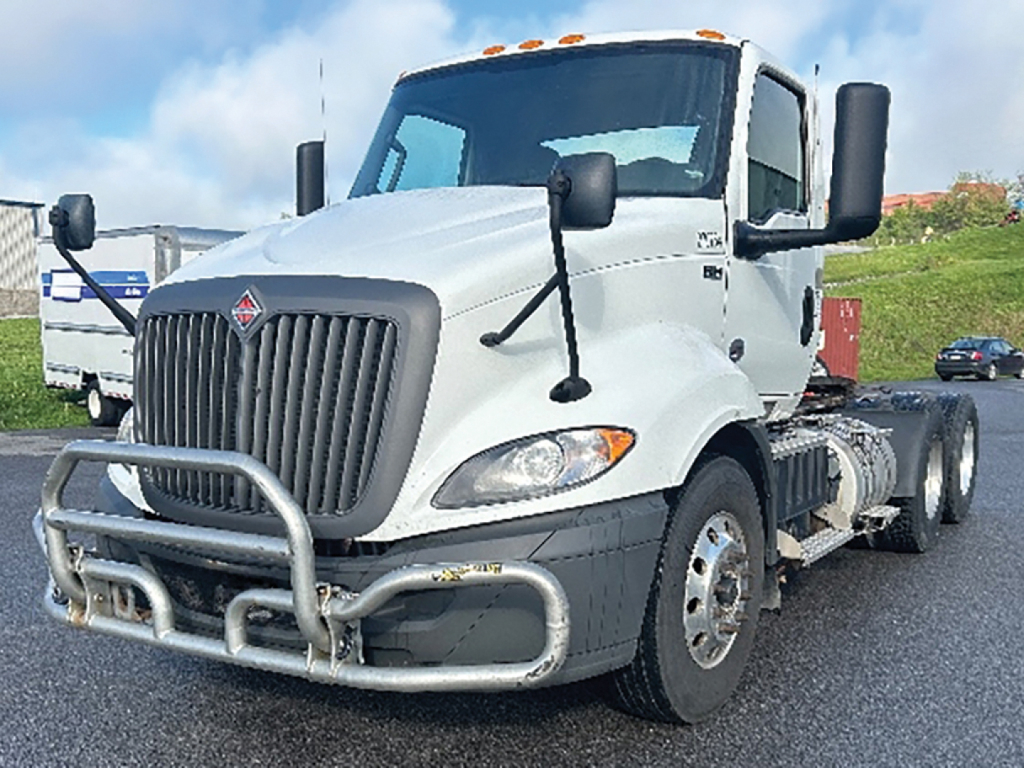
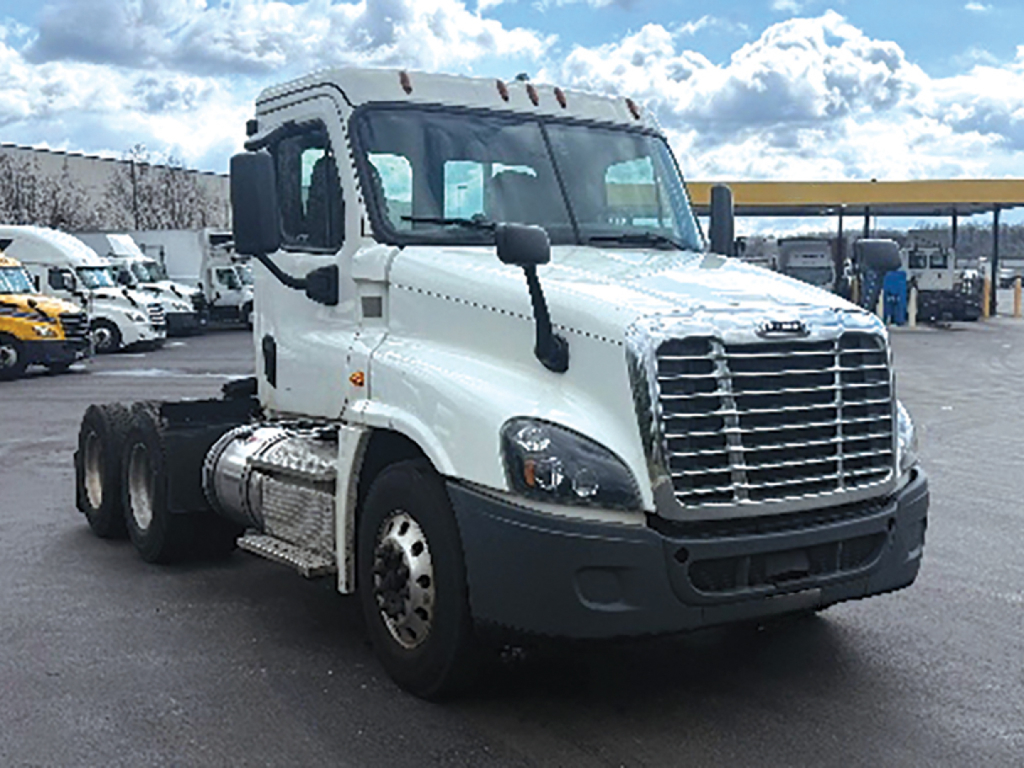
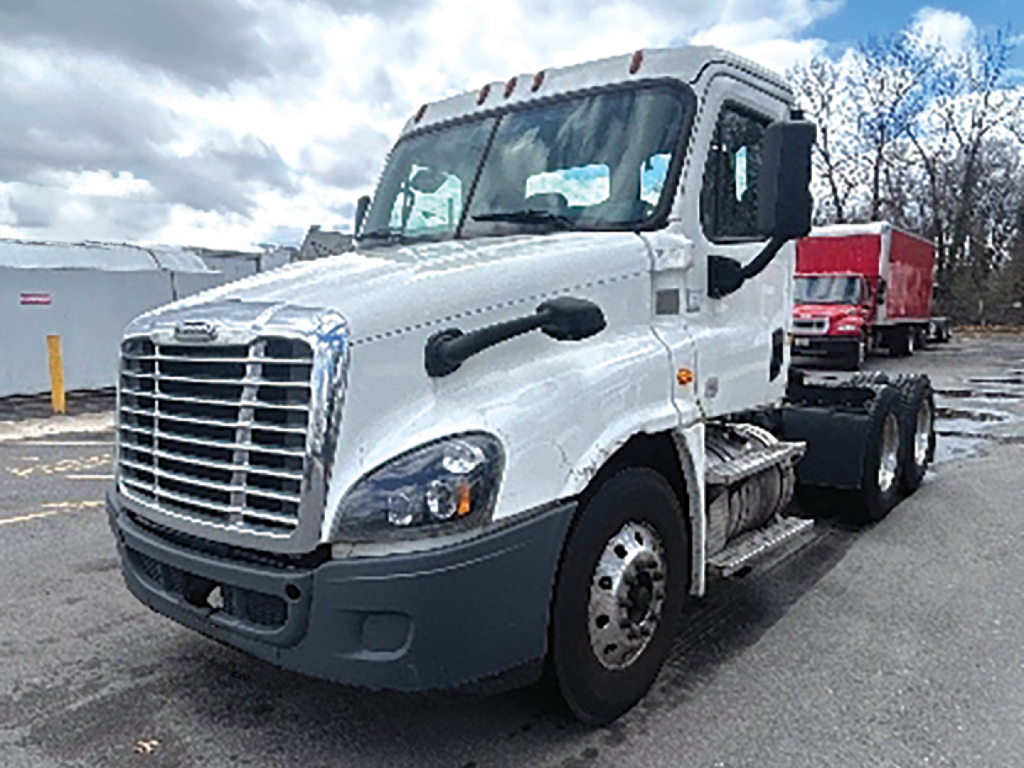

Showing 1 to 28 of 33 results
Have 2019 conventional daycab truck to sell? List it here to reach thousands of buyers.
2019 Conventional Daycab Trucks in Pennsylvania
The 2019 model year sits in a practical sweet spot for buyers who want newer emissions-era equipment with more modern safety and drivability features than older fleet trucks. Common engines in this class include the Cummins X15, Detroit DD13 and DD15, Navistar A26, Mack MP7, and Volvo D11 or D13, typically rated from about 380 to 450 horsepower. Most 2019 daycabs on the market are spec'd with automated manual transmissions, although some manual 10-speed and 13-speed units still appear. Rear axle ratings often range from 23,000 pounds on single-axle tractors up to 40,000 pounds on tandem-axle trucks, with ratios like 2.64, 2.79, 3.08, or 3.36 chosen based on whether the truck was built for fuel economy, mixed regional work, or heavier starts and stops.
A buyer should pay close attention to wheelbase and fifth wheel setup. Many conventional daycab trucks fall in the 165-inch to 180-inch range, which is a useful window for regional trailer work without giving up too much maneuverability. Air slide fifth wheels add flexibility if the truck may handle different trailer lengths or kingpin settings. Suspension spec matters too. Air ride is the standard choice for ride quality and trailer protection, but the exact suspension package still affects stability under load and service costs over time. Disc brakes, collision mitigation, power windows and mirrors, dump valves, differential locks, and roof fairings are all common on better-equipped 2019 units and can make a noticeable difference in daily operation.
Condition matters more than badge. On any used 2019 conventional daycab, review engine hours against miles, confirm aftertreatment history, check for clutch wear on manual units, verify transmission calibration updates on AMTs, and inspect the frame, crossmembers, suspension bushings, and fifth wheel top plate for evidence of hard vocational use. In Pennsylvania, corrosion is also worth checking closely around battery boxes, cab mounts, brake components, and frame rails because winter road treatment can shorten component life. A well-spec'd 2019 daycab can be a very efficient tractor for fleets and owner-operators who need a modern truck without stepping into the cost of late-model sleeper equipment.
Frequently Asked Questions about 2019 Conventional Daycab Trucks in Pennsylvania
What is a conventional daycab truck used for?
A conventional daycab truck is built for hauling where the driver returns home or to a terminal instead of sleeping in the truck. It is commonly used for regional freight, local pickup and delivery, container drayage, dedicated trailer pools, and vocational tractor work. The missing sleeper reduces overall weight and usually shortens wheelbase, which improves maneuverability and can help with payload and operating efficiency.
What should I look for in a 2019 conventional daycab in Pennsylvania?
Focus on corrosion, emissions history, axle spec, and wheelbase. Pennsylvania trucks often operate in winter conditions and industrial environments, so frame rails, suspension parts, brake hardware, and electrical connections deserve a close inspection. It is also important to review DPF and SCR service records, confirm whether the truck is single axle or tandem axle, and match the gearing and fifth wheel position to the trailers and routes the truck will actually handle.
Are 2019 daycabs mostly automatic or manual?
Most 2019 conventional daycab trucks were ordered with automated manual transmissions, especially in fleet service. AMTs improve driver consistency, simplify training, and usually support better fuel economy when paired with downsped rear axle ratios. Manual transmissions are still available on some trucks and may appeal to buyers who want a simpler setup for certain applications, but the 2019 market trends heavily toward automatic-shift equipment.
What horsepower is typical for a 2019 conventional daycab?
Typical horsepower for a 2019 conventional daycab truck is about 380 to 450 horsepower, with some units falling outside that range depending on the application. Lower horsepower ratings are common in lighter regional or fuel-economy specs, while 425 to 450 horsepower is more common for tandem-axle tractors pulling heavier loads or operating in mixed terrain. Torque rating, rear axle ratio, and transmission gearing matter just as much as advertised horsepower when judging how the truck will perform.
Is a single-axle or tandem-axle daycab better?
The better choice depends on the work. A single-axle daycab is lighter, often easier to maneuver, and can be cost-effective for lighter regional loads or specialized routes. A tandem-axle daycab offers more traction, higher axle capacity, and broader compatibility with heavier trailers and freight. Buyers should match the axle setup to gross combination weight, state bridge laws, and the surfaces the truck will see every week.