
2019 International Conventional Daycab Trucks For Sale in Pennsylvania
Browse 2019 International conventional daycab trucks in Pennsylvania. Compare RH613 and LT625 specs, A26 power, axle setups, and regional hauling fit.
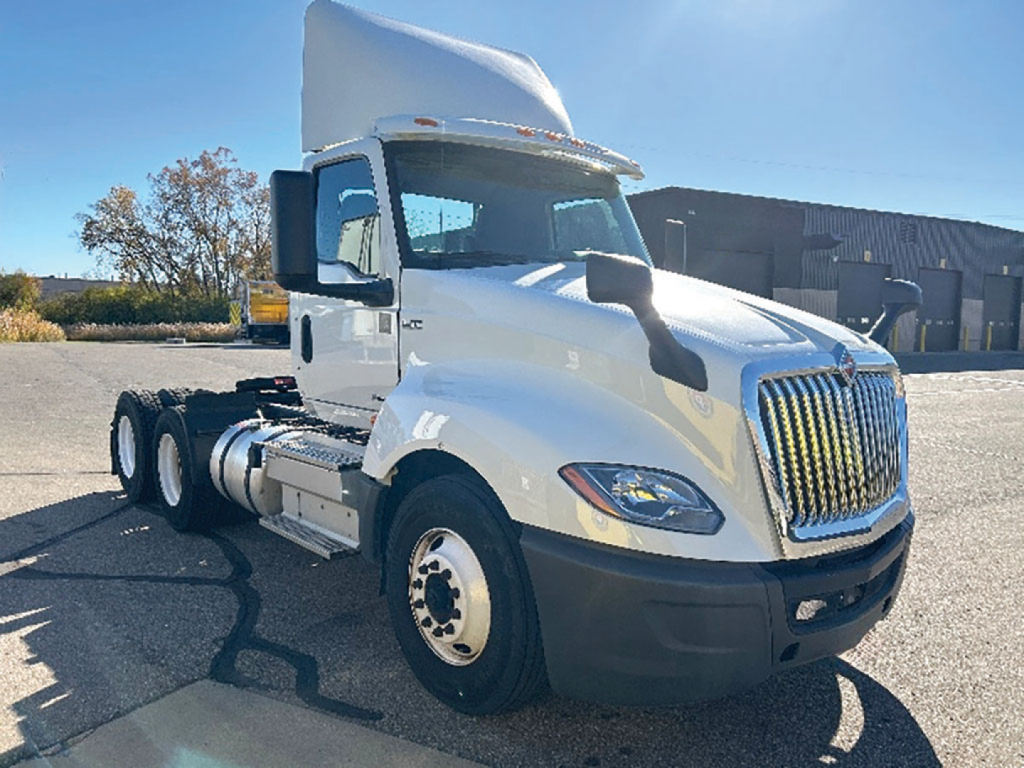
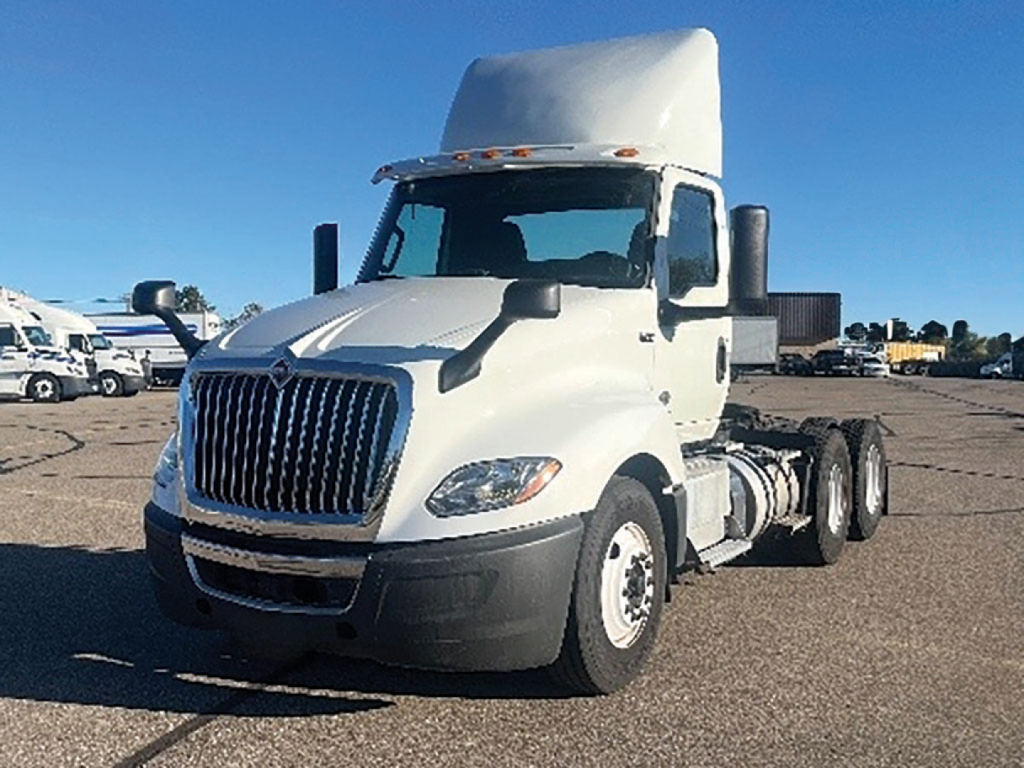
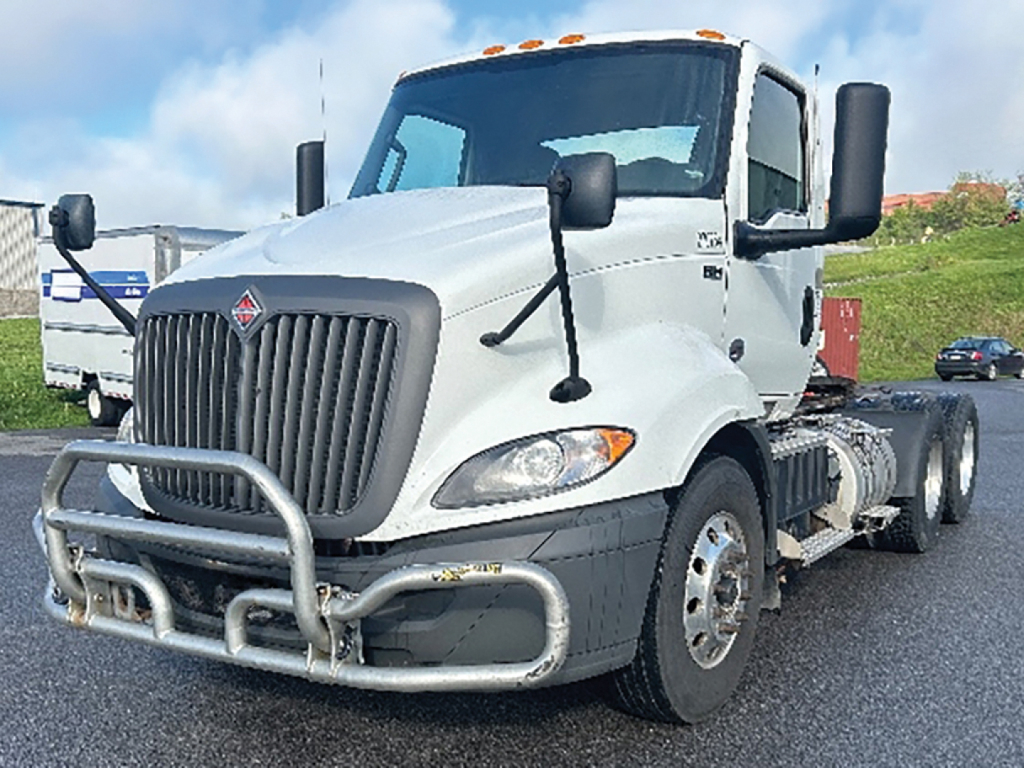

Have 2019 international conventional daycab truck to sell? List it here to reach thousands of buyers.
2019 International Conventional Daycab Trucks in Pennsylvania
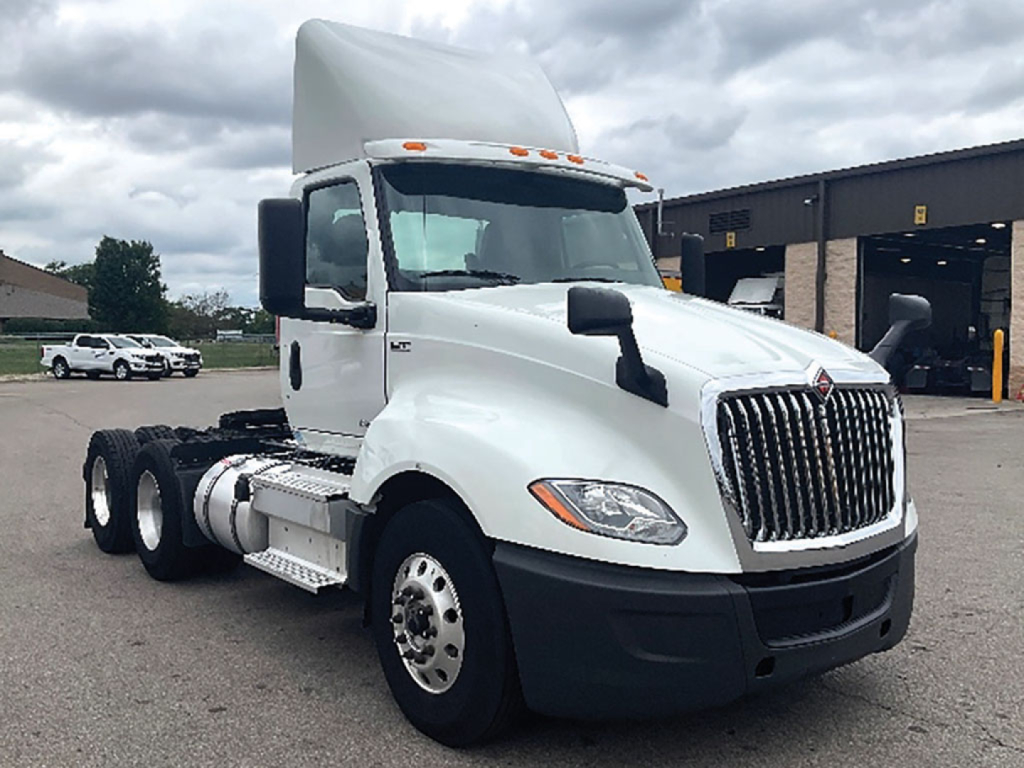
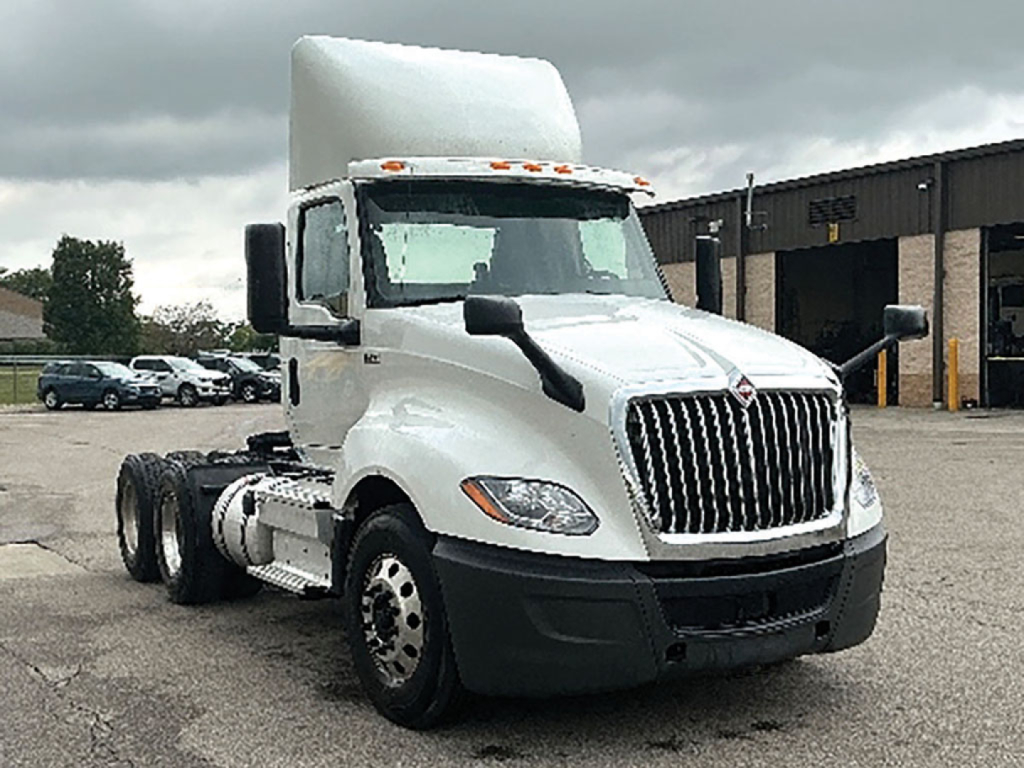
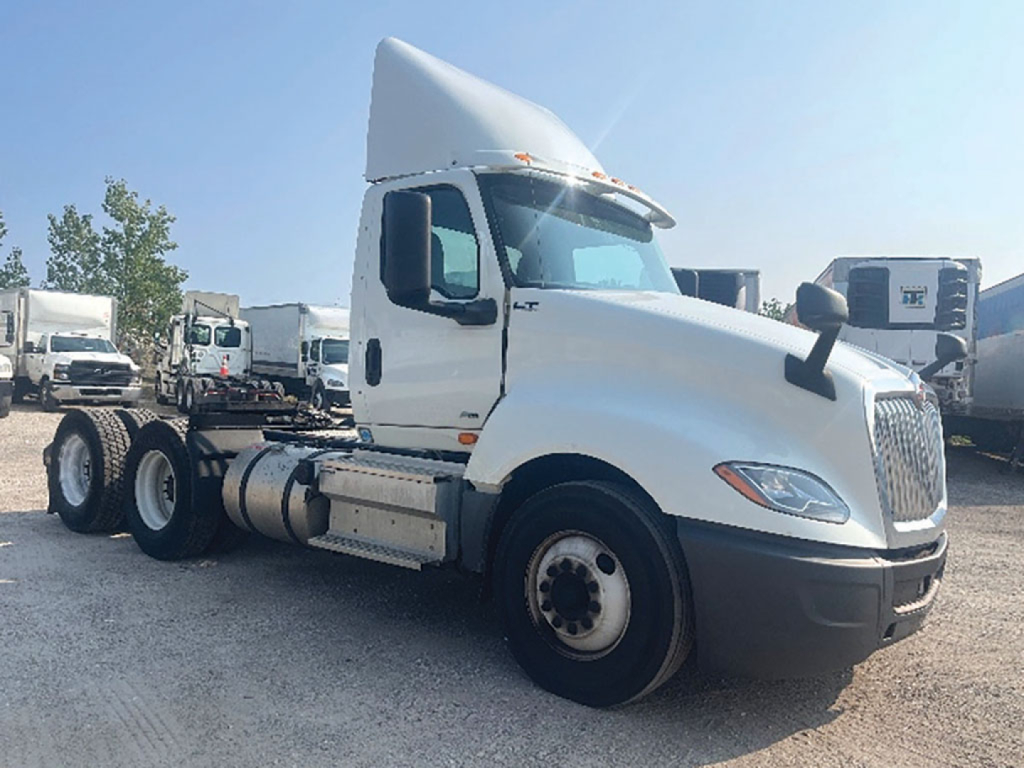
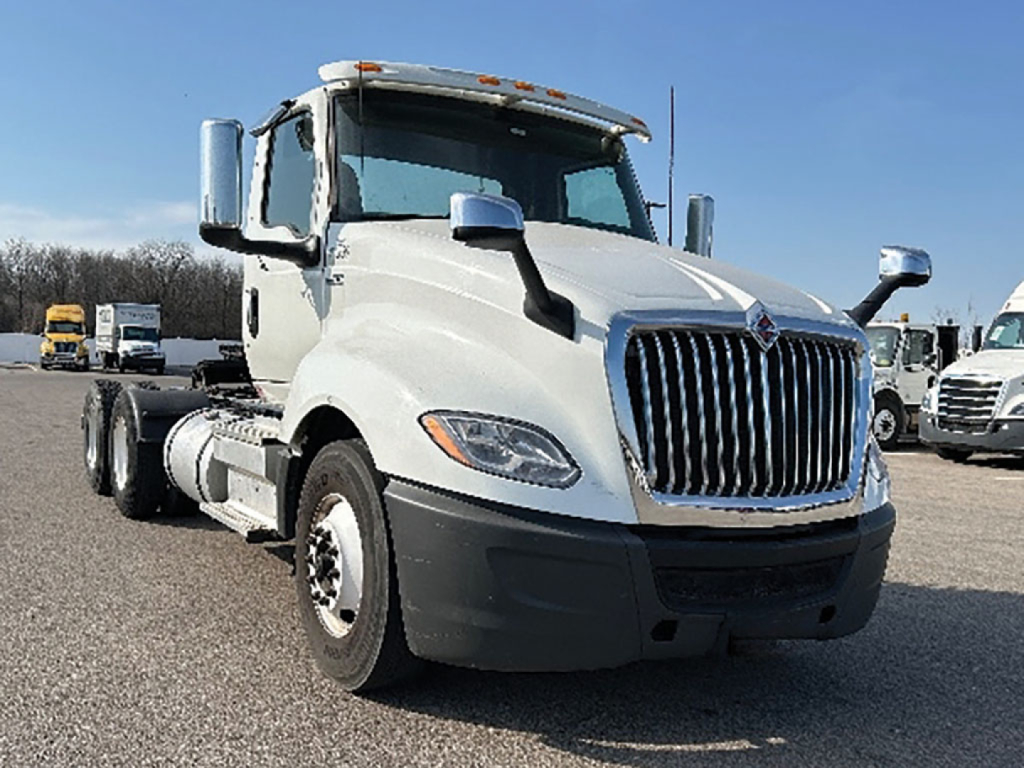
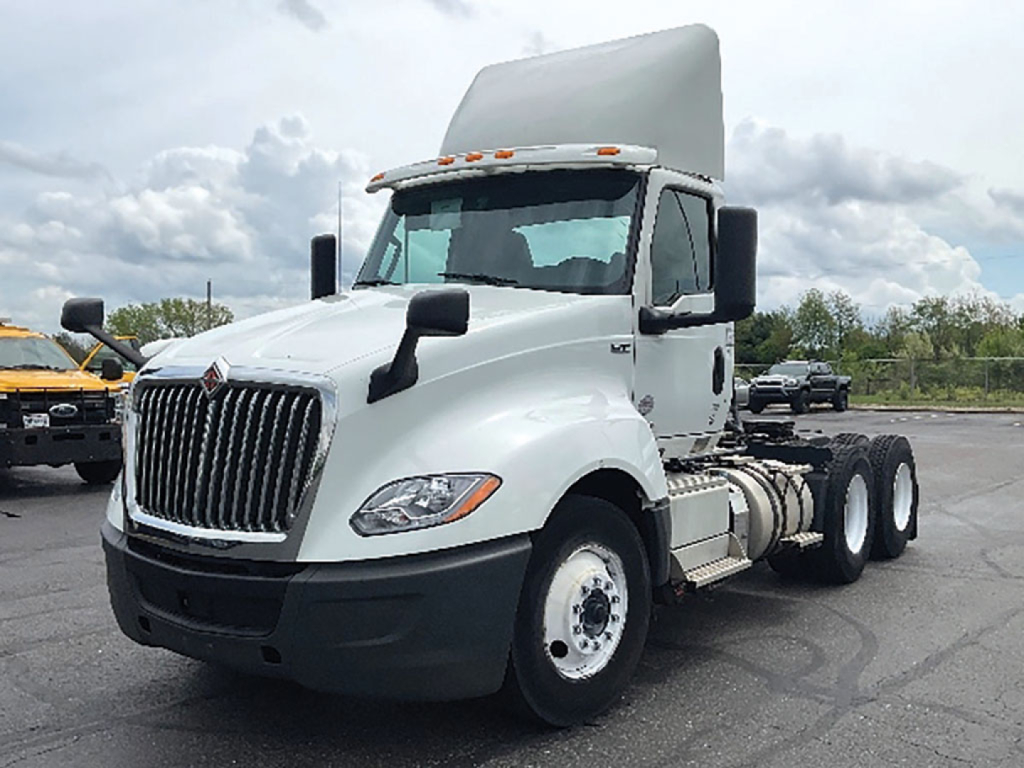
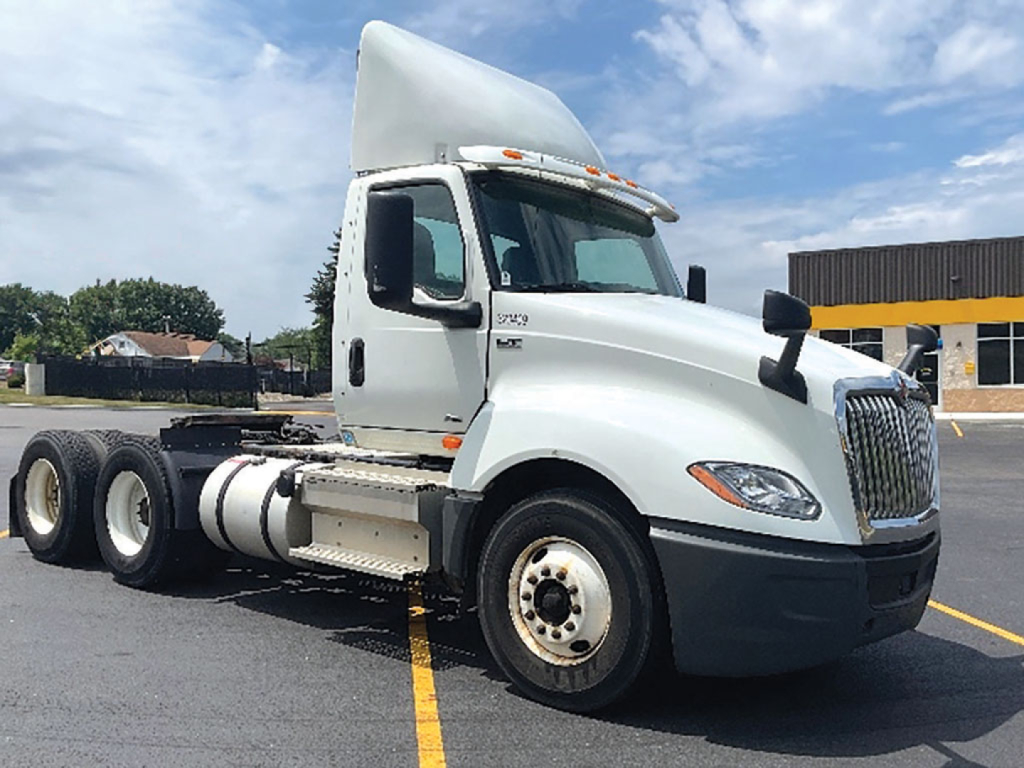
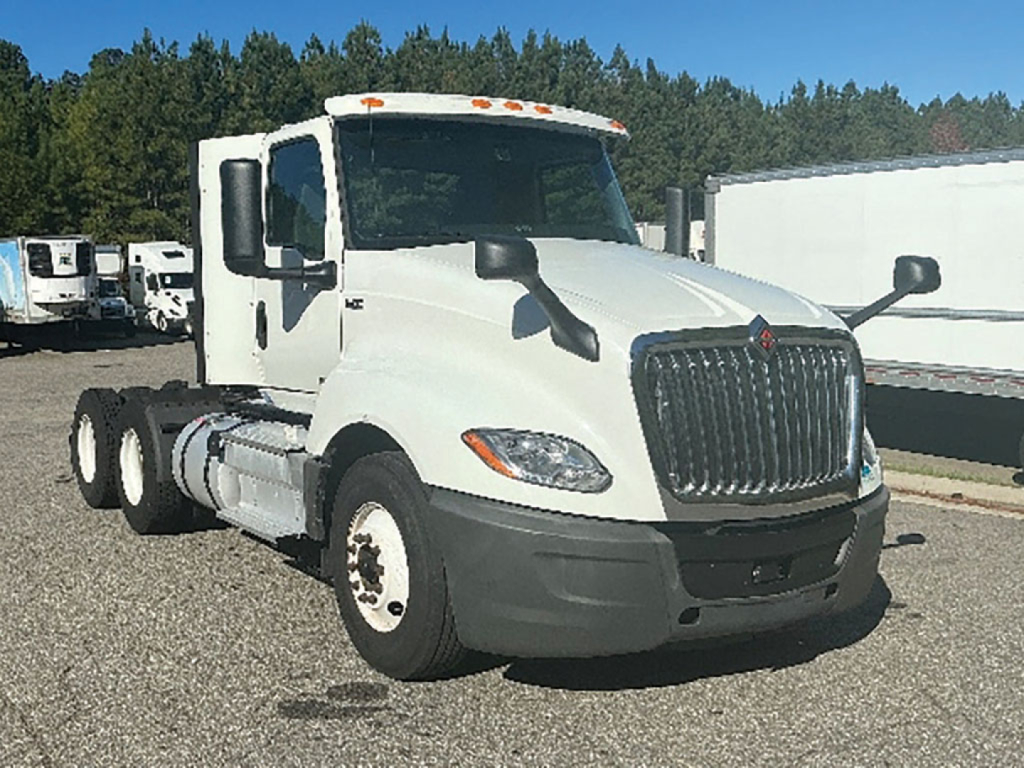
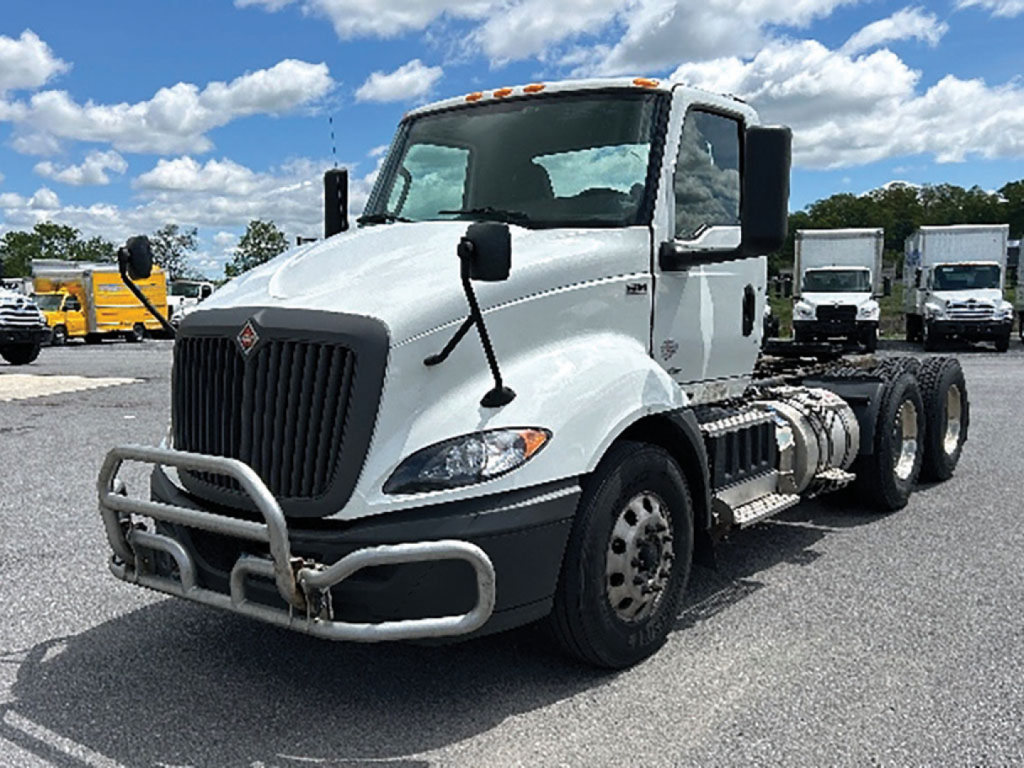
The first decision is usually application. A single-axle RH613 with a shorter wheelbase and higher maneuverability fits city delivery, tanker work, P&D, and lighter regional lanes where tight turns and dock access matter. A tandem-axle setup with 40,000-pound rears is better matched to heavier van, reefer, flatbed, or bulk hauling. Rear axle ratio matters more than many buyers expect. A 2.79 ratio favors fuel economy and higher-speed highway work, while a 3.25 or 3.42 ratio can make more sense for heavier starts, rolling terrain, and stop-and-go duty. Fifth wheel type also deserves a close look. An air slide 5th wheel adds flexibility for mixed trailer lengths and kingpin settings, while a fixed or adjustable setup may be adequate for a dedicated lane.
2019 International conventional daycabs in Pennsylvania are often spec'd for four-season operation and mixed terrain, so details like disc brakes, engine brake performance, fairings, quarter fenders, and aluminum fuel tanks are worth comparing unit by unit. Many trucks from this class include collision mitigation, cruise control, power windows, tilt and telescoping steering, and air-conditioned cabs, which matter for driver retention on short-haul routes just as much as horsepower does. Horizontal exhaust is common on fleet daycabs because it simplifies trailer clearance and regional spec'ing. Tire size, low-profile versus 11R22.5, can also affect ride height, gearing feel, and replacement cost.
For buyers evaluating a used 2019 International daycab, the smart approach is to match the spec to the freight before comparing cosmetics. Check engine and aftertreatment service history on the A26, confirm transmission type and calibration, and verify axle rating, wheelbase, and suspension against the trailer types you plan to pull. In Pennsylvania, where routes can include urban congestion, turnpike miles, grades, and seasonal weather, a well-matched daycab can be a very efficient tractor for regional work. The best value is usually the truck with the right rear ratio, brake package, and cab configuration for your lanes, not simply the highest horsepower rating.
Frequently Asked Questions about 2019 International Conventional Daycab Trucks in Pennsylvania
What is the difference between an International RH613 and LT625 daycab?
The RH613 is generally positioned for regional and vocational-style highway work, while the LT625 is commonly spec'd for linehaul and fuel-conscious on-road use. In daycab form, both can handle regional hauling, but buyers often find the RH613 in shorter-wheelbase or single-axle configurations and the LT625 in more aerodynamic tandem-axle specs. The real difference comes down to how each truck was ordered, including axle rating, wheelbase, fairings, transmission, and rear ratio.
Is the Navistar A26 a good engine in a 2019 International daycab?
The A26 is a common engine choice in 2019 International conventional daycabs and is generally well suited to regional freight applications. It offers a broad horsepower range, good drivability, and a lighter package than some larger-displacement alternatives. For a used purchase, service records matter more than the badge alone. Buyers should review preventive maintenance, aftertreatment history, fault codes, and any engine software updates before making a decision.
Should I choose a single-axle or tandem-axle 2019 International daycab?
A single-axle daycab is usually the better fit for lighter freight, city routes, tanker work, and operations where maneuverability and lower empty weight are priorities. A tandem-axle truck is the stronger choice for heavier trailer loads, broader freight flexibility, and applications that require 40,000-pound rear axles. The right choice depends on your trailer weights, bridge laws, customer locations, and how often the truck will run interstate versus urban routes.
What rear axle ratio is best for a 2019 International conventional daycab?
A 2.79 rear ratio is typically favored for highway fuel economy and steady regional speeds, especially when paired with an automated transmission. Ratios such as 3.25 or 3.42 are often preferred when the truck starts heavy, runs hilly terrain, or spends more time in stop-and-go service. There is no single best ratio for every buyer. The correct spec depends on gross combination weight, average speed, terrain, tire size, and transmission gearing.
What should I inspect first on a used 2019 International daycab in Pennsylvania?
Start with the drivetrain and brake system. Confirm engine hours, mileage, fault history, aftertreatment repairs, clutch or transmission condition, and rear axle spec. Then inspect disc or drum brake wear, suspension condition, tire type and tread pattern, and any corrosion exposure from winter road treatment. In Pennsylvania service, frame condition, wiring integrity, and cab HVAC performance also deserve attention because these trucks often see a mix of highway miles, weather, and tight-yard operation.