
2019 International Conventional Daycab Trucks For Sale
Shop 2019 International conventional daycab trucks. Compare LT specs, A26 power, wheelbase, axle ratings, and drivetrain options.
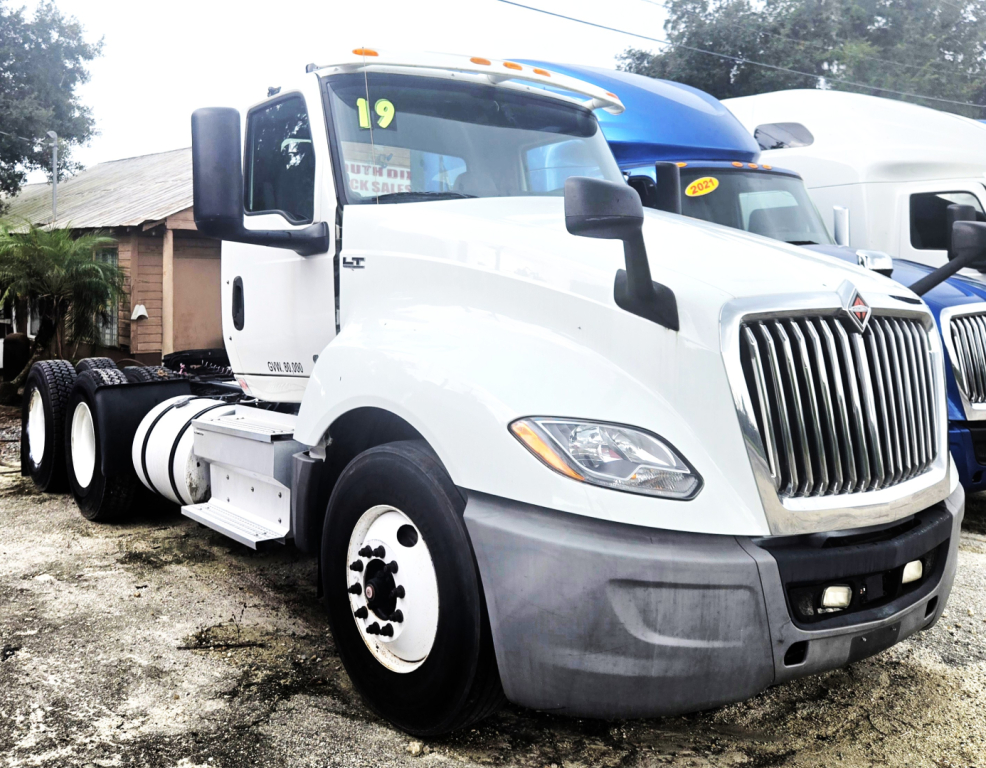
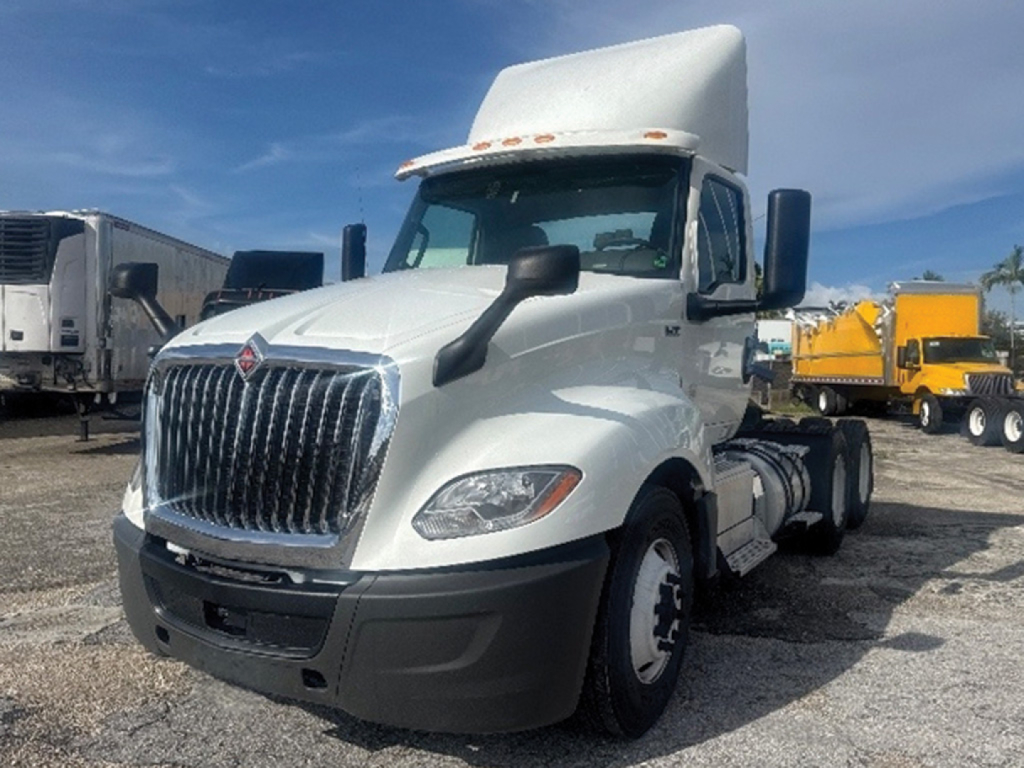
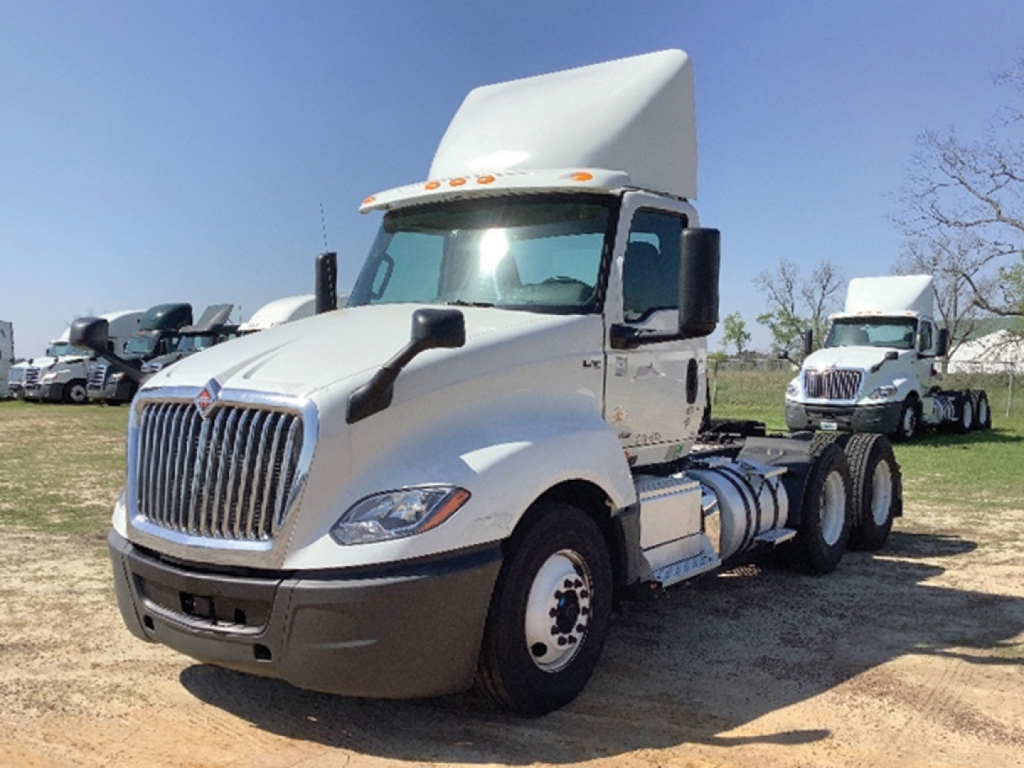
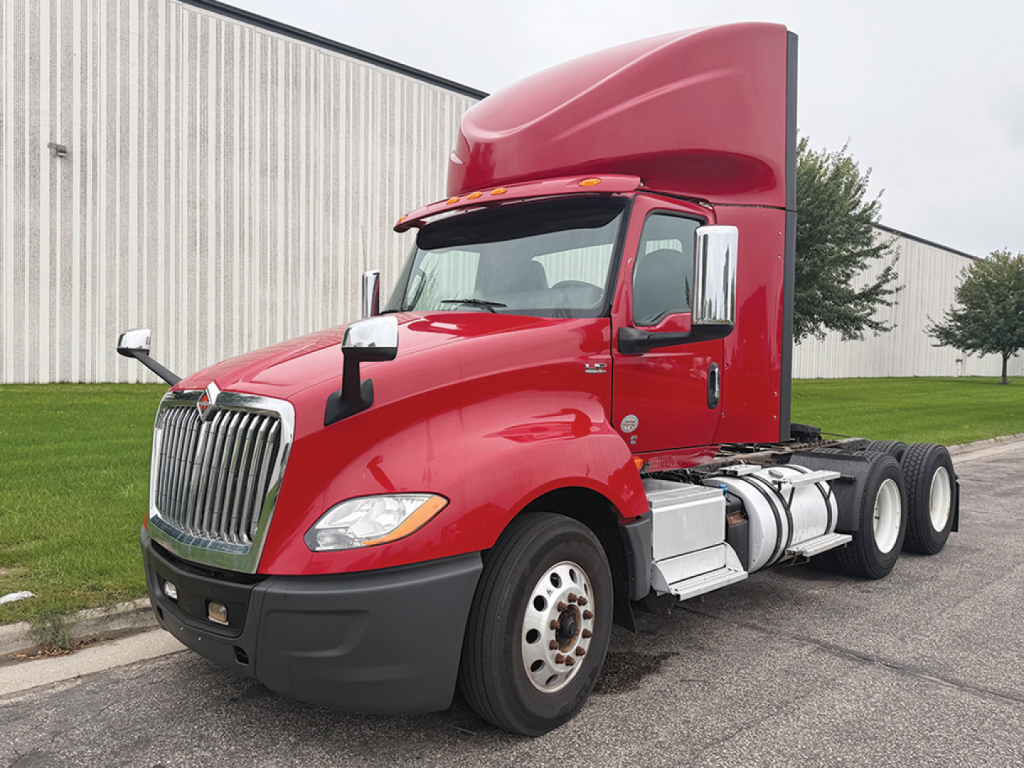
Selling a 2019 international conventional daycab truck? List your 2019 international conventional daycab truck for sale and reach thousands of commercial buyers.
2019 International Conventional Daycab Trucks
The biggest buying decisions usually come down to engine, transmission, and rear ratio. Many 2019 International daycabs are spec'd with the International A26 in the 400 to 430 hp range, often paired with a 10-speed automated manual transmission. That combination fits fleets focused on fuel economy, reduced driver fatigue, and consistent shift logic in stop-and-go or regional duty cycles. Buyers comparing trucks should look closely at torque rating, axle ratio, and suspension spec, since a 3.25 ratio with an aero highway setup will behave differently than a shorter ratio truck intended for heavier starts and more urban work.
Cab and chassis details matter more than they first appear. Air ride cab suspension, power windows and locks, engine brake, collision mitigation systems, and dual fuel tanks are common features that improve daily usability and route range. Front axle ratings around 12,000 to 12,350 pounds and 40,000-pound rears are typical for this category. Tire size is often 11R22.5, and many trucks use International IROS or similar air ride suspension for ride quality and trailer stability. A sliding fifth wheel is useful for operations running mixed trailer lengths or managing kingpin settings across different fleets.
A used 2019 International conventional daycab should be evaluated on application fit as much as condition. For regional van and reefer work, prioritize fuel capacity, aero spec, transmission calibration, and active safety equipment. For vocational or heavier start-stop service, pay more attention to wheelbase, suspension durability, frame condition, clutch history if manually shifted, and axle gearing. The 2019 model year is attractive because it offers modern emissions and driver-assist features without stepping into the higher acquisition cost of newer trucks. For many fleets and owner-operators, it is a practical balance of operating efficiency, serviceability, and daycab versatility.
Frequently Asked Questions about 2019 International Conventional Daycab Trucks
What engine is commonly found in a 2019 International daycab?
Many 2019 International conventional daycab trucks are equipped with the International A26 engine, often rated around 430 horsepower in regional haul specs. Some units may be configured differently, but the A26 is one of the most common engines buyers will see in this model year because it was designed to balance fuel economy, lighter weight, and linehaul performance.
What transmission is typical in a 2019 International LT day cab?
A 10-speed automated manual is very common in 2019 International LT daycab trucks, especially in fleet-oriented specifications. This setup helps reduce driver fatigue, improves shift consistency, and can support better fuel economy when matched with the right axle ratio. Some trucks in the broader International daycab market may have manual transmissions, so it is important to confirm the exact transmission model and calibration.
What wheelbase is common on a 2019 International conventional daycab?
A wheelbase around 170 to 180 inches is common on many 2019 International daycab tractors, with 177 inches being a frequent fleet spec. That range works well for regional freight because it balances trailer clearance, ride quality, and maneuverability. Buyers should match wheelbase to trailer type, axle spread, and turning requirements in their operating area.
Is a 2019 International daycab good for regional hauling?
Yes, a 2019 International daycab is well suited for regional hauling, dedicated routes, local shuttle work, and terminal-to-terminal service. The daycab layout reduces empty weight and purchase cost compared with a sleeper, while still providing the drivetrain, axle capacity, and comfort features needed for full Class 8 tractor work. It is generally the right fit when the driver returns home daily or does not need overnight accommodations.
What should buyers inspect on a used 2019 International conventional daycab?
Buyers should inspect engine service history, aftertreatment performance, transmission operation, axle ratio, suspension condition, fifth wheel wear, tire condition, and any signs of frame damage or uneven loading. It is also smart to confirm active fault codes, idle hours, brake condition, and the operation of cab electronics and safety systems such as collision mitigation. On a fleet-spec daycab, maintenance records and previous application can tell you as much as the odometer.