
2019 International Conventional Daycab Trucks For Sale in New York
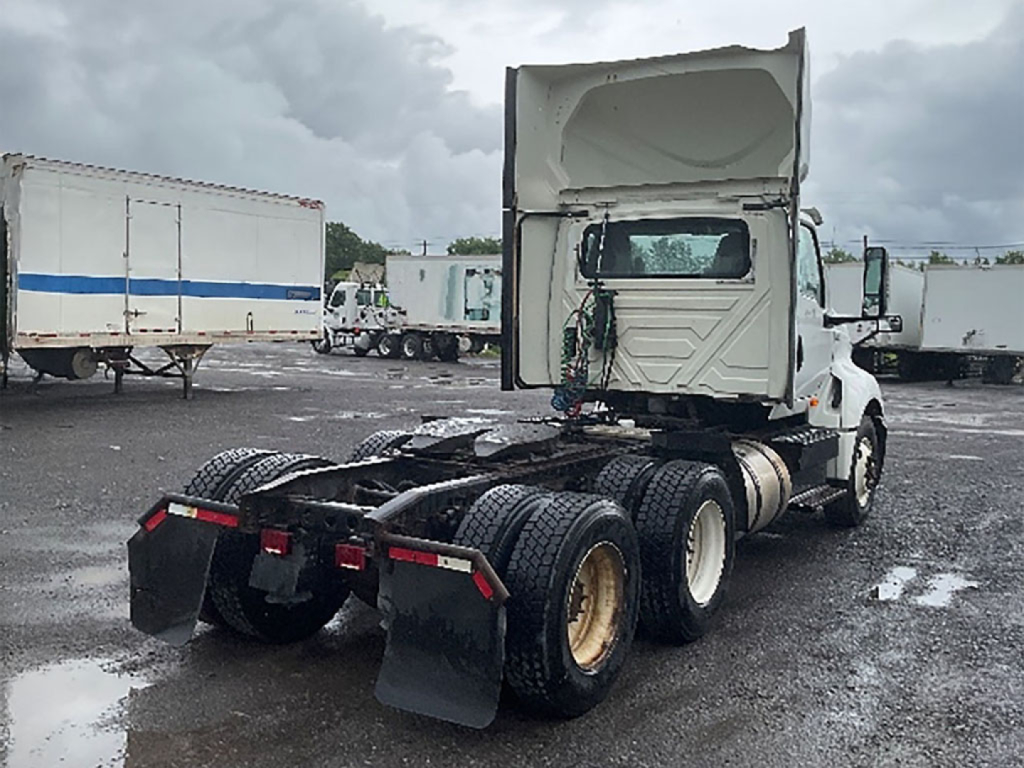
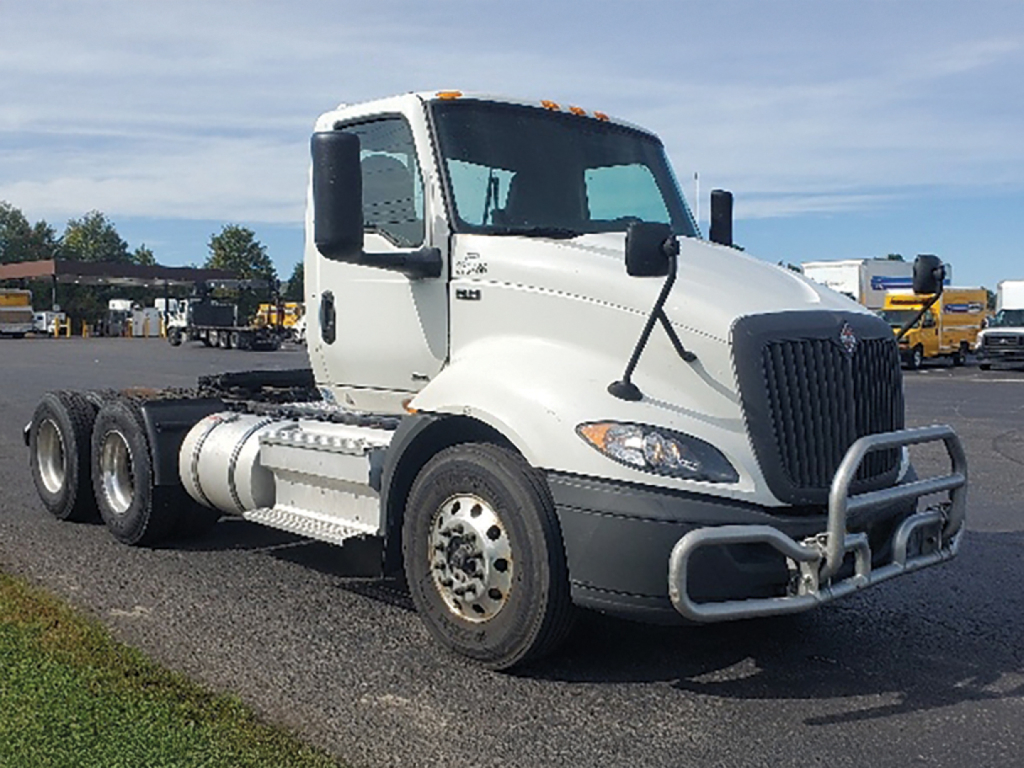
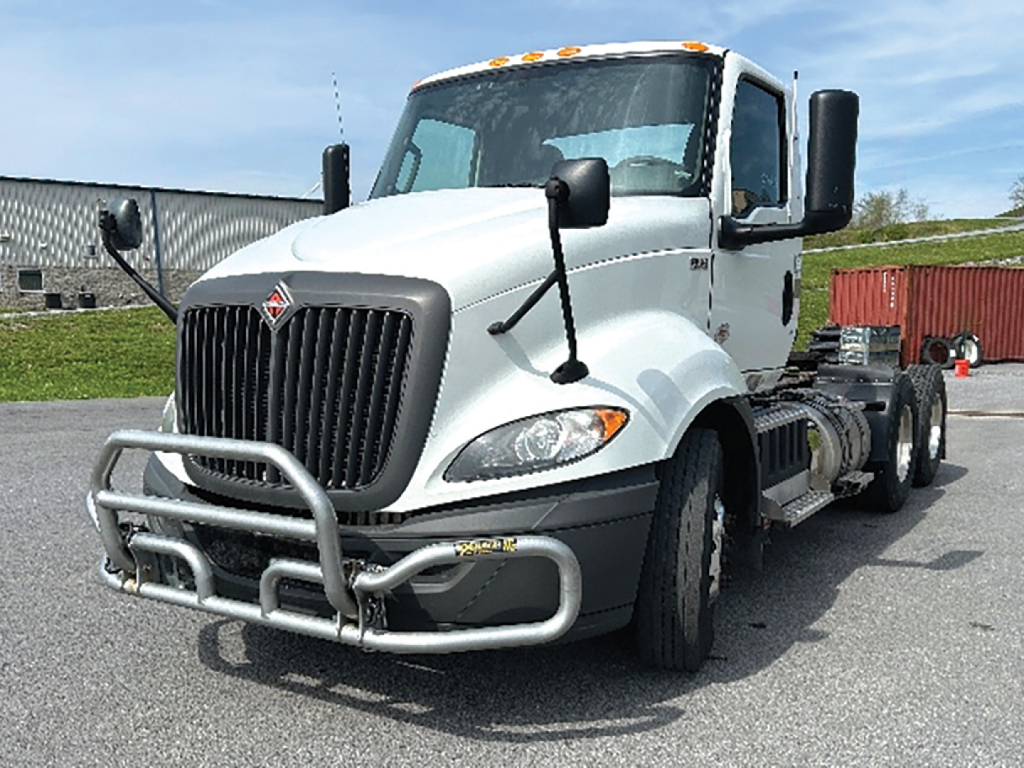
Shop 2019 International conventional daycab trucks in New York. Compare RH613 specs, A26 power, axle setups, wheelbases, and vocational fit.
Have 2019 international conventional daycab truck to sell? List it here to reach thousands of buyers.
2019 International Conventional Daycab Trucks in New York
The main spec decision is usually powertrain. Many 2019 International daycabs are equipped with the Navistar A26, typically in the 410 to 430 horsepower range, paired with an automated manual transmission. That combination suits fleets looking for fuel efficiency, lower driver fatigue, and good performance in stop-and-go operations. Rear axle ratings and ratios matter just as much as horsepower. A lighter single-axle setup with a faster ratio can make sense for regional van or bulk work, while tandem rears with air ride suspension and air-slide fifth wheels are better aligned with heavier trailer applications and more varied load demands.
Buyers should pay close attention to wheelbase, fifth wheel type, and suspension spec because those details determine how well the truck will match existing trailers and route conditions. Adjustable or air-slide fifth wheels help with kingpin setting flexibility, bridge law compliance, and weight distribution across different trailer lengths. Common features in this category include engine brakes, dual aluminum fuel tanks, horizontal exhaust, quarter fenders, tilt and telescoping steering, cruise control, and 22.5 low-profile rubber on disc or aluminum wheels. In New York, a daycab with the right turning radius, corrosion-conscious spec, and stable air ride setup can be especially valuable for urban freight corridors, warehouse networks, and Northeast regional lanes.
Condition and maintenance history are critical on any used 2019 International daycab. Review engine hours, transmission calibration history, aftertreatment service records, tire wear pattern, and signs of frame or suspension stress. On RH613 specs, it is smart to confirm axle rating, ratio, and wheelbase against the actual job rather than buying on horsepower alone. A well-matched conventional daycab can deliver strong uptime, easier driver ingress and egress, and lower operating cost than a comparable sleeper tractor assigned to short-haul work.
Frequently Asked Questions about 2019 International Conventional Daycab Trucks in New York
What engine is commonly found in a 2019 International conventional daycab?
A common engine in a 2019 International conventional daycab is the Navistar A26. In this category, it is often rated around 410 to 430 horsepower and paired with an automated manual transmission. That setup is popular for regional and local hauling because it balances fuel economy, usable torque, and driver-friendly operation in traffic-heavy service.
What is the difference between a single-axle and tandem-axle International daycab?
A single-axle daycab is typically lighter, more maneuverable, and often better suited for regional van, local delivery, or applications where payload and bridge limits do not require tandem drive axles. A tandem-axle daycab provides higher traction and carrying capacity, making it more suitable for heavier trailers, bulk hauling, tanker work, and operations that need greater flexibility across load types and terrain.
Why does wheelbase matter on a conventional daycab truck?
Wheelbase affects turning radius, ride quality, trailer compatibility, and axle weight distribution. A shorter wheelbase is useful in tight city streets, crowded yards, and dock-heavy operations. A longer wheelbase can improve stability and may better match certain trailer lengths or fifth wheel positions. Buyers should compare wheelbase to their trailer mix, loading patterns, and route constraints before choosing a truck.
Is an automated manual transmission a good choice for a 2019 International daycab?
For many fleets and owner-operators, an automated manual transmission is a strong choice in a daycab because it reduces driver fatigue, supports consistent shifting, and can help control driveline wear when properly maintained. It is especially useful in regional and urban operations with frequent stops. The key is to verify service history, software updates, clutch calibration, and overall driveline condition on a used truck.
What should buyers inspect first on a used 2019 International RH613 daycab?
Start with the engine and aftertreatment service history, then verify transmission operation, axle ratio, suspension condition, and frame integrity. Check tire wear for alignment or suspension issues, inspect the fifth wheel for wear and adjustment range, and confirm that the wheelbase and axle ratings match the intended trailer and payload. In Northeast service, buyers should also look closely for corrosion on frame components, air system hardware, and electrical connections.