
2019 Freightliner Conventional Daycab Trucks For Sale in Pennsylvania
Shop 2019 Freightliner conventional daycab trucks in Pennsylvania. Compare Cascadia specs, DD13 power, wheelbase, axle ratings, and drivetrain options.
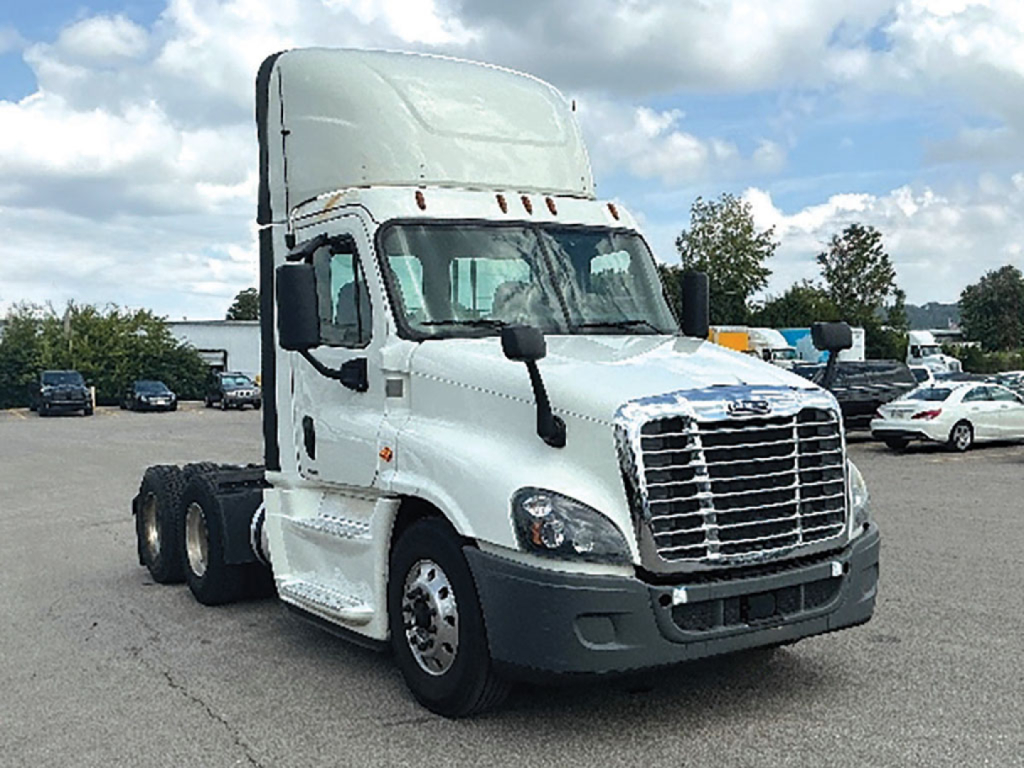
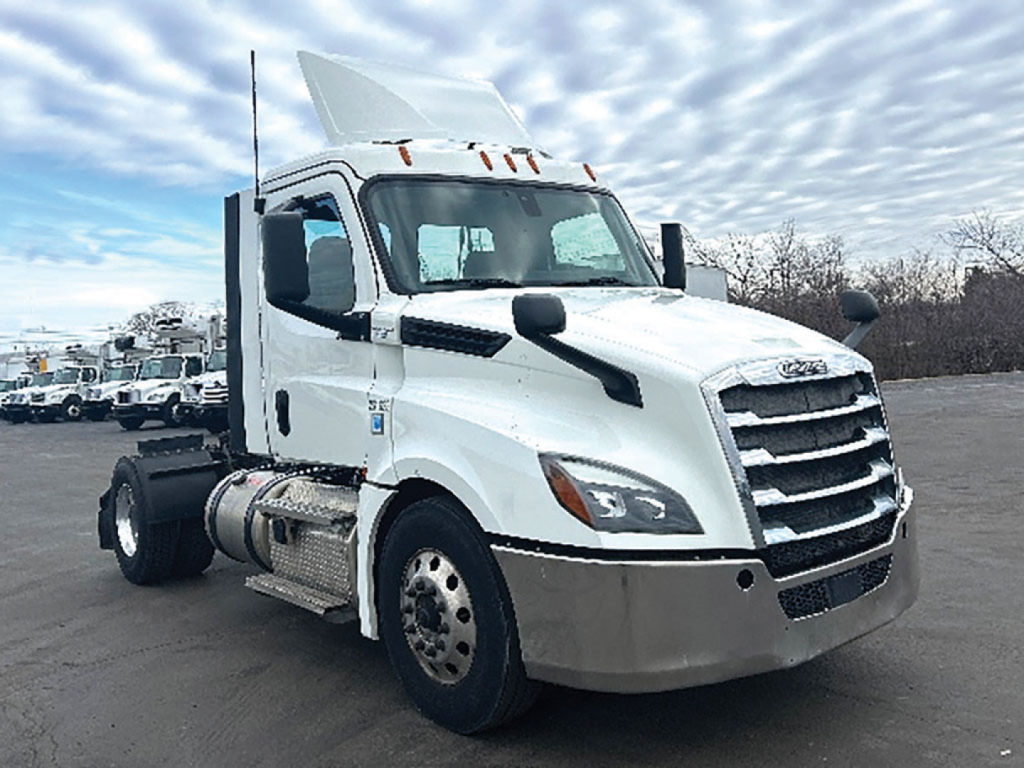
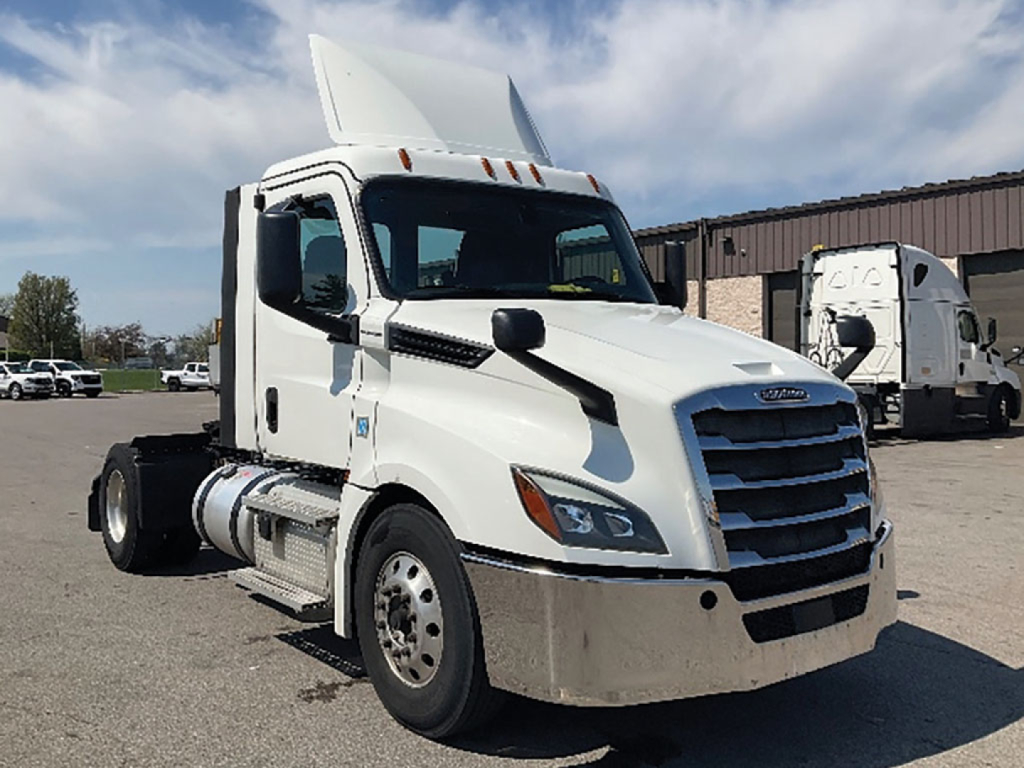
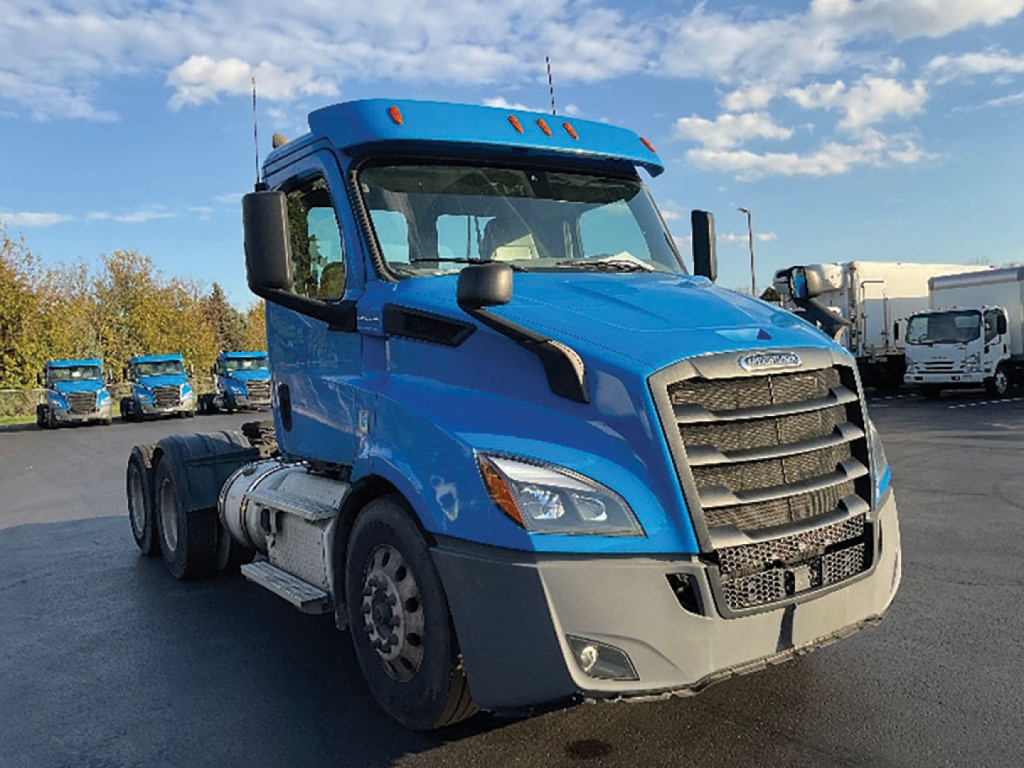
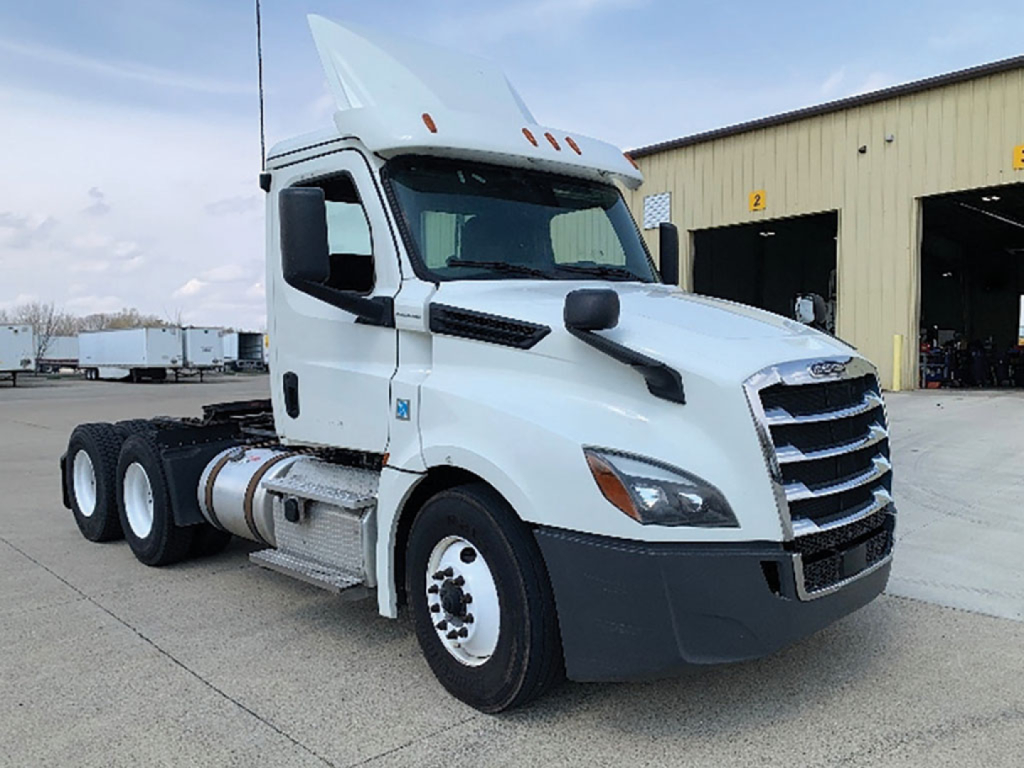
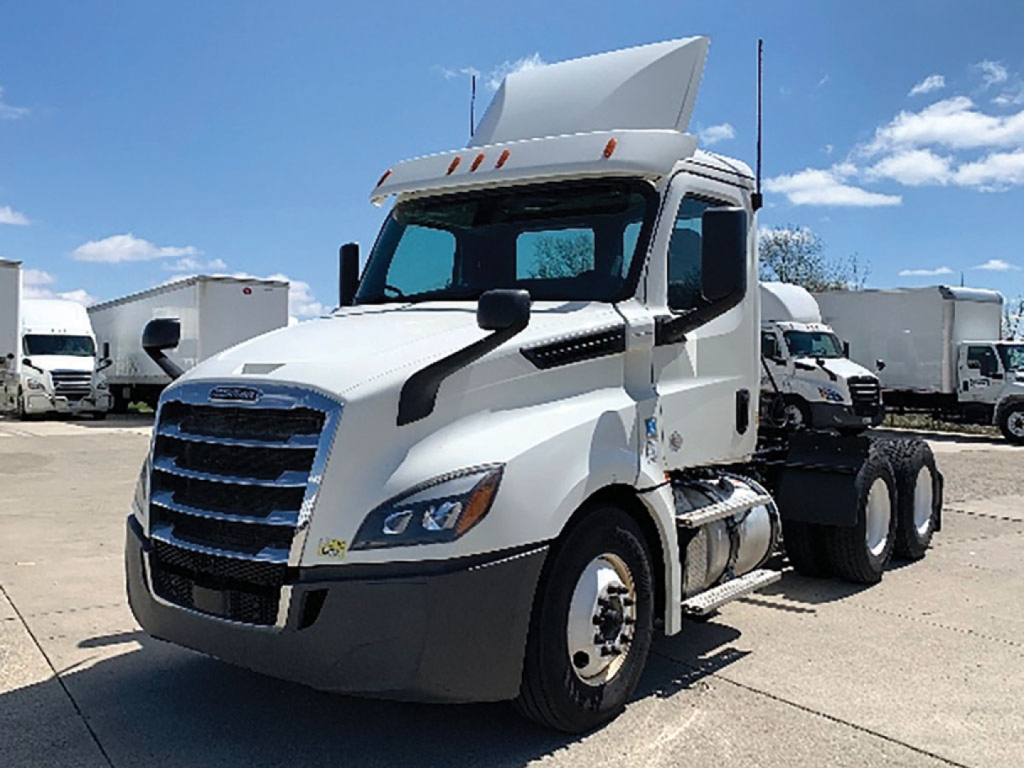
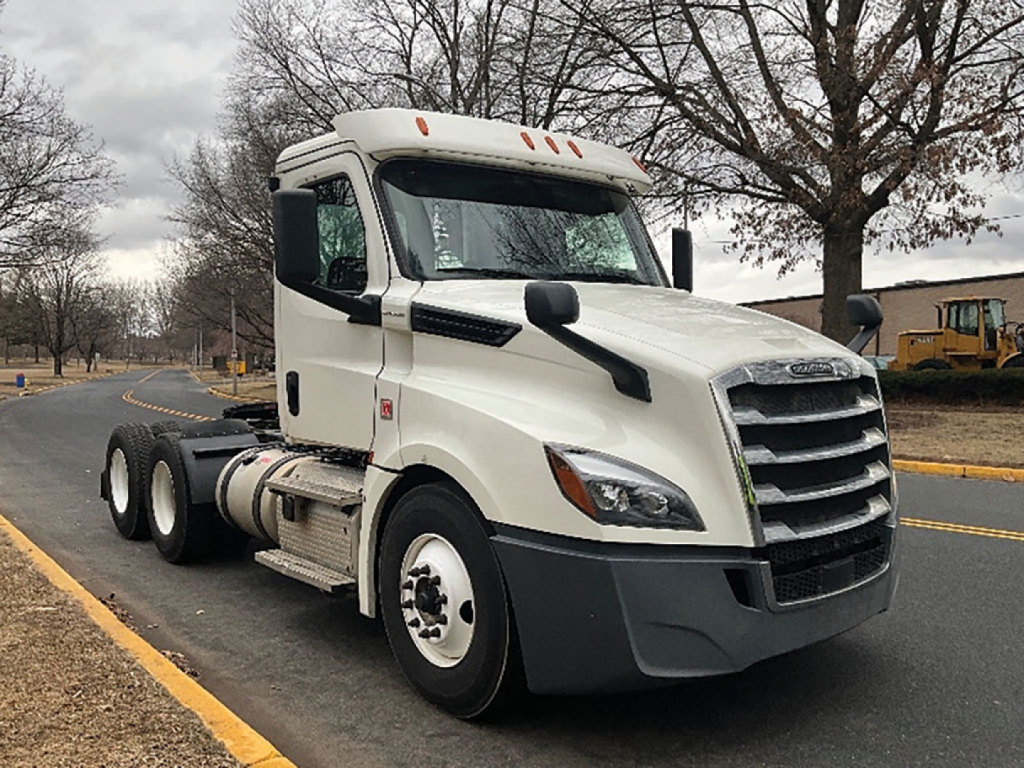
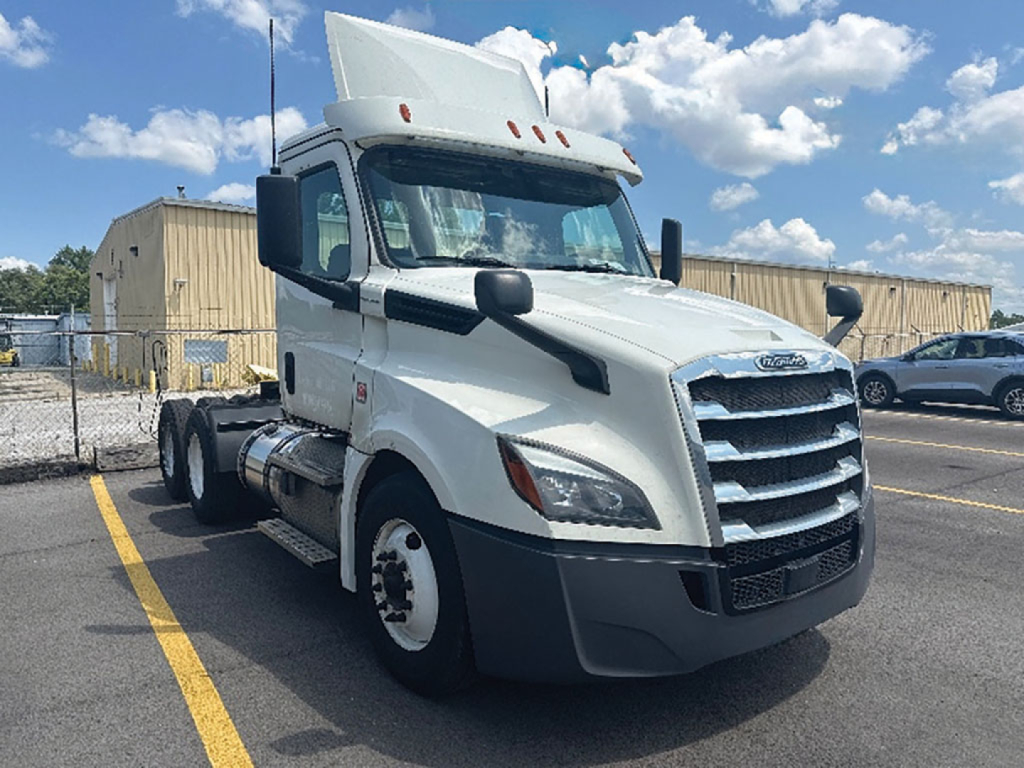
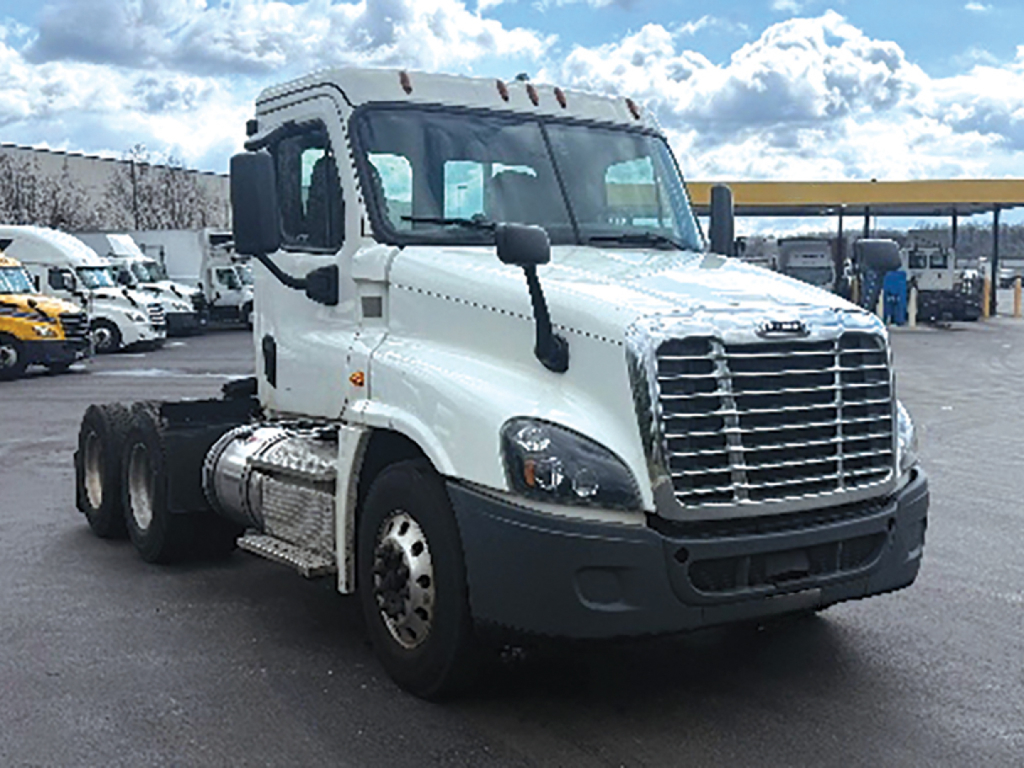
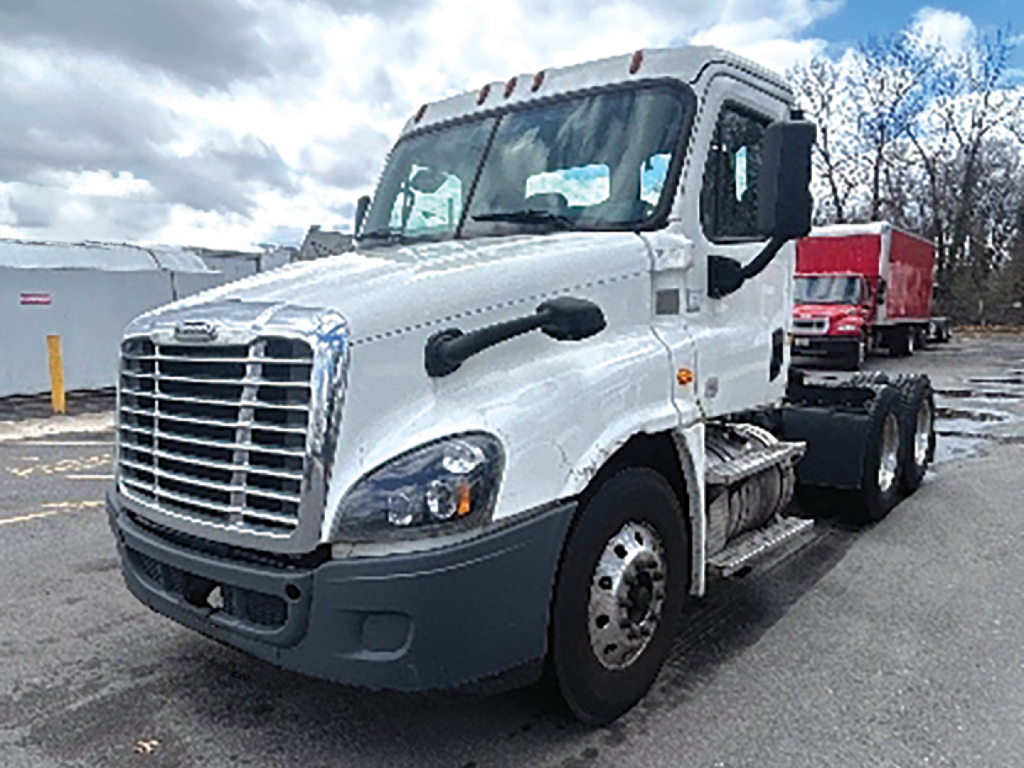
Have 2019 freightliner conventional daycab truck to sell? List it here to reach thousands of buyers.
2019 Freightliner Conventional Daycab Trucks in Pennsylvania
The key buying decision is matching wheelbase, axle rating, and gearing to the trailer and lane assignment. A shorter wheelbase helps in tighter yards and urban docks, while a 178-inch to 198-inch wheelbase is common on road-going day cabs that need stable handling with a sliding fifth wheel. Buyers should pay attention to fifth wheel setup, suspension type, front axle capacity, and tire size, especially if the truck will handle heavier tanker, dump, or high-cube van work. Air ride suspension, engine brakes, disc brakes, power steering, and aluminum wheels are common features that affect both operating cost and driver acceptance.
2019 Freightliner day cabs also stand out for cab ergonomics and safety technology. Many were spec'd with collision mitigation, cruise control, power windows, heated mirrors, air conditioning, and tilt-telescoping steering columns. These details matter on regional routes where drivers are in and out of the cab all day. The Detroit powertrain is widely supported, and that helps with parts access and downtime management. A buyer comparing used units should still review maintenance history closely, including aftertreatment service, transmission calibration updates, brake wear, suspension condition, and any signs of uneven tire wear that could point to alignment or kingpin issues.
For buyers in Pennsylvania, rust exposure, frame condition, and corrosion around crossmembers, battery boxes, airlines, and cab mounts deserve extra attention. It is also smart to verify emissions compliance, idle strategy, and PTO or vocational prep if the truck may be reassigned beyond standard tractor duty. A well-spec'd 2019 Freightliner conventional daycab can be a cost-effective fleet truck or owner-operator unit when the engine rating, rear ratio, and chassis layout are aligned with the actual job instead of simply the lowest upfront price.
Frequently Asked Questions about 2019 Freightliner Conventional Daycab Trucks in Pennsylvania
What engine and transmission are common in a 2019 Freightliner conventional daycab?
Many 2019 Freightliner day cabs, especially Cascadia models, were spec'd with a Detroit DD13 rated around 435 to 450 horsepower and paired with a DT12 automated manual transmission. That setup is popular because it balances fuel economy, driver ease of use, and broad service support. Some trucks may also have manual transmissions or different horsepower ratings, so the exact spec should be matched to freight weight, terrain, and duty cycle.
What wheelbase is best for a Freightliner daycab?
The right wheelbase depends on where the truck works and what trailers it pulls. Shorter wheelbases improve maneuverability in crowded terminals, city docks, and tight industrial yards. A mid-range wheelbase such as 178 to 198 inches is common for regional highway use because it offers better ride stability while still remaining practical for trailer spotting and local delivery work. Buyers should also consider fifth wheel travel, kingpin setting, and bridge law requirements when comparing wheelbase options.
Is a 2019 Freightliner daycab a good choice for regional hauling in Pennsylvania?
Yes, a 2019 Freightliner daycab is a strong fit for Pennsylvania regional hauling because it is efficient on highway runs but still manageable in dense freight corridors and older industrial areas. Trucks spec'd with a DD13, engine brake, tandem rears, and an automated transmission are well suited for mixed terrain, stop-and-go traffic, and turnpike operation. In this market, buyers should inspect frame and undercarriage corrosion carefully due to winter road treatment and seasonal moisture exposure.
What should I inspect first on a used Freightliner conventional daycab?
Start with maintenance records, engine hours, mileage, fault code history, and aftertreatment service. Then inspect the frame, suspension, steering, brakes, tires, and fifth wheel for wear patterns that show how the truck was used and maintained. On a 2019 model, it is also important to check emissions components, transmission software updates, collision mitigation operation, and signs of corrosion around crossmembers, cab mounts, and air system hardware.
What rear axle ratio works best on a daycab tractor?
A rear axle ratio like 3.08 is common on fuel-conscious regional highway trucks because it keeps engine rpm lower at cruise speed. If the truck will spend more time in heavy haul, vocational service, or short routes with frequent starts, a deeper ratio may provide better launch and grade performance. The best ratio is the one that matches the engine torque curve, transmission gearing, gross combination weight, and average road speed of the route.